
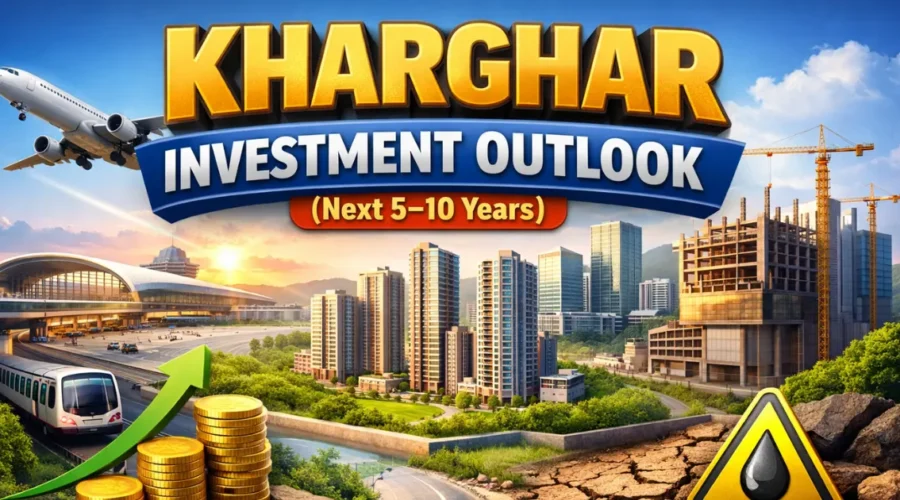
Kharghar Investment Outlook (Next 5–10 Years): Growth, Risks, Best Areas
Kharghar is a strong but not easy investment for the next 5–10 years. The growth story is real because of the airport, upcoming corporate hub, and improving connectivity, but this is no longer a place where you can buy anywhere and expect profits. Some sectors will grow well, some will move slowly, and some may struggle due to oversupply or local issues. If you choose carefully and hold long term, Kharghar still makes sense, but blind buying can easily backfire.
Is Kharghar a Good Investment for the Next 5 to 10 Years?
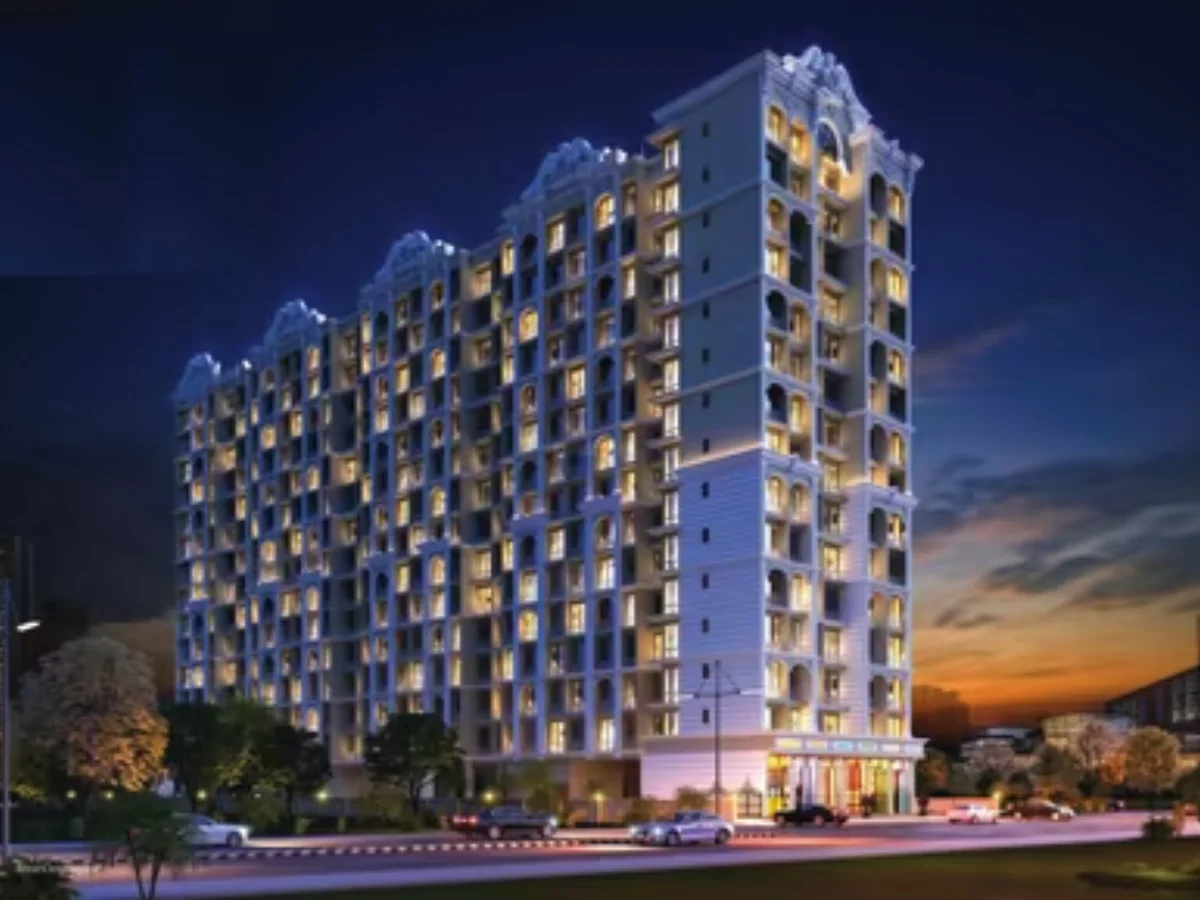
Kharghar today sits in a very interesting position. It is no longer an early-stage developing node, but it is also not fully saturated like Vashi or Nerul. This middle phase is where smart investors usually benefit, but only if they understand the ground reality.
For long-term buyers, especially those planning 5 to 10 years, Kharghar offers a balanced mix of livability and appreciation potential. It works well for families, end-users, and investors who are patient. But if someone is expecting quick gains or buying just because of “future development”, this market may disappoint them. The easy money phase is already over here.
What Will Actually Drive Property Prices in Kharghar Over the Next Decade?
Property prices in Kharghar will not increase just because it is “developing”. The real drivers are already visible on the ground. The biggest shift has come from the Navi Mumbai International Airport becoming operational. This has already started changing the type of demand coming into Kharghar, especially from aviation professionals and corporate employees.
At the same time, the International Corporate Park planned in sectors 29 to 33 is a long-term game changer. It will not impact prices overnight, but over 7 to 10 years, it can create a strong job base that supports real housing demand. The metro line is already active and has improved internal connectivity, and projects like the Kharghar–Turbhe tunnel will further reduce travel time and make upper sectors more attractive.
But one important reality cannot be ignored. Supply in Kharghar is high, especially in newer sectors. This means price growth will be gradual and selective. Not every project will benefit equally, and not every area will see the same level of demand.
Which Areas Within Kharghar Are Likely to Grow Faster?
Kharghar is not one uniform market. The difference between sectors is significant, and this is where most buyers make mistakes.
Central sectors like 11, 12, and 20 are already established. They have schools, parks, and daily infrastructure in place. Prices here are higher, but demand is stable and vacancy is low. These areas are safer for buyers who want less risk and steady appreciation.
On the other side, sectors like 34, 35, and 36 in Upper Kharghar are where most of the future growth is expected. Prices are still relatively lower here, and these areas will benefit more from infrastructure like the tunnel and corporate development. But they also come with higher uncertainty, and not every project here will perform equally.
Then there are certain belts closer to Taloja or industrial areas where growth can remain slow. Issues like water dependency or pollution can quietly impact demand, even if prices look attractive at first glance.
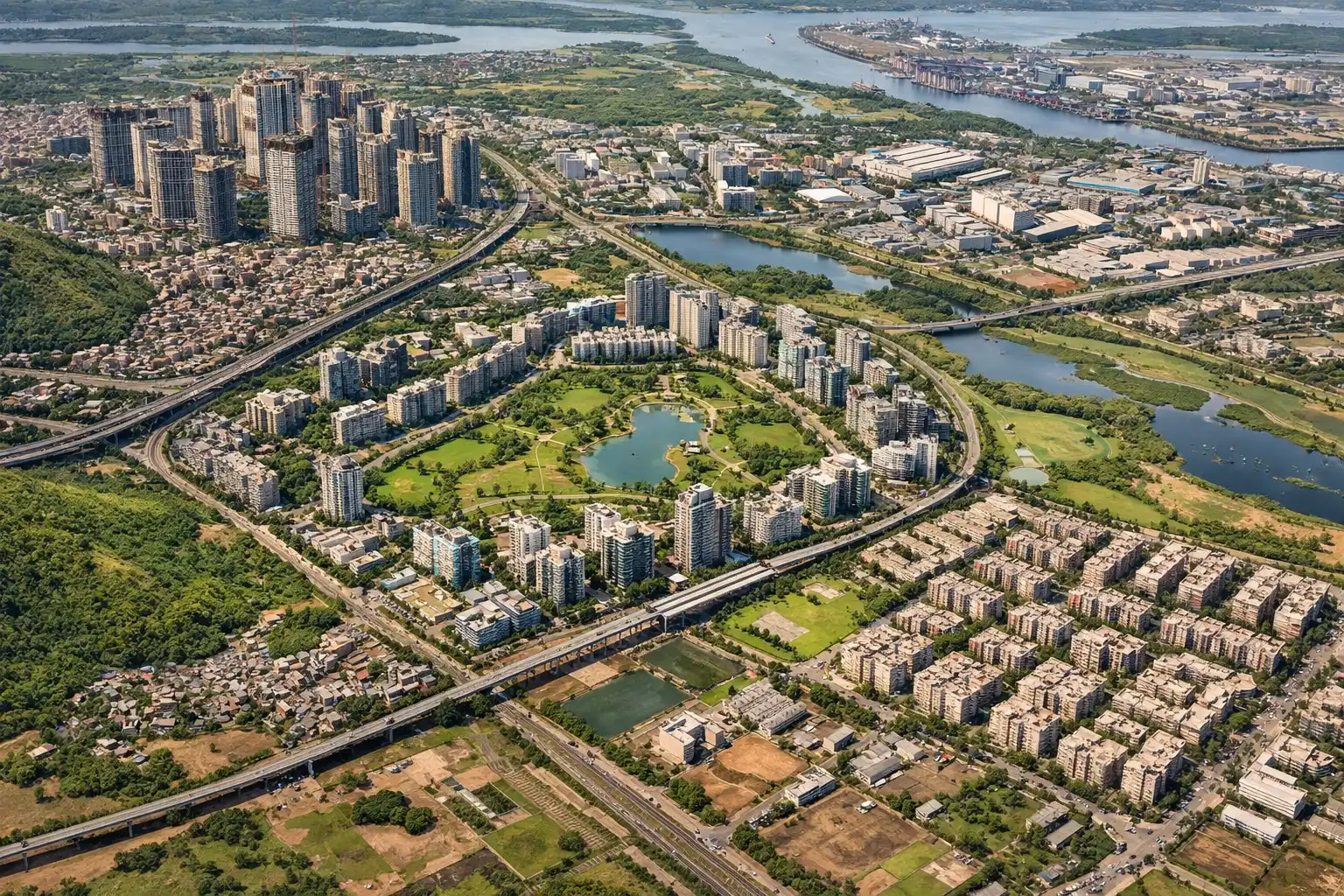
Kharghar Property Prices: What Growth Can You Realistically Expect?
As of 2026, average property rates in Kharghar are around ₹17,000 to ₹18,000 per square foot, but this varies heavily by sector. Entry-level areas still exist around ₹9,000 to ₹11,000, while premium pockets have crossed ₹25,000 or even ₹30,000 in some cases.
Going forward, the expectation should be realistic. Kharghar is likely to see steady appreciation rather than sharp spikes. In good locations, a 25% to 50% increase over 5 to 8 years is reasonable, but anything beyond that depends on specific projects and timing.
Growth can slow down if too many projects launch at once, if infrastructure timelines get delayed, or if local issues like water shortage remain unresolved. This is why location selection matters more than market timing here.
Rental Income vs Capital Appreciation: What Works Better in Kharghar?
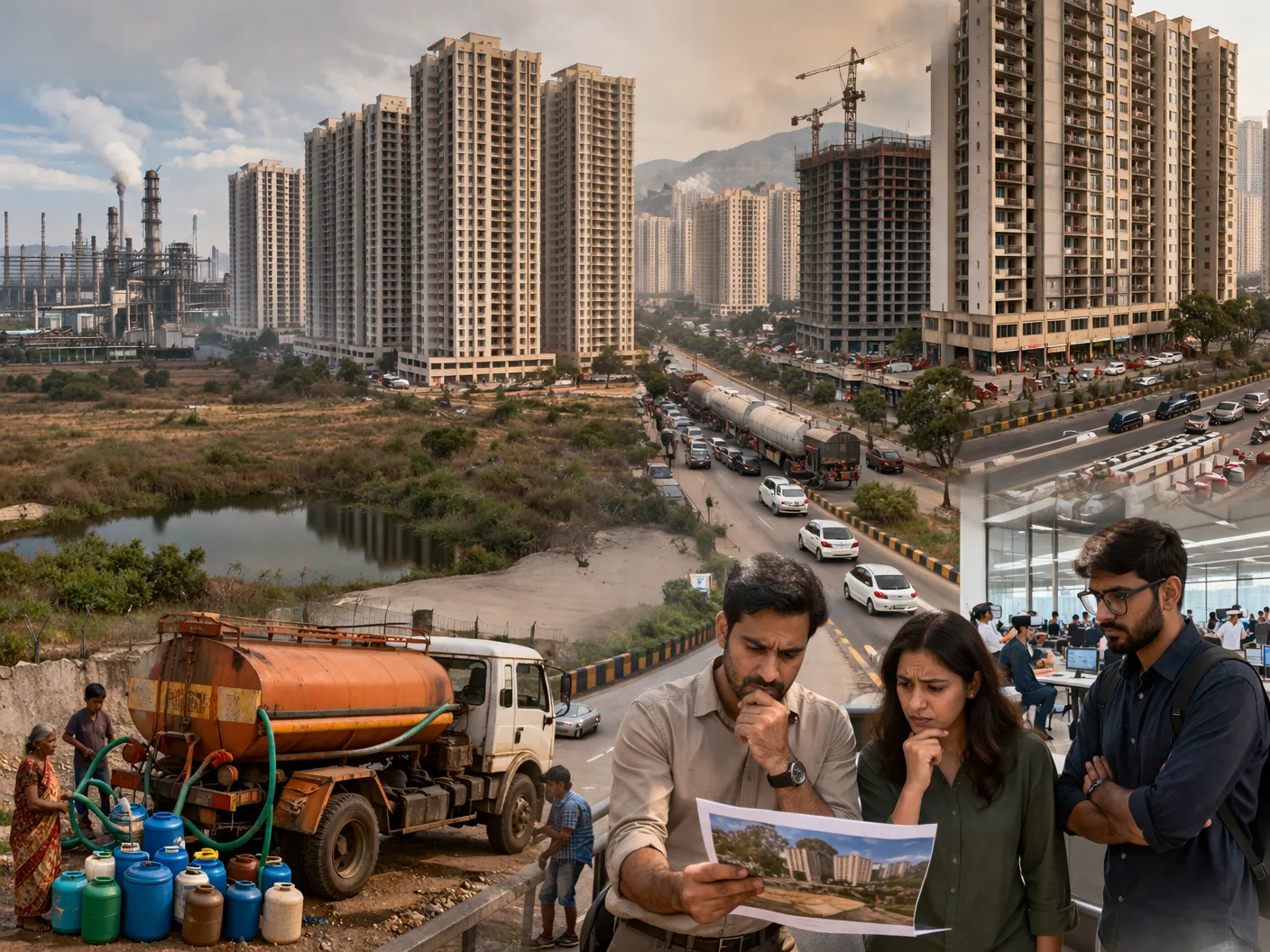
Kharghar is not a very high rental yield market, but it offers a stable rental base. The presence of colleges, offices, and now airport-related demand keeps rental activity consistent.
Smaller units like 1 BHK and 2 BHK tend to perform better in rentals because they are affordable and in demand from students and working professionals. Larger homes like 3 BHK may not give very high rental returns, but they have better long-term appreciation potential because supply is limited in premium areas.
So the decision depends on your goal. If you want monthly income, smaller units work better. If you are thinking about long-term wealth creation, larger configurations make more sense.
New Projects vs Resale Flats: What Makes More Sense for a 5–10 Year Investment?
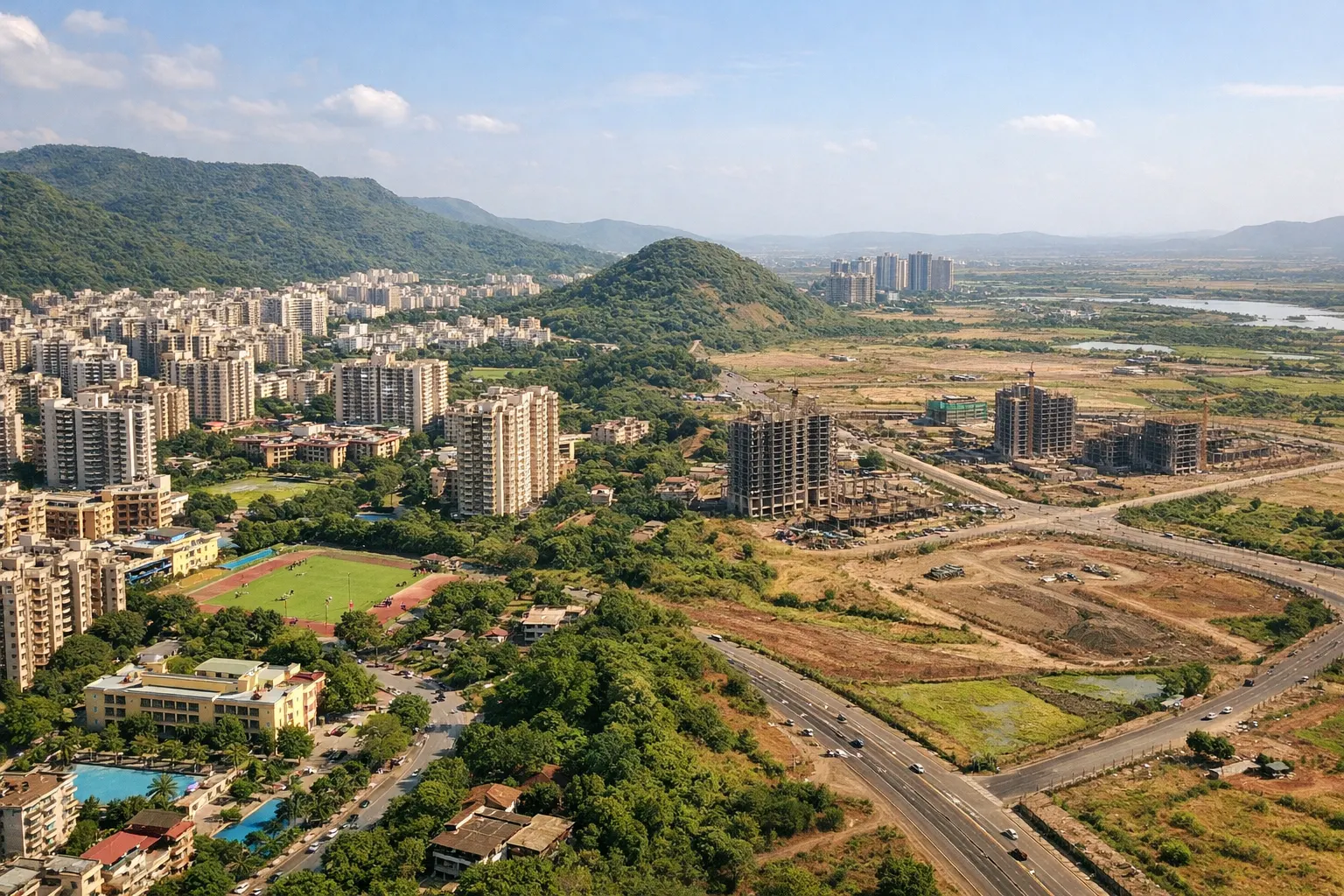
This is one of the most practical decisions a buyer has to make. New projects in emerging areas like Upper Kharghar can offer better entry prices and higher upside, but they come with risks like construction delays and uncertainty.
Resale flats in established sectors are more predictable. You know what you are getting, the area is already developed, and rental income can start immediately. But the appreciation may be slower compared to a well-chosen new project.
There is no one correct answer here. It depends on your risk tolerance. If you are comfortable waiting and choosing carefully, new projects can work. If you prefer safety and clarity, resale is a better option.
What Are the Biggest Risks of Investing in Kharghar Right Now?
The biggest mistake investors make is ignoring risks because the area looks promising. Kharghar has real strengths, but it also has real problems.
Water shortage is one of the most serious concerns. There is already a gap between demand and supply, and many societies depend on tankers. This affects daily living and increases maintenance costs.
Another issue is pollution from the Taloja industrial belt. Some sectors, especially towards the outskirts, experience air quality problems at certain times, which can impact long-term desirability.
Oversupply is another factor. Too many projects in the same area can slow down price growth, even if the location is good. And finally, infrastructure projects like the corporate park or tunnel will take time. Any delay can push appreciation timelines further.
Kharghar vs Other Navi Mumbai Options for Long-Term Investment
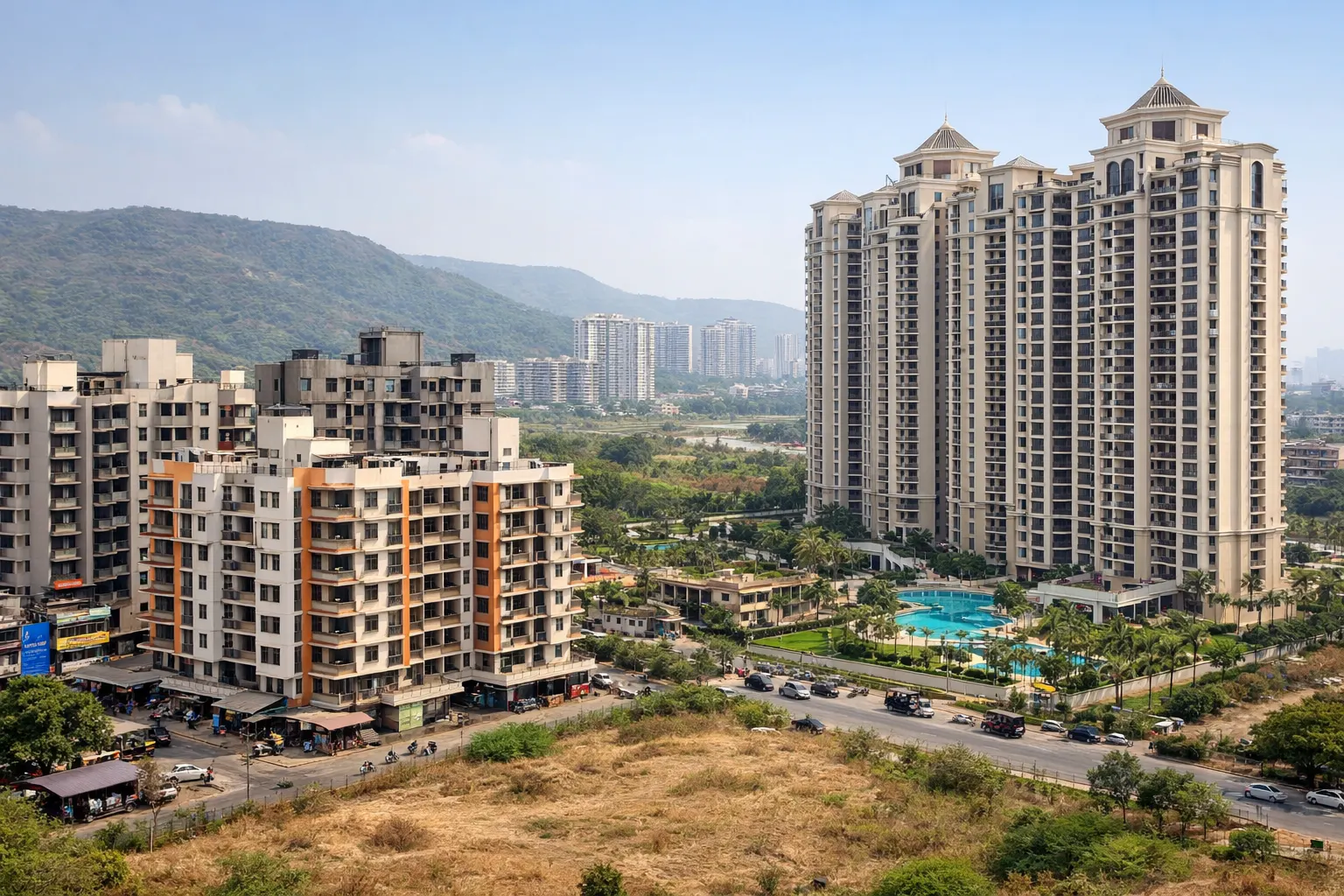
When compared to Ulwe and Panvel, Kharghar stands out as a more balanced option. Ulwe is more dependent on airport-related growth and is still developing in terms of lifestyle infrastructure. Panvel is more affordable and well-connected, but it has a different character and is more mass-market.
Kharghar sits somewhere in between. It offers better planning, stronger social infrastructure, and a more stable demand base. That is why it is often considered a safer long-term choice, even if it is slightly more expensive.
Who Should Invest in Kharghar and Who Should Avoid It?
Kharghar works best for buyers who are thinking long term and are willing to hold their investment. It suits people who want a mix of lifestyle and appreciation rather than just quick returns.
It may not be suitable for someone who is stretching their budget, expecting fast profits, or buying without understanding sector-level differences. In this market, wrong entry matters more than timing.
conclusion
Kharghar is moving towards becoming a mature, self-sustained urban node rather than just a residential extension of Mumbai. The fundamentals are strong, especially with the airport, corporate development, and improving connectivity.
But this is not a market where everything will work. Growth will be selective, and returns will depend heavily on location choice and holding period.
If you approach Kharghar with clarity, patience, and realistic expectations, it can still be a solid investment for the next decade. If you rely on hype or shortcuts, it can easily turn into a long waiting game.
FAQs
Frequently Asked Questions