
New Projects vs aResale Flats in Vashi: What Buyers Should Actually Choose
In Vashi, resale flats usually make more practical sense for most buyers because they offer stronger location value, larger layouts, and established daily convenience. New projects only justify their higher price when you genuinely want a newer structure, better systems, lower immediate repair risk, and a more premium living product. So the real choice is not simply old versus new. It is proven convenience versus building freshness.
Vashi is not like a fast-expanding outer node where new supply automatically becomes the default best option. It is a mature part of Navi Mumbai. That changes everything. Here, an older flat near the station, market, schools, offices, and daily services can beat a newer but smaller apartment if your real goal is comfortable everyday living.
At the same time, it would be lazy to say resale always wins. It does not. Some buyers want a newer building, cleaner parking design, better lift systems, more modern security, and fewer early surprises. For them, paying extra can make sense. The smarter decision depends on your budget, your tolerance for renovation, your commute pattern, and whether you are buying for self-use, rent, or future exit.
New projects or resale flats in Vashi: which one is usually the better buy?
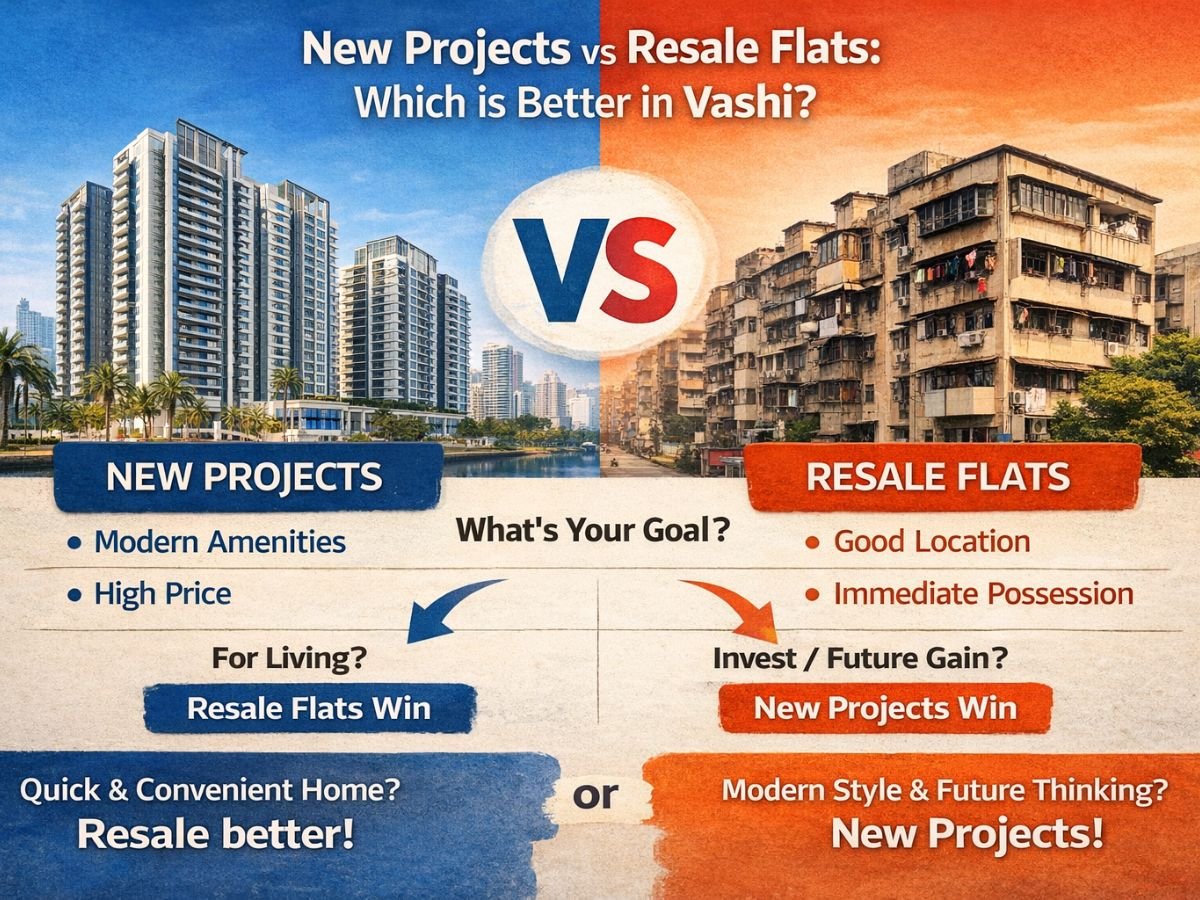
For most practical buyers in Vashi, resale flats are usually the better buy. For premium buyers or low-hassle buyers, selected new projects can still make more sense.
| Factor | Resale Flats in Vashi | New Projects in Vashi |
|---|---|---|
| Daily convenience | Usually stronger | Depends on exact micro-location |
| Flat size and usability | Often better | Often smaller for the same budget |
| Building age | Older | Newer |
| Immediate repair risk | Can be higher | Usually lower at the start |
| Amenities | Usually basic to moderate | Usually better |
| Parking planning | Can be inconsistent | Usually more structured |
| Price premium | Lower entry in many cases | Higher |
| Rental appeal | Strong in practical locations | Stronger only in select premium segments |
| Paperwork risk | Society and title checks matter a lot | Delivery and project-quality checks matter a lot |
| Best for | Families, commuters, value-seekers | Buyers wanting modern product and lower initial hassle |
The quick answer is simple. If your priority is usable space, sector maturity, and station-side practicality, resale usually wins in Vashi. If your priority is a newer building product, image value, and lower immediate upkeep stress, a carefully chosen new project can justify its premium.
Why this decision works differently in Vashi than in newer Navi Mumbai nodes
Vashi is a mature node, and that changes the buying formula. In a newer area, buyers often compare under-construction optimism with future infrastructure hope. In Vashi, the stronger question is this: why should I pay extra for newness when the older stock already sits inside a fully working neighbourhood?
Why resale stock dominates the practical conversation in Vashi
A lot of Vashi’s real housing conversation still revolves around older societies, existing apartment stock, and established sectors. That means the resale market is not some backup option. In many cases, it is the main market. Buyers looking here are often drawn by station access, daily convenience, market familiarity, and the comfort of seeing how the area actually functions.
That matters more than brochures. In a mature node, what you can already see is often more valuable than what is being promised. A flat in an older but functioning pocket may offer better real-life value than a new tower that is visually superior but weaker on everyday ease.
What “new project in Vashi” may actually mean on the ground
This is where many generic articles go wrong. “New project in Vashi” does not always mean a large fresh-supply zone with endless choice. Sometimes it may mean a limited premium tower, redevelopment-led stock, a modern replacement in an old pocket, or inventory that feels linked to nearby micro-market spillover more than a full-scale fresh supply story.
So buyers should not assume that “new in Vashi” automatically means abundant choice, better value, or long-term superiority. In a mature location, new supply can be limited, expensive, and more brand-driven. That is exactly why the comparison has to be practical, not emotional.
Where resale flats in Vashi usually beat new projects
Resale flats in Vashi often win on the things that affect life every single day. Not glamorous things. Not brochure things. Real things.
Better location maturity and station access
This is the biggest edge. Many resale flats sit in more settled pockets with better road familiarity, stronger station access, and a lived-in ecosystem around them. If you are a daily commuter, that is not a small point. That is the point.
Being closer to transport, daily shops, medical needs, schools, banks, and regular city movement can save time every day. Over years, that convenience becomes part of the property’s real value.
Larger layouts and more usable space
Older flats are not always prettier, but many are more generous in actual day-to-day usability. The usable layout can feel less compressed. Bedrooms may be more practical. Living spaces may feel less brochure-optimized and more human.
That matters in Vashi because many buyers compare a larger older flat with a smaller newer one at a higher budget. On paper, the new flat may look premium. In real life, the resale flat may simply work better.
Proven daily ecosystem: markets, schools, offices, transport
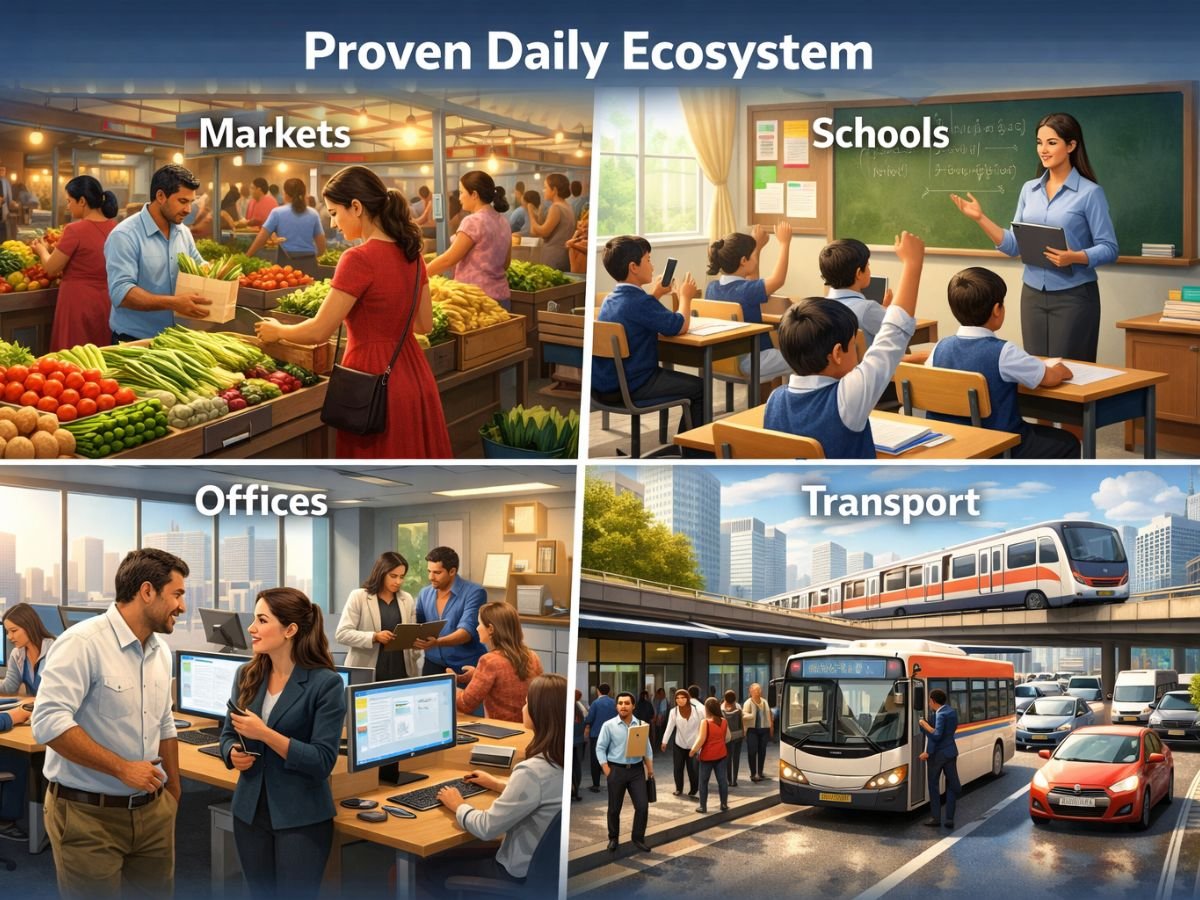
A functioning neighbourhood reduces uncertainty. You are not guessing how the area will evolve. You are buying into a place whose rhythm is already visible.
That is especially useful for families, older parents, and buyers shifting from Mumbai who do not want lifestyle surprises after purchase. In Vashi, the resale market often gives you that clarity immediately.
Potential value if the building is old but the micro-location is strong
Not every old building is a weak asset. In a strong micro-location, older stock can still hold practical appeal because convenience keeps demand alive. But this depends heavily on society health, upkeep, and building condition. Age alone does not make it a bargain. Good location plus weak society can still become a headache.
Where new projects in Vashi can still make more sense
New projects make sense when the buyer is paying for real improvement, not just for a shinier entrance lobby.
Newer structure and lower immediate repair anxiety
A new building usually gives peace of mind in the first few years. Buyers are less likely to face immediate leakage correction, major plumbing replacements, old lift breakdown patterns, or surprise civil repair discussions right after purchase.
That does not mean zero risk. It just means the early ownership phase is often smoother if construction quality is decent.
Amenities, parking planning, lift reliability, security systems
This is where newer stock can genuinely win. Better parking flow, more predictable lift performance, updated fire systems, access control, CCTV, power backup planning, and cleaner common areas matter to many buyers. These are not cosmetic advantages. For some households, they improve daily comfort substantially.
In older Vashi societies, parking can be messy, lift systems may feel dated, and common area planning may reflect an older housing era. A buyer with elderly parents, one car, and low patience for society-level friction may prefer new.
Buyer appeal for premium self-use and image-conscious purchases
Some buyers are not just buying shelter. They are buying a living standard they want to enjoy every day. They want a more current building, a sharper presentation, and less visual fatigue. That is valid. A home is also emotional.
In that case, a new project can make sense, provided the buyer understands that the premium is partly for comfort and psychology, not only for hard investment logic.
Cases where redevelopment-led supply creates a real upgrade
Sometimes a newer product in a mature area is genuinely meaningful because it replaces outdated stock with better planning and a more current living experience. But buyers should stay careful here. Redevelopment-led appeal is not the same as automatic investment magic. The project still has to stand on its own quality, paperwork, delivery, and livability.
The real money question: are you paying for a better home or just a newer brochure?
This is where smart buying happens. Not at the site office. Not on the brochure. Here.
Price per square foot vs carpet usefulness
Many buyers get trapped by headline rate comparisons. That is a mistake. In Vashi, a smaller new flat may have a higher per square foot rate and still feel tighter in daily use. A resale flat may look older, but if the carpet planning is more usable, it can give better value for actual living.
So do not compare only ticket size or rate. Compare how the flat feels in motion. Can the dining fit naturally? Is the kitchen workable? Are the bedrooms comfortable after furniture? That is real value.
Maintenance, repairs, sinking fund, and society condition
A new project may reduce early repair stress, but it may also come with higher monthly charges depending on amenities and building design. A resale flat may cost less upfront but demand civil work, plumbing updates, waterproofing, window replacement, or society contributions later.
So the question is not “which one is cheaper?” The better question is “what will this home cost me over the next five years?”
Hidden cost differences between old and new stock
Here is the comparison that buyers should actually make before deciding:
| Cost Area | Resale Flat | New Project |
|---|---|---|
| Purchase premium | Usually lower | Usually higher |
| Renovation possibility | Often higher | Usually lower initially |
| Society transfer and document effort | Important | Also important, but different focus |
| Immediate repairs | Possible | Usually limited early on |
| Monthly maintenance | Can be lower or moderate | Can be higher in amenity-heavy projects |
| Parking certainty | Must be verified carefully | Usually clearer, but still verify |
| Layout efficiency | Often stronger | Can be weaker despite premium |
A realistic example: a buyer may compare an older, larger flat in a stronger everyday pocket with a smaller, newer apartment at a noticeably higher price. If the older flat needs moderate renovation but delivers better walkability and more usable area, it may still be the smarter buy for self-use. But if the buyer wants low initial hassle and values modern systems more than extra square feet, the new option may still be right.
For self-use in Vashi, who should choose resale and who should choose new?
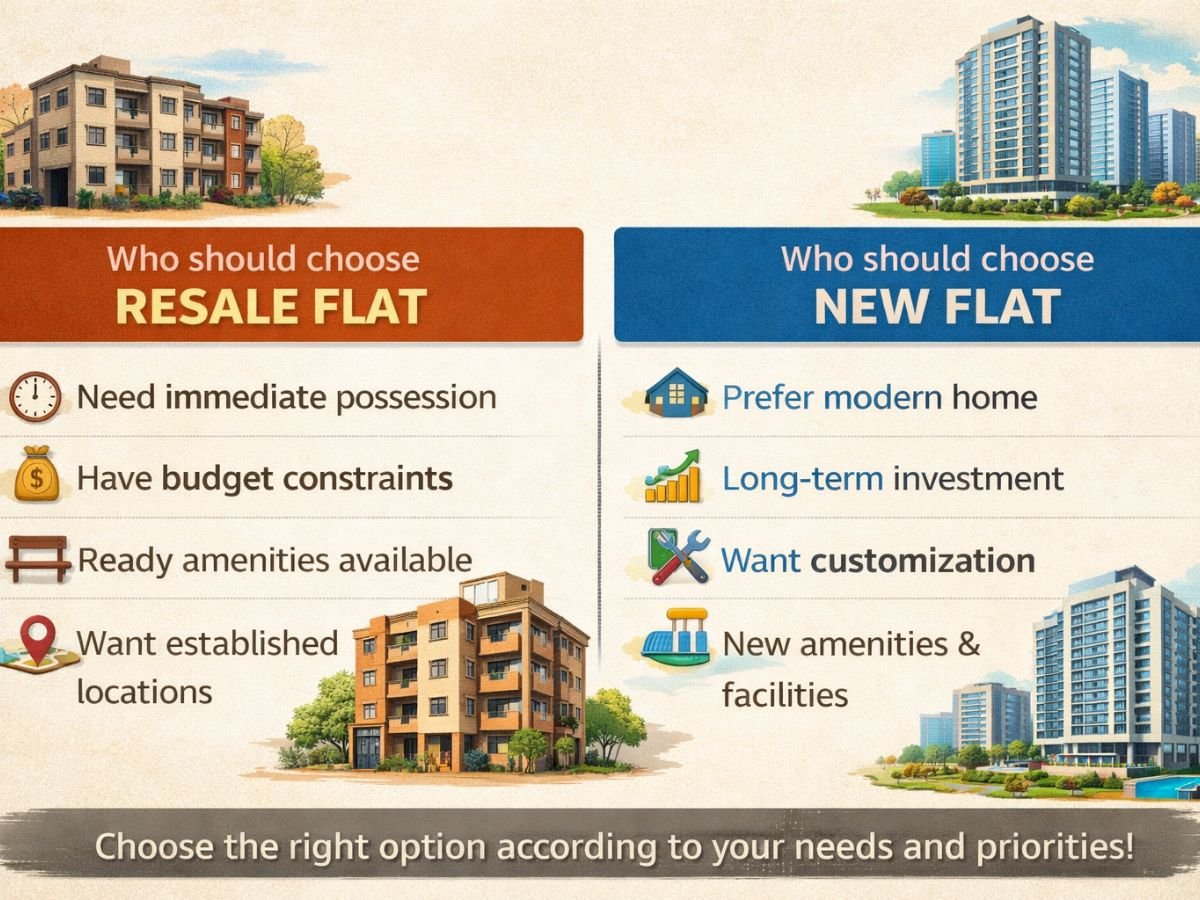
For self-use, the best choice depends less on theory and more on how you actually live.
Family buyers
Families often do well with resale flats when location maturity matters more than clubhouse appeal. Being closer to schools, daily shopping, transport, and routine services usually beats having newer amenities that are used only occasionally.
Senior citizens
Senior-friendly buying is not automatically resale or new. It depends on lift reliability, access ease, flat entry design, distance to daily needs, and building upkeep. A very old building with patchy maintenance can be difficult. But a well-kept older society in a walkable pocket can still be better than a newer building that feels less convenient outside the gate.
Daily commuters
Commuters usually benefit more from practical resale options in Vashi if they cut daily travel friction. Time saved every weekday has real lifestyle value. It also improves rental resilience later.
Buyers who want low-hassle ownership
This is the buyer profile where new projects can clearly win. If you do not want renovation coordination, society repair discussions, older plumbing anxiety, or uncertain common-area upkeep, paying more for a newer building can be sensible.
For rental income or future resale, which side is stronger in Vashi?
For mainstream rental demand in Vashi, practical location often matters more than building age. Tenants usually care about commute ease, neighbourhood convenience, and ready livability first.
A well-located resale flat can therefore remain attractive in the rental market, especially if it is maintained properly and priced sensibly. A new project can attract a more premium tenant profile, but that depends on exact positioning, unit size, and whether the rent achieved truly justifies the higher purchase price.
For future resale, neither side automatically wins. Older stock may enjoy better liquidity if it sits in a very practical pocket and the society is healthy. New stock may command stronger appeal if it remains differentiated, well-maintained, and not merely overpriced at launch. In Vashi, resale liquidity is often connected to liveability strength, not only age.
Old building does not always mean bad deal: what to verify before buying resale in Vashi
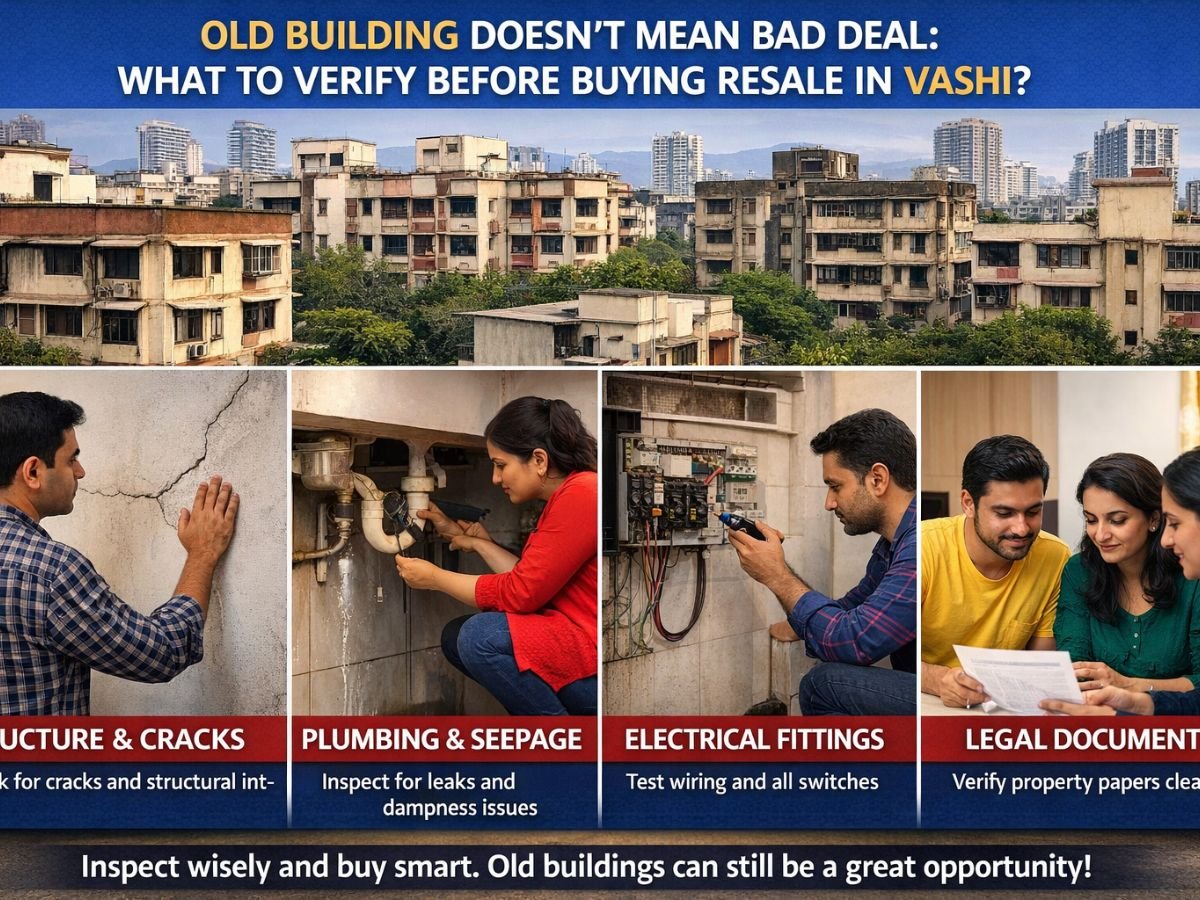
A good resale purchase is possible in Vashi, but only if you verify the right things.
Check the society’s overall health properly. Look for leakage history, lift condition, plumbing age, terrace and external repair pattern, and how common areas are maintained. A strong flat inside a weak building is not a strong purchase.
Also verify conveyance status where relevant, share certificate trail, society records, outstanding dues, parking rights, and whether past repairs were handled responsibly. Do not rely on verbal comfort.
Be extra careful with redevelopment talk. Buyers often get emotionally pulled by future upside stories. Most of those stories are early, vague, or uncertain. Do not pay today’s price based on tomorrow’s rumour.
New project does not always mean safer deal: what to verify before paying the premium
Newness creates confidence. Sometimes too much confidence.
First, verify project registration and current status properly if the project is under construction or recently launched. Do not assume delivery quality because the sample presentation looked polished. Check what is being promised, what is actually included, and what stage the project has genuinely reached.
Second, inspect carpet efficiency, not just brochure design. A beautiful lobby cannot fix a cramped layout. Third, review fit-out quality, finishing consistency, long-term maintenance expectations, and whether the project’s premium feels supported by the actual product.
Use this practical checklist before paying a new-project premium:
- Check registration, approvals, and stage clarity properly
- Compare carpet area with actual usability
- Understand possession timing and handover condition
- Review parking allocation and common-area planning
- Ask how maintenance may feel after the first few years
- Do not confuse fresh paint with long-term quality
A realistic Vashi buying framework: choose based on your actual goal, not the age of the building
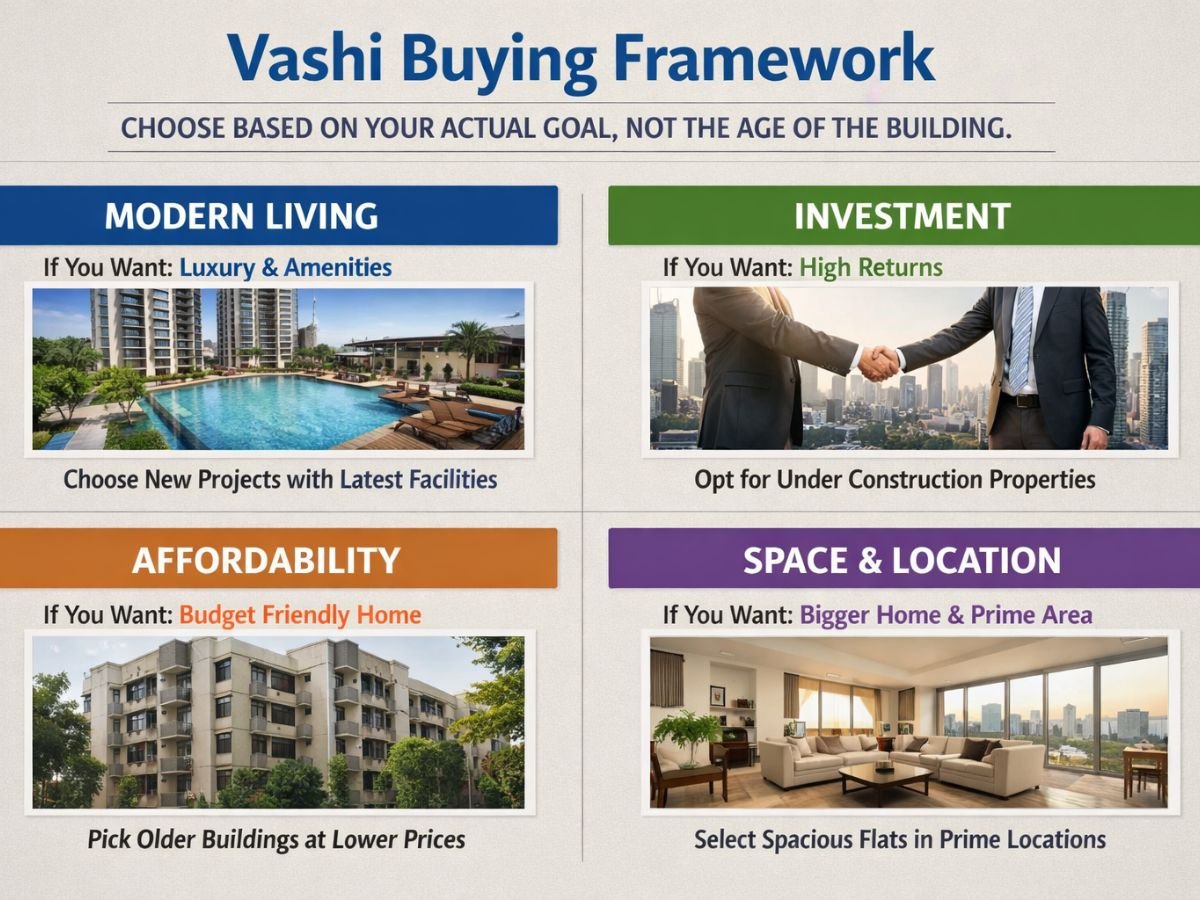
This is the cleanest way to make the decision.
Choose resale if...
Choose resale if your priority is location maturity, larger usable space, better station-side practicality, faster everyday convenience, and better value within a fixed budget. It is usually the stronger path for families, commuters, and buyers who care more about living well than showing off a new tower.
Choose new if...
Choose new if you want lower early repair anxiety, better systems, a more current living product, more predictable parking and security planning, and a premium self-use experience. It suits buyers who can afford the premium and truly value low-hassle ownership.
Conclusion
For most buyers in Vashi, resale flats remain the more sensible choice because Vashi rewards established convenience. A bigger, well-located, properly verified resale flat often beats a smaller, more expensive new apartment when the goal is real daily livability. But that is not the whole story.
A new project becomes worth it when the buyer genuinely wants a newer structure, better systems, lower immediate upkeep risk, and a more modern living product, and is willing to pay for that without pretending it is always the better bargain.
So do not ask only, “Which is newer?” Ask the better question. “Which home will still feel right after the excitement of purchase is gone?” In Vashi, that answer is usually hidden in location quality, usable space, society health, and your own lifestyle, not just in the age of the building.
FAQs
Frequently Asked Questions