Blogs

Everything about Navi Mumbai

EXCLUSIVE: First Look Inside Navi Mumbai Airport Before 30 Sept Opening

Published 19 Sep 2025, 7:09 PM IST NAVI MUMBAI – Exclusive new photographs obtained by ilovenavimumbai.com on Friday offer the first public glimpse inside the nearly-completed DB Patil International Airport (NMIA), showcasing a state-of-the-art terminal in its final stages of readiness ahead of a planned September 30 unveiling. Key Points First Look: Exclusive photos confirm the airport’s stunning interior, including security and baggage claim areas, is nearly complete. Opening on Track: The advanced progress shown in the images supports the official target for a ceremonial opening on September 30, 2025. Official Name: The airport will operate under the official name DB Patil International Airport. Initial Capacity: Phase 1 operations will begin with a capacity to handle 20 million passengers and approximately 500,000 metric tonnes of cargo annually. Impact on Navi Mumbai These images mark a significant moment for Navi Mumbaikars, turning the long-awaited airport from an abstract concept into a tangible reality. The visual proof of the airport’s readiness is expected to boost local confidence and accelerate business and real estate decisions in the surrounding nodes of Ulwe, Panvel, and Dronagiri. The Full Story After years of viewing computer-generated renders, these exclusive photographs showcase the architectural reality of Navi Mumbai’s new global gateway. From the outside, the terminal building shows significant progress, with the main structure and glass facade complete as workers put the finishing touches on the landside access areas.| Inside, the images reveal that the airport is rapidly transitioning from a construction site to a functional passenger terminal. The flowing, lotus-inspired design by Zaha Hadid Architects is now clearly visible, with intricate ceiling panels and lighting systems already installed and operational. Key passenger infrastructure is now in place. The security screening area, a critical checkpoint for travelers, is equipped with metal detectors and baggage scanning conveyors. In the arrivals hall, the baggage claim carousels are fully installed and surrounded by digital display screens, awaiting final system checks. Perhaps the most telling sign of the airport’s readiness is the illuminated signage in the arrivals area, which warmly declares “Welcome to Navi Mumbai” in Marathi, Hindi, and English. This milestone signals that the airport is preparing to become the new gateway to our city. The progress shown aligns with official statements targeting the end of the month for an inauguration. Commercial flight schedules from airlines like IndiGo and Akasa Air are expected to be announced shortly after, with a phased ramp-up of services through October 2025. Why NMIA is a Game-Changer for the Mumbai Region The need for the Navi Mumbai airport stems from a decades-long problem: the city’s existing Chhatrapati Shivaji Maharaj International Airport (CSMIA) is a landlocked, single-runway airport operating at maximum capacity. This has created a bottleneck for Mumbai’s growth. After years of planning, the DB Patil International Airport was built to solve this. It provides much-needed relief and future-proofs the region’s aviation needs, starting with a Phase 1 capacity to handle 20 million passengers and approximately 500,000 metric tonnes of cargo annually.

Read More
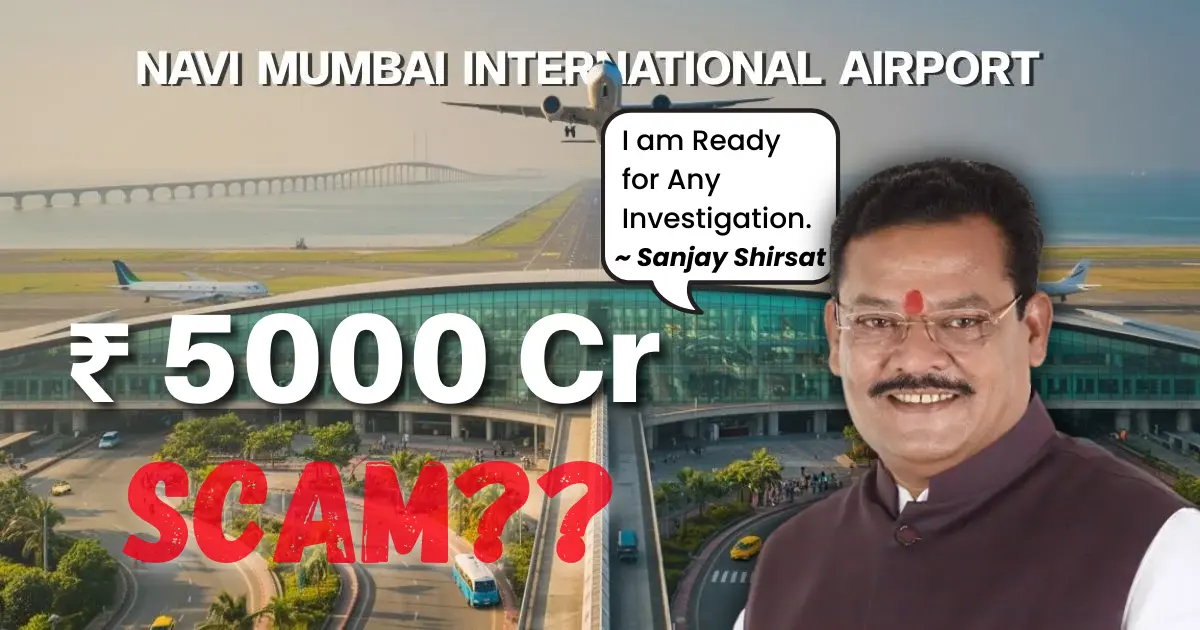
Navi Mumbai Airport Project Secret : Did Minister Sanjay Shirsat Do ₹5,000 Cr Scam?

Published 12 Sep 2025, 9:22 PM IST Minister Sanjay Shirsat accused of giving away land reserved for the poor; opposition demands major investigation. The dream of Navi Mumbai’s new international airport is being overshadowed by a massive controversy. A huge land scam worth an unbelievable ₹5,000 crores has come to light, with a powerful state minister at the center of the storm. This news has shocked the city and raised serious questions about honesty in high places. Key Points Big Land Scam:  Fight over a piece of land worth ₹5,000 crores. Minister in Question: A minister, Sanjay Shirsat, is being blamed for giving this land to a private family when he was the boss at CIDCO. Land for Poor Given Away: The land, which was meant for affordable housing, was given to the Bivalkar family. Old Decisions Ignored: This was done even though CIDCO had said ‘No’ to the same family many times in the past. What it means for Navi Mumbai This land was a ray of hope for thousands of poor families. It was a promise that one day, they could also have their own small home in this city. Now, that hope has been snatched away. When we hear that this land, our land, was quietly given to a rich private family, it feels like a betrayal. This news makes us feel cheated. If the very people in power, who are supposed to help the poor, are involved in such things, then who can we trust? This is not just about one piece of land; it’s about breaking the trust of every hardworking person in Navi Mumbai who dreams of a better life. Big projects like the airport are meant to bring progress for everyone, but scandals like this make people worry that these projects will only make a few rich people even richer. The Full Truth The person who brought this issue to light is another leader, Rohit Pawar of the NCP (SP) party. He claims that when Sanjay Shirsat was the chairman (boss) of CIDCO, he used his power to give the ₹5,000 crore land to the Bivalkar family. Mr. Pawar says the shocking part is that the Bivalkar family’s request for this land was rejected by CIDCO many times before – in 1994, 1995, 2010, and even as recently as 2023. The government itself was fighting the family in court. The big question is: why was a 30-year-old ‘No’ suddenly turned into a ‘Yes’? Now, many other leaders are demanding a full investigation. The issue has become a major political battle, with parties like Shiv Sena (UBT) demanding a probe by a central agency like the ED, which investigates money crimes. Minister Shirsat has called the accusations a political game to ruin his name, stating the decision was made properly by the CIDCO board. But the pressure is mounting, and the people of Navi Mumbai are watching closely, waiting for the truth in this massive controversy.

Read More

Koli Community vs MPCB Navi Mumbai’s Creek Pollution Battle Reaches Court

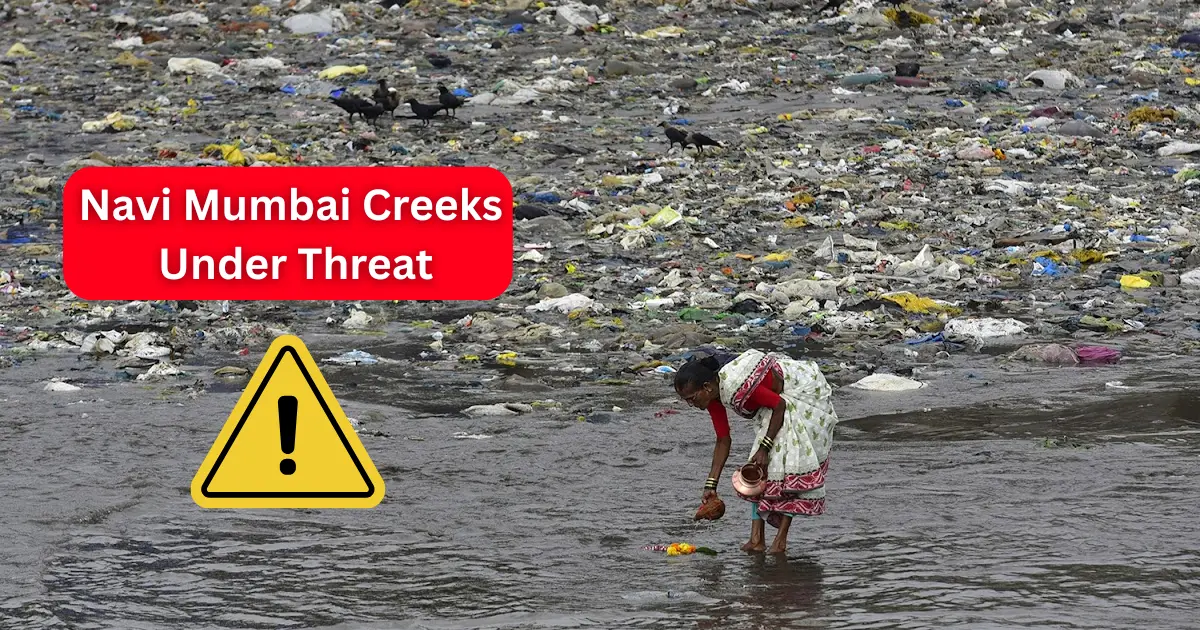
Published 12 Sep 2025, 2:14 PM IST Key Points What: Navi Mumbai’s traditional Koli fishing community is preparing a Public Interest Litigation (PIL) in the Bombay High Court, alleging the Maharashtra Pollution Control Board (MPCB) has failed to act against industries releasing toxic waste into creeks. Evidence: Fishermen report “jet black” water in Diwale creek, a steep fall in fish populations, and their own lab tests contradicting MPCB findings. The Panvel Municipal Corporation (PMC) also confirmed receiving complaints and said its tests found the water highly acidic. Accusation: The community and environmentalists blame chemical, dye, and pharmaceutical units in Taloja MIDC and nearby areas for destroying marine life. They accuse the MPCB of negligence or collusion, pointing to a March 2025 MPCB report that claimed pollution levels were “within permissible limits.” What it means for Navi Mumbai The case pits a small fishing community against powerful industries and the state regulator. It raises questions about Navi Mumbai’s future, where rapid industrial growth is erasing the centuries-old life of its original residents. For the Kolis, creek pollution is not just an environmental issue but a cultural and economic disaster, wiping out their main livelihood. The fight has now turned into a “battle of lab reports.” The MPCB claims industries are compliant, while fishermen, backed by the PMC, present scientific evidence of severe contamination. What began as complaints has become a direct clash over data, exposing failures in environmental governance. With regulators unwilling or unable to act, citizens are left with no option but the courts. Conclusion For years, Navi Mumbai’s Koli community has seen its creeks, once the heart of its fishing economy, become toxic drains. After endless complaints brought no results, they are now moving to the Bombay High Court with evidence in hand. Fishermen describe Diwale creek’s water as “jet black” and say fish stocks have collapsed, destroying their income. To prove it, the community raised funds to commission independent lab tests, which confirmed dangerous levels of industrial pollution. Their case gained further support when the PMC admitted its own water tests showed high acidity. This directly contradicts the MPCB’s March 2025 report that declared pollution “within permissible limits.” The Kolis argue that the MPCB, instead of protecting the environment, is shielding polluting units in Taloja MIDC. At the core of the lawsuit is this clash between official and independent data. The community believes the MPCB’s inaction amounts to negligence or deliberate cover-up. With livelihoods at stake and no trust in regulators, they see the High Court as their final chance to hold polluters accountable and save Navi Mumbai’s dying creeks.

Read More

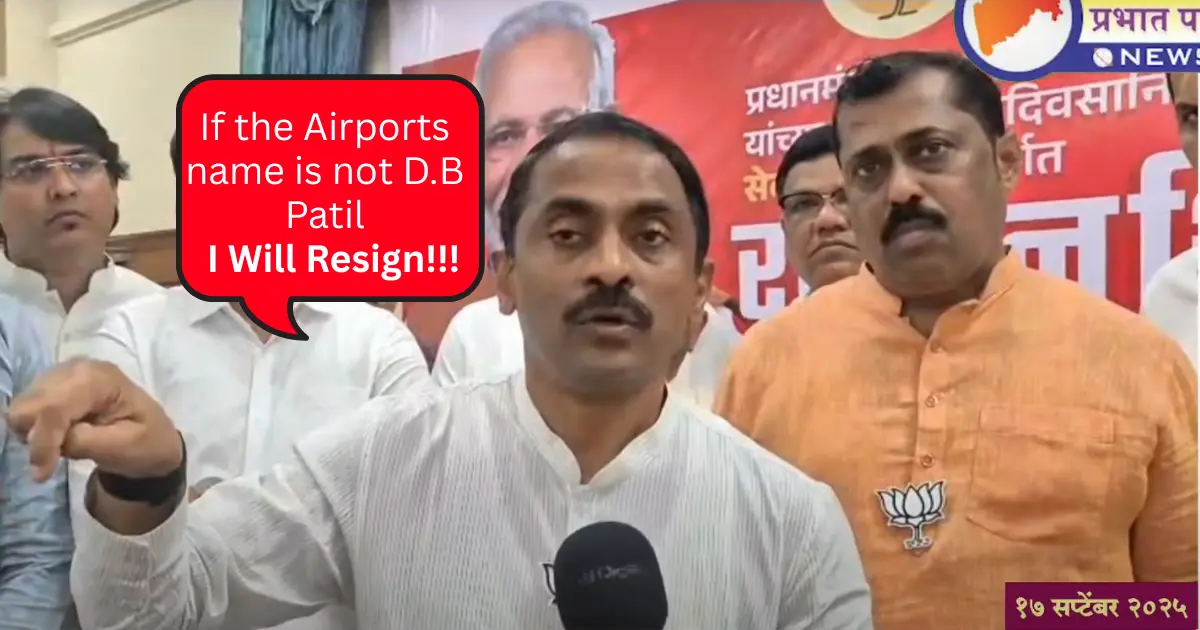
“I’ll Resign if Navi Mumbai Airport Isn’t Named After D.B. Patil”: Panvel MLA Prashant Thakur

Published 18 Sep 2025, 6:22 PM IST Key Points Resignation Threat: MLA Prashant Thakur has clearly stated he will resign from his post if the airport is given any name other than Loknete D.B. Patil. Pressure on Centre: He emphasized that the state government and legislature have already passed the resolution and the final decision now lies with the central government. Criticism of Opposition: Thakur accused political opponents of hypocrisy, stating they are only now supporting the D.B. Patil name for electoral gain, having previously advocated for other names. Inauguration Deadline: The demand is for the central government to officially approve the name before the airport’s scheduled inauguration on September 30th. What it means for Navi Mumbai This ultimatum dramatically raises the political stakes, transforming the naming controversy into a potential crisis for the ruling party in the region. It places significant pressure on the BJP’s central leadership to honour the sentiments of the local populace and the resolution passed by its state unit. Thakur’s firm stance could galvanize the project-affected persons (PAPs) and the Agri-Koli community, strengthening their resolve and potentially leading to larger protests if the demand is not met. The statement solidifies the issue as a defining political matter for the region, where loyalty to D.B. Patil’s legacy is seen as a crucial test for any elected representative. Conclusion Resignation Threat: Begin by detailing the core of the news – Prashant Thakur’s direct statement about resigning. Quote or accurately paraphrase his words from the start of the video. Mention that this confirms the information you were referring to earlier. The Justification: Explain his reasoning. The state government has completed all necessary procedures. He cites confirmations from Union Minister Muralidhar Mohol and Dy CM Devendra Fadnavis to show the ball is now in the Centre’s court. Political Context: Detail his criticism of other parties. Explain his point that their current support for D.B. Patil’s name is “opportunistic,” contrasting it with their previous stance and the absence of their senior leaders from earlier protests. Government Actions: Briefly contrast the actions of the current Mahayuti government (which passed the resolution in its first meeting) with the previous MVA government’s alleged reluctance. The Path Forward: Conclude by reiterating the call for the central government to formalize the name before the September 30th inauguration, making it clear that this is the immediate demand of the movement.

Read More

Bought Property in Navi Mumbai? Don’t Delay the Property Transfer or Face Penalties

Published 17 Sep 2025, 7:30 PM IST Key Points New property owners in Navi Mumbai must transfer ownership in NMMC property tax records within 3 months. This process is called mutation of property. Transfer Fee: 0.20% of property value (or Ready Reckoner rate, whichever is higher). Inheritance/Family Transfers: Only ₹500 or the stamp duty amount. Penalty for Delay: From Oct 1, 2025, late fee = RBI lending rate + 3% per year. Delay can mean extra costs, wrong tax bills, and ownership disputes. Why It Matters Failing to report the change promptly can lead to several issues: You might not receive property tax bills correctly in your name, which can cause confusion or missed obligations. The title records remain outdated, which can interfere with future transactions, clear title claims, or legal proofs. The municipal corporation (NMMC) uses these records for assessment of property tax and planning; delays can distort tax records and rates. What Impact Does This Have on Navi Mumbai? The strict enforcement of property transfer timelines and fees has two key impacts on the city: Improved Revenue Collection: By ensuring timely updates, NMMC secures accurate property tax billing, boosting municipal funds for infrastructure and public services. Greater Transparency: Updated records reduce disputes, encourage legal compliance, and build trust in Navi Mumbai’s property market. Urban Planning Efficiency: With precise property ownership data, NMMC can plan civic amenities and infrastructure more effectively for the city’s growing population. Process To Transfer Property Here are the steps generally involved in transferring or mutating a property in Navi Mumbai under NMMC: Register the sale deed (or other transfer document) with the relevant registration / stamps department. Prepare documents for mutation (ownership deeds, proof of identity, past tax receipts, etc.). Submit the application for mutation to NMMC, along with the applicable fee. After verification, NMMC updates its property tax records to show your name as the owner. Current Fee and Penalty Structure Recent policy changes (Aug 2025) under NMMC clarify how much you need to pay if you transfer property, and what happens if you delay: Fee: For general transfers, the fee (or “transfer duty”) is 0.20% of either the consideration stated in the registered deed or the Ready Reckoner rate (whichever is higher). For inheritance / family gift / transfers with no monetary consideration: Fee is the lower of the stamp duty fixed by the Registration & Stamps Department or ₹ 500. Time-limit: Under the Maharashtra Municipal Corporation Act, you must notify the NMMC of the general property transfer within three months. For inheritance transfers, the allowed period is one year. Penalty / Late fee: If you exceed the deadline, a late fee will be levied on the payable transfer fee amount. The calculation for the late fee is based on the Reserve Bank of India’s lending rate plus 3% per annum. This will apply from October 1, 2025, under the revised NMMC policy.

Read More

Maharashtra Cabinet Clears 4 Hectares in Panvel’s Asudgaon for Intelligence Bureau Housing

Published 17 Sep 2025, 2:05 PM IST Key Points Maharashtra Cabinet (Sept 9, 2025) approved the allotment of ~4 hectares (≈10 acres) of government grazing land in Mauje Asudgaon, Panvel. The land will be used for constructing modern residential quarters for the Subsidiary Intelligence Bureau (SIB). The parcel (Survey No. 59/8, ~37,230 sq. m) matches earlier Raigad district records linked to New Mumbai/NAINA acquisition proposals. The land has been granted as Occupant Class-II at 50% of the Ready Reckoner (non-cultivated) rate, as per Revenue Department rules. Reports cite provisions of the Maharashtra Land Revenue Code (Sections 22A, 40) that regulate disposal of “gairan” (grazing) land. No public consultation notices or documented objections specific to this allotment were found in the press or official portals. Why Asudgaon, Panvel? Asudgaon sits in a rapidly developing corridor of Navi Mumbai — near the upcoming Navi Mumbai International Airport (NMIA), the JNPT road corridor, Sion–Panvel Expressway, and key logistic hubs. Its proximity to sensitive installations and infrastructure makes it a strategic location for central agencies like the IB. How Much Land Was Allocated? The cabinet cleared ~4 hectares (≈10 acres), which equals 37,230 sq. m. Raigad district revenue records confirm Survey No. 59/8 at Asudgaon with that same measurement, previously appearing in land acquisition proposals for CIDCO’s New Mumbai project. The Legal Basis According to news reports, the state used provisions under the Maharashtra Land Revenue Code: Section 22A restricts diversion of grazing land. Section 40 gives the State powers to dispose of government land. The allotment has been made under Occupant Class-II terms, with conditions on use and resale, at 50% of the Ready Reckoner rate for non-cultivated land. Impact on Navi Mumbai 1. Strategic & Security Angle Locating SIB housing near NMIA, expressways, and the JNPT corridor may reflect a push to strengthen intelligence presence in a high-value growth node. It signals increased federal interest in Navi Mumbai’s urban belt beyond just commercial and residential projects. 2. Land Use & Civic Priorities The land was earlier listed in Raigad’s records under broader acquisition for New Mumbai/NAINA. Whether it was earmarked for civic amenities (parks, hospitals, affordable housing) in the latest Panvel Development Plan isn’t yet clear. This raises broader questions Navi Mumbaikars often ask: should government land in fast-growing nodes go to security agencies, public amenities, or commercial development? 3. Transparency & Consultation No public notices or consultation records specific to this decision have appeared in mainstream press or government sites. In past cases, Navi Mumbai residents have raised objections when CIDCO auctioned or re-reserved land originally marked for public facilities. While such disputes are documented, no direct protest tied to this IB allotment has surfaced publicly. What Still Needs Clarity Reservation status: Was Survey No. 59/8 earmarked in the latest Panvel DP for any specific civic amenity before the allotment? Process transparency: Were any local bodies or gram panchayats consulted before diverting this gairan land? Long-term precedent: Will other grazing/public-use parcels in Navi Mumbai’s growth nodes also be allotted to central/state agencies? Bottom Line The cabinet’s September 9 decision to grant ~4 hectares in Panvel’s Asudgaon for SIB housing is verified through multiple reports and revenue records. The location is strategically important, the legal process has precedent, and the concessional pricing (50% Ready Reckoner rate) follows established rules. For Navi Mumbaikars, the development highlights the city’s growing geostrategic importance, while also reviving the recurring debate over how scarce public land in fast-growing nodes should be balanced between security needs, housing, and civic amenities. Sources Cabinet decision, land size (4 hectares / ~10 acres), Occupant Class-II status, 50% Ready Reckoner rate, purpose (residential quarters for SIB officers)The Times of India Cabinet release reporting, legal references (Maharashtra Land Revenue Code provisions), confirmation of Panvel locationThe Indian Express Additional cabinet briefing summary, confirmation of 4 hectares in Panvel for SIB quartersFree Press Journal Survey No. 59/8 (37,230 sq. m ≈ 3.723 ha) Asudgaon entry in Raigad revenue records; earlier land acquisition proposal for New Mumbai projectRaigad District Government (official notice) Legal framework: Maharashtra Land Revenue Code, Sections 22A & 40 (rules on grazing land diversion and state disposal powers)India Code

Read More

Panvel’s ₹140-Crore Water Bet: Overflow Project Targets Relief, but Climate and Autonomy Questions Loom

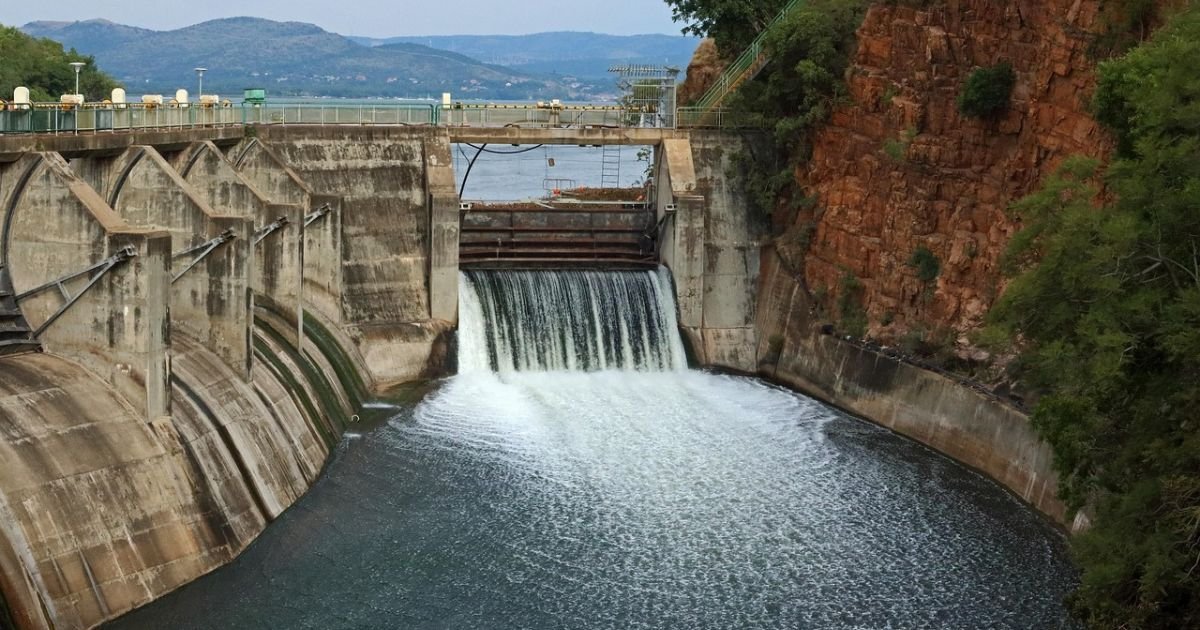
Published 16 Sep 2025, 1:00 PM IST Key Points What: The Panvel Municipal Corporation (PMC) has cleared and sent a ₹140-crore proposal to the State Directorate of Urban Development to capture, treat, and distribute surplus monsoon water from the Dehrang Dam. The idea is simple but significant, stopping wasting the dam’s overflow during rains and instead use it to ease water shortages in Panvel and surrounding nodes. How: As per the proposal, the plan includes building a jackwell to collect overflow, laying a 10-kilometer pipeline, and setting up a new water treatment plant with an estimated capacity of 40–50 million liters per day (MLD). PMC officials believe this could save huge volumes of water that usually spill away during monsoon. However, these are still projections on paper, no independent verification has been done yet. Where: If the project goes through, the treated water will first serve Panvel city and later reach CIDCO-developed nodes like Kalamboli, Kamothe, and New Panvel. These areas currently depend on CIDCO for supply, and while PMC has announced its plan to step in, CIDCO hasn’t yet confirmed its part in the distribution. Timeline: PMC hopes to float tenders by the end of 2025 and complete the work by mid-2028. These are the timelines on the proposal, but final clearance and tendering delays could easily stretch the schedule. What it means for Navi Mumbai For residents tired of irregular supply and high tanker bills, this proposal brings hope. But the story is not just about pipelines and treatment plants, it’s also about power and control. By trying to source and distribute water in areas historically handled by CIDCO, PMC is stepping into a role usually reserved for the state’s planning body. If the plan succeeds, it could mark the beginning of a shift where local, elected governance starts taking over services, from roads to gardens, that were once in CIDCO’s hands. PMC Commissioner Mangesh Chitale has called it a “visionary step toward making Panvel a water-sufficient city.” It’s an attempt to fix the paradox of a region that faces water cuts even as millions of liters from Dehrang spill away each monsoon. For households in Panvel, Kalamboli, Kamothe, and New Panvel, it could mean fewer tanker calls and a more reliable tap supply. But the proposal also carries risk. The entire project is tied to one source: the Dehrang Dam’s overflow. With climate change already making monsoons unpredictable, depending on consistent rainfall could be a gamble. Experts note that in weak monsoon years, the dam levels drop sharply in summer, raising doubts about whether this project can truly secure water year-round. Source Indian Express – “PMC sends ₹140 crore proposal to state government to use Dehrang dam overflow for water supply” Hindustan Times – “Panvel: PMC sends ₹140 crore proposal for Dehrang dam overflow project” Mid-Day – “Panvel water project: PMC eyes Dehrang dam overflow to tackle supply woes” Free Press Journal – “Panvel: PMC proposes ₹140 crore project to tap Dehrang dam overflow water” Times of India – “Panvel to tap Dehrang dam overflow to ease water crisis”

Read More

Massive Rally Demands D.B. Patil’s Name for Navi Mumbai Airport, Inauguration Threatened

Published 15 Sep 2025, 6:38 PM IST Key Points What: A large car and bike rally demanding that the upcoming Navi Mumbai International Airport (NMIA) be named after late farmer leader D.B. Patil was held on Sunday. Organisers claimed participation of around 2,000–2,500 vehicles and estimated about 12,000 people joined. Police have not yet issued an official count. Where/When: The rally started in Bhiwandi (Thane district) and proceeded towards Jasai village near the airport site in Navi Mumbai. It drew support from several districts in the Mumbai Metropolitan Region (MMR), including Thane, Raigad, Palghar, and Nashik. Who: The protest was led by NCP (Sharad Pawar faction) MP Suresh Mhatre, along with leaders of the Loknete D.B. Patil International Airport All Party Action Committee. Participants included Project Affected Persons (PAPs) and members of the Agri-Koli community whose land was acquired for Navi Mumbai’s development. Mhatre warned that the airport inauguration “will not be allowed” unless the naming demand is accepted. Impact on Navi Mumbai The dispute over the airport’s name has become a flashpoint for regional identity and politics. With construction reportedly 94% complete and the Maharashtra government preparing for an inauguration later this month, the demand has escalated into a high-stakes confrontation. For the Agri-Koli community and PAPs, naming the airport after D.B. Patil is seen as recognition of his role in fighting for farmers’ rights during the land acquisition phase. Community leaders argue the issue is about more than just a name, it is about respect and representation for those whose lands built Navi Mumbai. The rally slogan, “No name, no flight,” echoed this sentiment. The Maharashtra Assembly has already passed resolutions recommending the name of D.B. Patil. However, final approval rests with the Union Civil Aviation Ministry, which has yet to announce a decision. This delay has fuelled frustration among PAPs, who allege they are being ignored in major infrastructure decisions, pointing also to earlier naming controversies such as the Atal Setu bridge. Political Dynamics The rally has also become a political wedge issue. Opposition leaders, including members of the NCP (SP) and Shiv Sena (UBT), have criticised the Centre for not acting on the state’s resolution. While the ruling Mahayuti government has officially recommended D.B. Patil’s name, local BJP leaders such as MLA Prashant Thakur are under pressure to explain the Centre’s silence to an increasingly impatient vote bank. Political observers note that the agitation reflects a deeper sense of disenfranchisement among PAPs, who feel excluded from decisions on projects developed on their ancestral lands. The ultimatum issued at the rally, if carried out, could complicate the inauguration of a nationally significant infrastructure project. Sources Massive car rally demands Navi Mumbai International Airport be named after D. B. Patil – Times of India, 14 Sept 2025 Over 2,000 Cars To Rally From Bhiwandi To Jasai Demanding D.B. Patil’s Name For Navi Mumbai Airport – Free Press Journal, 14 Sept 2025 CM Fadnavis sets ‘ambitious’ September-30 target for Navi Mumbai Airport inauguration, with construction over 94% complete – Hindustan Times, 13 July 2025 First passenger flight from Navi Mumbai International Airport set to take off in September: Devendra Fadnavis – The Economic Times, 12 July 2025

Read More

Why Did Navi Mumbai’s “Planned” Roads Crumble Again in Monsoon?

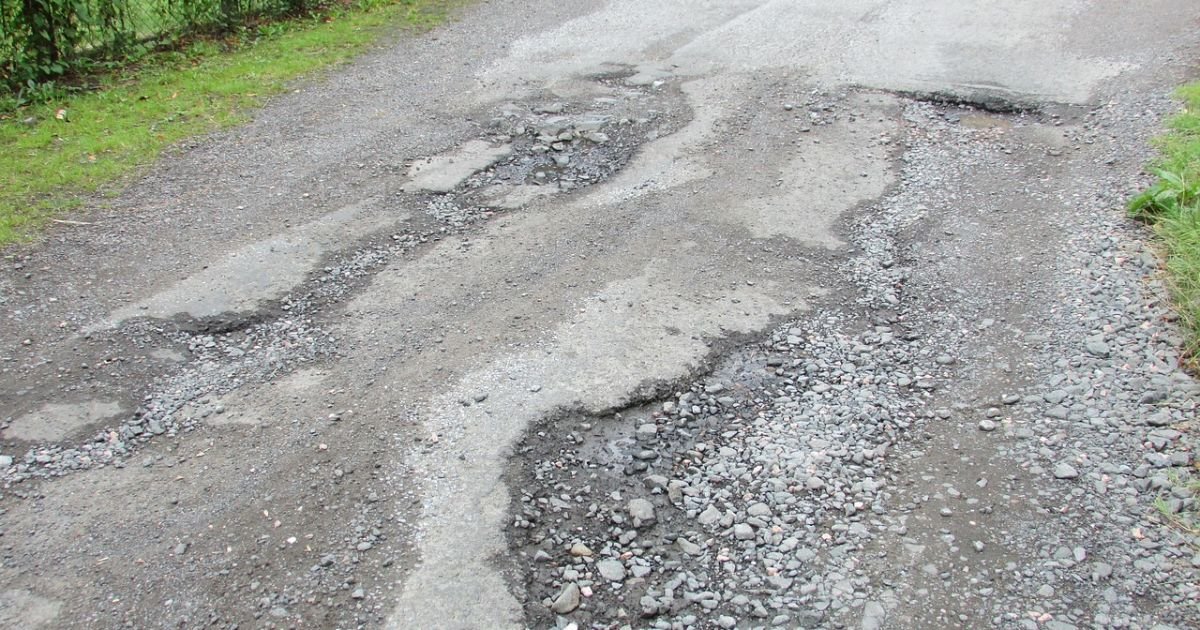
Published 14 Sep 2025, 2:03 PM IST The monsoon has passed, but its scars remain etched across Navi Mumbai’s roads. For a city that proudly wears the tag of a “planned urban hub,” the sight is all too familiar, freshly repaired stretches turning into craters within weeks of the first showers. Despite crores spent on pre-monsoon works, the annual cycle of potholes has returned, this time with citizens arming themselves with geotagged proof and demanding real accountability. Key Points Citizen Evidence Submitted: Navi Mumbai resident groups have formally submitted photos and videos to the NMMC Commissioner, showing how road repairs carried out just before the rains disintegrated almost instantly. Systemic Failures Identified: Experts and activists highlight a predictable cycle, substandard bitumen, improper trench restoration by utility contractors, and poor drainage that causes waterlogging and weakens the road base. Questioning the Cost: Despite the NMMC’s significant yearly spend on road works, the same problem repeats. Citizens are raising tough questions on tender processes, contractor accountability, and the lack of strict quality checks. Jurisdictional Blame Game: In developing nodes, especially Ulwe and Dronagiri, confusion over whether CIDCO or NMMC is responsible continues to delay maintenance, leaving residents caught in the middle. Impact on Navi Mumbai The collapse of road infrastructure is more than just a nuisance, it directly affects safety, the economy, and public trust. Residents describe post-monsoon driving as an obstacle course, with two-wheeler riders particularly vulnerable. Travel times have risen sharply, and damage to suspensions and tires is now routine. The so-called “pothole tax” forces citizens to shell out thousands on vehicle repairs. At the same time, poor roads dent Navi Mumbai’s image as a modern, business-friendly city. For a city that prides itself on being well-planned, the repeated collapse of basic road infrastructure exposes glaring lapses. Each year of inaction erodes trust in civic authorities and their ability to hold contractors responsible. Anatomy of a Crumbling Road This year, frustration has shifted into evidence-based action. Here’s what citizens and experts have found. 1. The “Disappearing” Pre-Monsoon Repairs The Navi Mumbai Active Citizens Forum documented how asphalt patches laid in May 2025 vanished by July’s first showers. Videos show thin asphalt layers rolled onto dusty, moist surfaces without proper bonding, violating standard road-laying protocols. 2. Ground Zero: The City’s Pothole Hotspots Citizen evidence points to recurring danger zones. Thane-Belapur Road near Turbhe MIDC and Ghansoli has become a nightmare for container traffic. Palm Beach Road’s service lanes in Vashi, Sanpada, and Seawoods have developed major potholes. Kharghar Station to Sion-Panvel Highway and Airoli-Katai Freeway are riddled with deep craters. In Ulwe and Dronagiri, still under CIDCO’s jurisdiction, heavy construction vehicles have destroyed internal roads, making many stretches nearly unusable. 3. The Science of Failure Civil engineers explain that asphalt cannot withstand stagnant water. Poorly maintained drains cause waterlogging, which weakens the road’s foundation. Once the base fails, cracks appear, and potholes spread under pressure. Low-quality bitumen only speeds up the damage. NMMC officials, when asked, blamed “exceptionally heavy rainfall” this season but added that resurfacing works using hot-mix asphalt are now being carried out on “war footing.” Accountability is Demanded Citizens say the yearly excuse of “too much rain” is no longer acceptable. They are demanding a permanent fix, not seasonal patches. Defect Liability Period (DLP): Contractors must be held accountable for at least 3–5 years after completing road works, as per their contracts. Better Technology: For waterlogged areas, experts recommend mastic asphalt or concrete white-topping instead of temporary blacktopping. Transparent Governance: Only strict audits, citizen vigilance, and genuine enforcement can break the cycle of shoddy work. For a city built on the promise of planning, Navi Mumbai deserves roads that endure, not just ones that survive until the next downpour. Sources Navi Mumbai’s citizens forum oppose road repair work amid heavy rain – Times of India Motorists: Potholes on Navi Mumbai roads cause jams – Times of India NMMC Launches ‘Road Repair Squad’ To Tackle Potholes And Monsoon Damage Across City – Free Press Journal Sajag Nagrik Manch Slams NMMC For Roadwork Amid Monsoon; Calls It Waste Of Public Money – Free Press Journal

Read More

NMIA’s Final Countdown – With Few Days to Go, Is Navi Mumbai Truly Ready for Takeoff?

Published 14 Sep 2025, 1:22 PM IST The wait is almost over. On September 30, 2025, the Navi Mumbai International Airport (NMIA) will be inaugurated, a milestone moment not just for Navi Mumbai but for the entire Mumbai Metropolitan Region. The glass-and-steel marvel, which has been years in the making, is finally ready to welcome the world. But as the spotlight shines on the runways, the bigger question lies outside the terminal: Is the city around it truly ready for the massive surge of passengers, vehicles, and global attention? Key Points Connectivity Gap: While major lifelines like the Mumbai Trans Harbour Link (Atal Setu) and Ulwe Coastal Road are ready, the much-awaited metro line directly connecting the terminal will not be operational on day one. This means the early days will depend heavily on taxis, buses, and private vehicles, raising the risk of traffic snarls. Higher Costs for Flyers: Passengers flying out of NMIA should brace for a User Development Fee (UDF), a regulatory charge that helps airports recover their investment. This will make tickets from NMIA slightly more expensive than those from Mumbai’s CSMIA in the initial phase. Local Infrastructure Strain: Ulwe and Panvel are witnessing a construction boom like never before, but as of opening day, quality hotels and branded restaurants near the terminal are still scarce. Early travelers may need to rely on Panvel, CBD Belapur, or Vashi for better accommodation and dining options. Massive Economic Opportunity: Once operational, NMIA is expected to create tens of thousands of jobs and turn the Panvel–Ulwe belt into a new economic magnet, shifting the center of gravity of Mumbai’s growth southward. Impact on Navi Mumbai A Double-Edged Sword of Growth The airport is set to be an engine of prosperity, attracting global investors, airlines, and corporations. Aviation, logistics, IT, hospitality, and retail are all preparing for a surge. But prosperity comes with pressure: roads, water supply, housing, and civic services in southern Navi Mumbai will face immediate strain. Traffic jams on Sion-Panvel Highway and Palm Beach Road are almost guaranteed in the initial months. Redefining Navi Mumbai’s Identity For decades, Navi Mumbai was called a “satellite city.” That identity ends now. With NMIA, the city is poised to be India’s newest international gateway. This is not just infrastructure, it’s a psychological shift. Navi Mumbai will step out of Mumbai’s shadow and finally carry its own global brand. Real Estate Revolution The “airport effect” is already visible: property prices in Ulwe, Panvel, and Dronagiri have spiked sharply over the last 18 months. While this rewards existing property owners, it raises questions about affordable housing. The risk is clear: will the city remain accessible for the middle class, or will the airport push housing out of reach? The Readiness Report Card of NMIA Connectivity: (Grade: B-) Airports thrive when they’re easy to reach. Here’s the ground reality: ✅ Ready: The MTHL (Atal Setu) now connects Mumbai to Navi Mumbai in record time. The Ulwe Coastal Road linking it to the terminal is nearly complete, ensuring a smooth drive.❌ Not Ready: The metro link to the terminal (Line 8A) is still under construction. For the foreseeable future, every passenger, employee, and visitor will depend on roads. Authorities are planning shuttle buses and increased taxi/ride-hailing services, but the absence of a rail link is the airport’s single biggest gap. Local Business & Hospitality: (Grade: C+) Every airport needs an ecosystem of hotels, restaurants, and services. The boom is undeniable,Ulwe and Panvel are construction sites buzzing with cranes and concrete mixers. Dozens of hotels and complexes are in progress. The reality is more sobering: on inauguration day, high-quality hotel inventory near the terminal will be very limited. For business travelers, Panvel, Vashi, or CBD Belapur remain the nearest reliable hubs. This is both a short-term pain point and a golden opportunity for local entrepreneurs. Passenger Experience: (Grade: B) Inside the terminal, travelers will experience cutting-edge technology: automated baggage systems, AI-enabled immigration, and smart security designed to cut waiting times. But this world-class convenience comes with a price. The UDF (User Development Fee), approved by the Airports Economic Regulatory Authority (AERA), will be added to every ticket. While this is standard across India’s airports, initial fares from NMIA will feel a little steeper than Mumbai’s CSMIA. Extra Angle – Environmental Balance One issue often overlooked is the airport’s impact on Navi Mumbai’s wetlands and bird habitats. Environmental groups like BNHS have raised concerns about migratory birds and aircraft safety. Authorities have promised mitigation steps, but this remains a delicate balancing act, prooving that progress comes with ecological responsibility. Ready or Not, Takeoff is Imminent The airport itself is ready, the terminals gleam, the runway has already handled test landings, and the city is preparing for a historic ribbon-cutting. But the ecosystem around it is still catching up. Expect teething troubles: clogged entry roads, limited hotel choices, and a slight bump in ticket costs. And yet, none of this dims the significance of September 30. The NMIA is not just a transport hub, it is Navi Mumbai’s coming-of-age moment. It marks the day our city steps onto the world stage, ready to transform from a “satellite” into a star in its own right. So, while the first flights may take off amidst a bit of ground turbulence, one thing is clear, Navi Mumbai’s future is airborne.

Read More
Digital To Infinity Academy - Build Skills. Build Projects. Build Your Future.