
Blogs

Everything about Navi Mumbai

NMMC’s Electoral Shake-up: How New Ward Boundaries Will Redraw Political Fortunes

Published 12 Sep 2025, 5:02 PM IST The stage is set for a political churn in Navi Mumbai. With the recent publication of the draft ward boundaries for the upcoming December 2025 NMMC elections, a new electoral map has been unveiled. The shift to a multi-member ‘prabhag‘ system has broken old strongholds and redrawn community lines, forcing every political party and aspiring corporator back to the drawing board. Key Points New System Implemented: The upcoming NMMC election will move away from the single-member ward system. The city’s 111 corporator seats will now be grouped into 28 multi-member panels or ‘prabhags’. Out of these, 27 prabhags will elect four corporators each, while one will elect three. Deadline for Objections Closed: The draft notification for the new boundaries was released in late August. The window for citizens and political parties to submit their suggestions and objections officially closed on September 4, 2025. The final ward map is now awaited. Major Geographical Reshuffle: The boundaries have been redrawn based on the latest population data. This has led to a significant reshuffle, with parts of established nodes like Vashi, Belapur, and Airoli merged with adjoining areas, breaking decades-old political configurations. Next Hurdle: Reservation Lottery: The next major step is the reservation lottery, which will decide which seats within each panel are reserved for Women, Scheduled Castes (SC), Scheduled Tribes (ST), and Other Backward Classes (OBC). This will play a crucial role in determining candidate eligibility. Impact on Navi Mumbai Instead of having one single, identifiable corporator for their specific area, citizens will now have multiple corporators. While this could bring more comprehensive development, it also risks diluting accountability. Residents may struggle to identify which corporator is responsible for fixing issues like water supply, garbage collection, or road repairs. The size of the electoral area has expanded. Aspiring corporators can no longer rely on a small, loyal vote bank. They must now appeal to a larger and more diverse population, making campaigning more complex and significantly more expensive. The new prabhag system forces parties to think strategically about their panel of candidates. They must balance community equations, field strong women candidates, and ensure their panel works as a cohesive unit. Old strongholds have been dismantled, meaning no seat is ‘safe’ anymore. Decoding the New Electoral Map The process, overseen by the State Election Commission, has effectively redrawn Navi Mumbai’s political landscape from scratch. Here’s a breakdown of what has happened and how the new system works. The Multi-Member ‘Prabhag’ System Explained: Imagine your old, small municipal ward. Now, picture it being merged with two or more of its neighbouring wards to form one large ‘prabhag‘. When you go to vote, you will be voting to elect multiple corporators for this entire prabhag. All of them will represent you in the NMMC. The redrawing of these boundaries was based on updated population data, aiming to create prabhags with roughly equal numbers of voters. However, in doing so, the lines have cut across traditional community hubs and political spheres of influence. For example, a prabhag in the Vashi division might now include a section that was previously considered part of Kopar Khairane, merging different socio-economic groups into a single electoral unit. The period for public feedback, which ended on September 4th, saw a flurry of activity as local leaders, political parties, and citizens submitted objections, hoping to influence the final map. The election commission will now review these suggestions before publishing the finalized boundaries, which will set the battlefield for the December elections. What Happens Next? With the boundaries nearly finalized, the political focus now shifts to two critical areas: The Reservation Lottery: This is the ultimate wild card. A prabhag that a powerful male candidate considers his stronghold could suddenly become reserved for a woman or an OBC candidate, instantly disqualifying him and opening the field to new faces. Candidate Selection: Political parties are now in a frenzy, analyzing the demographic and caste makeup of each new prabhag to field a winning combination of candidates. The coming weeks will be filled with intense political maneuvering as alliances are formed and strategies are forged. For the average Navi Mumbaikar, this election will be a test of a new system that could either bring about more coordinated development or lead to greater confusion and weaker local representation. Source Information based on the standard procedures of the Maharashtra State Election Commission for municipal elections.

Read More

The NAINA Problem: Is CIDCO’s Dream City Becoming a Nightmare for Farmers?

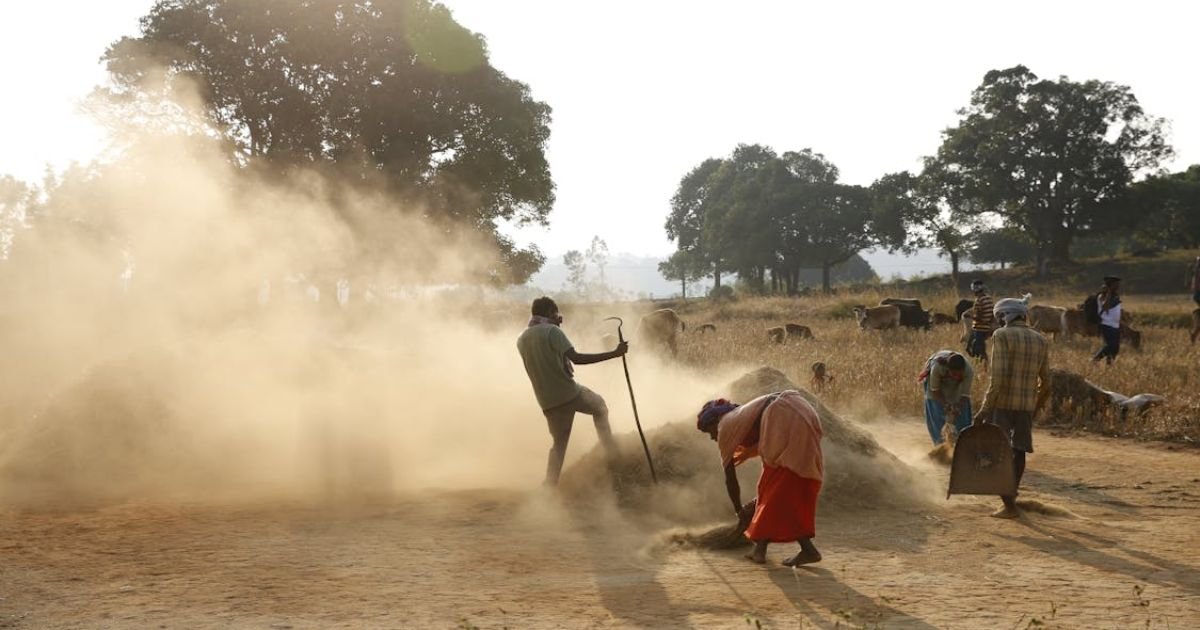
Published 12 Sep 2025, 12:56 PM IST For nearly a decade, farmers in the Raigad district have been locked in a stalemate with CIDCO over the Navi Mumbai Airport Influence Notified Area (NAINA) project. The conflict, rooted in a contentious land pooling scheme, continues to simmer, with farmers’ organizations consistently rejecting the development model and threatening to derail one of Maharashtra’s most ambitious urban projects. Key Points Ongoing Agitation: The main protesting body, NAINA Prakalp Badhit Shetkari Utkarsh Samiti, has been holding regular protests against CIDCO’s plan. Their methods include large marches (morchas), village shutdowns (gaon bandhs), and even relay hunger strikes. Rejection of 60:40 Scheme: Farmers strongly oppose CIDCO’s 60:40 land pooling formula. Under this model, they must hand over all of their land and will only get 40% of it back as a developed plot later. Alternative Demands: Farmers want the current NAINA model scrapped. Instead, they are asking CIDCO to either buy land directly by paying fair compensation as per the 2013 Land Acquisition Act, or to follow the older 12.5% developed plot scheme used in Navi Mumbai’s first phase of development. CIDCO’s Persistent Push: Despite repeated protests, CIDCO has gone ahead by sanctioning Town Planning Schemes (TPS) in different villages and issuing tenders for big infrastructure works. This shows its intent to move forward with the project. What it means for Navi Mumbai The standoff has slowed down the growth expected around the Navi Mumbai International Airport. Important housing, commercial spaces, and infrastructure projects are delayed, which affects the region’s overall progress. Because of the dispute, many developers and investors are cautious about putting money into NAINA. This has created a stop-start situation in the real estate market, making the area unstable for long-term growth. The deadlock has created deep mistrust between farmers and CIDCO. Many locals feel ignored, and this sets a negative example for future big projects in Maharashtra. The Core of the ConflictZ The vision of NAINA is to create a new, planned city around the upcoming airport — one that could house lakhs of people and bring in huge economic activity. But the way CIDCO plans to get land for this city has become the biggest roadblock. At the heart of the issue is the 60:40 Town Planning Scheme (TPS). Farmers must give 100% of their land. In return, they are promised 40% back later, as a developed plot with proper infrastructure. The remaining 60% will be used by CIDCO for roads, utilities, and also for selling to fund the project. Farmers will not receive direct money for the land they give up. The Core of the Conflict Loss of livelihood: They lose their entire farmland — their only source of income. Uncertainty: There is no clear timeline for when their “developed plot” will be ready or valuable. Unfair exchange: Giving away 60% of ancestral land without payment feels like a heavy loss. Because of this, farmers have organized many large-scale protests, including padayatras (foot marches) from Panvel to Mantralaya in Mumbai. Their demand remains the same: either buy land directly with proper compensation, or revert to the 12.5% developed plot model that was used earlier. CIDCO’s Stand Loss of livelihood: They lose their entire farmland — their only source of income. Uncertainty: There is no clear timeline for when their “developed plot” will be ready or valuable. Unfair exchange: Giving away 60% of ancestral land without payment feels like a heavy loss. Because of this, farmers have organized many large-scale protests, including padayatras (foot marches) from Panvel to Mantralaya in Mumbai. Their demand remains the same: either buy land directly with proper compensation, or revert to the 12.5% developed plot model that was used earlier. The Road Ahead As things stand, both sides remain firm. CIDCO is moving ahead with planning and tenders, while farmers are determined to continue their protests. Without a middle ground or a serious dialogue, the NAINA standoff is likely to continue, keeping the future of South Navi Mumbai uncertain. Sources Free Press Journal – “Farmers Oppose NAINA Town Planning Scheme, Demand Property Rights & Fair Compensation Before Implementation” Source Hindustan Times – “CIDCO issues tenders worth ₹6,600 crore for road and infra projects in NAINA” Source Hindustan Times – “NAINA project faces new hurdles as villagers demand compensation” Source Free Press Journal – “Navi Mumbai: Farmers In Panvel Launch Indefinite Strike Against NAINA Project” Source

Read More

Kharghar-Turbhe Tunnel Cuts 30 Minutes, But at What Cost to Kharghar Hills?

Published 11 Sep 2025, 5:40 PM IST Key Points Time-Saving Tunnel: The proposed Kharghar-Turbhe tunnel is expected to cut travel time between Kharghar and Turbhe by approximately 30 minutes, promising relief from the daily congestion plaguing commuters. Kharghar’s Identity at Risk: Known for its scenic Kharghar Hills, the area faces significant environmental compromise due to the tunnel’s construction. Development vs. Ecology: The project raises a critical question: Is saving travel time worth permanently altering a natural ecosystem and the aesthetic character of a planned city? Alternatives Explored: Concerns are growing over whether options such as enhanced public transport or less invasive route improvements were fully considered. Public Outcry: Local residents and environmental groups are voicing strong opposition, highlighting potential long-term ecological damage and the loss of a beloved natural landmark. How it affects Kharghar and Navi Mumbai For daily commuters, the Kharghar-Turbhe tunnel offers a clear benefit: a smoother, faster journey, freeing up valuable time. This could improve connectivity and boost economic activity between these key Navi Mumbai nodes. However, for residents of Kharghar, the gain comes with a heavy heart. The potential loss or significant alteration of the picturesque Kharghar Hills means sacrificing a natural escape, a source of clean air, and a defining feature of their home. The tunnel represents a trade-off where convenience for some might come at the expense of environmental well-being and the unique character of Kharghar for all. The Kharghar-Turbhe Tunnel vs Nature The proposal for the Kharghar-Turbhe tunnel has been met with mixed reactions across Navi Mumbai. On one hand, it promises to drastically reduce travel time between Kharghar and Turbhe by approximately 30 minutes, offering a significant relief to thousands of daily commuters caught in ever-growing traffic. This improved connectivity is vital for a rapidly expanding metropolitan area, promising smoother logistics and quicker access to commercial hubs. However, the tunnel’s path cuts directly through the beloved Kharghar Hills, a geographical marvel that is not just a natural landmark but the very identity of Kharghar. These hills are known for their lush greenery, biodiversity, and provide crucial fresh air, acting as a natural buffer in the concrete jungle. For residents, they are a cherished space for morning walks, treks, and a serene escape from city life. Compromising these hills for a tunnel means losing a piece of Kharghar’s soul. Is the Trade-Off Justified? The central question revolves around whether the time saved justifies the ecological and aesthetic damage. Why the Tunnel is “Important”: Proponents argue that with increasing population and vehicles, a direct link is essential to ease congestion on existing, winding routes, making daily commutes more efficient and reducing fuel consumption. It’s seen as a necessary step for future urban growth. The Cost: Environmentalists and local groups contend that once destroyed, natural habitats cannot be replicated. The tunnel’s construction will involve extensive excavation, tree felling, and irreversible scarring of the landscape. This isn’t just about pretty views; it’s about losing vital biodiversity and impacting the local climate. Were Alternatives Overlooked? Critics suggest that a more thorough exploration of alternatives could have found solutions that cause less environmental damage. Enhanced Public Transport: Investing heavily in electric bus services, metro connectivity, or dedicated bus rapid transit (BRT) lanes could offer high-capacity, eco-friendly alternatives without disturbing the hills. Route Optimization: Could existing roads be widened or realigned in less sensitive areas, even if it means a slightly longer travel time than the proposed tunnel? Sustainable Urban Planning: A focus on decentralizing commercial hubs and encouraging local employment could reduce the daily need for long-distance commuting. The debate is fierce, highlighting the perennial conflict between rapid urban development and environmental preservation. For the residents and the natural beauty of Kharghar Hills, the outcome of this project will shape the identity of their city for generations to come.

Read More

Dronagiri is becoming the next Kharghar, But Have We Learned Anything from Ulwe’s Mistakes?

Published 11 Sep 2025, 4:22 PM IST Key Points Rapid Growth: Dronagiri is seeing a massive real estate boom, attracting thousands of families due to its proximity to the new NMIA airport and the MTHL sea link. Services Deficit: There is a critical shortage of essential social infrastructure. The node currently lacks any major multi-specialty hospitals and has very few reputed schools. Daily Hardship: Residents face significant daily challenges, including children travelling 1-2 hours each way to schools in Panvel or Vashi, and a lack of immediate medical care during emergencies. Planning Flaws: The current situation mirrors the exact planning mistakes made in Ulwe, where residential development happened years before basic amenities were provided. Investment vs. Livability: The focus on rapid housing construction has outpaced the development of a supportive ecosystem, creating a livability crisis for its early inhabitants. What it means for Navi Mumbai For homebuyers, Dronagiri presents a classic high-risk, high-reward scenario. While property values are expected to appreciate significantly, the “first-mover” residents are paying a heavy price in terms of quality of life. Families must budget for high transportation costs for education and live with constant anxiety about the absence of emergency medical facilities. The dream of a convenient lifestyle remains distant, as residents must travel to older, developed nodes for healthcare, quality education, and even basic shopping and recreation. Promise vs. Reality in Dronagiri The skyline of Dronagiri is rising fast, promising a modern, well-connected future for Navi Mumbai. Marketed as the region’s next megalopolis, its proximity to the Navi Mumbai International Airport (NMIA) and other key infrastructure has ignited a construction frenzy. However, for the families who have already moved in, the reality on the ground is far from the dream sold to them. The School Run Nightmare The most significant challenge for parents in Dronagiri is education. With a severe lack of established schools within the node, families are forced into a grueling daily routine. Children as young as six wake up before dawn to catch buses for schools located in distant nodes like Panvel, Ulwe, and even Vashi. This daily commute, often lasting over an hour each way, leaves students exhausted with little time for homework or play, while parents bear high transportation costs and constant stress. Anxiety Over Healthcare An even more critical issue is the absence of a single multi-specialty hospital. While small clinics can handle minor ailments, any serious illness or accident becomes a logistical nightmare. In a medical emergency, residents have to rush to hospitals in Panvel or beyond, a journey that can take a crucial 30-45 minutes. This lack of immediate, reliable healthcare is a major source of anxiety, especially for families with young children or elderly members. A Lesson Not Learned from Ulwe This situation is not new; it is a direct repeat of the planning failures witnessed in Ulwe. For years, Ulwe residents struggled with the very same issues, living in a residential hub that lacked the “social” in social infrastructure. Experts are concerned that planning authorities like CIDCO have not learned from this precedent, prioritizing revenue from land sales for housing projects while letting the development of schools, hospitals, and parks lag by several years. For Dronagiri to thrive as a community, and not just a cluster of buildings, a radical shift in planning priorities is urgently needed. What it means for Navi Mumbai For homebuyers, Dronagiri presents a classic high-risk, high-reward scenario. While property values are expected to appreciate significantly, the “first-mover” residents are paying a heavy price in terms of quality of life. Families must budget for high transportation costs for education and live with constant anxiety about the absence of emergency medical facilities. The dream of a convenient lifestyle remains distant, as residents must travel to older, developed nodes for healthcare, quality education, and even basic shopping and recreation. Sources We have seen Dronagiri and Ulwe, closely. The mistakes which were made in building Ulwe are being repeated in Dronagiri, the major source of this article is our on-ground experiences in Dronagiri.

Read More

‘Death trap’ on NH-48: Parsi community flags Dahisar–Talasari stretch to Gadkari

Published 09 Sep 2025, 7:08 PM IST The Bombay Parsi Punchayat (BPP) has written to Union Road Transport Minister Nitin Gadkari about dangerous driving conditions on NH-48 between Dahisar and Talasari, calling it a “death trap.” The complaint asks for urgent fixes and enforcement. Key Points Community escalation: Mumbai’s Parsi community, through the BPP, has formally complained to the Centre, citing frequent accidents and unsafe work zones on NH-48. The demand: repair bad patches, manage work sites better, add signs and barriers, and ensure strict policing against wrong-side driving. Where exactly: The focus is the Achhad (Maha–Guj) border to Dahisar section that passes through Palghar district. This is the same Mumbai–Ahmedabad corridor used daily by thousands of commuters and inter-city travelers. How long has this stretch been bad? Since at least late 2023, with problems visible through 2024 and 2025. A ₹533–553 crore white-topping (concretization) project on the 121 km Achhad–Dahisar section began after October–December 2023 awards. Through May–June 2024, reports documented chaotic diversions, poor signage, and wrong-side driving. In July 2025, the state told the Assembly that even newly laid sections showed potholes and tyre marks, that the contractor was penalized for delays, and that work was ~98% complete but repairs continued. Safety fixes were also proposed at the Cyrus Mistry crash site. After the Sept 2022 Cyrus Mistry accident on this corridor, scrutiny of NH-48 rose sharply, and calls for engineering and enforcement improvements have persisted since. Why people are angry Unsafe work zones: Commuters report sudden lane shifts, missing cones or reflectors at night, and uneven joints between old asphalt and new concrete. That raises crash risk, especially in rain. Delays and jams: Long bottlenecks and confusing diversions have doubled travel time for many users, according to multiple on-ground reports from 2024. Accident toll: Over 30 deaths on the Mumbai–Ahmedabad NH-48 were recorded Jan–Jun 2025, according to a statement in the Assembly. Nationwide, highway deaths remain a major concern. What authorities say and plan Repair and finish pending work: The state said repairs are ongoing where the new concrete developed issues, and three underpasses and ten FOBs are being added for safety. A contractor was debarred for three months in April 2025 for delay. Spot-specific fixes: After the ₹600-crore overhaul, the Mistry crash site is to be marked go-slow and no-overtaking, with more speed calming and signage. Sources Times of India: BPP letter to Gadkari on “death trap” conditions on NH-48. Source Mid-Day/HT reports (background): white-topping project details, chaotic diversions and signage issues in 2024, and planned completion. Source TOI Assembly coverage: 30+ deaths on NH-48 in Jan–Jun 2025, repairs in progress, contractor debarment, 3 underpasses + 10 FOBs, ~98% work status. Source TOI update: new go-slow/no-overtaking zone at the Mistry crash site after overhaul. Source Global/National context: national highway deaths remain high; policy focus on reducing fatalities. Source

Read More

NMIA says it will keep planes and birds safe, what the new plan does, in simple words

Published 12 Sep 2025, 6:59 PM IST Navi Mumbai International Airport (NMIA) operators have told local groups and the media that they are putting a full Wildlife Hazard Management Programme (WHMP) in place so flights are safer and birds are protected. The plan focuses on removing things that attract birds near the runway, closely watching bird movement in a wide area, and using trained teams and devices to keep birds away from aircraft paths. A local appeal also seeks a Government Resolution (GR) to declare DPS Flamingo Lake a conservation reserve, so roosting sites get legal protection. What’s new today Public assurance: Airport authorities have said they will keep the “skies safe for planes and birds,” while residents’ groups pushed for firm protection of nearby flamingo habitats. Active programme running: Recent reports say NMIA has already finished habitat mapping around the airport, marked high-risk zones, removed bird-attracting plants, and even diverted parts of the Ulwe river to reduce roosting near flight paths. A certified auditor, Birdgard India, has surveyed a 13 km radius for risks. Regulatory push: India’s aviation regulator DGCA (Directorate General of Civil Aviation) asks all airports to enforce rules that ban waste dumps, slaughterhouses and similar bird-attracting activities within 10 km of a runway. The issue has come up around Ulwe in recent months and remains under close watch. How the system works, step by step 1) Map and monitor bird movement Specialists survey a large circle around the airport to spot feeding and resting sites, seasonal patterns, and daily flight paths. NMIA says it has done habitat mapping and geo-tagging of risky spots. This helps plan where to act first and when to scale up during bird seasons. 2) Remove what attracts birds The best way to avoid bird strikes is to remove the attractants. That means controlling open garbage, meat and fish waste, and stagnant water that bring flocks. DGCA rules back this with a 10 km safety ring around airports. Local bodies are expected to enforce this, while the airport teams keep reporting problem sites. 3) Change the habitat near the runway Near the runway, the airport can reduce roosting by keeping grass at the right height, clearing invasive plants that birds prefer, and re-shaping small water bodies. At NMIA, authorities say invasive vegetation was removed and parts of the Ulwe river were diverted to shift regular bird congregation away from flight paths. 4) Use trained teams and bird-scaring devices On the airfield, wildlife control teams patrol with tools like bio-acoustic speakers and other approved bird-scaring devices. These create sounds that tell birds to move away without harming them. DGCA has asked airports to ensure such teams and devices are always in place, especially during monsoon when bird activity rises. 5) Keep improving with data Every bird sighting and every scare event is logged. If a bird strike is reported, it is investigated and the plan is updated for that location and season. India has also briefed ICAO (global aviation body) about its risk-based wildlife hazard approach, and NMIA has presented its early experience to the region’s safety groups. How this protects both planes and birds For planes: Most bird strikes happen during take-off and landing. By cutting food and roosting near the runway, the chance of birds meeting aircraft drops sharply. If birds still show up, patrols move them quickly so aircraft can pass safely. For birds: Keeping feeding and resting areas away from flight paths and giving sensitive sites legal protection (like the proposed DPS Flamingo Lake conservation reserve) helps flocks continue their natural cycles without being chased daily from the runway area. Mumbai has seen a rise in bird-strike incidents at the existing city airport, with officials pointing to waste sites and growing bird populations as key reasons. This is why Navi Mumbai’s plan stresses habitat control, waste discipline, and coordination with local bodies from day one. Sources Deccan Herald: Airport authorities’ assurance and call to protect DPS Flamingo Lake as a conservation reserve. Source Hindustan Times (and epaper link): Details on NMIA’s habitat mapping, removal of invasive vegetation, and Ulwe river diversion; audit by Birdgard India in a 13 km radius. Source DGCA advisories and rules: Airports to deploy wildlife teams and scaring devices; ban on bird-attracting activities within 10 km of airports. Source ICAO/APAC papers: India’s risk-based wildlife hazard approach; NMIA’s experience shared with regional safety groups. Source Region context: Recent data and meetings on rising bird-strike risk in Mumbai and the role of waste and roosting sites. Source

Read More

Hetawane water project nears finish: Navi Mumbai set to get a steadier, cleaner supply

Published 8 Sep 2025, 6:22 PM IST CIDCO’s Hetawane Water Supply Augmentation Scheme is in its final stretch. In July, the tunnelling team set a national record by boring 777 metres in one month with a tunnel-boring machine. This fast progress means the new pipeline tunnel that brings water from the Hetawane system closer to our homes is moving well. What exactly happened A national tunnelling record: Engineers completed 777 m in July using a tunnel-boring machine (TBM) nicknamed “Flamingo.” The TBM’s diameter is 3.2 m. The record beat the 653 m mark set at Mumbai’s Amar Mahal II Tunnel in 2024; they had already hit 714 m in May. Where this is happening: The record came from Package 1 of the project, which has an 8.7 km tunnel. Contractor Afcons Infrastructure has completed about 4.2 km so far. TBM = Tunnel Boring Machine. It is a large machine that digs a tunnel safely and quickly, while supporting the surrounding rock. What it means for Navi Mumbai The scheme is designed to secure long-term water supply for Navi Mumbai and Panvel as population grows. Faster tunnelling means the trunk line that carries raw water to treatment and onward to our taps can be commissioned sooner. The state had earlier raised CIDCO’s drawal from the Hetawane dam by 120 MLD (Million Litres Per Day), taking the total to 270 MLD to handle near-term demand. That is 270 million litres per day earmarked for CIDCO areas. The new tunnel helps move this water more efficiently. What engineers had to overcome The tunnel alignment runs through amygdaloidal basalt in the Sahyadri hills. Space to set up equipment was limited and muck had to be carried about 4 km away from the face. The team used adaptive tunnelling methods to keep speed and safety high despite these hurdles. How far along is the project now Tunnel progress: ~4.2 km done out of 8.7 km in Package 1, after the July record month. Momentum is strong: Independent reports also note the 777 m record and confirm the push to finish quickly. What it means for your tap at home Smoother daily supply: Once the tunnel and connected works are commissioned, pressure and hours of supply should become more consistent across CIDCO-planned nodes and parts of Panvel. That helps areas that currently see low pressure or rotating cuts, especially in summer. Cleaner conveyance: A modern gravity tunnel and new pipeline sections reduce leaks and contamination risk compared to older, stressed lines. That improves both quantity and quality at the consumer end. (This is the typical outcome of such upgrades; Indian Express notes the scheme is aimed exactly at long-term security.) Navi Mumbai’s demand is rising fast. While Hetawane upgrades move ahead, other sources and projects are also in the pipeline, and there have been short-term shortages due to delays on separate schemes. This is why the Hetawane push is important: it adds dependable capacity while the rest of the network catches up. Sources The Indian Express report on the Hetawane scheme’s progress, the 777 m in July record, TBM details, and overall goal to secure Navi Mumbai and Panvel’s water future. Source Free Press Journal and Projects Today confirming the national tunnelling record on the same package. Source Background on CIDCO’s 270 MLD allocation from Hetawane after the 2020 augmentation decision. Source Times of India on recent shortages and project delays elsewhere in the region for context. Source

Read More

Navi Mumbai bids farewell to Ganpati with 10,000+ immersions on the last day, Mumbai logs over 36,000

Published 8 Sep 2025, 5:03 PM IST Mumbai wrapped up Ganeshotsav with over 36,000 idol immersions on the final day, including big community idols and thousands from households. Across the full festival, officials say nearly 2 lakh idols were immersed across 70 natural spots like beaches and lakes, and about 290 artificial ponds set up by the city. Navi Mumbai’s count on the last day was 10,678. Key Points Final-day Mumbai numbers: 5,937 community idols, 30,490 household idols, and 319 Gauri/Hartalika idols. Total for the festival was close to 2,00,000 immersions. Clean-up and safety: The civic body BMC (Brihanmumbai Municipal Corporation) fielded 10,000+ staff, ran 245 control rooms, and handled 508 tonnes of floral waste (nirmalya). It also retrieved 1,982 tonnes of Plaster of Paris (PoP) from the water for safe handling. Navi Mumbai’s preparedness: NMMC (Navi Mumbai Municipal Corporation) built 139 artificial ponds and pushed awareness on clay idols and safe immersion. Officials expected a 20% rise in artificial-pond use this year. The impact of eco-friendly idols The city is still compiling a final, festival-wide percentage of eco-friendly (clay) idols. We do have snapshots from key days: 1.5 – day visarjan (Aug 28–29): 60,177 idols immersed, all in artificial ponds; 30,494 were eco-friendly clay and 29,683 were PoP. That is about 50.7% eco-friendly for that window. Fifth day (Aug 31–Sep 1): 36,672 idols, with 13,468 eco-friendly clay and 23,204 PoP. That is about 36.7% eco-friendly for that day. This means that the share of clay idols did improve at some stages, but PoP is still widely used, which is why the city had to collect 1,982 tonnes of PoP after immersions. Expect the final official eco-friendly percentage for the whole festival to be published in a consolidated report later. Why eco-friendly and artificial ponds matter Clay idols dissolve faster and do not leave harmful residue; PoP breaks into fine particles that can cloud water and harm aquatic life. Artificial ponds protect beaches, lakes and creeks from silt, paint, and decorations, and they make collection and recycling easier. This year, about 290 artificial ponds in Mumbai and 139 in Navi Mumbai made a visible difference in handling the load. From Navi Mumbai’s viewpoint For families in Belapur, Nerul, Vashi, Airoli, Kharghar and Taloja, the near-home artificial ponds cut travel time for visarjan and reduced crowding at natural spots. With NMIA (Navi Mumbai International Airport) close to creek zones, keeping immersion activity clean and contained is a practical necessity as the region grows. Sources Times of India: Final-day and festival totals; last-day splits; citywide arrangements and nirmalya collection. Source Hindustan Times: BMC to recycle 1,982 tonnes of PoP after visarjan. Source TOI (Aug 29 & Sep 1 updates): Early-festival eco-friendly share and day-5 splits. Source Hindustan Times (Navi Mumbai): 139 artificial ponds in NMMC and push for clay idols. Source

Read More

Navi Mumbai Metro crosses 1 crore riders in under 2 years, simple guide for commuters

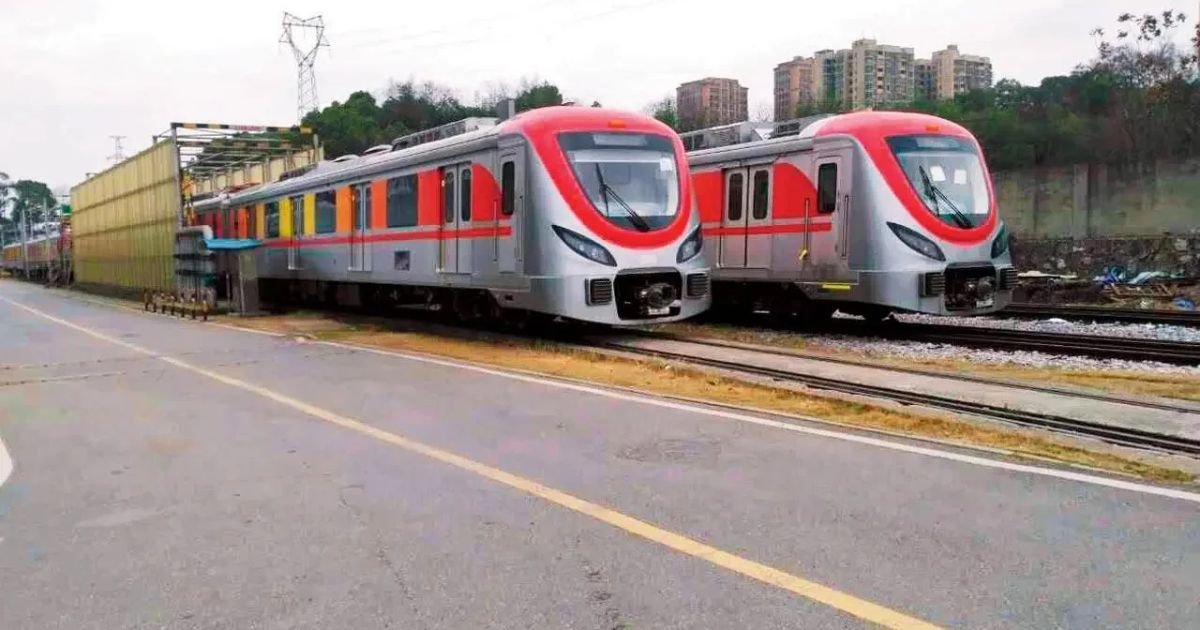
Published 8 Sep 2025, 4:28 PM IST In short CIDCO’s Metro Line 1 from CBD Belapur to Pendhar has carried 1 crore passengers since services began in November 2023. The milestone was reached on September 6, 2025, according to an official release quoted by wire reports. Peak frequency is every 10 minutes, non-peak every 15 minutes, and the maximum fare is ₹30. What it means for Navi Mumbai City and Industrial Development Corporation of Maharashtra (CIDCO) said the Belapur–Pendhar metro corridor has crossed 1 crore total riders in less than two years of operation. Multiple outlets carried the update based on the official note. This is a strong “use it daily” signal from Navi Mumbai residents in Belapur, Kharghar, Taloja and nearby areas. It also tells us that recent fixes like better frequency and lower fares are working. How to use Line 1 today Route now open: CBD Belapur ↔ Pendhar with 11 stations. Trip time is about 26 minutes end-to-end. Key stations sit close to suburban railway stops at CBD Belapur, Kharghar and Taloje Panchnand, which helps if you are switching to trains. Timings and frequency: First trains from 6:00 am; last departures near 10:00 pm. Peak times run every 10 minutes; non-peak every 15 minutes. (This timetable came into force in January 2025.) Fares: Maximum ticket ₹30 for a single journey across the line. We have written a full-fledged guide on Navi Mumbai Metro Line 1, and you can even try our Metro Fare Calculator, to calculate the cost of your journey in Navi Mumbai metro. What about a link to the new Navi Mumbai airport? Near-term: Still no direct metro to the airport on day one of operations. Planned: Line 1 will extend beyond Pendhar toward Khandeshwar and onward to the airport area in later stages. Mumbai’s separate Line 8 (Gold Line) is the proposed CSMIA ↔ NMIA airport-to-airport metro. These projects are approved or planned but not yet running. What is next for Navi Mumbai Metro? Watch for Phase-2 construction updates toward Khandeshwar and later airport integration. That will make cross-city trips smoother. Expect small timetable tweaks as CIDCO tracks load patterns. Surveys and the city’s mobility plan are already in motion to shape future frequency and links. Sources PTI carry via NewsDrum: milestone date, total riders, frequency, and ₹30 maximum fare. Source News18: Navi Mumbai metro line 1 crossed 1 crore+ commuters since its inauguration in 2023. Source

Read More

10 New Waterways for MMR, 4 to Link Directly with Navi Mumbai Airport

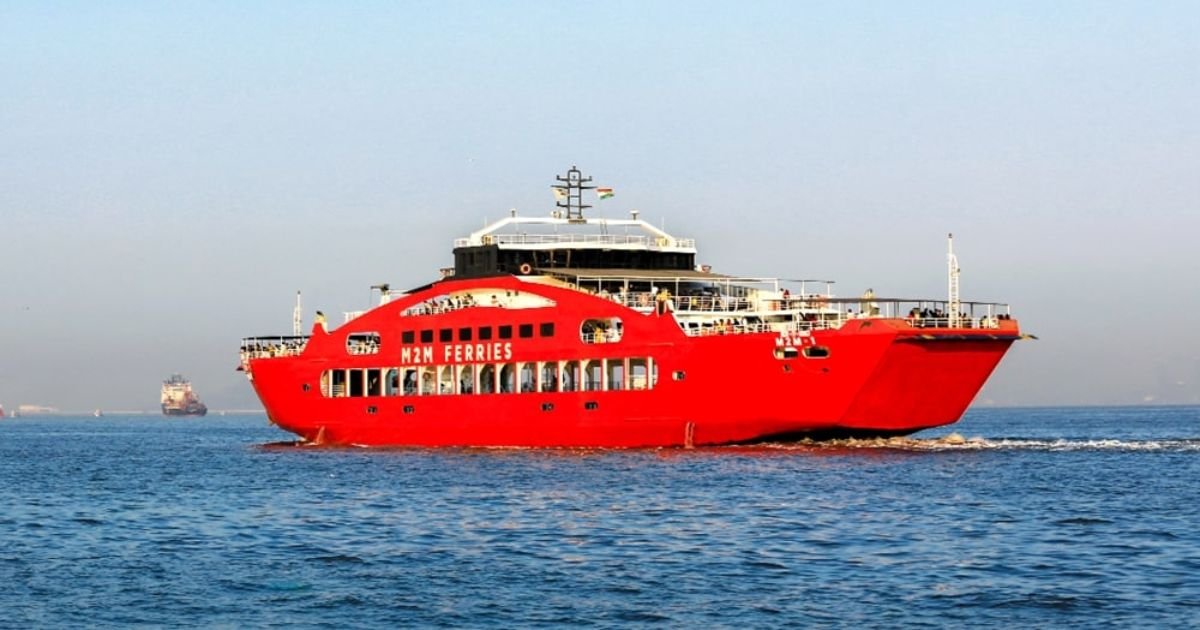
Published 8 Sep 2025, 2:44 PM IST What it means for Navi Mumbai The Maharashtra government plans 10 new passenger water transport routes in the Mumbai Metropolitan Region (MMR). Four of these will connect to the upcoming Navi Mumbai International Airport (NMIA). The state’s maritime regulator, Maharashtra Maritime Board (MMB) says Kochi Water Metro will prepare the DPR (Detailed Project Report = the master study that fixes routes, jetties, boats, costs, safety, and timelines).   What this means for Navi Mumbai Airport access by boat: Besides road and metro, you could reach NMIA via ferries/water taxis from places like South Mumbai and coastal nodes. This will need a jetty near the airport and shuttle buses from jetty to terminal. (That last-mile is crucial, lack of it stalled some past services.) Less road traffic, faster trips: Water links can take pressure off Sion – Panvel, Palm Beach Road, Thane – Belapur Road and even Atal Setu during peaks and rains. Belapur/Nerul users benefit first: Existing jetties (Belapur, Nerul) already plug Navi Mumbai into the harbour. A network that adds airport bound and Mumbai bound legs can turn them into big hubs. Main News 10 water transport routes is being planned for regular passenger boats across MMR; 4 of them to touch NMIA so flyers can come by water. Kochi Water Metro (the team that runs ferry-metro style boats in Kochi) will do the DPR for Mumbai’s network, surveys, demand checks, terminal designs, and an integrated plan. Why now? The state wants a commuter-first, affordable system after many older experiments failed due to high fares and weak last-mile. One service that did work is the Ro-Pax (roll-on/roll-off passenger, it is a ferry that carries both people and vehicles.) ferry between Mumbai (Ferry Wharf) and Mandwa, started in 2020. The idea is to learn from wins and misses. MMR = Mumbai Metropolitan Region (Mumbai + Thane + Navi Mumbai + Mira-Bhayandar + Kalyan-Dombivli + Panvel + parts of Raigad). Over the last 30 years, several Mumbai water routes never took off or closed fast, hovercraft (Gateway – Navi Mumbai, Juhu – Girgaum), Nariman Point – Borivali, and even a Belapu r –Gateway attempt post-pandemic, mainly due to high fares and poor last-mile at one or both ends. The 2020 Ro-Pax (Ferry Wharf–Mandwa) is a counterexample: steady demand with the right pricing and terminals. The new plan aims to follow the working model, not the failed ones. Likely shape of the network (what the studies already hint) Airport-linked corridors: Past feasibility work and government briefings talk about Navi Mumbai–South Mumbai connections trimming journey times (e-water taxis/marinas under discussion). One study flagged Belapur–Gateway–Mandwa among viable links that tie Navi Mumbai and the new airport to South Mumbai and Alibaug. Exact airport-bound legs will be finalised in the DPR. Scale & timeline (indicative): A consultant report suggested 10 routes, approx 29 terminals, approx 75 “green” boats could be rolled out in 28 months after contract award, subject to clearances. Treat this as a best-case build time; DPR will set the real schedule. What will the DPR cover? The DPR will cover: Where jetties should be (who lives/works nearby, how they’ll walk/ride to the jetty). Demand surveys (household and preference surveys to test price and frequency). Boat types & frequency (electric/hybrid boats, safety systems). Terminal design & last-mile (buses, auto bays, safe walkways). Ticketing & fares (keep it affordable so ridership is steady). Sources Hindustan Times: State to commission 10 routes; 4 to NMIA; Kochi Water Metro to prepare the DPR; reasons older routes failed. Source Free Press Journal: Reiterates 10 routes, 4 to airport, and DPR scope; context on past closures. Source Times of India (reports/briefings): Feasibility points to 10 routes, 29 terminals, ~75 green boats, ~28-month best-case roll-out after award; focus corridors like Belapur–Gateway–Mandwa that tie Navi Mumbai and the new airport to Mumbai/Alibaug; marina/e-water taxi plan for South Mumbai–NMIA in ~40 minutes (under discussion/works). Source Mumbai Live: Same headline findings on 10 routes with 4 airport links in MMR. Source

Read More
Digital To Infinity Academy - Build Skills. Build Projects. Build Your Future.