Office vs Retail Investment in Seawoods: Which Makes More Sense in 2026?
For most investors in 2026, office investment in Seawoods usually makes more sense than retail. Office pricing is more standard, tenant demand is broader, and the station-linked Seawoods Grand Central ecosystem supports real occupier demand. Retail can still beat office, but only when the shop sits in a truly proven footfall pocket, main-road visibility zone, or strong daily-needs catchment. Buying an average shop at premium Seawoods rates is where many investors make expensive mistakes.
Seawoods is not a random local market anymore. It is one of Navi Mumbai’s clearest transit-led commercial zones. L&T Realty positions Seawoods Grand Central as a 40-acre transit-oriented development combining offices, retail, residential and F&B, while Nexus Seawoods reports 1.0 million sq ft leasable area, 98% leasing occupancy, 300+ stores and roughly 15 million shopper footfalls on a trailing-12-month basis as of December 31, 2025. That creates genuine commercial gravity. But it does not mean every office or every shop in Seawoods deserves the same premium.
Quick summary
| If your goal is… | Office usually makes more sense when… | Retail usually makes more sense when… | Better fit |
|---|---|---|---|
| Lower mistake risk | You want cleaner pricing logic and broader tenant demand | You deeply understand Seawoods micro-locations and shop categories | Office |
| More stable leasing | You are targeting formal users, back-office users, clinics, agencies, consultancies, or premium workspace demand | The shop has real frontage, stopping power, and proven catchment | Office |
| Higher upside from one exact asset | Harder, unless entry pricing is very strong | Possible, but only for genuinely strong units near station flow, Palm Beach visibility, or daily-needs hubs | Retail selectively |
| Easier benchmarking | You can compare carpet area, floorplate, building quality, and rent levels more rationally | Benchmarks vary sharply by frontage and even by one side of the road | Office |
| First-time commercial investing | You want less dependence on walk-in footfall assumptions | You already know why that exact shop will remain hard to replace | Office |
Why this question is more important in Seawoods than in many other nodes
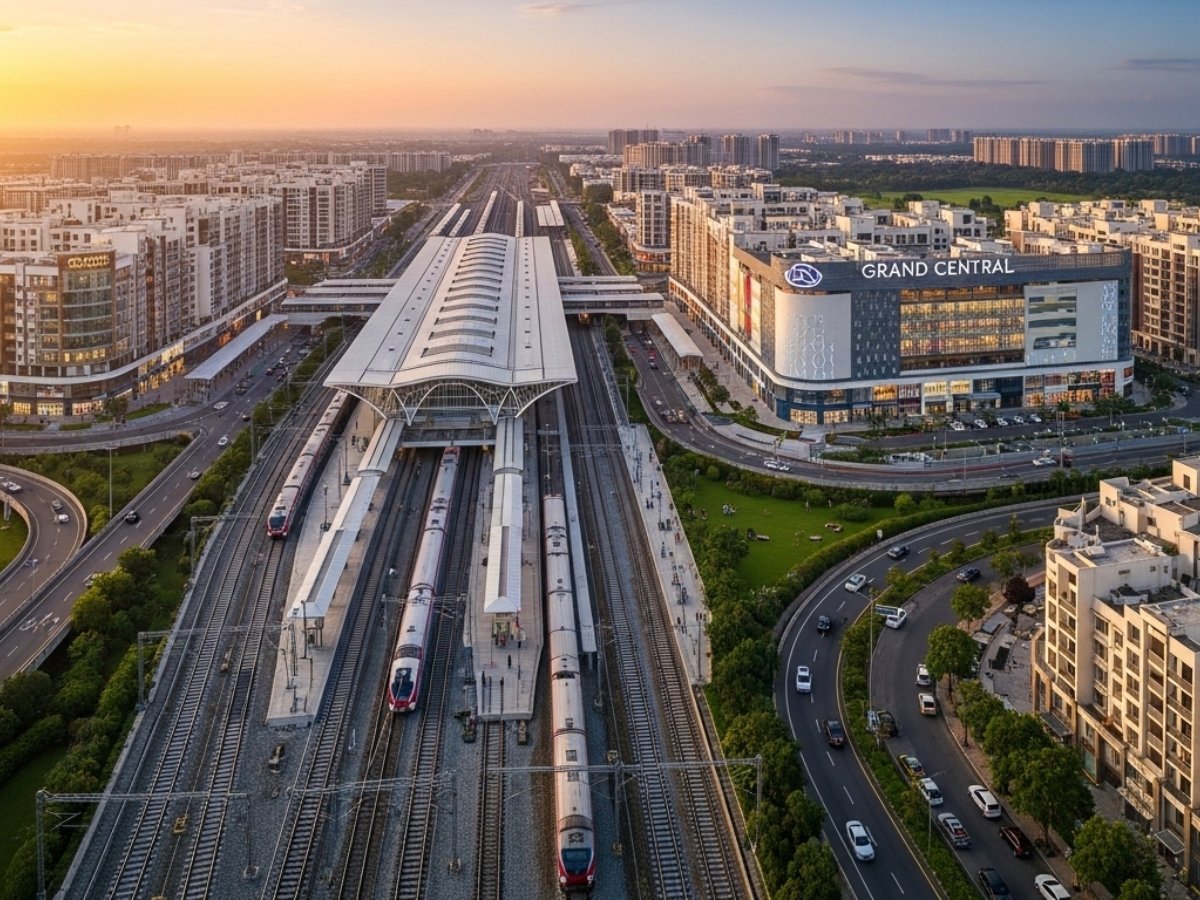
In Seawoods, both office and retail look “premium” on the surface. That is exactly why investors can get trapped. The station area, Nexus Seawoods, Palm Beach access, and overall node reputation create a strong premium narrative. But in practice, office and retail do not move together here.
Office value in Seawoods comes mainly from organized commercial identity, transit access, building quality, and tenant usability. Retail value comes from a much narrower and more unforgiving set of factors: frontage, visibility, walk-in behavior, surrounding catchment, and tenant category fit. A good office can still lease if the building is strong. A weak shop in the wrong pocket can remain stuck even in a premium node.
That difference matters because Seawoods retail pricing can become emotional very fast. Investors hear “near station,” “near mall,” or “Seawoods premium location” and start paying for a story instead of an income stream.
Why office investment usually makes more sense in Seawoods
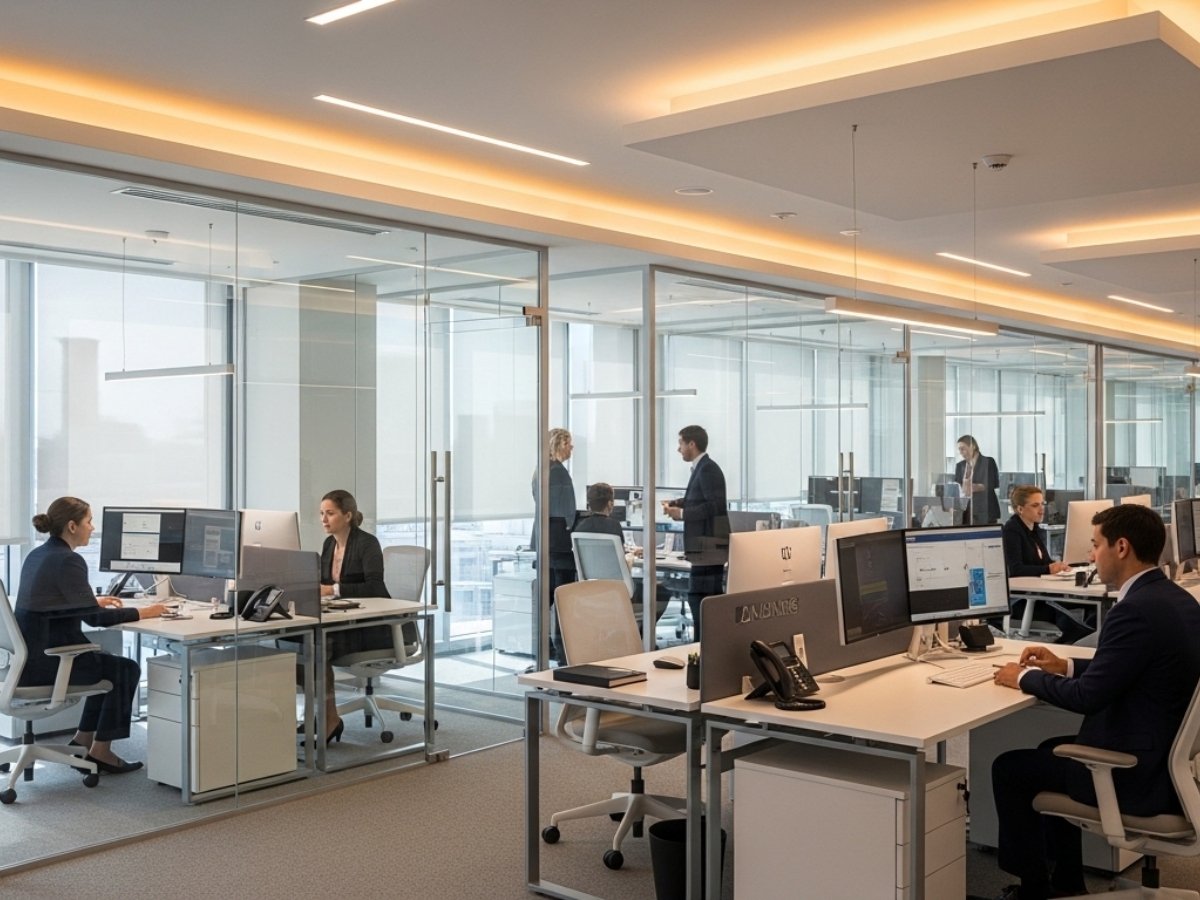
The biggest advantage of office is that it is easier to underwrite. Even at the wider Navi Mumbai level, office demand has remained strong. CRE Matrix said average office demand in Navi Mumbai over the last two years was about 3 million sq ft, far above roughly 0.8 million sq ft of new supply, and office rent in Navi Mumbai was reported around 21% lower than the average of Tier-I cities. JLL also said Mumbai office leasing hit a six-year high in 2025 and rents and capital values continued to show growth across submarkets. That broader context matters because Seawoods sits inside a real office-demand story, not just a local broker story.
The second advantage is pricing readability. Active Seawoods asking evidence is tighter on the office side than on the retail side. Housing.com listings for L&T Seawoods Grand Central show bare-shell office asking around ₹18.06K per sq ft, project-level average pricing around ₹18.5K per sq ft, and a ready-to-use office example around ₹30.38K per sq ft. That range is not small, but it is still more rational than retail. You can usually explain the gap through fit-out, floor, unit quality, and readiness.
The third advantage is that station-linked office demand is easier to justify than station-linked retail demand. A professional occupier, consultancy, managed office operator, training setup, or service-led business can benefit from direct access to the station and TOD ecosystem even if the office does not have glamorous street frontage. Retail does not get that luxury. A shop still needs customer stopping behavior, not just connectivity.
In simple terms, office in Seawoods is often the more rational commercial product. It is not automatically cheap. It is not automatically high-yield. But it is usually easier to analyze honestly.
When retail can beat office in Seawoods
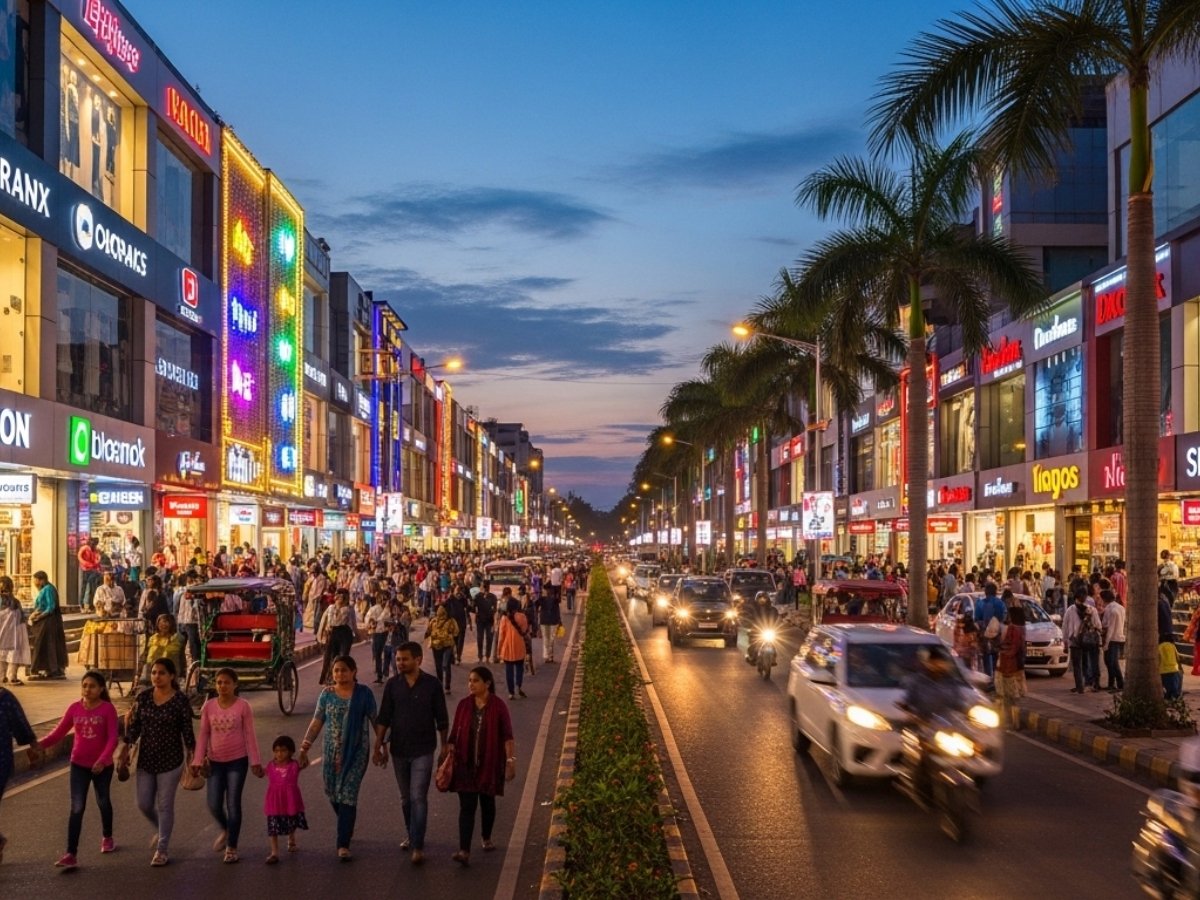
Retail can absolutely outperform office in Seawoods, but only when the unit is genuinely hard to replace.
That usually happens in three situations:
1. Station-linked or Grand Central-adjacent consumer flow
Nexus Seawoods is not a weak mall story. It has very strong operating numbers, and SCAI’s published profile shows average footfalls of about 24,000 on weekdays and 38,000 on weekends, with catchment extending across Seawoods, Nerul, Belapur, Vashi, Sanpada and nearby nodes. That formal footfall ecosystem benefits branded retail and some destination-led formats. But the important caution is this: the mall has the footfall, not every nearby shop by default.
2. Palm Beach or main-road visibility-led retail
This is the second type of Seawoods retail that can work very well. Visibility matters here. Live rent listings on Magicbricks show examples such as a 550 sq ft shop near Palm Beach at ₹1.1 lakh per month, another Palm Beach-side listing at ₹1 lakh, and a 750 sq ft Seawoods unit near Palm Beach highway at ₹1.7 lakh. Those are not guarantees of transacted rent, but they do show that visibility-led Seawoods retail is being priced and marketed very differently from internal sector shops.
3. Internal sector daily-needs retail
This is a different retail game altogether. Shops near D-Mart, residential clusters, schools, and practical day-to-day movement can work on stable local consumption rather than glamour. A live Seawoods listing near D-Mart shows a 250 sq ft shop at ₹58,000 per month. That is useful because it shows that even non-trophy retail in Seawoods can have meaningful rental pull when the catchment is right.
So yes, retail can beat office. But it beats office through specific unit quality, not through the simple label of “shop in Seawoods.”
The real problem with Seawoods retail: the pricing spread is too wide

This is where many investors should slow down.
Housing.com shop listings in Seawoods currently show a very wide pricing band. Examples visible on the page include around ₹31.43K per sq ft, ₹54.29K per sq ft, ₹85.14K per sq ft, ₹90K per sq ft, ₹95K per sq ft and even ₹1.13 lakh per sq ft for different shops across sectors and formats. That spread is massive. It tells you retail in Seawoods is not one asset class. A small corner unit in the right pocket and an average shop in a weak pocket may both get sold under the same “Seawoods retail” headline while being completely different investments.
This is exactly why office is usually safer for a general investor. Office also has pricing differences, but the logic is often more understandable. Retail can turn irrational very quickly because one strong unit in a building creates a premium story for weaker units around it.
Yield reality: retail does not always give better returns just because it is retail

A lot of investors enter commercial property believing retail always gives stronger yield than office. In Seawoods, that assumption is risky.
Housing.com listings show pre-leased shop examples with ROI figures like 2.84%, 3.05%, 3.2%, 3.47% and 3.6% in different Seawoods listings. That is the hard reality. Pre-leased does not automatically mean attractive. If the entry price is inflated, the yield can become disappointing very fast. A shop listed at ₹1.1 crore with 2.84% ROI may feel emotionally safe because it is “already rented,” but that does not make it a great commercial investment.
This is why the right retail question is not, “Is it pre-leased?” The right question is, “At this capital value, is the income actually strong enough?”
Office has the same problem sometimes, but retail gets more mis-sold because investors emotionally trust visible income without checking whether the price has already absorbed too much optimism.
One practical comparison table
| Factor | Office in Seawoods | Retail in Seawoods |
|---|---|---|
| Demand driver | Transit access, business usability, building quality, office ecosystem | Footfall, frontage, visibility, tenant category, local catchment |
| Pricing logic | Comparatively more standardized | Highly distorted by exact position and narrative |
| Risk for first-time investor | Moderate | High |
| Upside potential | Steadier, more controlled | Can be strong, but only in the right unit |
| Vacancy risk | Larger ticket vacancy hurts, but occupier logic is broader | Small unit may still stay vacant if visibility or category fit is weak |
| Best fit | Investors wanting a cleaner commercial bet | Investors with sharp local retail understanding |
| Biggest trap | Overpaying for fitted office or assuming every SGC unit commands premium rent | Paying trophy pricing for average frontage |
Which Seawoods micro-locations usually support office better, and which support retail better
The station and Seawoods Grand Central belt is the strongest office zone in Seawoods. This is where the TOD story is real. Organized office use, transit convenience, brand address value, and integrated development all support the office case. Retail also works here, but only premium or well-positioned retail. This is also the zone where buyers most easily over-assume that anything nearby will behave like mall retail. It will not.
Palm Beach-facing and high-visibility pockets usually improve the retail case more than the office case. These locations can support showroom-style, service-brand, destination retail or premium road-facing occupiers better than a routine office investment.
Internal sectors and residential catchment pockets can support practical retail well, especially daily-needs and recurring-visit categories. But these are not trophy commercial plays. They can be sensible income assets if bought right. Overpaying here on the belief that “Seawoods retail will always appreciate sharply” is dangerous.
Who should buy office in Seawoods
Office usually suits:
- investors entering commercial property for the first time
- buyers who want broader tenant usability
- investors who value cleaner benchmarking over hype
- people okay with a more formal, less emotional commercial product
- buyers targeting the station-linked commercial ecosystem rather than random internal inventory
If your approach is methodical and yield-focused, office is usually the better starting point in Seawoods.
Who should buy retail in Seawoods
Retail suits only a narrower buyer type:
- someone who understands Seawoods footfall patterns properly
- someone who knows whether the unit is a mall-spillover play, Palm Beach visibility play, or daily-needs catchment play
- someone who can separate a genuinely hard-to-replace unit from a generic shop
- someone disciplined enough to reject weak pre-leased deals with poor effective yield
If you cannot explain why that exact shop will keep winning for the next five to seven years, you probably should not buy retail in Seawoods.
The most common mistakes investors make here
The first mistake is paying Seawoods Grand Central-style pricing for a non-Grand-Central asset.
The second mistake is assuming that “near station” automatically means strong retail. Station access helps office directly. Retail still needs stopping power, frontage and category fit.
The third mistake is buying pre-leased retail without checking whether the yield is actually attractive.
The fourth mistake is buying a fitted office just because it looks ready. A flashy layout does not matter if the next tenant would redesign it anyway.
The fifth mistake is treating Seawoods as one flat market. In this node, asset quality, side of the road, frontage, and catchment change the investment outcome very sharply.
Conclusion
In Seawoods, office is usually the smarter commercial investment for most buyers in 2026. It is easier to benchmark, less dependent on one exact frontage, and better supported by the transit-led commercial ecosystem around Seawoods Grand Central. Retail should be bought much more selectively. The best retail units in Seawoods can outperform office, but average shops bought at premium rates can disappoint badly on yield and resale.
So the practical answer is simple.
If you want the cleaner, lower-mistake bet, buy office.
If you want retail, do not buy the idea of retail in Seawoods. Buy only the exact unit whose visibility, catchment, and income logic you can defend without using broker language.
FAQs
Frequently Asked Questions