Old Panvel vs New Panvel vs Peripheral Belts for Industrial Users: Which Side Actually Works?
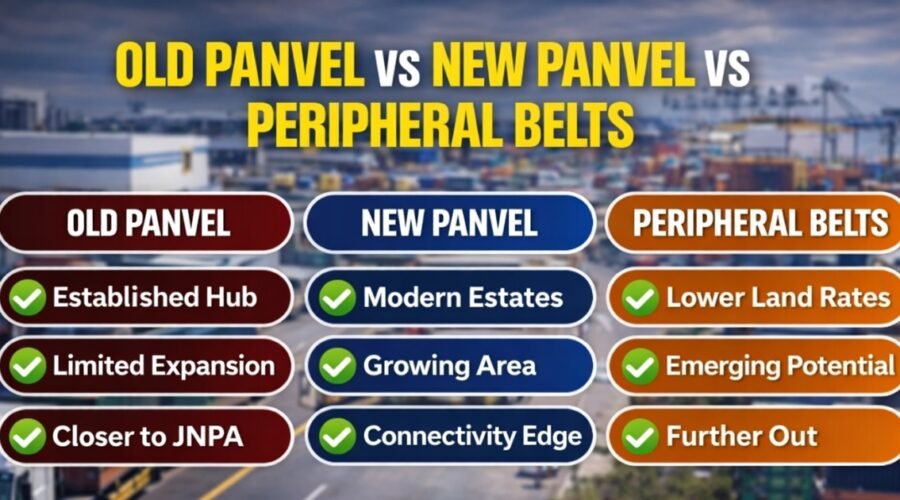
If you are judging Panvel for industrial use, the simple answer is this: Old Panvel works best for smaller, access-sensitive and local distribution users, New Panvel can work for cleaner transition-type operations but is not a true heavy industrial winner, and the peripheral belts usually make the most sense for serious warehousing, large-format logistics, and resource-heavy industrial activity. In this market, map distance matters less than truck movement, land status, utility reliability, and the actual use case.
That is the core truth many pages miss.
A lot of people compare Old Panvel, New Panvel, and nearby outer belts as if they are just three versions of the same opportunity. They are not. One is a dense, older urban-commercial core. One is a planned, more structured transition zone. The third is a broad outer ring where the real industrial scale usually sits, but where risk also rises if you choose the wrong pocket.
This is why the right answer depends on what you are actually trying to run. A last-mile distributor, a laboratory-led light assembly unit, a warehouse operator, and a chemical manufacturer should not be choosing the same kind of location just because all of them are “near Panvel.”
Old Panvel, New Panvel, or peripheral belts: which one usually makes the most sense for industrial users?
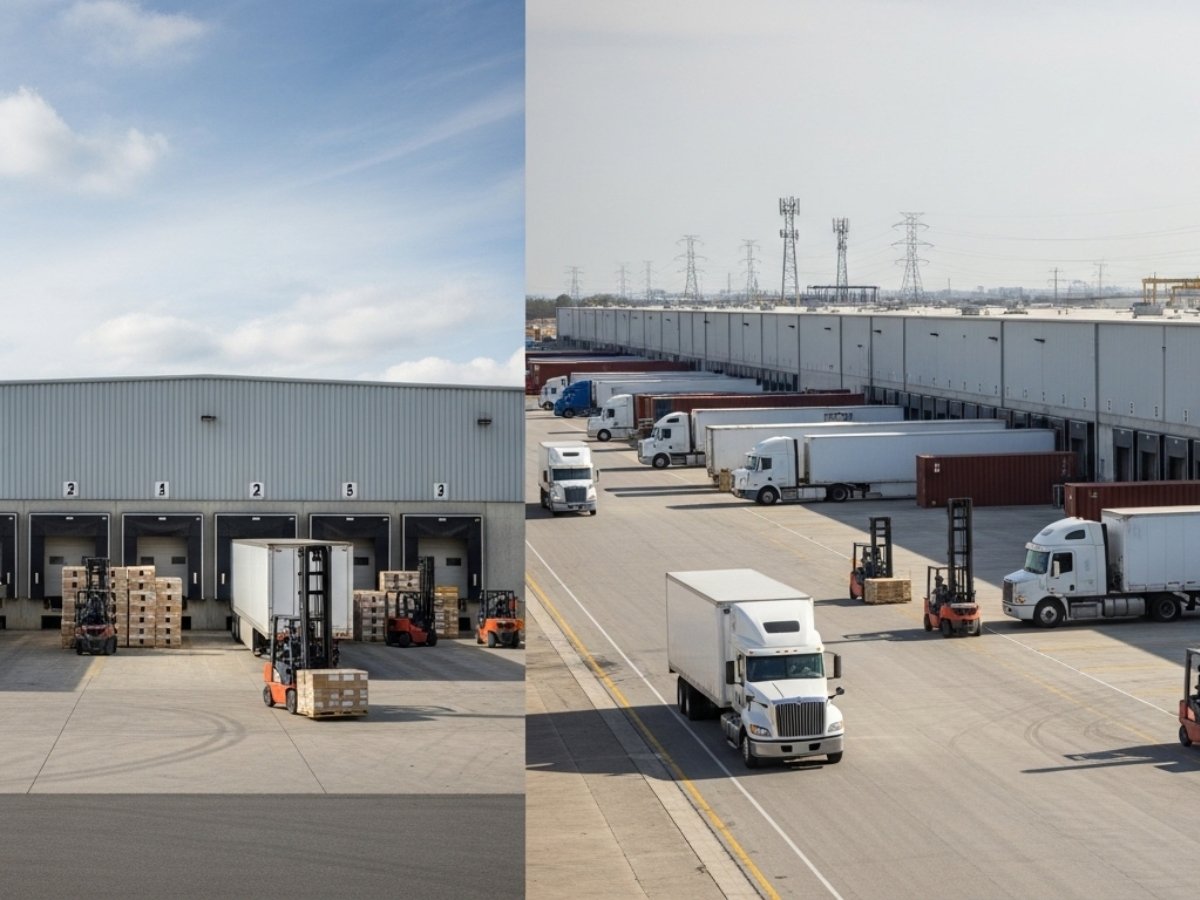
For most serious industrial users, the outer belts usually win. But not every industrial user is the same.
Here is the practical summary.
| Belt | Best suited for | Usually weak for | Core reason |
|---|---|---|---|
| Old Panvel | Micro-distribution, local trading, service-linked engineering support, light goods movement | Large warehousing, multi-axle truck operations, scale-heavy industrial use | Strong central access for people and local trade, weak freight geometry |
| New Panvel | Clean operations, corporate support functions, light assembly, testing, packaging, selected transition uses | Heavy warehousing, noisy manufacturing, continuous truck-heavy movement | Better urban planning and people access, but not designed as a true industrial heartland |
| Peripheral belts | Institutional warehouses, 3PL, engineering units, heavy manufacturing, larger plots, future expansion | Casual buyers chasing cheap land without compliance clarity | Land scale, truck access, utility structure, and industrial fit are stronger here |
So, if your operation depends on heavy vehicles, large floor plates, continuous loading, or future expansion, peripheral Panvel-side belts usually make more sense than central Panvel zones.
If your operation depends more on people access, fast labor availability, urban convenience, or small-format movement, then Old Panvel or selected New Panvel pockets may still work.
Why this comparison gets misunderstood so often in Panvel
The biggest mistake is simple: people use residential logic for industrial property.
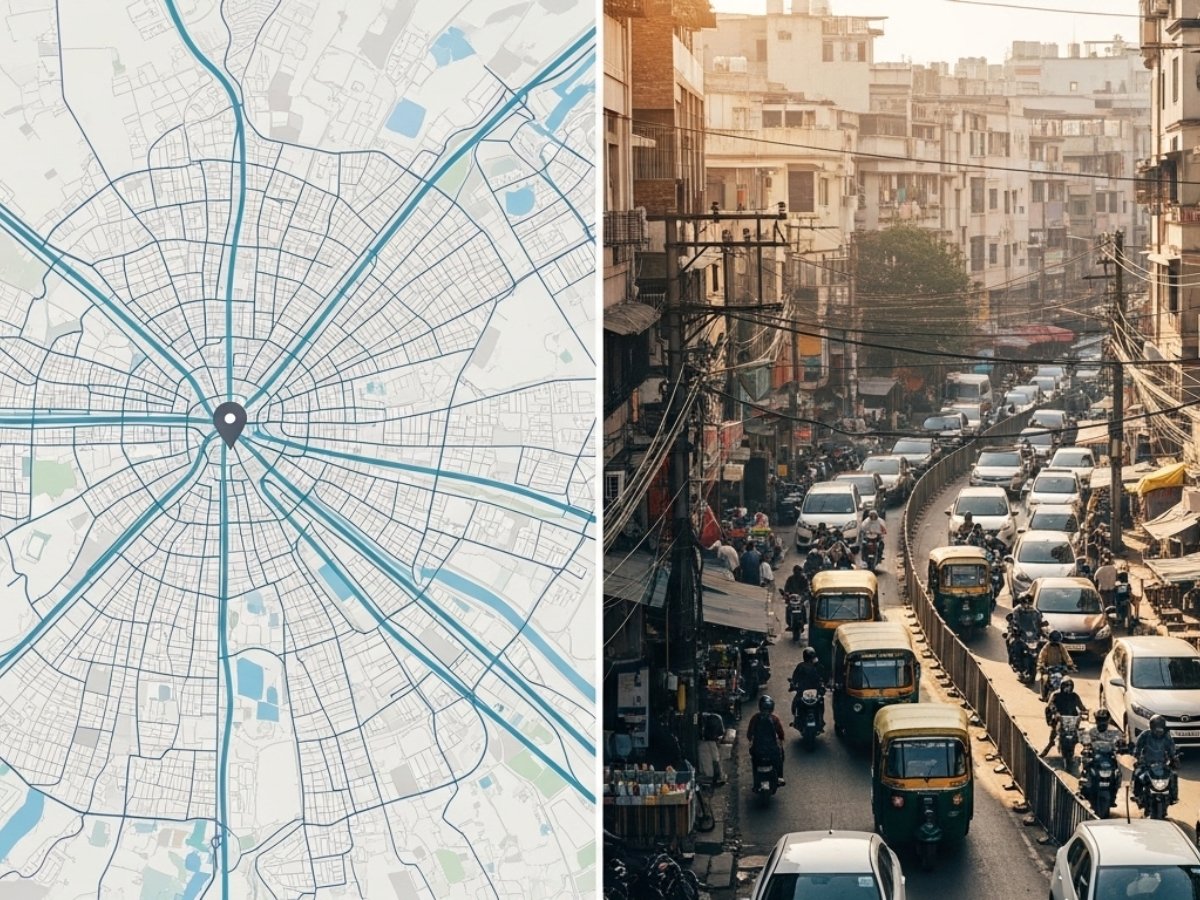
In residential property, being closer to Panvel station, market areas, schools, and the main urban core usually improves value. In industrial property, that same centrality can become friction. Narrower roads, mixed local traffic, pedestrian density, municipal pressure, and timing restrictions on heavier vehicles can reduce actual usefulness.
This is why “closer to Panvel” does not automatically mean “better for industrial use.”
A warehouse operator does not care much about being close to a market if trucks struggle to enter, turn, load, and exit efficiently. A manufacturing unit does not benefit from urban centrality if power costs are high, water is unreliable, or compliance becomes messy. A small distributor, on the other hand, may benefit a lot from central access because it depends more on local delivery density than trailer movement.
Panvel is also not one uniform authority environment. Depending on the exact pocket, the practical experience can change because of different planning and operating realities linked to PMC, CIDCO, or MIDC-led ecosystems. That difference can affect water, roads, execution risk, and long-term usability in a very real way.
When does Old Panvel still make sense for an industrial user?
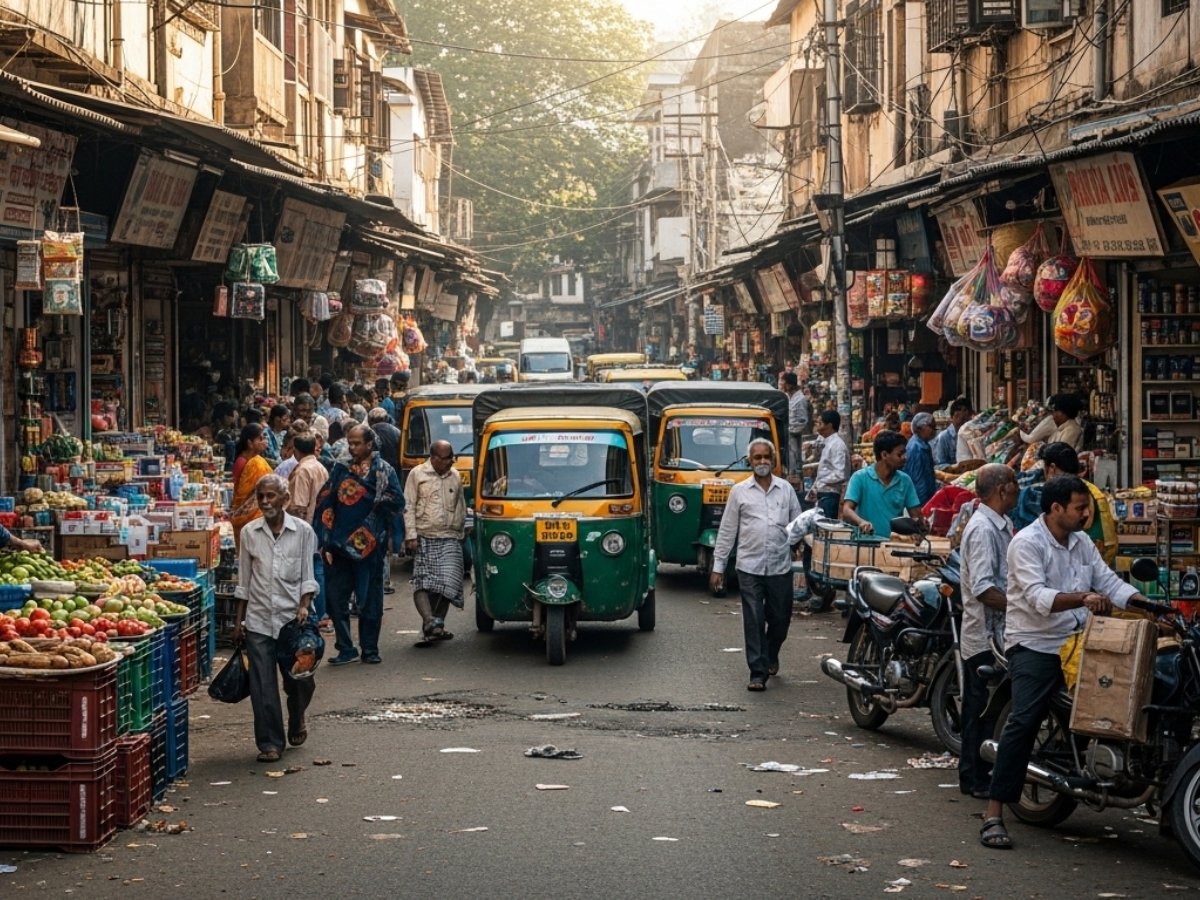
Old Panvel is not the wrong choice by default. It is just the wrong choice for the wrong kind of user.
Where Old Panvel helps more than it hurts
Old Panvel still makes sense for smaller operational users who need central access more than scale. This includes local distributors, stockists, service-led engineering operators, repair and support businesses, and some fast-moving trade-linked users.
The advantage here is simple. The area already has deep commercial behavior, workforce familiarity, and local circulation strength. If your daily movement depends more on light commercial vehicles, smaller loads, and human accessibility, Old Panvel can remain functional.
It can also suit users whose business value comes from being plugged into existing local commercial networks rather than running a modern freight-heavy warehouse.
Where Old Panvel becomes operationally weak
The problem starts when buyers mistake central activity for industrial suitability.
Old Panvel is usually weak for large-format warehousing, heavy truck movement, extensive docking activity, or any business that needs smooth multi-axle operations. Internal road width, congestion, aging local infrastructure, and mixed-use friction all start working against you.
This is where many people get trapped. On paper, central Panvel feels connected. On the ground, heavy industrial users can lose time, movement flexibility, and operating efficiency.
> Caution > Old Panvel can work for micro-logistics and service-linked industrial use. It usually does not work well as a serious scale play for modern warehousing or truck-intensive operations.
Is New Panvel actually a middle-ground option, or just a map-level assumption?

New Panvel often looks like the balanced answer. In practice, it is more selective than that.
Which types of users can still work from selected New Panvel-side pockets
New Panvel can suit cleaner, lower-friction industrial or operational uses. Think light assembly, testing, packaging, corporate support functions, back-end logistics coordination, or operations where staff movement matters more than trailer movement.
Its planned layout and better urban structure make it feel more organized than Old Panvel. That helps certain occupiers. Human access is better. The overall environment is more compatible with cleaner, white-collar or semi-technical operations.
For some occupiers, especially those who want a Panvel-side base without moving too far into raw outer belts, New Panvel can act as a transition zone.
Why New Panvel is not automatically an industrial winner
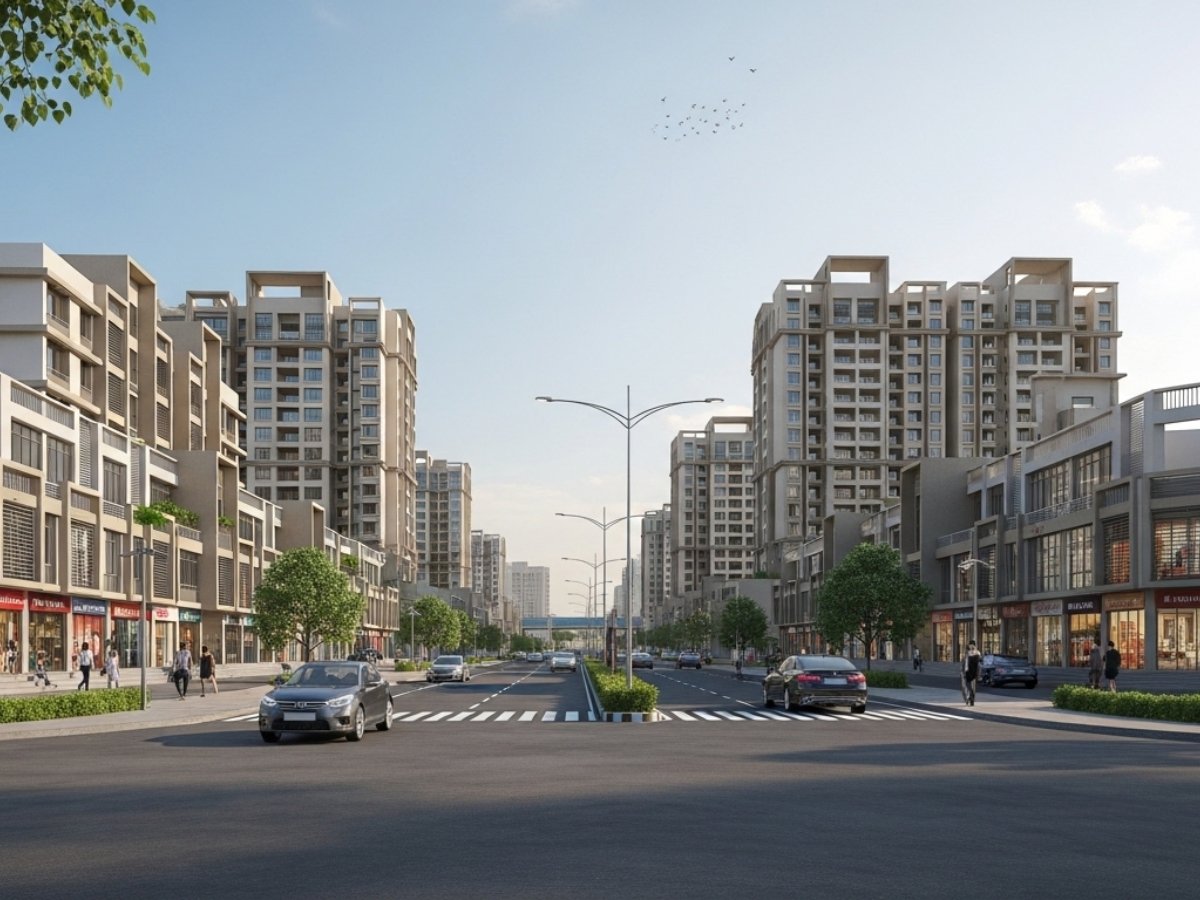
But this is the part that matters: New Panvel is not a true industrial heartland.
For standard warehousing or heavy manufacturing, the economics and operating reality often stop making sense. Land can be too expensive for low-margin warehouse logic. Community resistance to constant heavy movement can become a serious issue. Residential pressure changes what is practically workable even if a map makes the area look well connected.
A clean packaging or assembly unit may fit. A heavy warehouse with continuous truck flow often will not.
A useful way to think about New Panvel is this: it is not a weak area, but it is not a universal industrial answer either.
Why peripheral belts usually attract more serious industrial and warehouse users
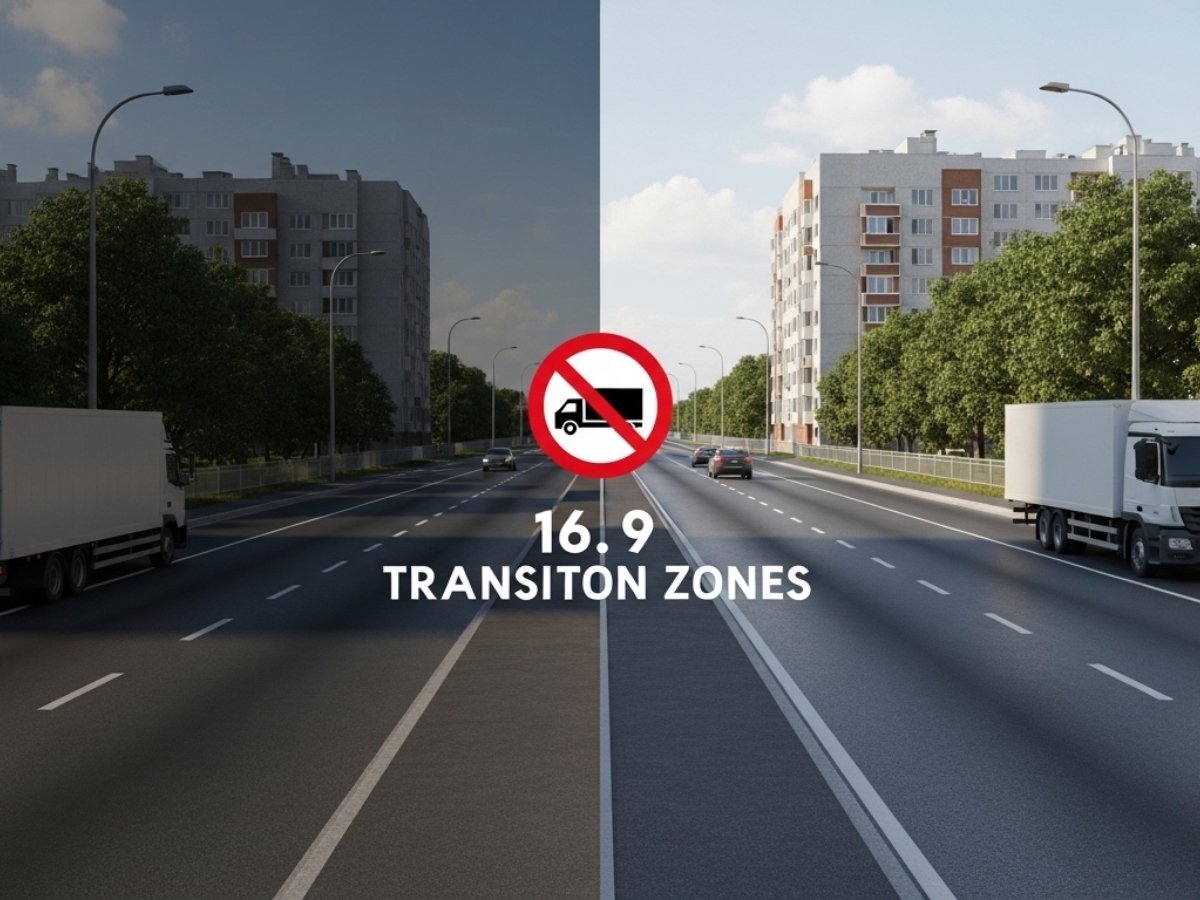
The outer belts attract serious industrial capital because they solve the problems central Panvel cannot.
Larger industrial users need land scale, truck turning radius, loading depth, expansion room, and lower urban interference. That is why corridors such as Taloja MIDC, Palaspe-side logistics stretches, and Rasayani-Patalganga-type industrial zones matter so much more to real industrial users than central Panvel labels.
These locations are not attractive just because they are “outside.” They are attractive because industrial geometry becomes possible there.
A Grade-A warehouse or 3PL operation cannot function properly in a location that only looks good on a brochure. It needs actual trailer access, working approach roads, smoother highway linkage, and enough land for docks, staging, and circulation.
Peripheral belts also become stronger when utility logic improves. For example, regulated industrial environments like MIDC matter because they bring some structure to land use, water, power, and environmental handling that raw outer land often does not.
At the same time, not all peripheral zones are equal.
There is a huge difference between a regulated industrial belt and a speculative fringe. Taloja MIDC and Rasayani-Patalganga are very different from a raw outer pocket where land is still tied up in conversion uncertainty, weak civic infrastructure, or local resistance.
That is where careless buyers get hurt.
Which belt suits which type of industrial user?
This is the most important comparison in the whole article. The correct belt depends on the business model.
| Industrial user type | Best-fit belt | Why it usually fits |
|---|---|---|
| Small distributor or last-mile operator | Old Panvel or central edges | Local market access, workforce availability, light vehicle movement |
| Warehouse or 3PL operator | Peripheral belts such as Palaspe-side corridors or outer logistics pockets | Truck movement, bigger plots, loading geometry, lower central congestion |
| Light manufacturing or engineering user | Selected peripheral belts or structured transition zones | Needs better operational reliability without necessarily needing extreme urban centrality |
| Heavy manufacturing or chemical operator | Taloja MIDC or Rasayani-Patalganga-type regulated belts | Requires dedicated industrial ecosystem, power, water, compliance structure |
| Corporate logistics office or clean assembly setup | New Panvel or selected transition corridors | Better fit for people access, planning quality, and cleaner operational profile |
| Speculative long-horizon land investor | Select peripheral influence areas only with high caution | Long-term upside possible, but execution and conversion risk is high |
Small distributor or service-led operator
This user usually values local reach more than industrial scale. For them, Old Panvel can still work.
Warehouse or logistics occupier
This user should usually start from peripheral logic first, not central Panvel logic. If truck movement is core, the outer belts are usually stronger.
Light manufacturing or engineering user
This depends on whether the operation is labor-led, machine-led, or freight-led. Some cleaner operations can function closer in, but power, loading, and utility support still matter.
Investor buying for future industrial demand
This reader should be most careful. Cheap peripheral land is not automatically a good industrial asset. If the land use path is unclear, the asset can remain idle for years.
What matters more here: people access, truck access, or land scale?
There is no single answer. The priority depends on what your business cannot compromise on.
Use this quick decision checklist:
- If your business depends on multi-axle truck movement, truck access comes first.
- If your business depends on technicians, staff retention, or easy daily commuting, people access matters more.
- If your model depends on future expansion, storage depth, or larger built-up footprints, land scale becomes critical.
- If your business needs heavy water, power, or environmental support, utility structure matters more than map centrality.
- If your operations are low-margin and movement-heavy, last-mile friction can quietly destroy profitability.
This is why some businesses should never choose land just because it is near Panvel city. The more freight-heavy the operation, the more dangerous that shortcut becomes.
How road link, congestion, and last-mile movement change the answer across these belts
A location can look close to a major road and still perform badly.
That is one of the biggest practical truths in this market.
Central movement friction
Central belts suffer because map-level access and on-ground access are not the same. Internal roads, congestion, mixed-use movement, and turning limitations matter more than straight-line distance.
This problem becomes worse when regional traffic restrictions also affect how and when heavy vehicles can move. If your loading schedule is time-sensitive, even a good location on paper can become operationally weak.
Highway and connector advantage
Peripheral belts tend to win because they reduce this friction. Wider approaches, better industrial geometry, and direct outer-link movement improve actual transport efficiency.
The 2025-26 disruption linked to the Kalamboli Circle and the Panvel-side expressway exit issue is a good reminder here. Central chokepoints can paralyze movement faster than many buyers expect. Users who rely too heavily on one corridor without backup access take real operating risk.
The difference between visible access and usable access
This is the line buyers should remember: visible road access is not the same as usable freight access.
A property beside a major road still fails if:
- the internal approach is weak
- multi-axle vehicles cannot turn properly
- local traffic interferes too much
- loading and docking are compromised
- legal or timing restrictions reduce movement windows
Should you buy, lease, or wait depending on the belt you choose?
This decision should change by belt.
Old Panvel buy-vs-lease logic
Leasing usually makes more sense in Old Panvel for most operational users. Buying can lock capital into a location that may be useful for small-scale activity today but weak for future industrial scaling.
New Panvel buy-vs-lease logic
Again, leasing often works better unless the exact use case is very clear. New Panvel is selective. If you are not fully sure your operation suits a transition-style environment, do not overcommit capital early.
Peripheral belt buy-vs-lease logic
This is where the decision becomes more strategic.
In regulated industrial ecosystems such as Taloja MIDC or Patalganga-type zones, long-term acquisition of leasehold rights can make sense because it gives operational security and protects against future rental inflation. The dossier also supports that rental growth in Taloja has been strong enough to matter.
In raw fringe belts, buying land is much riskier unless entitlement, planning fit, and utility feasibility are very clear. In those cases, built-to-suit or long-term leasing can be smarter because it shifts much of the execution risk away from the occupier.
What local checks matter before you call any Panvel-side industrial asset “good”?
This is where practical due diligence starts.
Land use and planning fit
First, identify the governing authority clearly. Is the pocket effectively under PMC, CIDCO influence, or MIDC structure? That one answer changes the quality of planning, water reliability, industrial control, and long-term predictability.
If the asset is agricultural or conversion-dependent, do not treat “NA in process” as a safe status. Under the post-December 2025 framework, the process may be more streamlined on paper, but documentation, title continuity, and NOCs still matter. Unconverted land cannot be treated as ready industrial stock.
Approach road and truck movement reality
Check the road yourself. Not on a map. On the ground.
Look at:
- actual road width
- truck turning radius
- loading entry angle
- internal movement
- flood-prone edges
- local traffic conflict
- day and evening movement conditions
Asset usability versus brochure promise
A plot or shed may be legally available and still be operationally weak. The question is not only whether you can buy it. The question is whether your business can run properly from it.
Authority and paperwork checks that reduce avoidable mistakes
Use official structure where it matters:
- MIDC tenure is typically leasehold, often around 95 years, not true freehold in the common sense
- ASR or ready reckoner rates are tax baselines, not proof of live market value
- MahaRERA may not protect buyers in many standalone industrial or fringe-shed situations
- Mathadi cost implications matter if your loading and unloading model remains manual and unmechanized
> Caution > The difference between Taloja MIDC and weaker PMC-side fringe pockets is not cosmetic. It can change water reliability, environmental viability, truck movement practicality, and the entire cost structure of operations.
Common mistakes people make when comparing Old Panvel, New Panvel, and peripheral belts
The first mistake is treating Panvel like one uniform industrial market.
The second is assuming New Panvel is the perfect balance just because it looks planned.
The third is buying cheap peripheral land without a real, document-backed path to usability.
The fourth is confusing highway closeness with warehouse practicality.
The fifth is ignoring labor and operating cost structure. In Maharashtra, manual loading and unloading can bring Mathadi-linked cost implications unless the facility is designed and operated in a way that fits mechanized exemptions.
The sixth is dismissing MIDC land just because it is leasehold while underestimating the real cost of creating independent infrastructure on an unregulated freehold village plot.
FAQs
Is Old Panvel good for warehousing?
Usually not for serious large-format warehousing. It can work for smaller storage and local distribution, but heavy truck-led warehouse logic usually performs better in peripheral belts.
Is New Panvel better than Old Panvel for industrial use?
For some cleaner and more structured operations, yes. But for true warehouse-heavy or manufacturing-heavy use, New Panvel is still not automatically the better industrial answer.
Why do peripheral belts often suit warehouses better?
Because they usually offer better land scale, truck circulation, loading geometry, and lower central congestion. That matters more to warehouse users than urban centrality.
Should industrial users prioritize highway access or central location?
Usually highway-linked usable access matters more for freight-heavy users. Central location matters more for people-led, smaller, lighter operations.
Is buying land in a peripheral belt better than leasing a ready shed?
Not always. If the land still carries conversion, planning, utility, or title risk, leasing a ready or built-to-suit industrial asset can be the safer commercial decision.
Final verdict: how to choose the right belt without overthinking the map
Here is the simplest decision rule.
Start with the heaviest thing your business moves every day. If it is heavy freight, trailers, industrial loading, or continuous warehouse circulation, start with peripheral belts first. Then narrow down only to the pockets where land status, utility support, and approach geometry are genuinely workable.
If your business is people-led, smaller-format, cleaner, or local-market dependent, then Old Panvel or selected New Panvel pockets may still make sense. But even then, choose by exact road and asset logic, not by label.
So which side actually works?
Old Panvel works for small, local, light-movement industrial users. New Panvel works for selective transition-style operations. Peripheral belts work best for serious industrial scale.
That is the real answer. Not one belt is universally better. But for most warehouse, logistics, and larger industrial users, the center of gravity has already shifted outward. In Panvel, industrial suitability is not decided by what looks closest on the map. It is decided by what can actually operate every day.