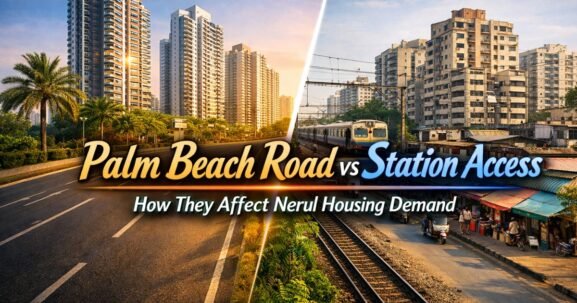

Old Panvel vs New Panvel: Which Is Better for Living and Buying?
Old Panvel is usually better for people who want daily convenience, older market access, railway practicality, and a highly central location. New Panvel is usually better for buyers who want wider roads, more planned sectors, newer housing options, and a calmer residential feel. So the better choice depends on what you value more: time and centrality, or space and structured planning.
Panvel is one of those places where people often think the answer should be simple. It is not. On paper, both are “Panvel.” On the ground, they behave very differently. One feels like an old active town that never really slows down. The other feels like a planned expansion that gives you more breathing room, but not always the same immediacy.
That is exactly why this comparison matters. A buyer choosing between Old Panvel and New Panvel is not only choosing a location. They are choosing a daily rhythm, a property type, a commute style, and in many cases, a different risk profile.
Old Panvel vs New Panvel: the short answer
If you want the shortest practical answer, use this:
- Choose Old Panvel if your life depends on market access, railway convenience, bus connectivity, and being in the middle of everything.
- Choose New Panvel if your priority is broader roads, more organized residential planning, newer apartment stock, and a more family-friendly layout.
- For investment, the answer depends on whether you prefer redevelopment-led upside in older central areas or infrastructure-led growth in the planned side.
Quick summary
| Ulwe vs Taloja: Investment Reality Comparison (2026) | ||
|---|---|---|
| Investment Metric | Ulwe (2026 Market Reality) | Taloja (2026 Market Reality) |
| Primary growth driver | NMIA, Atal Setu, Aerocity ecosystem | Metro Line 1, MIDC, Kharghar spillover |
| Market type | Maturing, premium-leaning growth market | Emerging, budget-driven growth market |
| Approximate actual transaction range | ₹10,500 to ₹11,500/sq. ft. | ₹5,200 to ₹7,000/sq. ft. (varies by phase and project) |
| Typical 1 BHK entry | ₹40 lakh to ₹55 lakh | ₹24 lakh to ₹45 lakh |
| Rental yield pattern | Around 3.5% to 4.0% | Around 2.5% to 3.0% |
| Better for | Long-term strategic investors, rental-focused buyers, stronger resale confidence | Low-budget entry buyers, selective long-hold investors |
| Main risk | Overpaying vs actual market rates, uneven sectors | Water shortage, civic gaps, stalled or weak execution |
What exactly counts as Old Panvel and what is usually called New Panvel?
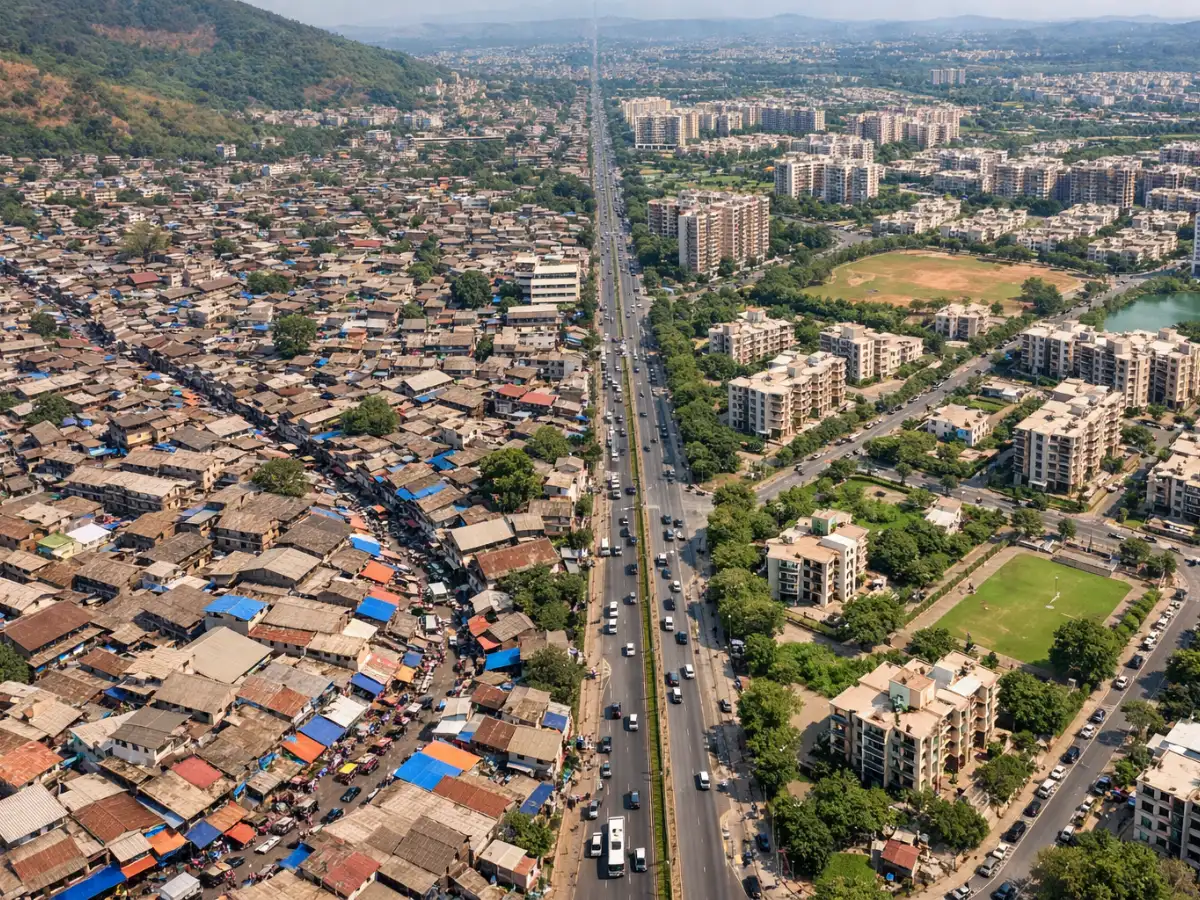
The first confusion starts here. Many people use these names loosely, and that creates bad buying decisions.
Old Panvel is the historical core. It grew organically as a town, not as a planned modern node. That is why it has older bazaars, denser commercial activity, narrower internal roads, and a more traditional urban form. Places around old market belts and legacy local clusters usually fall into this side of the comparison.
New Panvel is the CIDCO-planned expansion. It was built with sector logic, wider roads, more open spacing, and more predictable layouts. In practical terms, this is where the “planned township” feel becomes visible. It is also important to remember that New Panvel itself is not one single uniform area. The East and West sides can feel quite different in daily use.
Why many buyers misunderstand this comparison
A lot of buyers assume Old Panvel means “old and cheap” and New Panvel means “new and expensive.” That is not how the market actually works.
Old Panvel often commands a higher rate despite older stock because people are paying for centrality, established use, and immediate access to railway, bus, and market networks. New Panvel often looks more modern, but that does not automatically mean every pocket is more expensive or more practical.
Why the answer changes by pocket, not just by name
This is the most important caution in the article. Do not buy or reject either side only by label.
A property near active transport links in New Panvel East will behave differently from one in a quieter West-side sector. A building in a better road-width pocket of Old Panvel may be far more valuable than an isolated “newer” flat sold mainly on brochure appeal. In Panvel, micro-location matters more than people think.
> Caution: “Old Panvel vs New Panvel” is really a comparison between an established urban core and a planned expansion zone. It is not a simple old-versus-new quality judgment.
Which one feels better for daily living?
For pure daily practicality, Old Panvel and New Panvel offer two very different lifestyles.
Old Panvel is easier if you want to get things done quickly. Markets, local services, retail activity, and day-to-day errands are deeply embedded into the area. This can be very useful in real life. You step out, and the city is already functioning around you.
New Panvel usually feels better if your priority is residential comfort. The roads are wider, the planning is more structured, and the environment generally feels less compressed. For many people, especially families, that difference becomes visible within one week of living there.
Markets, walkability, and everyday convenience
Old Panvel wins on traditional urban convenience. If your life includes frequent small errands, market visits, short walking trips, and quick access to the station or ST bus side, it can feel very efficient.
That convenience, however, comes with friction. The same density that helps daily access also creates clutter, bottlenecks, loading-unloading activity, and more traffic stress.
New Panvel is less intense. It does not always give you the same old-town market immediacy, but it often gives you a more comfortable residential pattern. Daily life feels more spread out and less compressed.
Roads, layout, parking, and residential comfort
This is where New Panvel generally performs better. CIDCO-style planning, wider internal roads, and better sector organization make a visible difference for vehicle movement, parking, and general breathing space.
Old Panvel can feel tighter, especially in older lanes and busy internal stretches. Even a short local drive can feel slower because the roads were not built for current traffic volumes.
Which side usually feels more crowded and which feels more planned
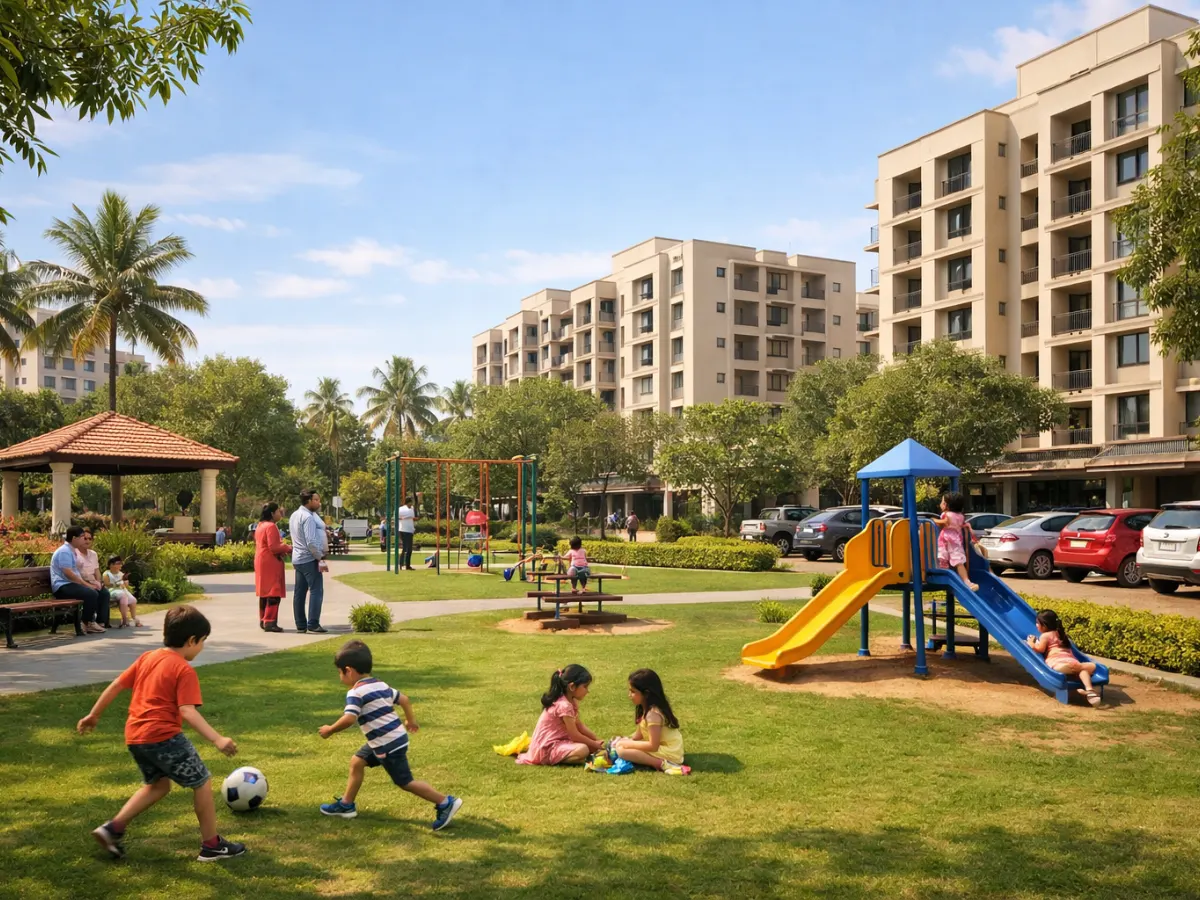
Old Panvel usually feels more crowded. New Panvel usually feels more planned. That is the simplest honest way to say it.
But planned does not always mean flawless. Some older CIDCO blocks in New Panvel can still have utility problems, especially where infrastructure has aged or building systems are weak. So the “cleaner residential feel” of New Panvel is real, but it should still be checked building by building.
Which one works better for commuting?
This answer depends less on branding and more on your route logic.
If you are a rail commuter, Old Panvel and parts of New Panvel East usually make more sense. If you are road-dependent and regularly drive toward highway-led destinations, New Panvel West often becomes more practical.
Railway access and station-side practicality
Old Panvel has a strong advantage for people who want direct practical access to Panvel Railway Station and the ST Bus Depot. If your routine depends on catching trains without too much first-mile hassle, this matters a lot.
New Panvel East can also work well for station-linked commuting, but not every sector gives the same frictionless access. A map may look close, but daily movement through traffic and internal approach routes can still affect the real commute.
Highway and road-led movement
New Panvel West, especially the Khanda Colony side, tends to suit road commuters better. The route logic is different here. Many people living in this side are not depending on the same station-side flow that defines Old Panvel and the East side.
That makes a difference for professionals who travel by road toward CBD Belapur, TTC-side work zones, or highway-linked business movement. The western orientation can reduce daily friction.
Who benefits more from Old Panvel and who benefits more from New Panvel
Here is the easy commuter rule:
- If your day starts with railway timing, Old Panvel or station-friendly New Panvel East usually works better.
- If your day starts with car movement and highway merging, New Panvel West usually feels more efficient.
A buyer who ignores this distinction can easily choose the wrong side even after buying in the “right” broad area.
Which one is usually better for buying property?
For buying, New Panvel is usually safer for people who want newer housing formats, more standardized layouts, and a more modern residential environment. Old Panvel is usually stronger for buyers who value centrality so much that they are willing to accept older stock and more urban friction.
That said, neither side should be judged only by appearance.
Entry budget and apartment type
Old Panvel often surprises buyers because it is not automatically cheaper. Approximate Q1 2026 market bands put many Old Panvel properties around ₹10,000 to ₹14,000 per sq. ft. The centrality premium is real.
New Panvel gives a broader band. Depending on East or West and the exact micro-location, the market may sit around ₹6,500 to ₹12,903 per sq. ft. This gives more flexibility, especially for buyers who want to enter the Panvel market without paying pure old-core premiums.
Resale stock in Old Panvel vs newer supply in New Panvel
Old Panvel is largely a resale market. That can be good if you want immediate possession, visible locality maturity, and a central address. But many societies are older, and building age cannot be treated lightly.
New Panvel offers more modern stock, better parking norms, better internal layouts, and more recent supply in many pockets. For a buyer who wants a flat that “feels current,” this side generally looks more attractive.
What buyers should not assume from brochure language
This matters a lot in Panvel.
Do not assume that:
- old means weak value
- new means strong quality
- planned means better utilities
- MahaRERA registration means construction quality is automatically good
Field-level engineering concerns in the broader Panvel belt show that some smaller budget projects can develop serious leakage and dampness within a few monsoon cycles if basic execution was weak. So when buying in New Panvel or adjacent expansion belts, construction quality still has to be checked properly.
Price matters, but what are you really paying for in each area?
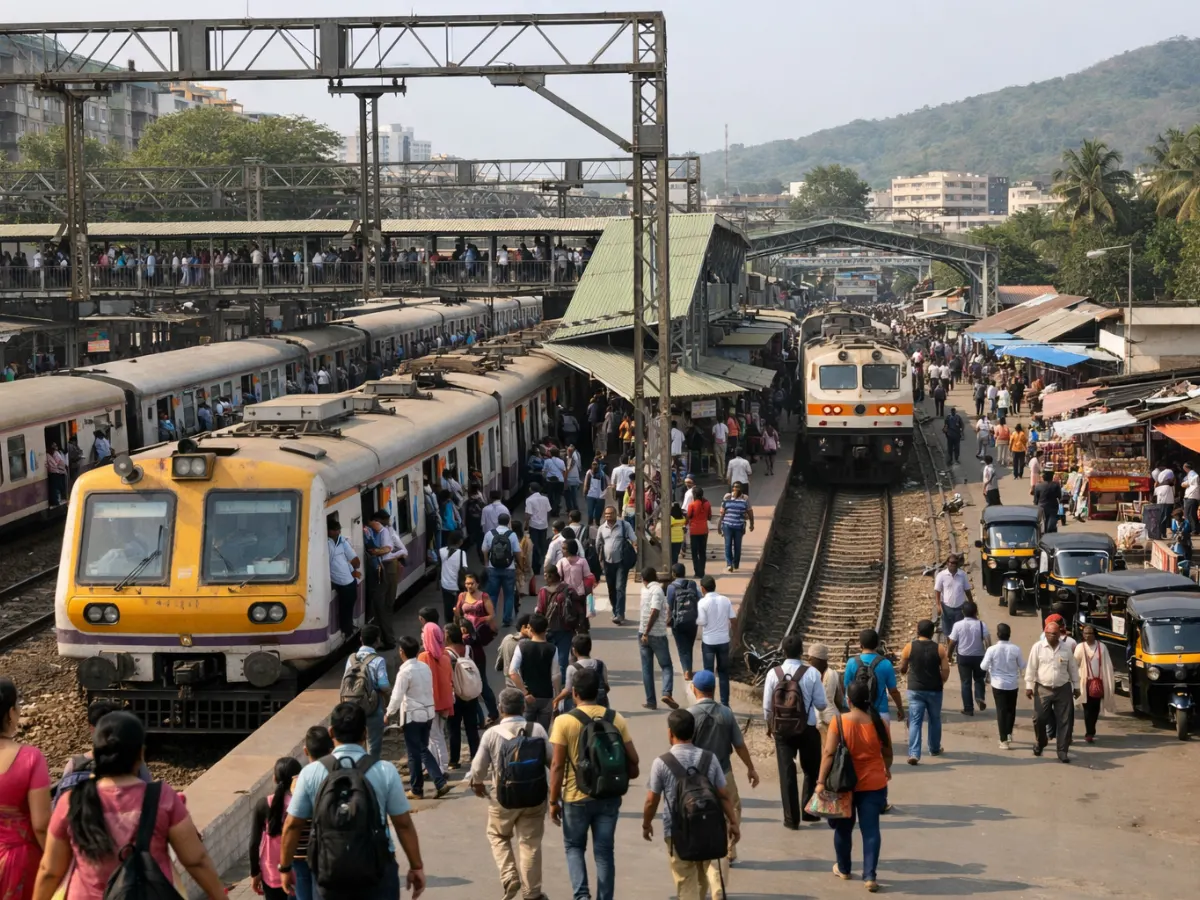
This is where many buyers get confused. They compare rate per sq. ft. but do not ask what that rate is actually buying.
In Old Panvel, you are often paying for time. You are buying centrality, walkability, access to legacy markets, and a more immediate city experience. Even if the building is older, the location keeps its value because the daily-use ecosystem is already there.
In New Panvel, you are usually paying for order. You are paying for planning, broader roads, sector structure, more open feel, and in many cases a more modern residential format.
So the price difference is not only about building age. It is also about what kind of life the location supports.
Which area suits families better?
For most families, New Panvel is usually the better choice. The reason is simple. Daily family life needs road comfort, calmer surroundings, open space, and school routine efficiency more than it needs market density.
Old Panvel can still work for some families, especially those that value centrality, old community networks, and immediate service access. But if the question is “Which side usually feels easier for family living?” New Panvel has the advantage.
School runs, daily errands, and routine comfort
Family life is not judged by one Sunday visit. It is judged by Monday morning.
New Panvel generally supports family routine better because the planning is more forgiving. School access, internal driving, elderly movement, and children’s daily use of local open spaces are usually easier to manage in a planned side than in a dense old-core environment.
Open space, traffic feel, and residential calm
This is another strong point for New Panvel. The presence of gardens, broader internal layouts, and less compressed urban form gives it a more livable family rhythm.
Old Panvel is active and useful, but it can also feel constantly busy. If you have children, elderly parents, or a routine that depends on calmer movement, that difference becomes important very quickly.
Which side makes more sense for first-time buyers and budget buyers?
There is no universal winner here. Budget buyers must look beyond the advertised rate.
New Panvel may look friendlier because entry pricing can be lower in several sectors. But some purchases there carry a major hidden burden: CIDCO transfer charges in resale transactions.
Old Panvel may look central and stable, but older buildings can bring repair risk, maintenance pressure, and future sinking-fund stress.
Decision checklist for cautious first-time buyers
Use this before choosing either side:
- Is the lower base price hiding a heavy transfer-charge burden?
- Is the older building likely to need structural repairs soon?
- Is the location saving you daily commute time?
- Are you buying for actual use or only future hope?
- Is the society condition strong enough for the next 5 to 10 years?
- Are you checking total cost, not just agreement value?
A buyer who sees only loan eligibility and ignores closing cost or repair liability can make a weak decision on either side.
Which one is stronger for investment: Old Panvel or New Panvel?
Both have investment logic, but the logic is different.
Old Panvel’s stronger thesis is stability plus redevelopment potential in the right pockets. New Panvel’s stronger thesis is connectivity plus expansion-led appreciation in the right pockets. So the real question is not which one has “better investment.” The real question is what type of investment logic you believe in.
Stability vs upside
Old Panvel often offers stronger centrality and established demand. That gives it stability. In selected pockets, older stock may also have redevelopment potential under UDCPR 2020 norms, especially where road widths support viable FSI.
New Panvel offers a different kind of upside. It benefits from broader regional growth drivers around Panvel, including major connectivity improvements and the larger development story tied to the airport and surrounding influence zones.
Rental practicality vs future positioning
If your goal is practical tenant usability, location convenience matters more than marketing language. A flat that is easier to reach, easier to use, and easier to explain to a tenant often performs better than a more speculative purchase in an isolated growth belt.
That means both sides can work. Old Panvel may appeal through centrality. New Panvel may appeal through planning and better modern usability. But the final answer depends on micro-location, access, and building quality.
Why micro-location and building quality matter more than broad labels
This cannot be repeated enough. In Panvel, a strong building in the right road-connected micro-market can outperform a weak property in a “hot” label zone.
An investor buying in Old Panvel only for redevelopment hope must check road width, statutory viability, and society realities. An investor buying in New Panvel only for infrastructure story must check oversupply risk, actual locality maturity, and total transaction cost.
What local risks should buyers watch before choosing either side?
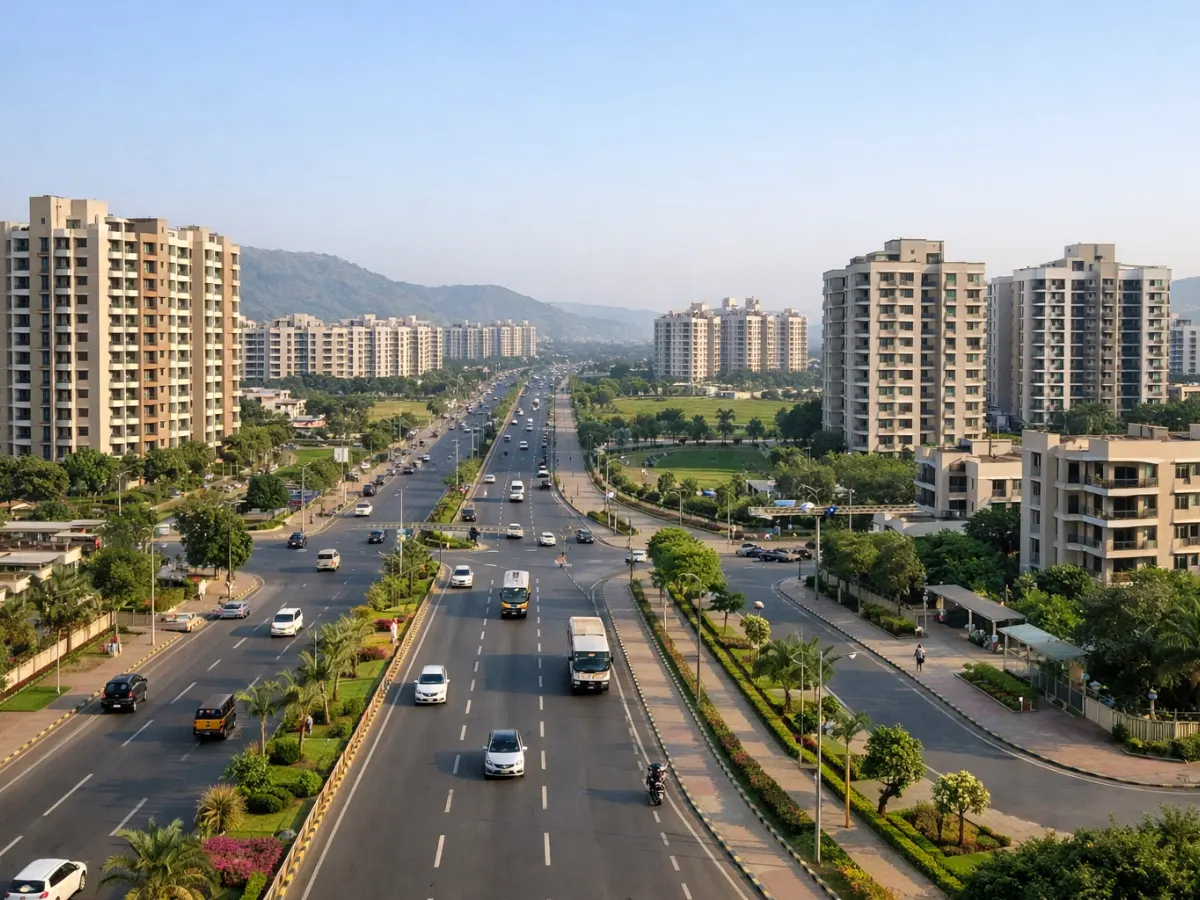
This is where a practical article becomes more useful than a brochure. Every buyer should understand that Old Panvel and New Panvel carry different risk patterns.
Old Panvel’s risk is usually physical aging. New Panvel’s risk is often administrative cost, uneven utility experience, or poor project-level execution.
Older building age, society condition, and maintenance reality
In Old Panvel, many buildings are older and that changes the buying equation. Leakage risk, society upkeep, repair burden, lift condition, plumbing fatigue, and structural wear all matter.
An old central flat may still be worth buying, but only after honest technical checking. Centrality does not cancel physical depreciation.
Project quality, locality mismatch, and overpromised growth
In New Panvel and surrounding expansion-linked pockets, buyers must be careful about “new equals good.” Some projects may look fresh but hide poor execution standards, especially in lower-budget segments.
That is why site inspection matters. Monsoon performance matters. Construction method matters. The gap between brochure appeal and lived quality can be wider than buyers expect.
Civic authority, paperwork, and area-specific verification
Panvel’s civic and regulatory reality is not simple. The region carries a dual-history effect. PMC governs the broader municipal framework, while CIDCO still remains important in land and transfer logic for planned nodes.
That means buyers should not treat paperwork casually.
> Buyer caution box: Before buying a resale flat, verify more than ownership. Check PMC property tax status, especially because retrospective tax enforcement has become a real concern. In CIDCO-linked properties, understand transfer charges properly. Use IGR Maharashtra title search logic, especially when old ownership chains may be complex. And where redevelopment hope is part of the investment thesis, remember that road width, approvals, and society consensus matter. It is never automatic.
So who should choose Old Panvel and who should choose New Panvel?

At this point, the answer becomes clearer.
If you want the most practical conclusion, this is it: Old Panvel is better for people buying convenience. New Panvel is better for people buying structure.
Final decision
| Which Area Suits Which Buyer? Old Panvel vs New Panvel Guide (2026) | ||
|---|---|---|
| Buyer Type | Usually Better Choice | Why |
| Rail commuter | Old Panvel or New Panvel East | Better practical access to station-side movement |
| Highway commuter | New Panvel West | Better road-led route logic and less dependence on station |
| Family with children | New Panvel | Better layout, calmer residential feel, easier routine management |
| First-time buyer (new flat) | New Panvel | More chances of modern layouts and parking-ready projects |
| Buyer prioritising centrality | Old Panvel | Stronger access to markets, buses, station, and daily needs |
| Redevelopment-focused investor | Select pockets in Old Panvel | Older stock + road-width-based FSI potential |
| Growth-led investor | Select pockets in New Panvel | Connectivity upgrades and expansion-driven value growth |
Best fit for end users
For end users, especially those planning to live there every day and not just hold an asset, New Panvel is usually more comfortable. The planning makes life easier.
But for end users whose work and routine depend heavily on station access and old-market convenience, Old Panvel still has a very strong case.
Best fit for commuters
Rail commuters should look harder at Old Panvel and station-friendly East-side pockets. Road commuters, especially those who want highway practicality, should examine New Panvel West more seriously.
Best fit for investors
Investors should not chase a label. They should choose a thesis.
If the thesis is centrality plus redevelopment logic, Old Panvel can work. If the thesis is regional growth plus planned expansion, New Panvel can work. But in both cases, the wrong pocket can weaken the whole investment story.
Best fit for families
Most families will usually prefer New Panvel unless a very specific Old Panvel pocket fits their routine better. Family life generally rewards calmer movement, space, and planning.
Conclusion
If you want the most balanced final answer, here it is: Old Panvel is usually better for living if your life depends on being close to the station, old markets, and fast daily convenience. New Panvel is usually better for living if your priority is family comfort, broader roads, and a more planned residential environment.
For buying property, Old Panvel suits buyers who are willing to accept older stock for a stronger central location, while New Panvel suits buyers who want more modern layouts, more organized surroundings, and a cleaner day-to-day residential experience.
So which is better? Not one area for everyone. But for most families and modern end users, New Panvel usually wins. For centrality, transit-heavy routines, and old-town convenience, Old Panvel still remains very hard to beat.
FAQs
Frequently Asked Questions