
Owe Dam Kharghar – Navi Mumbai | Full Details
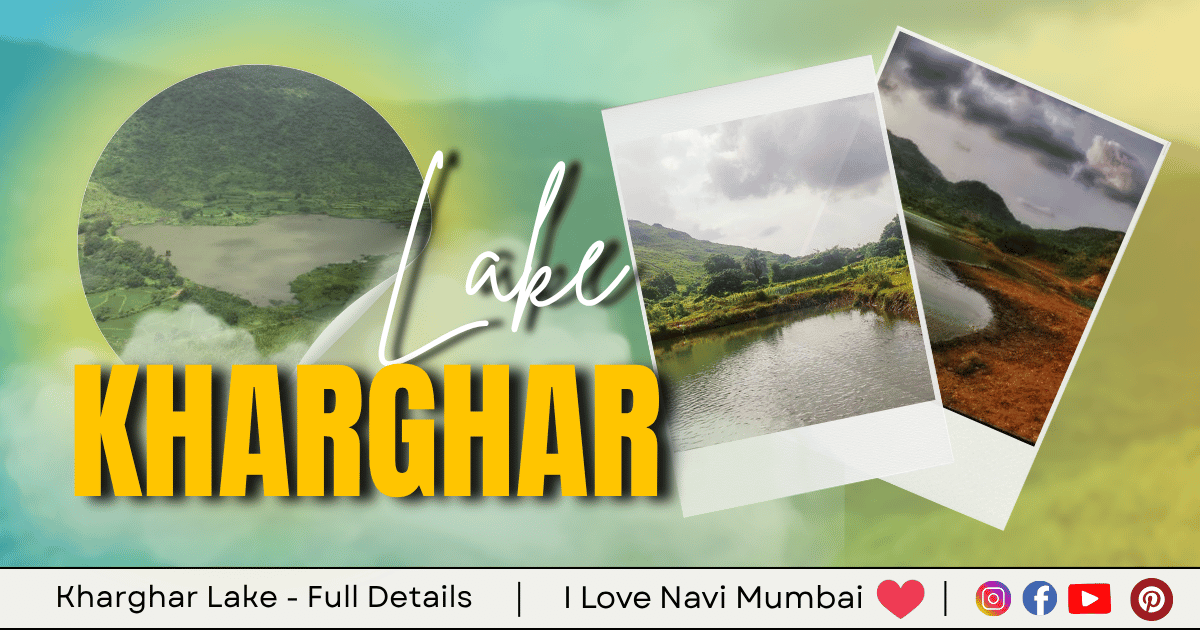
Owe Dam in Kharghar, Navi Mumbai is very calm, good to go trekking, photography or a picnic. It was initially constructed as water storage, but it is currently a serene vacation destination with picture postcard scenery, walks around the natural gardens, and birdwatching. Below you will have access to the finest of the information that you require to make the visit worthwhile.
Owe Dam Kharghar Overview
| Aspect | Details |
|---|---|
| Location | In Kharghar, Navi Mumbai, Maharashtra. |
| Purpose | Mainly for water storage and irrigation. |
| Best Time to Visit | From October through December, post-monsoon, when the weather is cool and the surroundings are lush and green. |
| Trekking Difficulty | Easy to moderate: suitable for casual trekkers. |
| Activities | – Trekking: For those scenic hills and nature lovers. – Photography: Good views to capture. – Picnicking: Relax with family and friends on the bank of the dam. – Bird Watching: Spot the local birds. |
| How to Reach | It is easily accessible by road from Kharghar (15-20 minutes drive). |
| Safety Tips | – Wear comfortable shoes while walking. – Stay away from the edge of the damn. |
| Nearby Attractions | – Kharghar Hills: For trekking and nature exploration. – Kharghar Golf Course: For the golfing enthusiasts. – Pandavkada Falls: A good popular waterfall adjacent to it. |
| Ideal Duration | 2-3 hours in and around the area. |
Owe Dam Kharghar Photos
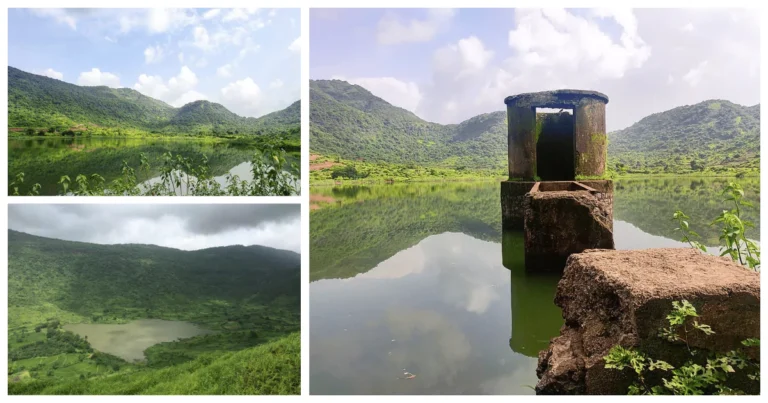
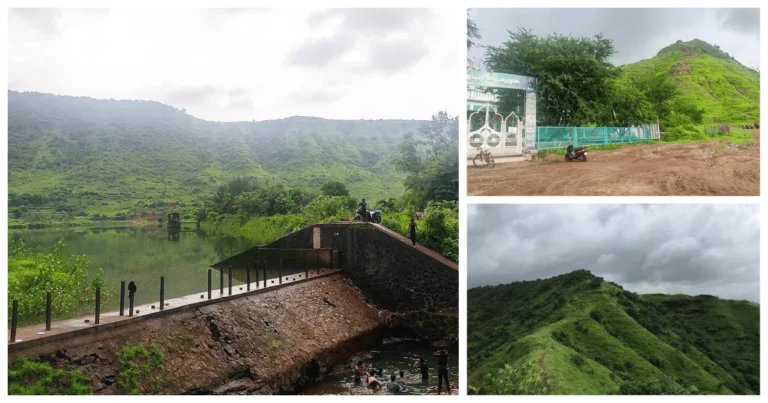
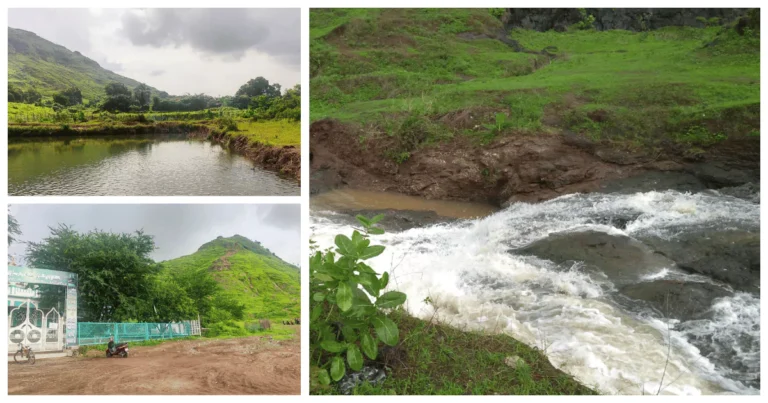
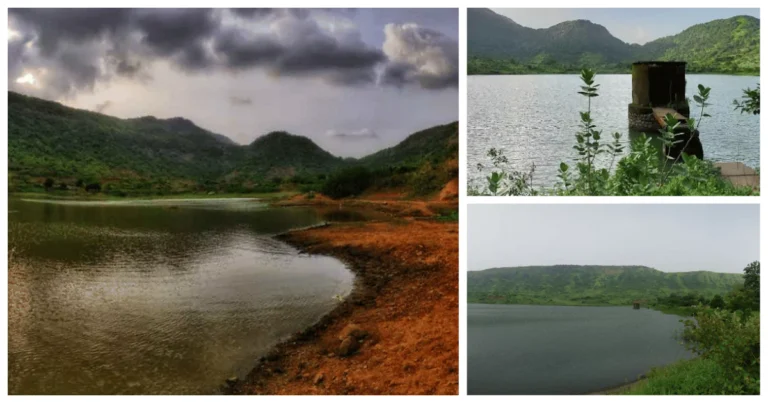
More Information of Owe Dam, Kharghar
How to Reach From Owe Dam Kharghar to NMIA By Car.
| Start Location | Destination | Total Distance | Estimated Time | Main Route | Major Roads / Landmarks | Toll Road | Special Notes |
|---|---|---|---|---|---|---|---|
| Owe Dam, Forest Area, Kharghar | Navi Mumbai International Airport (Ulwe) | 16.4 km | ~40 minutes | Owe Camp → Hazrat Syed Aamir Shah Qadri Road → Utsav Chowk / CISF Road → Sakaram Patil Marg → Palm Beach Road → NH348A → Airport Entry Road | Mazar, Owe Camp, Arham Arcade, MGM Hospital, Karnataka Bank (Belapur), Yacht Building, MLCP-11 Parking | Yes (NH348A) | Includes flyover and airport approach lane. Follow airport signboards near Ulwe exit. |
Note: These all routes are also for NMIA to Owe Dam kharghar by car.
How to Reach From Owe Dam Kharghar to NMIA By Train.
Bus Routes: Owe Dam (Kharghar Hills) to Navi Mumbai International Airport (NMIA)
| Route Option | Step-by-Step Bus Details | Total Time | Approx Cost | Operator |
|---|---|---|---|---|
| Route 1 | Walk (~23 min / 1.8 km) to Owe Camp → Bus 54AC to Kharghar Railway Station → Bus 49 to Belapur Railway Station → A-3 NMIAL Shuttle to NMIAL Terminal 1 → Walk (~900m) to Airport | ~1 hr 39 min | ₹57 | NMMT |
| Route 2 | Walk (~23 min) to Owe Camp → Bus 55AC to Ghansoli Depot → Walk (~8 min) to CBD Fire Brigade → A-3 NMIAL Shuttle from Belapur Railway Station → Walk to Airport | ~1 hr 35 min | ₹50 | NMMT |
| Route 3 | Walk (~24 min) to Owe Camp → Bus 52 to Belapur Railway Station → A-3 NMIAL Shuttle to NMIAL Terminal 1 → Walk to Airport | ~1 hr 43 min | ₹45 | NMMT |
| Route 4 | Walk (~23 min) to Owe Camp → Bus 55AC to CBD → Bus 23AC to Kharkopar Railway Station → Walk to Targhar → Targhar – NMIA Shuttle → Walk to Airport | ~1 hr 53 min | ₹50–₹60 | NMMT |
| Route 5 | Walk (~24 min) to Owe Camp → Bus 52 to Belapur Bus Depot → A-3 NMIAL Shuttle → Walk (~900m) to Airport | ~1 hr 43 min | ₹45 | NMMT |
Accessibility Features:
- Parking: There are parking spaces available for visitors coming in by car.
- No Specialized Facilities: There are no dedicated means of access, such as ramps or facilities for wheelchair use, and thus some visitors with limited mobility may have difficulty experiencing the whole of the area.
Best Time to Visit Owe Dam Kharghar
- Morning (6 AM – 10 AM): The cool and calm early mornings can be perfect for shooting or nature walks.
- Evening (4 PM – 6 PM): The evening charges the atmosphere with beautiful colors and pleasant weather, a perfect time for you to relax and enjoy the great sunset.
Activities to Enjoy at Owe Dam Kharghar
- Trekking: Take a leisurely stroll around the dam and the surrounding hills.
- Photography: Snap a picture of a tranquil lake, feasting its eyes on stunning scenic beauty and exotic wildlife.
- Picnicking: Spend some warm time with friends and family in the lap of nature.
- Bird-Watching: Identify the local birds in the serene ambient.
- Nature Walks: Go for a pleasant walk to absorb the greenery and natural beauty surrounding the dam.
Exploring the Surrounding Area






Tips for Visiting Owe Dam Kharghar
- Wear proper shoes for walking on the uneven path.
- Bring water and snacks to avoid hunger as there isn’t much food supply nearby.
- Go early or late to beat the heat and crowd.
- Never get too close to the water; keep a safe distance from the dam.
- Respect all aspects of nature: Don’t disturb plants or animals.
- Check the weather; best time coming is after the rains.
- Take a camera to capture the beauty around the dam.
- Keep it quiet to respect the peace of the others.
Rules and Regulations at Owe Dam, Kharghar
- Do not litter: It should be made clear that waste should be properly placed in bins to keep the area clean.
- Safety: Stay clear of the dam’s edge or water and take preventive measures to avoid accidents.
- Respect nature: Do not harm the animals, plants, or trees around the dam.
- No alcohol: You are disallowed to drink alcohol near the dam and forest.
- Be careful while trekking: Extreme caution should be exercised when trekking, especially at later monsoon times or after rain.
- Pets: Pets should be kept on a leash and owners should clean up after their pets.
- Noise: Be quiet so that others can enjoy their rest.
- Fire safety: No fires or barbecues should be set near the dam or forest area.
History of Owe Dam Kharghar
Owe Dam Kharghar, Navi Mumbai, was constructed mainly for providing water and irrigation. It acts as a lifeline for supplying water to the surrounding areas and supportive of agriculture in the region.
Situated near the Kharghar hills, the dam has become popular for its calm and picturesque surroundings. With the passage of time, it has became attraction for nature lovers, trekkers, and photographers providing the much-needed blend of utility and leisure.
There is not much reliable information about the construction date; but it is undoubtedly a part of the local infrastructure for a fairly long time. Today, it still stands a contributory part of the water management system of the area.