Panvel Industrial and Logistics Growth Guide: Best Pockets, Drivers, Risks and Business Fit
Panvel industrial and logistics growth guide, but only for the right kind of user. It works best as a gateway location for regional distribution, long-horizon warehousing, and trade-linked logistics that can use JNPA access, highway connectivity, and the wider Panvel–Raigad side land logic. It is not the best choice for every warehouse, every factory, or every investor who sees “near airport” in a brochure.
That is the first thing to understand.
A lot of people are reading Panvel the wrong way. They see NMIA, Atal Setu, JNPA, new highways, and suddenly assume that any industrial plot or warehouse in the wider Panvel region is automatically a smart move. On the ground, it does not work like that. Panvel is becoming more important, yes. But it is also becoming more selective, more expensive, and much more dependent on exact pocket, truck movement, authority control, and business fit.
If your operation needs clean large-format warehousing, regional dispatch, long-term lease stability, or west-India gateway access, Panvel deserves serious attention. If you need cheap fragmented sheds, flexible short leases, heavy process manufacturing, or immediate use of raw airport-side land, you need to be far more careful.
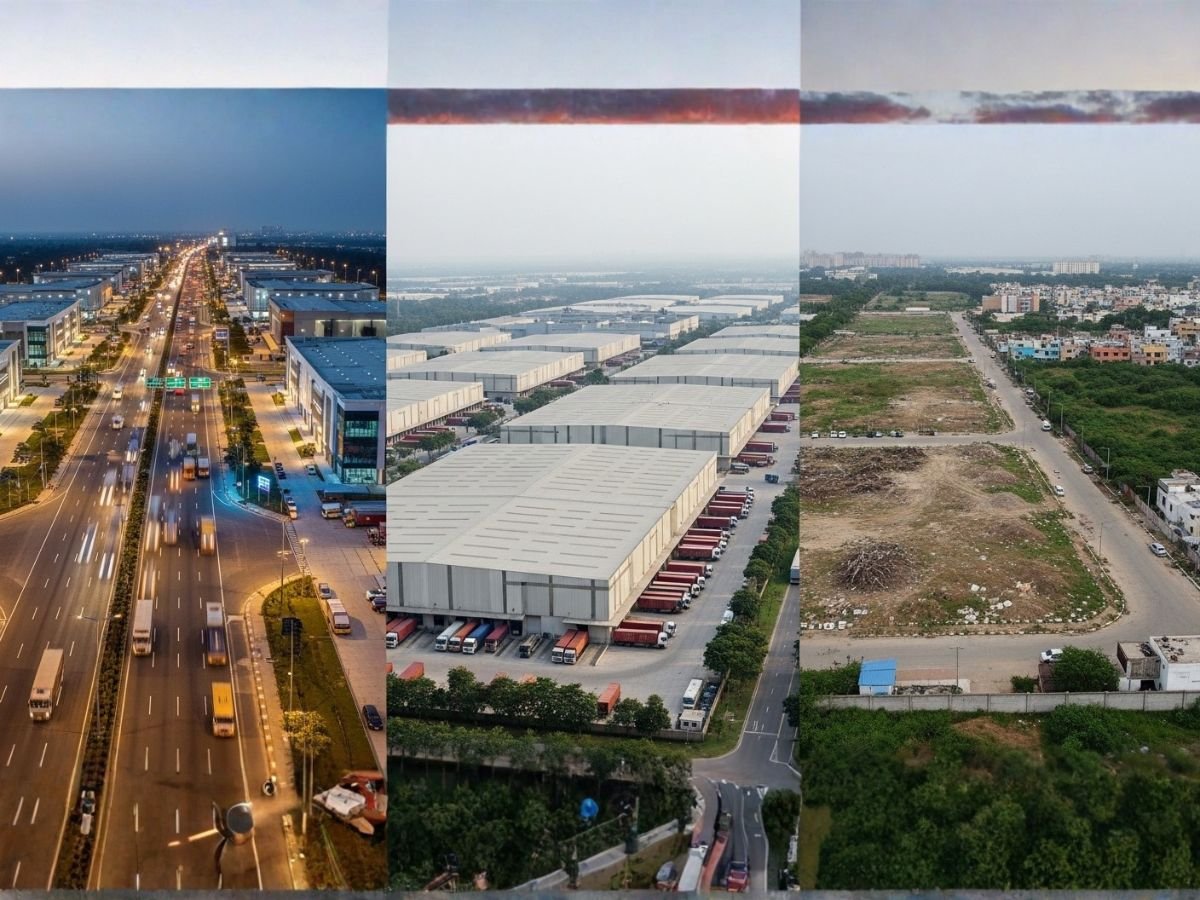
Quick summary: who should seriously consider Panvel?
| User / use case | Is Panvel a strong fit? | Best Panvel-side pocket type | Better alternative if not Panvel | Why |
|---|---|---|---|---|
| Large 3PL / organized logistics operator | Yes | Institutional warehousing clusters on the Panvel–Raigad side | Bhiwandi for shorter flexibility | Panvel works better for long-horizon, infrastructure-led logistics |
| Retail backend / regional distribution | Yes | Highway-facing or structured warehousing zones near major corridors | Kalamboli in some cases | Strong gateway logic if routes are planned properly |
| SME needing cheap basic storage | Usually no | Select fringe stock only after hard checking | Bhiwandi or cheaper fringe belts | Panvel pricing and structure can hurt margins |
| Clean assembly + warehouse user | Sometimes | Panvel-side hybrid locations near industrial ecosystems | Taloja fringe | Depends on power, access, and utility readiness |
| Heavy chemical / water-intensive manufacturer | Usually no | Not a default Panvel play | Taloja MIDC / designated industrial zones | Panvel is not the cleanest fit for process-heavy operations |
| Port-dependent exporter | Sometimes yes, sometimes no | Panvel if highway and regional spread matter | Dronagiri / JNPA side if direct port logic dominates | The right answer depends on whether port proximity or broader dispatch matters more |
| Pure land-banking investor in NAINA villages | Not automatically | Only with full regulatory clarity | Wait or reassess | Airport-side land is not the same as build-ready industrial land |
Is Panvel really an industrial and logistics growth belt, or just a real estate story?
Panvel is not just a real estate story anymore. There is real logistics depth here. The market is clearly attracting serious occupiers, long-term warehousing commitments, and gateway-led logistics interest. That part is real.
But the hype is also real.
The best way to understand Panvel is this: it is not rising as a cheap shed market. It is rising as a more institutional, infrastructure-linked, and increasingly structured logistics belt. That is a very different thing. When a belt starts seeing long lease structures, larger format occupiers, and serious logistics park development, it moves away from informal low-margin warehousing and towards long-term supply chain infrastructure.
That shift is already visible. A 28-year lease by Avenue Supermarts for a Panvel-side facility is not a speculative brochure event. It is a signal. A large renewal by DHL in the Panvel FTWZ ecosystem is also not casual demand. These are the kinds of moves that show real operational confidence, not just map-based excitement.
At the same time, people should not confuse that with “Panvel works for everyone.” It does not. The market is maturing in a way that rewards serious occupiers and punishes weak-fit users. Land is no longer cheap enough for the old logic of buying a basic parcel and putting up a tin shed without thinking through long-term utility.
Caution box: the biggest Panvel mistake
The most common mistake is assuming that infrastructure headlines automatically create logistics utility.
They do not.
A belt can be strategically important and still be operationally frustrating if:
- the approach road is weak
- trucks lose hours at the junction
- the land sits under the wrong authority framework
- the site is marketed as “Panvel” but functionally behaves like a fringe parcel
- the business model cannot justify Panvel’s cost structure
What do people actually mean by “Panvel” in industrial and logistics listings?
This is where many buyers and occupiers get trapped.
“Panvel” in listings is often a loose commercial label, not a precise operational definition. One broker’s Panvel can mean a highway-facing warehouse near Palaspe. Another’s Panvel can actually be a village-side parcel deep inside a future-growth belt. A third may use the Panvel tag for spillover stock that is only borrowing the name to improve rates.
That is why this market has to be read pocket by pocket.
Panvel city-side, Palaspe-side, and highway-facing stock are not the same thing
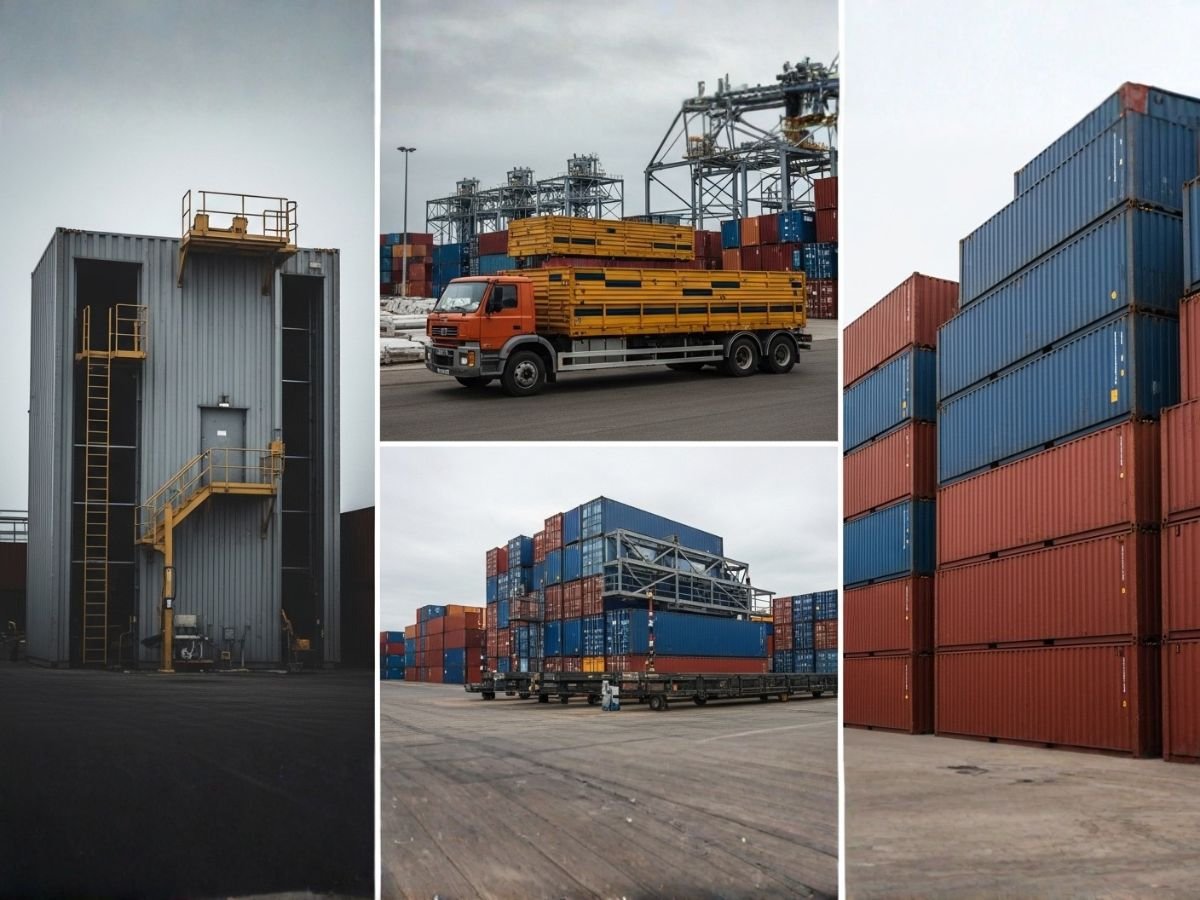
Old Panvel core and dense city-side areas are not natural heavy logistics environments. They have local movement, urban activity, and mixed-use pressure. Good for certain commercial functions, yes. Good for smooth heavy truck-led warehousing at scale, no.
Palaspe-side and highway-interface locations are a different story. They matter because they connect better to larger freight movement logic. But even here, not every frontage is equally useful. A location can look strong on Google Maps and still perform poorly in daily dispatch if turning movements, local congestion, or truck staging are weak.
Some listings use “Panvel” loosely for nearby belts and spillover locations
This is a serious filter. The wider Panvel belt overlaps with multiple local realities: PMC areas, CIDCO influence, NAINA-controlled villages, legacy industrial patches, and spillover belts towards Taloja, Kalamboli, or Raigad-side growth areas.
So when someone says “warehouse in Panvel,” the correct next question is not price. It is: where exactly, under which authority, with what access, and with what permitted use?
Why exact pocket matters more than the Panvel label itself
Panvel Municipal Corporation’s own planning material shows that warehousing concentration is not spread evenly across the whole area. Villages such as Adivali, Dhansar, and Koynavale have a major share of this activity. That tells you something important: the belt is selective even inside the broader Panvel geography.
Then there is NAINA. This is where many people get carried away. NAINA land is not simple open freedom. It sits under a structured planning framework. In industrial and warehousing zones under the NAINA scheme, the developer contribution model includes 15% land towards the growth centre and 25% towards infrastructure and public purposes. So raw land there should never be treated like plug-and-play industrial land.
Which businesses fit Panvel best today?
Panvel fits businesses that can actually use gateway infrastructure and live with a more structured market.
That means the strongest fit is not random storage. The strongest fit is organized logistics.
Regional distribution and retailer backend users
This is one of Panvel’s clearest strengths. If a retailer or backend supply system wants west-India movement, regional replenishment, and long-horizon network stability, Panvel makes sense. It can work as a strong distribution spine rather than just a backup shed location.
3PL and flexible large-format warehousing operators
Large 3PL players and institutional logistics users usually understand Panvel better than small fragmented users do. They can plan routes, absorb structured leases, and use better-grade warehousing product. For them, Panvel is not just about one city. It is about being positioned between port-led flows, major highway movement, and Mumbai-region demand.
SMEs that need Mumbai–Pune–Navi Mumbai access
Some SMEs can use Panvel well, especially if they need clean warehouse-plus-light-assembly setups or if they move goods across the Mumbai–Pune side and want better regional positioning. But they must be disciplined. If the business is low-margin, basic, or highly rent-sensitive, Panvel can quickly become an expensive wrong fit.
Users for whom Panvel is only a secondary option
Panvel is usually not the first answer for:
- quick-commerce style fragmented delivery models
- low-budget storage users
- businesses needing very short lease flexibility
- heavy process industries that belong in designated industrial ecosystems
- buyers treating airport-side land as instantly usable industrial property

Which Panvel-side pockets matter most, and what is each one good for?
A useful Panvel guide has to separate visibility from utility.
Highway-facing Panvel and Palaspe-side pockets
These pockets matter because they plug into major road movement. For certain operators, that is the entire game. If your business depends on dispatch discipline, route efficiency, and regional movement, highway-facing logic matters more than fancy brochure language.
But Palaspe comes with a warning. The broader Palaspe–Kalamboli–Panvel bottleneck is not a small local issue. It is one of the biggest practical filters in the entire belt. If your trucks keep losing time there, your “strategic location” can become a daily headache.
Panvel–Raigad side larger-format logistics logic
This is where Panvel becomes more interesting for structured warehousing. Some of the stronger institutional logistics movement and long-format warehouse interest is playing out in the wider Panvel–Raigad side belt, not in the old city core. This is where large occupiers can think in terms of land shape, modern warehouse planning, and cleaner logistics deployment.
Fringe pockets that sound attractive but need harder checking
These are the dangerous ones. Some fringe parcels sound attractive because they are cheaper, near future projects, or close to the airport influence zone. But if road access, sanctions, power, drainage, or legal development permissions are not in place, the lower entry price can become a trap.
What is actually driving industrial and logistics growth in Panvel?
Panvel’s growth is being driven by a mix of real operational advantages and over-sold future narratives. The smart reader separates the two.
The real operational side is strong. JNPA remains India’s premier container port and handles around half of the total containerised cargo volume across the major ports of India. Atal Setu has already improved connectivity logic between Mumbai and Navi Mumbai. NMIA is now operational, which adds long-term strategic weight to the region. And the JNPA–Chowk high-speed highway approval itself reflects how serious the freight connectivity pressure has become in this corridor.
But that does not mean every Panvel asset becomes useful by default.
Real driver vs over-sold driver
| Driver | What it really means in Panvel | What people often get wrong |
|---|---|---|
| JNPA access | Strong for trade-linked logistics and regional gateway positioning | People assume every Panvel warehouse gets direct port efficiency |
| Atal Setu | Improves the wider Mumbai–Navi Mumbai movement story | People overstate it as a magic solution for every truck route |
| NMIA | Strengthens long-term strategic value and certain cargo-linked expectations | People treat airport proximity as if road logistics no longer matter |
| Highway network | Still the most important daily operational driver for most warehouses | This is often under-valued compared with airport hype |
| Institutional leasing | Shows serious occupier confidence in the belt | It does not mean small users automatically belong here |
Highway and regional dispatch advantage
This is the real heart of the Panvel story. Most warehousing in this belt still lives or dies on road movement, not runway glamour. For most operators, NH connectivity, dispatch windows, and truck turnaround matter more than simply being “close to the airport.”
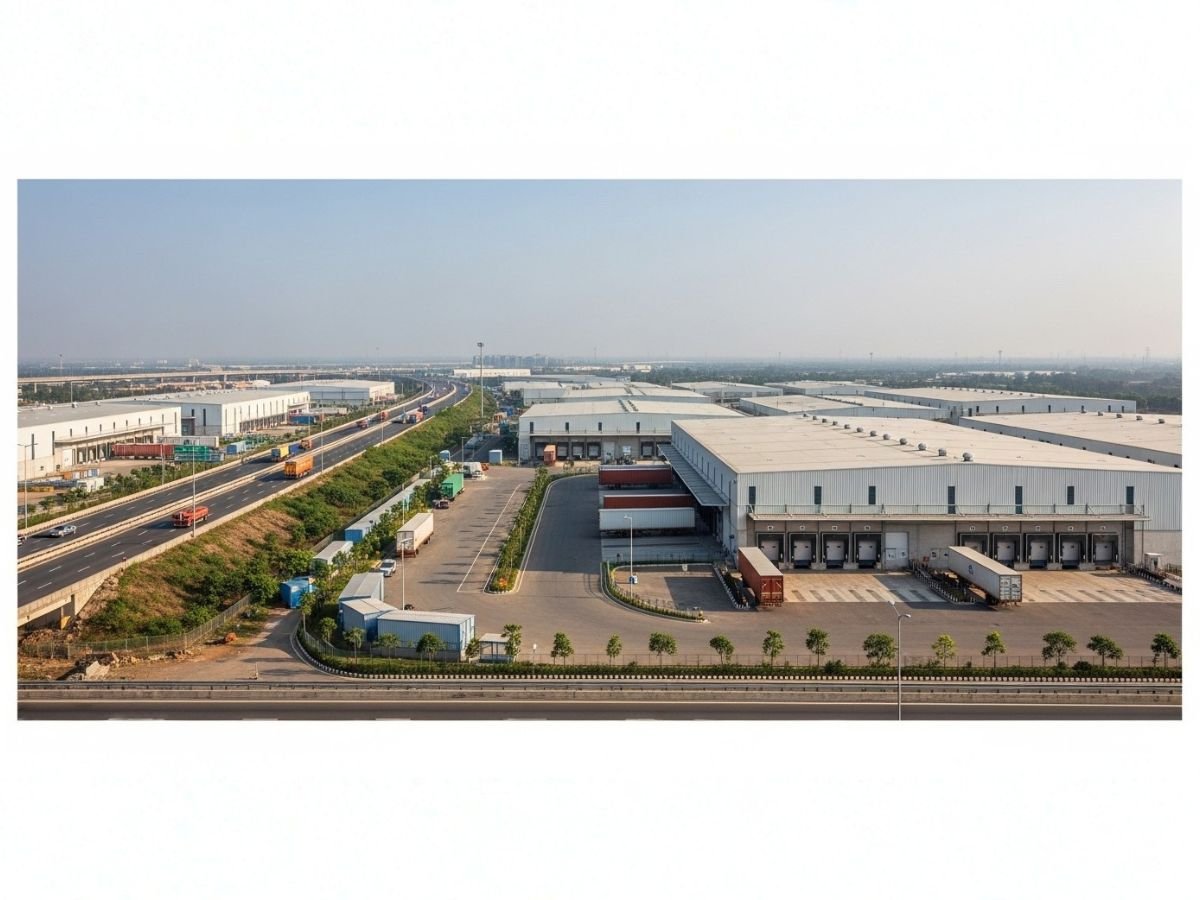
Spillover from larger Navi Mumbai and port-linked logistics systems
Panvel also benefits from saturation and pressure in older logistics belts. As users look for better-grade stock, larger formats, and more future-ready capacity, Panvel-side options become more attractive.
Airport and planning-region influence: what is real today and what is still future-led
The airport matters. But in industrial and logistics terms, it should be read carefully. NMIA is a genuine structural positive for the wider region. Still, it is not a free pass for every parcel, every village, or every warehouse pitch. In fact, airport-led land value inflation can make life harder for low-margin logistics users by increasing entry cost.
When does Panvel beat Taloja, Kalamboli, or Dronagiri?
This question matters because no serious occupier should study Panvel in isolation.
| Belt | Best for | Where it beats Panvel | Where Panvel beats it |
|---|---|---|---|
| Taloja | Heavy industry, regulated manufacturing, older industrial ecosystem | Better for process-heavy or designated manufacturing use | Panvel is often cleaner for warehousing and organized logistics |
| Kalamboli | Legacy trucking, distribution, certain freight-linked users | Works for users already tied into that ecosystem | Panvel can offer more structured large-format logistics environments |
| Dronagiri / JNPA side | Direct port-led cargo logic | Better if your business is deeply port-dependent | Panvel is often better for wider multi-directional regional dispatch |
| Panvel | Gateway warehousing, organized retail backend, long-horizon logistics | Not ideal for every user | Best where highway-led regional movement and structured warehousing matter |
In plain terms, Panvel beats Taloja when the user is more warehousing-led than manufacturing-led. It beats Kalamboli when the occupier wants a more planned large-format logistics environment instead of old-school freight chaos. It beats Dronagiri when the business needs broader highway distribution logic, not just port adjacency.
But Panvel loses when the user needs short lease flexibility, cheap fragmented storage, or a true industrial-manufacturing ecosystem.
When is Panvel the wrong choice even if the pitch sounds attractive?
Panvel is the wrong choice when the business model cannot use its strengths.
For example, if your operation is simple dead storage with weak margins, Panvel can be a cost mistake. If you need scattered quick-response delivery points, this is often not the best ecosystem. If you are chasing cheap airport-side land without understanding NAINA rules, you may be buying delay, not opportunity.
It is also the wrong choice when your team ignores local friction. The JNPA–NH-48 movement problem is serious enough that a new 6-lane high-speed corridor was approved partly because vehicles can take two to three hours through the current bottleneck zones around Palaspe Phata, D-Point, Kalamboli Junction, and Panvel, where traffic has been cited at roughly 1.8 lakh PCU per day. That is not brochure-level inconvenience. That is operating reality.
Should you lease, buy, or wait in the Panvel industrial and logistics belt?

For most users, leasing is the smartest answer.
When leasing makes more sense
Leasing is usually right if you are an occupier, distributor, retailer backend operator, or logistics company that wants to stay asset-light while still securing a good node. It gives you operational access without locking huge capital into a market where land has become strategic and expensive.
When buying can make sense
Buying makes sense only for specific users: deep-pocketed owner-occupiers, serious logistics developers, or investors who fully understand land title, permitted use, future utility, and asset format. Panvel is no longer a casual buy-and-build belt.
When waiting is the smarter move
Waiting is often smartest if:
- the parcel sits in a NAINA village and you do not fully understand scheme execution
- the land is being sold mainly on future airport hype
- the route logic looks weak today
- you are still unsure whether Panvel is better than Kalamboli, Taloja, or Dronagiri for your exact business
What should you check before shortlisting a Panvel warehouse, shed, or industrial plot?
This is the section most pages skip, and it is the section that saves money.
Start with authority control. Is the asset under CIDCO, PMC, MIDC, private title, or NAINA planning control? That changes the entire risk profile.
Then check actual permitted use. Many people read “logistics park” or “industrial land” and assume operational approval. That is a mistake.
After that, check movement reality:
- Can trucks enter and exit without daily delay?
- Is turning radius workable?
- Is there actual staging space?
- Are you dependent on the worst part of the Palaspe bottleneck?
- If your supply chain serves Mumbai, can you handle truck timing restrictions and dispatch scheduling properly?
Then check site survivability:
- power availability
- water source
- drainage
- fire compliance
- loading condition
- road width
- monsoon performance
- flood sensitivity in low-lying or river-influenced pockets
This last part matters more than many buyers admit. In the wider airport-influence and creek-linked geography, hydrology has changed and river-side caution is not optional. Some low-lying and riverine belts need harder flood due diligence than a casual site visit will reveal.
A practical scorecard: how to judge whether a Panvel-side industrial property is genuinely growth-ready
If you want a simple method, score the asset on these five filters:
1. Access score
Can your trucks move cleanly in and out without depending on daily bottlenecks?
2. Legal clarity score
Do you clearly understand title, authority control, transfer structure, and permitted use?
3. Utility score
Is the site genuinely usable for your operation, or are you assuming future readiness?
4. Business-fit score
Does the asset match your model: gateway logistics, hybrid warehousing, light assembly, or something else?
5. Future resilience score
Will this still make sense after rent escalation, route changes, and infrastructure shifts?
If a site looks exciting but scores weakly on access and legal clarity, it is not growth-ready. It is only growth-marketed.
Real examples of who should choose Panvel and who should not
A regional retail backend operator serving western India can do very well in Panvel. The belt gives them structured warehousing logic, long-term planning comfort, and useful gateway positioning.
A large 3PL with multi-client operations can also fit well, especially if the site is part of a stronger warehousing cluster and not just a random frontage parcel.
A quick-commerce style player needing short leases and rapid last-mile fragmentation is usually a bad fit here. They may be better served by a more flexible shed network elsewhere.
A heavy industrial processor should not automatically enter Panvel just because the wider region is growing. For that user, a designated industrial ecosystem may still be the more practical answer.
Conclusion
Panvel is one of the most important industrial and logistics growth stories in the wider Navi Mumbai region, but it is not a blanket yes.
It is strongest as a selective gateway belt. It suits organized logistics, regional distribution, large-format warehousing, and users who can think in long-term operational terms. It becomes weak when buyers chase airport hype, ignore NAINA rules, underestimate truck friction, or choose a site only because it carries the Panvel label.
So the right conclusion is not “Panvel is booming.” That is too lazy.
The right conclusion is this: Panvel is highly promising when the pocket is right, the route is right, the authority framework is clear, and the business model genuinely belongs there. If those four things do not line up, even a good-looking Panvel asset can become an expensive wrong turn.
FAQs
Frequently Asked Questions