Paradise Group Vashi: RERA, History and Full Details
Paradise Group is one of the better-known real estate names associated with Navi Mumbai, especially among buyers looking at premium residential developments, mixed-use projects, and large-scale branded launches. Many local buyers still connect the brand strongly with Vashi because of its corporate base there, but the builder’s current growth story goes well beyond that older identity. Over the years, Paradise Group has expanded into multiple growth corridors and repositioned itself from a legacy local developer into a more ambitious premium regional brand.
What makes Paradise Group worth studying in detail is that it sits in an interesting middle ground. It is not a tiny local builder operating on one or two projects, and it is also not exactly the same as the largest listed national developers. It has legacy, a visible market presence, a sizable project history, and a stronger design-led brand identity than many regional peers. At the same time, serious buyers still need to evaluate Paradise Group at the project level, because brand strength alone is never enough in real estate.
Quick Summary Table
| Factor | Details |
|---|---|
| Builder Name | Paradise Group |
| Established | 1990 |
| Founder | Mr. Madhu Bathija |
| Current Leadership | Mr. Manish Bathija and Mr. Amit Bathija |
| Corporate Office | 1701, Satra Plaza, Plot No. 19 & 20, Sector 19D, Vashi, Navi Mumbai, Maharashtra 400705 |
| Core Markets | Vashi legacy, Nerul, Kharghar, Panvel, Taloja, Dombivli, Lonavala |
| Completed Projects | 125+ successful projects |
| Completed Development | Around 2.5 million sq ft |
| Ongoing Pipeline | Around 12.5 million sq ft |
| Property Types | Residential, commercial, mixed-use developments |
| Known For | Themed luxury projects, township-style development, premium positioning |
| Buyer Takeaway | Strong regional premium brand, but project-level due diligence is essential |
Source base
Who Is Paradise Group?
Paradise Group is a Navi Mumbai-rooted real estate developer established in 1990. Over time, it has developed into a broader Mumbai Metropolitan Region player with a portfolio that spans residential, commercial, and mixed-use assets across several strategic locations. Its earlier recognition came from Navi Mumbai, but its current project narrative is increasingly linked to larger premium developments in high-growth corridors.
For local buyers, Paradise Group is not an unfamiliar name. It carries the advantage of long-term market visibility, and that matters in a city-region where many developers come and go without building lasting brand memory. The company’s survival and expansion across multiple real estate cycles suggest that it has moved beyond a basic builder model and established itself as a serious regional operator.
What Is the Builder Known For in Real Estate?
Paradise Group is best known today for theme-based luxury developments, premium residential formats, and larger mixed-use planning rather than plain standalone apartment buildings. This is one of the most important aspects of its brand identity. Instead of staying limited to smaller routine housing formats, the company has actively leaned into lifestyle-driven real estate with stronger visual identity and larger planning ambition.
That shift matters because it changes both who the brand attracts and how buyers should evaluate it. Paradise Group is generally no longer targeting only rate-sensitive buyers. It is selling aspiration, amenities, architecture, and project identity. In Navi Mumbai, that gives it stronger recall than many local competitors who still operate mostly through functional, less differentiated developments.
Key Cities and Project Locations Covered
Paradise Group’s business footprint extends across Nerul, Kharghar, Panvel, Taloja, Dombivli, Lonavala, and legacy pockets such as Vashi and Sanpada. This spread shows that the builder is no longer tied to only one micro-market. Instead, it is operating with a multi-location strategy focused on places where large-format development is possible and demand depth is improving.
This also explains why the brand keeps appearing in different buyer journeys. Someone researching luxury towers in Nerul, a family comparing township options in Kharghar, or an investor looking at Panvel growth may all come across Paradise Group for different reasons. The brand has that kind of regional search relevance now, which is a sign of a wider market footprint.
Quick Facts and Company Overview
Founded Year, Founder and Leadership
Paradise Group was founded in 1990 by Mr. Madhu Bathija. The company is currently led by Mr. Manish Bathija and Mr. Amit Bathija, who represent the present leadership phase of the brand and are closely associated with its premium expansion strategy.
This leadership continuity is important because it gives the business an institutional base. In real estate, a company that remains visible and active over decades usually has stronger execution systems, financial relationships, and operational depth than newly launched promoter-led firms that have not yet been tested across multiple market cycles.
Total Completed, Ongoing and Upcoming Projects
The research positions Paradise Group as having delivered 125+ successful projects with around 2.5 million square feet of completed development. In addition, the company has a substantial ongoing development pipeline of around 12.5 million square feet, which indicates that it is still in a major growth phase rather than living only on past brand memory.
These numbers matter because they separate the brand from developers who rely mostly on marketing hype. A builder with a real execution record is easier to assess, easier to compare, and generally more credible than a builder with only a fresh pipeline and limited delivered inventory. Paradise Group appears to have both legacy scale and ongoing expansion.
Residential, Commercial and Other Property Types
Paradise Group’s portfolio includes residential, commercial, and mixed-use developments. That broader development mix is important because it shows the company is not dependent on one narrow housing format. Instead, it is trying to build larger ecosystems and diversified product offerings, especially in newer flagship launches.
This type of diversification often signals a more mature land and business strategy. In Paradise Group’s case, it also aligns with the way Navi Mumbai is evolving. Newer micro-markets increasingly reward projects that combine housing, work, and lifestyle infrastructure rather than operating as isolated residential towers.
History and Brand Journey
How the Company Started
Paradise Group began its journey in 1990 under the vision of Mr. Madhu Bathija. In its earlier phase, the company was more closely tied to traditional Navi Mumbai residential development, which is why many long-time local buyers still remember it through older city associations rather than only through its newer luxury branding.
What is notable is not just when the company started, but how it evolved. Paradise Group did not remain limited to small-scale construction. Over time, it moved into larger multi-location operations and more ambitious projects, which reflects a clear transition in both business scale and brand ambition.
Key Milestones and Business Growth
One of the clearest milestones in Paradise Group’s journey is the sheer scale of its delivered portfolio. With 125+ completed projects and millions of square feet of delivered space, the company has already passed beyond the stage where it needs to prove that it can execute at all. The focus now is more about what segment it wants to dominate and how well it sustains quality while scaling.
Another major milestone is the ongoing expansion into larger premium and mixed-use developments. The company’s current direction suggests that it is not content with being remembered as only a legacy Navi Mumbai builder. It is actively trying to reposition itself as a higher-visibility premium brand in wider MMR growth zones.
Expansion Across Projects and Locations
Paradise Group’s expansion story is closely tied to geography. While its corporate and legacy identity remains strongly connected to Vashi, its actual development growth has shifted to nodes where larger land parcels and higher-ambition master planning are possible. This is why places like Nerul, Kharghar, Panvel, and Taloja now matter more to the builder’s future than Vashi itself.
That shift is logical. Vashi has strong business prestige but limited fresh land opportunities for massive new themed projects. Growth for a builder like Paradise Group naturally moves toward corridors where township planning, premium lifestyle positioning, and mixed-use formats are more feasible. That is exactly what the research reflects.
Founder Profile and Leadership Team
Founder Biography
The founder of Paradise Group is Mr. Madhu Bathija, who established the company in 1990 and laid the foundation for its long-term growth in the Navi Mumbai real estate market. His role is central to the brand’s legacy because the current scale of the company is rooted in that original build-out phase rather than a recent launch cycle.
In real estate, founder continuity matters because it often influences how a business manages land relationships, financing credibility, and organizational culture. A long-standing promoter background generally gives buyers more confidence than a brand with unclear ownership or a very recent operating history. Paradise Group benefits from that continuity.
Chairman, Directors and Leadership Team
Paradise Group is currently led by Mr. Manish Bathija and Mr. Amit Bathija. The research also suggests that the company operates with a more structured corporate framework, including a sizable internal team across leadership, architecture, procurement, marketing, sales, and other business functions.
This is an important detail because buyers often underestimate how much internal organizational capacity affects execution quality. A builder with deeper in-house systems is usually better positioned to manage simultaneous projects, sales operations, approvals, vendor coordination, and customer servicing than one that relies mostly on fragmented site-level structures.
Vision, Business Philosophy and Brand Positioning
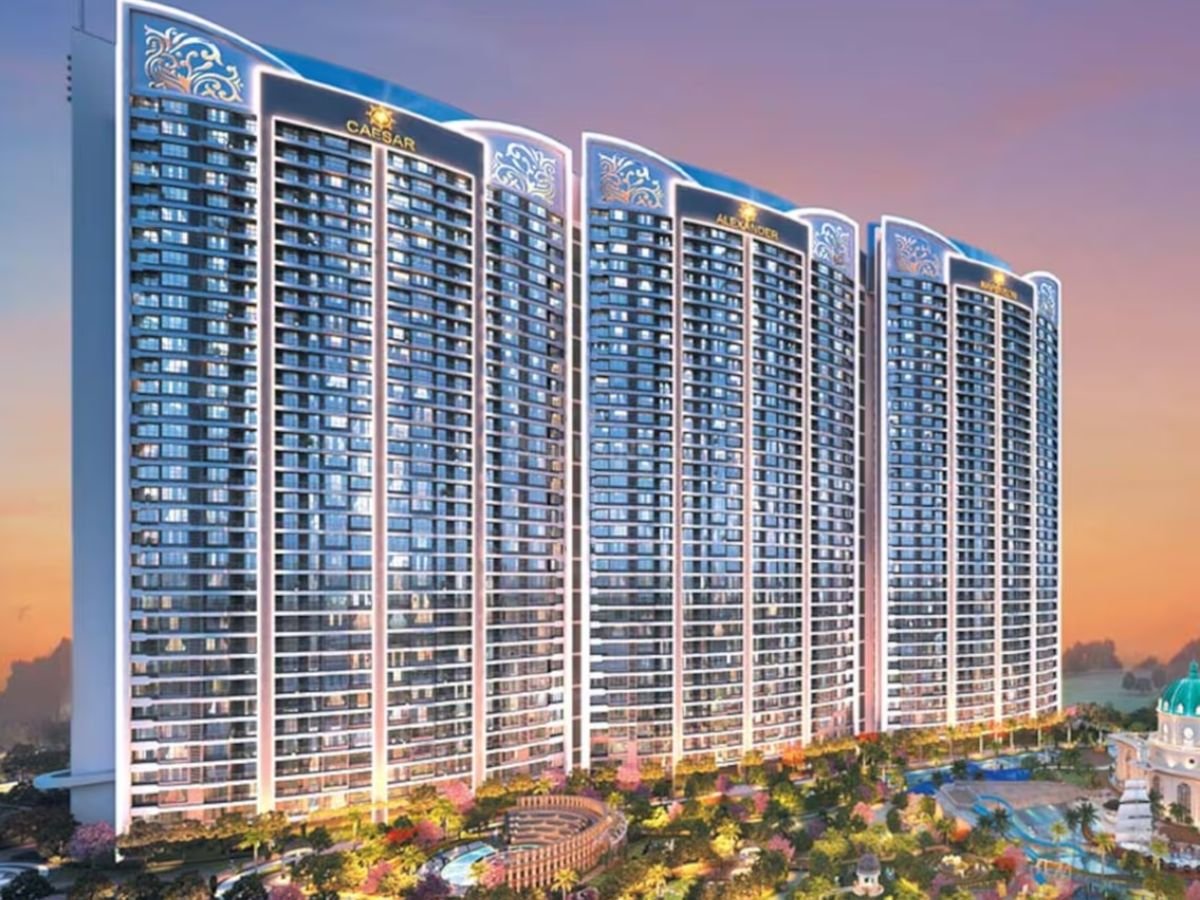
Paradise Group’s present vision is clearly aligned with premium, ultra-luxury, and mixed-use real estate. The research strongly reflects a business philosophy built around themed architecture, larger lifestyle ecosystems, and landmark-style urban projects rather than plain commodity housing.
This kind of positioning can be powerful in Navi Mumbai, where aspirational buyers increasingly want more than just an apartment box. But it also raises expectations. The more a developer sells story, identity, and lifestyle, the more closely buyers will judge it on delivery quality, amenities, maintenance, and the gap between promise and reality.
Project Portfolio Overview
Completed Residential and Commercial Projects
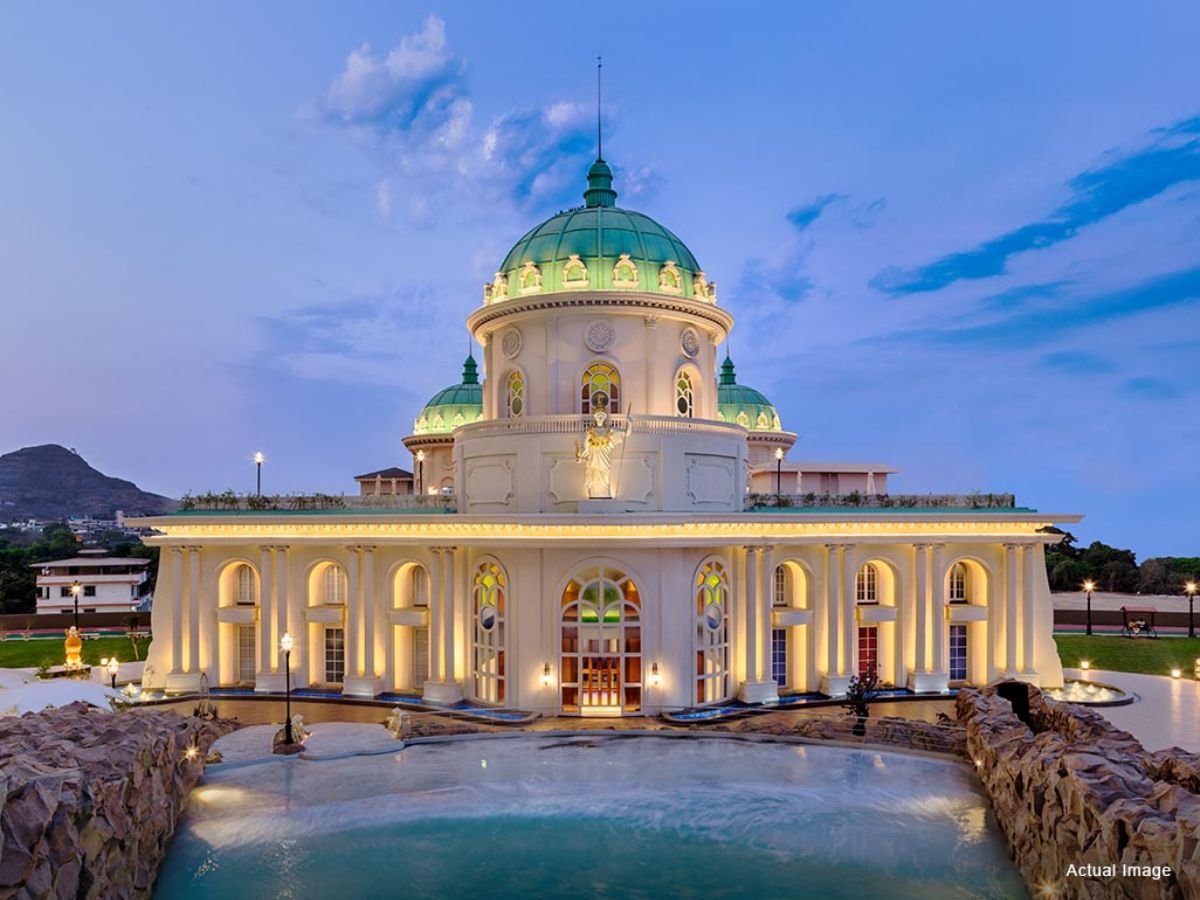
Paradise Group’s completed portfolio includes 125+ successful projects, and the research uses this as a key proof point of its market depth. This alone puts the builder ahead of many smaller local developers who may have only a handful of delivered sites and limited historical track record.
Older completed projects such as Sai Sangam in Vashi and Sai Ansh in Sanpada also show the company’s earlier phase, when it was more closely associated with traditional residential building formats before it moved deeper into premium themed development. These projects matter because they help trace the brand’s evolution across generations of real estate product strategy.
Ongoing Projects in Navi Mumbai and Nearby Growth Corridors
The builder’s active development pipeline of around 12.5 million square feet is spread across important locations such as Kharghar, Panvel, Taloja, Dombivli, and Lonavala. This gives Paradise Group a broader growth base and reduces dependence on one single sub-market.
From a buyer perspective, this matters because it shows the company is operating with wider geographic ambition. It is not simply recycling the same local demand story. Instead, it is aligning with multiple growth corridors where infrastructure expansion, land scale, and housing demand can support larger premium projects.
Upcoming Projects and New Launch Updates
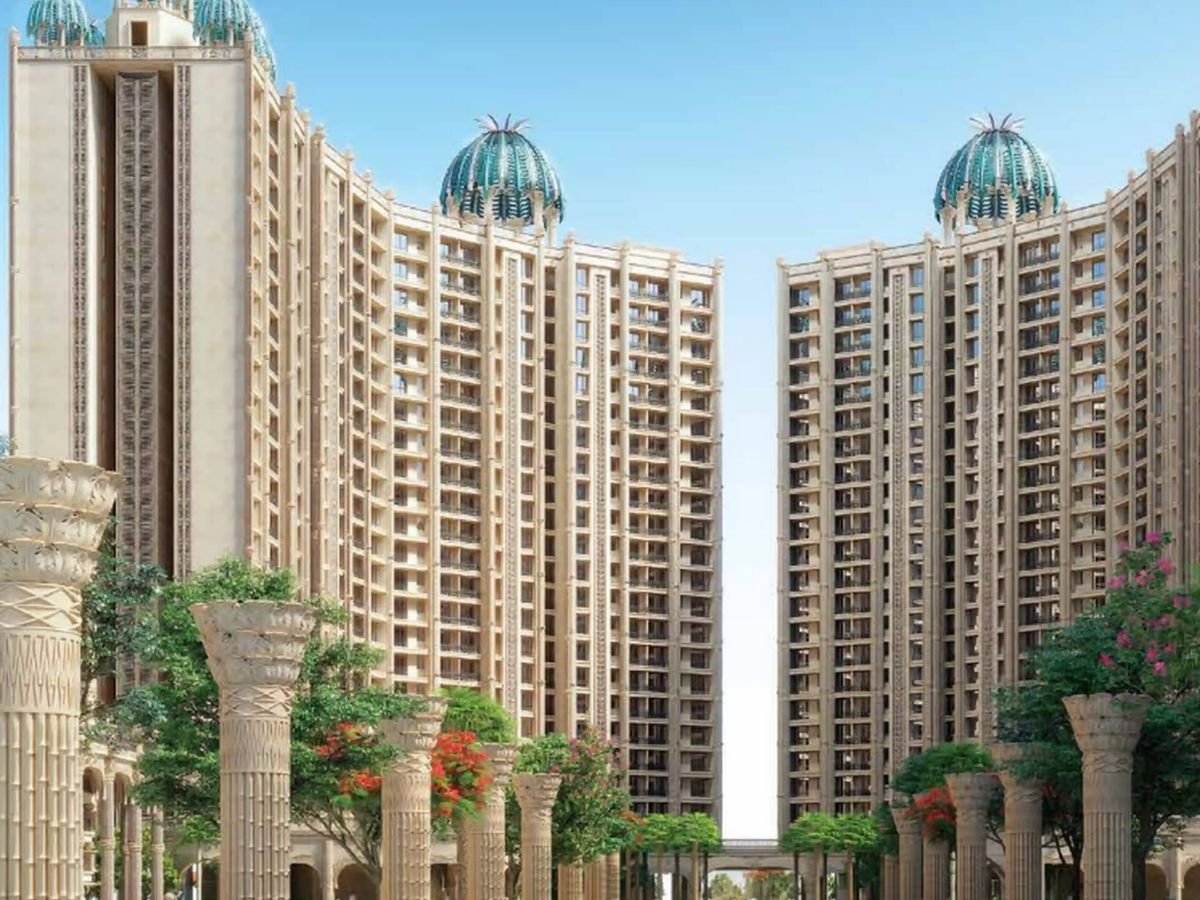
One of Paradise Group’s most visible recent launches is Sai World Pyramid, Nerul, described in the research as an ultra-luxury mixed-use project built on a 2.2-acre land parcel in Sector 14D, TTC MIDC, Nerul. It includes a high-rise residential component and a separate commercial tower, which reinforces the company’s move toward integrated premium real estate.
The research also distinguishes Sai World One, Nerul as a separate project, which is important because buyers often confuse branded launches with similar names. Sai World One is described as a larger mixed-use landmark with residential, commercial, and retail elements, showing how Paradise Group is trying to build a recognizable branded ecosystem rather than one-off developments.
Key Locations Where the Builder Has Projects
Paradise Group’s project map can be understood through two layers. The first layer is its legacy base, reflected in areas like Vashi and Sanpada. The second layer is its growth phase, reflected in Nerul, Kharghar, Panvel, and Taloja, where the builder’s premium and mixed-use positioning is far more visible today.
This distinction is useful because many searchers still come with an outdated location assumption. They think of Paradise Group primarily as a Vashi builder, but the brand’s current real momentum is elsewhere. Anyone evaluating the builder seriously should understand this shift before deciding whether it fits their micro-market preference.
Property Types and Market Position
Residential, Commercial and Mixed-Use Developments
Paradise Group is active across residential, commercial, and mixed-use development. In projects like Sai World Pyramid, the combination of homes and commercial space indicates a deliberate strategy to create larger destination projects rather than just isolated housing towers.
This matters because mixed-use planning is often a sign of stronger land strategy and a broader vision of long-term value creation. In Navi Mumbai and nearby belts, projects that integrate living, working, and lifestyle elements can often build stronger demand stories than pure residential inventory with no larger ecosystem logic.
Affordable, Mid-Segment, Premium or Luxury Positioning
Paradise Group’s current position is clearly on the premium to luxury side of the market. The research repeatedly describes its evolution toward ultra-luxury themed developments and high-aspiration project branding rather than affordable or entry-level residential stock.
This is also visible in pricing. At Sai World Pyramid, the 2 BHK configurations are placed around ₹1.80 crore to ₹1.89 crore onward, which immediately places the project in a much higher segment than basic apartment offerings in many Navi Mumbai belts. This is not budget housing by any practical reading.
Signature Strengths in Design, Planning and Project Type
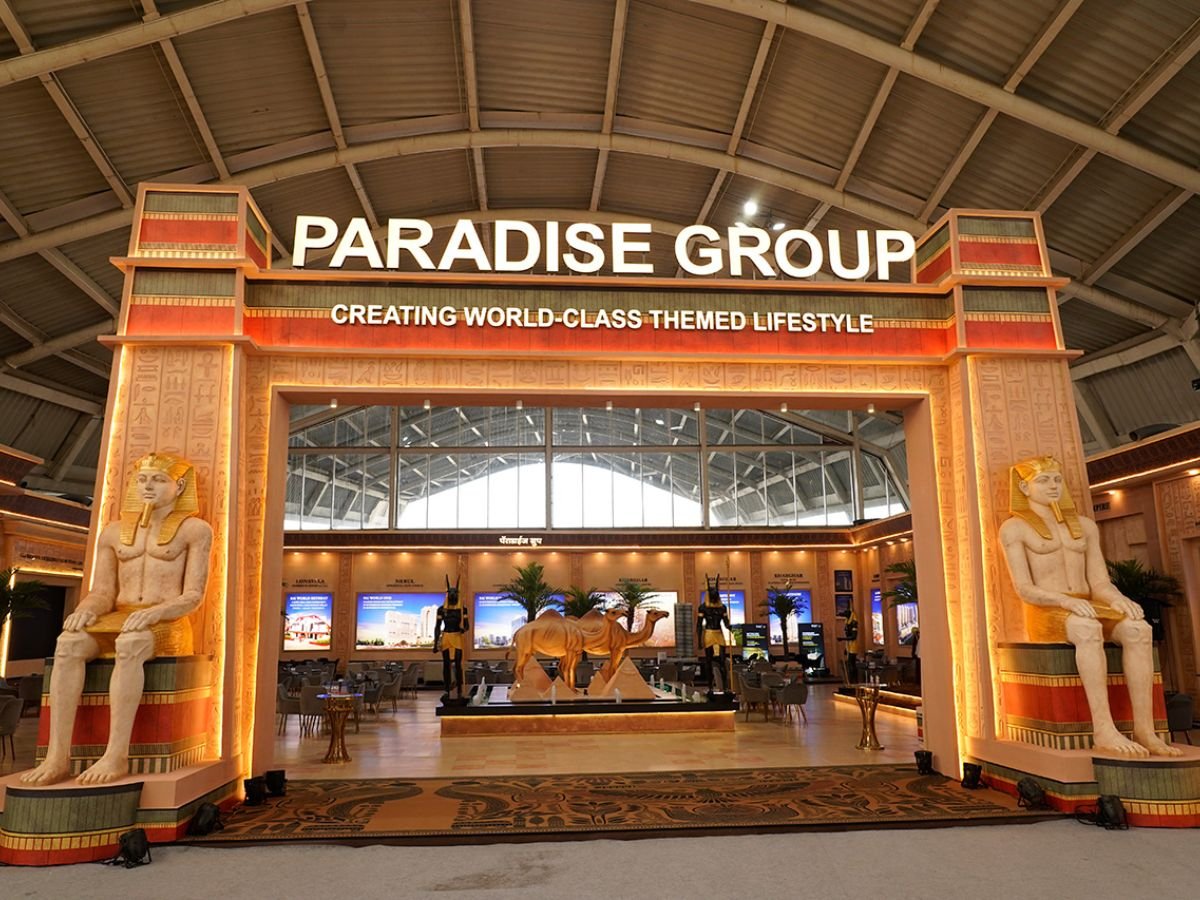
One of Paradise Group’s strongest differentiators is its emphasis on theme-based planning. The research specifically highlights the company as a pioneer in theme-based luxury real estate in Navi Mumbai, and points to branded projects such as Sai World Empire, Sai World City, and Sai Sun City to illustrate this identity.
This gives the builder a stronger visual and emotional identity than many local competitors. Instead of just selling carpet area and possession dates, it sells an environment, a concept, and a lifestyle promise. That can be very effective for premium buyers, though it also means the actual on-ground execution has to match the strength of the project story.
RERA Details and Legal Compliance
Is Paradise Group RERA Registered?
The most accurate way to answer this is that RERA compliance is project-specific, not something buyers should reduce to one broad builder-level label. The research confirms that Sai World Pyramid is registered with MahaRERA, which is a positive sign, but that does not remove the need to verify every specific phase and project separately.
This is an important point because many buyers wrongly assume that once a well-known builder has one compliant project, all other projects are automatically safe by default. That is not how real estate due diligence works. Paradise Group, like any other developer, must be judged through the exact legal status of the exact property being purchased.
Project-Wise RERA Numbers and Registration Status
The research states that Sai World Pyramid, Nerul carries the primary MahaRERA registration number P513429232. It also mentions P52000055490 linked to Shree Sai Developers Partnership for certain phases of the broader development structure.
This is the level of detail buyers should always verify. It is not enough to hear that “the project is RERA approved.” One should confirm the exact promoter entity, phase mapping, declared timelines, approval scope, and status on the official MahaRERA page before making any booking decision.
Legal Approvals, Compliance Status and Buyer Checks
The research presents Sai World Pyramid as legally compliant, but it also reinforces an important general lesson. Buyers should independently cross-check sanction plans, payment schedules, agreement clauses, phase approvals, land title records, and the match between brochure claims and official documents.
For Paradise Group, a disciplined buyer approach is especially important because the projects are often premium and marketing-heavy. Attractive branding should never replace legal verification. Even a strong brand can have phase-specific issues, and it is the buyer’s responsibility to confirm facts before releasing funds.
Construction Quality and Design Standards
Paradise Group’s construction identity appears strongest where design ambition and build detailing come together. The research highlights structural features such as earthquake-resistant RCC structures, copper wiring for heavy AC loads, vitrified tiles, and granite-based finishes, which are practical specification markers rather than mere branding language.
It also presents the brand as a key player in theme-based premium construction in Navi Mumbai, particularly through projects like Sai World Empire and Sai World City. This suggests that Paradise Group is trying to compete not just on unit delivery but on a broader premium construction experience.
Amenities, Specifications and Build Quality
In projects like Sai World Pyramid, the builder’s premium positioning becomes more visible through its amenity stack. The research mentions 20+ lifestyle amenities, including a gym, yoga spaces, reflexology path, infinity pool, clubhouse, sports areas, landscaped gardens, indoor theater, rooftop restaurant, and sky garden.
It also lists operational and convenience features such as three-tier 24×7 security, CCTV and video security, high-speed branded elevators, EV charging stations, and full backup for common utilities and lifts. This shows that Paradise Group is trying to deliver a complete lifestyle ecosystem, not just a building shell with a few standard amenities.
Possession Record, Delivery Timeline and Handover Experience
This is the section where the analysis needs balance. The research notes that some earlier Paradise Group projects, particularly in Ulwe during the 2010 to 2015 period, reportedly faced possession delays that in some cases extended significantly beyond promised timelines.
At the same time, the same research argues that the company’s more recent flagship developments show stronger execution maturity, better post-possession upkeep, and improved operational capability. So the fairest interpretation is that Paradise Group appears to have matured over time, but buyers should still verify project-specific possession discipline instead of relying purely on recent branding improvements.
Reviews, Reputation and Buyer Feedback
Overall Market Reputation
Paradise Group has a reasonably strong market reputation in Navi Mumbai, especially among buyers who recognize the brand for its scale, themed developments, and premium positioning. The company’s reputation is supported by project volume, long market presence, and strong brand recall across multiple micro-markets.
Its brand identity is stronger than many generic regional builders because it has created a recognizable development style. In local real estate, that matters. Buyers often remember the “kind” of project a builder creates long before they remember every technical detail, and Paradise Group benefits from that pattern.
Positive Reviews and Common Complaints
Positive feedback in the research is largely tied to architecture, amenities, landscaping, upkeep, and the overall premium environment in bigger delivered projects. The brand is particularly appreciated where it has successfully built a resort-like or lifestyle-led project experience.
Common complaints appear more connected to older or earlier-cycle projects and include issues such as possession delays, communication gaps during under-construction phases, and mismatches between verbal promises and final delivery perception. These issues should not be hidden, but they also should not be automatically applied to every new project without project-level context.
How to Evaluate Builder Reviews Before Booking
The smartest way to evaluate Paradise Group reviews is to separate older project-cycle feedback from current premium project performance. Many buyers make the mistake of reading one negative thread or one overly promotional review and then forming a total conclusion. That is rarely accurate in real estate.
A better method is to compare three things together older possession record, current legal and construction status, and maintenance quality in already delivered communities. For Paradise Group, that three-part check gives a much more realistic picture than online sentiment alone.
Price Range, Investment Value and End-User Fit
Project Pricing and Market Segment
Paradise Group’s current flagship offerings clearly target the premium and luxury market. In Sai World Pyramid, the cited pricing for 2 BHK units of around 799 to 800 sq ft is approximately ₹1.80 crore to ₹1.89 crore onward, while larger 3 BHK units move considerably higher.
This pricing confirms that the builder is not trying to compete in the affordable or purely mid-income category. Its projects are aimed more at upper mid-segment families, premium homebuyers, and investors who are willing to pay more for branding, amenities, and a stronger lifestyle proposition.
Is Paradise Group Good for Investment?
Paradise Group can be a good investment option in the right location and project context. The research is particularly positive about Nerul, where infrastructure upgrades, mixed-use planning, and demand quality support stronger long-term value potential.
The commercial component in certain projects adds another layer of investment appeal. The report mentions potential office rental yields in the 7.2% to 8.1% gross annual range in the Nerul MIDC belt, which suggests that Paradise Group may appeal to investors who are not looking only for residential appreciation but also for broader mixed-use value creation.
Is This Builder Better for End Users or Investors?
Paradise Group appears slightly stronger for premium end users and long-horizon investors than for quick speculative buyers. End users are likely to value the builder’s amenities, project identity, landscaping, and more aspirational community environment.
Investors may also find value, but only where location momentum, pricing logic, and infrastructure drivers all support the project. In other words, Paradise Group is not a brand to buy blindly for investment just because the name is known. It works better where the exact micro-market thesis is strong, such as Nerul, Kharghar, or Panvel-linked growth corridors.
Value for Money Compared with Nearby Projects
Paradise Group’s value for money depends heavily on what it is being compared against. If the benchmark is a plain standalone building, Paradise may look expensive. If the benchmark is another premium branded township-style project with larger amenities and stronger visual identity, the pricing becomes easier to justify.
This is because Paradise Group typically sells a broader living concept rather than just base carpet area. For some buyers, that premium will feel worth it. For others who care only about absolute entry cost, nearby alternatives may look better. The right answer depends on whether the buyer values brand-backed experience or only lower price per square foot.
Awards, Recognition and Industry Credibility
The uploaded research references external business and industry coverage connected to Paradise Group’s expansion story, which supports its broader credibility. These third-party mentions matter because they indicate that the brand has achieved visibility beyond its own marketing ecosystem.
That said, buyers should never rely only on awards or recognition. Such indicators can support a credibility framework, but the final purchase decision should still rest on legal clarity, construction status, pricing, and project-specific execution. In Paradise Group’s case, external visibility helps, but it should not replace due diligence.
Comparison with Other Builders in Navi Mumbai
Comparison by Pricing, Project Type and Delivery
Compared with smaller local developers, Paradise Group generally appears stronger on branding, project scale, and premium positioning. It has a broader portfolio, a clearer identity, and more visible themed development expertise than builders who operate only in isolated local pockets.
Compared with the largest listed national developers, however, Paradise Group still feels more like a strong regional premium player than a fully institutional pan-India giant. Its local strength is real, but buyers may still need to verify project-level transparency and delivery discipline more carefully than they would with the most disclosure-heavy listed corporations.
Which Type of Buyer Should Consider This Builder?
Paradise Group is a better fit for buyers who want premium residential or mixed-use projects in Navi Mumbai, especially in Nerul, Kharghar, Panvel, and Taloja. It is likely to appeal more to aspirational family buyers, upgrade homebuyers, and medium- to long-horizon investors than to ultra-budget-driven purchasers.
It is also better suited to informed buyers who appreciate amenities, design, and project identity but are still disciplined enough to check all legal and financial aspects properly. This is not the kind of builder one should evaluate only through brochure visuals or only through price tags. Both the aspiration side and the caution side matter here.
Things to Check Before Buying a Property
RERA Registration, Legal Documents and Approvals
Before booking any Paradise Group project, buyers should first verify the exact MahaRERA registration, promoter entity, approved phase, and possession timeline. This is non-negotiable, especially in premium projects where branding can create a false sense of total safety.
In addition, sanction plans, agreement clauses, land title records, and phase details should be checked carefully. The goal is not to distrust the brand blindly, but to avoid depending only on verbal assurance, sample flat experience, or broker enthusiasm.
Construction Progress, Payment Plan and Possession Terms
The second critical step is to match sales claims with actual construction progress. Paradise Group’s recent premium image is strong, but earlier delay-linked history makes it important to inspect stage-wise completion, payment milestones, and committed possession terms before moving ahead.
Buyers should be especially careful with flexible payment persuasion, pre-launch excitement, or soft closing pressure. A strong brand does not automatically make every project a good fit for every buyer. Timing, construction stage, and payment risk still matter greatly.
Site Visit and Comparison with Nearby Alternatives
No purchase decision should be made without a site visit and comparison against at least a few nearby alternatives. In locations like Nerul, Kharghar, and Panvel, branded sample flats can influence emotions quickly, but the real decision should include access roads, surrounding land use, carpet efficiency, social infrastructure, and resale prospects.
Paradise Group often presents a stronger lifestyle story than many competitors, which can be a genuine advantage. But buyers still need to test whether that lifestyle premium is justified within the same budget band and location segment. Real value becomes clear only through comparison.
Conclusion
Overall Review and Market Position
Paradise Group looks like a credible regional premium developer with strong Navi Mumbai roots, a large project history, and a visible push into luxury and mixed-use development. Its corporate identity remains strongly linked to Vashi, but its real future-facing growth story is more connected to Nerul, Kharghar, Panvel, and Taloja.
Its biggest strengths are brand recall, premium project identity, themed development strategy, and a broad execution base. Its main caution point is that buyers should still evaluate the exact project, because a strong brand does not guarantee identical quality, timeline discipline, or value across every launch. That is the most honest reading of Paradise Group today.
Final Recommendation for Buyers and Investors
Paradise Group is worth considering if you want more than a standard apartment project and are comfortable paying for branding, amenities, and a more aspirational development concept. For investors, it makes the most sense where the micro-market logic is strong and the project is supported by legal clarity, good infrastructure momentum, and long-term demand.
So the final recommendation is balanced and practical. Paradise Group is a strong shortlist builder, but not a blind-buy builder. It suits informed buyers, premium end users, and patient investors better than impulsive or purely price-driven purchasers. If the exact project clears your legal, RERA, construction, pricing, and comparison checks, Paradise Group can be a solid option in Navi Mumbai’s premium real estate segment.
FAQs
Frequently Asked Questions