
How Station, Mall and Connectivity Affect Seawoods Housing Demand in 2026
Seawoods housing demand is strong because station access, mall convenience, and wider connectivity work together, but they do not affect every buyer in the same way. The station usually drives the most direct day-to-day demand, the mall strengthens premium lifestyle appeal, and road and rail connectivity support long-term desirability and exit confidence. In simple words, Seawoods is not just expensive because it looks polished. It is expensive because multiple convenience systems overlap in one place.
That is also why Seawoods behaves differently from many other Navi Mumbai nodes. In some places, buyers are mainly paying for future promise. In Seawoods, much of the premium comes from infrastructure that is already working on the ground. But that does not mean every building, every sector, or every buyer gets equal value from it.
How Station, Mall and Connectivity Together Shape Seawoods Housing Demand
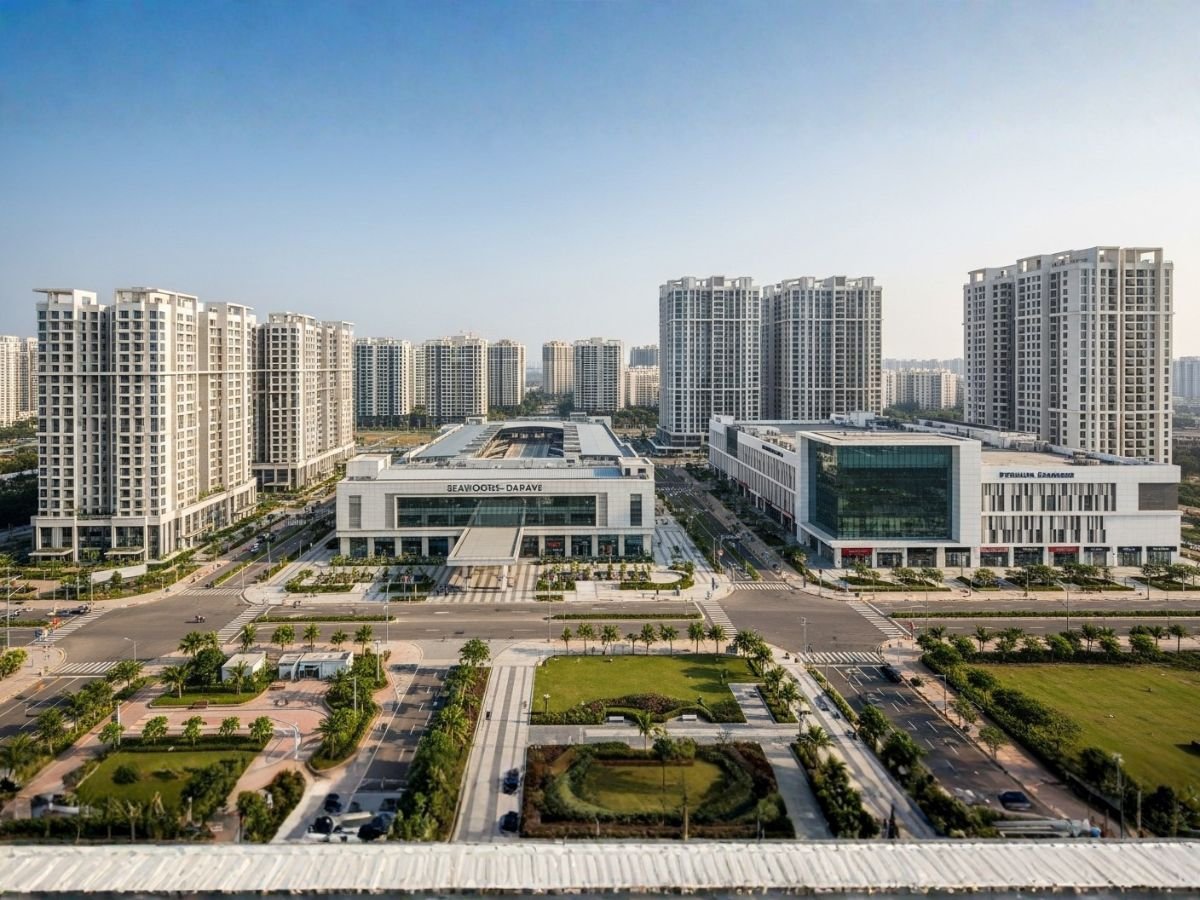
Seawoods demand is not being pushed by one single factor. It is being supported by a three-part convenience engine. The station creates daily commuting value. The mall adds lifestyle, branding, and family appeal. The wider road and rail network makes the node more relevant to both end users and investors.
Here is the simplest way to read the Seawoods demand story:
| Demand Driver | What It Really Does | Who Feels It Most | Main Property Impact |
|---|---|---|---|
| Seawoods-Darave station | Reduces daily travel friction | Commuters, tenants, aviation-linked professionals | Strong rental demand, faster resale interest |
| Seawoods Grand Central | Adds premium lifestyle and convenience | Families, premium end users, corporate tenants | Higher perceived value, capital premium |
| Road and regional connectivity | Improves broader access to Mumbai and Navi Mumbai | Car users, investors, senior professionals | Better long-term desirability and value retention |
The important point is this: a Seawoods address alone is not enough. The closer a property is to the actual usefulness of these demand drivers, the stronger its demand tends to be. A flat deep inside an older interior pocket does not benefit in the same way as a well-located apartment near the station ecosystem or Palm Beach side premium stretches.
Which Factor Actually Drives Demand First in Seawoods: Station, Mall or Wider Connectivity?
The strongest first driver is usually the station, not the mall.
That may surprise buyers because Seawoods Grand Central is the most visible symbol of the area. It dominates impressions. It makes Seawoods look modern, self-sufficient, and premium. But in real housing demand, daily utility usually beats occasional lifestyle use. A person may visit the mall a few times a week. A commuter may depend on station access every single working day.
Why station access usually creates the strongest day-to-day demand
In real estate, repeated daily convenience creates deeper demand than occasional weekend convenience. Homes within a genuine walking radius of Seawoods-Darave station usually enjoy stronger tenant interest because people are not just buying or renting a flat. They are buying a smoother routine.
In Navi Mumbai weather, monsoon conditions, and traffic reality, actual walkability matters more than brochure claims. A covered or practical walking route to the station is a real premium. It saves time, reduces dependence on rickshaws, and makes the home more usable every single day.
Why the mall strengthens premium appeal more than basic demand
The mall absolutely matters. It changed Seawoods from a functional residential node into a more aspirational one. It improved its image, attracted higher-income tenants, and made the area more attractive to families who value organised retail, food, entertainment, and pedestrian-friendly convenience.
But the mall is usually a value multiplier, not the base demand engine. It helps premium pricing. It helps perception. It helps lifestyle-heavy buyers say yes faster. Still, without the station, Seawoods would not command the same level of structural day-to-day demand.
Why wider connectivity matters more for value retention than instant emotional pull
Connectivity through Palm Beach Road, rail access, and the broader regional network matters because it keeps Seawoods relevant beyond its own boundaries. It helps people reach Vashi, Belapur, other parts of Navi Mumbai, and larger Mumbai zones more efficiently.
This is where investor confidence comes in. Strong macro-connectivity does not always create the first emotional attraction, but it improves long-term resilience. It helps justify why Seawoods continues to stay on the shortlist for professionals, families, and tenants even as other nodes compete on price.
Why Seawoods Station Has Such a Strong Effect on Buyer and Tenant Interest
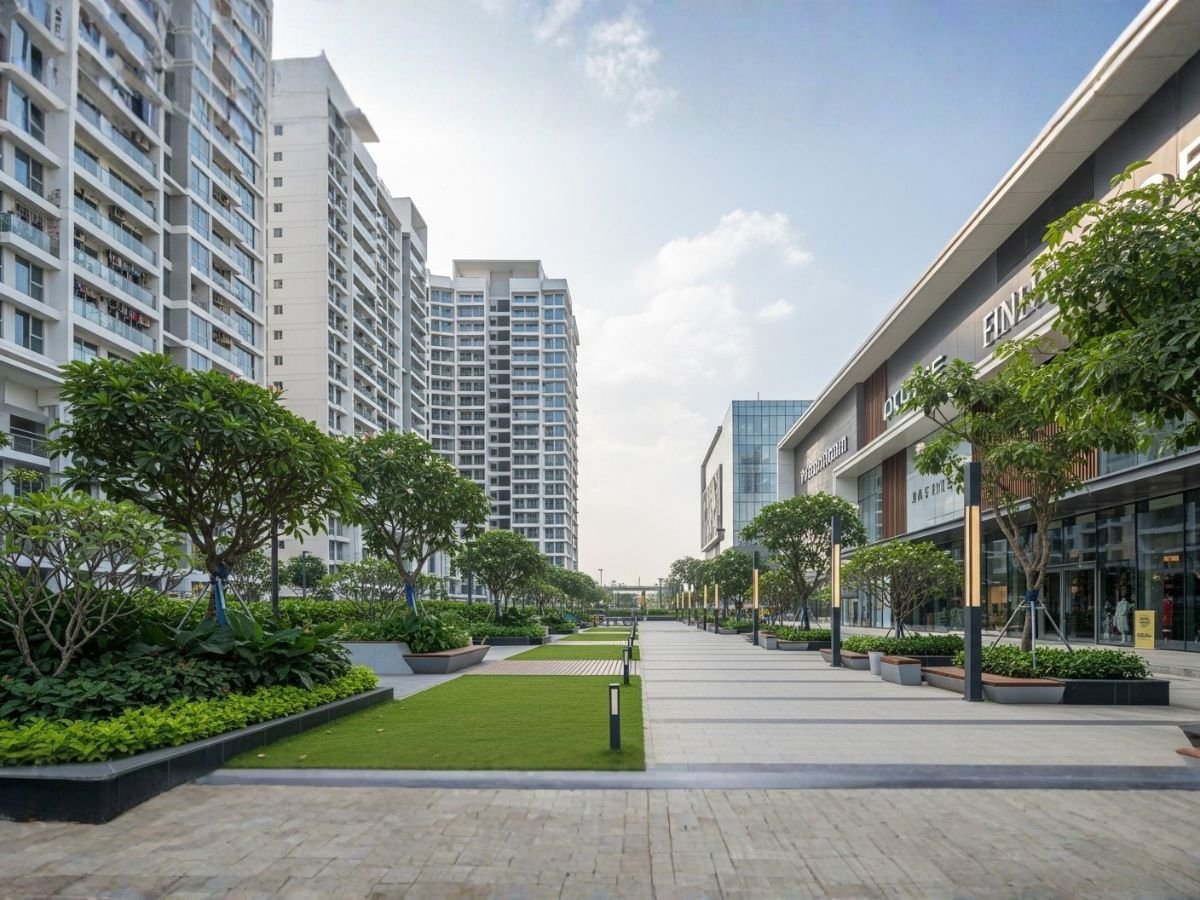
The station is the backbone of Seawoods housing demand because it converts location into daily usable value.
Seawoods-Darave is not just another suburban stop. It sits inside one of Navi Mumbai’s most visible transit-oriented ecosystems. That changes buyer and tenant behaviour. People actively search for homes that reduce last-mile friction. They are not only checking square footage. They are checking how fast and how comfortably they can move.
Commute convenience and daily-use value
For working professionals, especially those who travel often across the city or rely on rail connectivity, station access is not a side benefit. It is a lifestyle filter. A flat that allows a practical walk to the station has an advantage that an equally sized but less convenient flat often cannot match.
This matters even more now because the Belapur-Uran corridor is gaining importance. The approved increase in services and the linkage toward Targhar, which is positioned as the rail gateway for the upcoming Navi Mumbai International Airport ecosystem, strengthens Seawoods’ role beyond ordinary suburban movement.
Why station-linked demand often supports faster resale movement
Stronger demand does not mean every flat sells instantly. But station-linked homes usually attract more immediate inquiry because their usefulness is easy to understand. Buyers can see the advantage quickly. So can tenants.
That creates better liquidity in the right segment, especially for practical ticket sizes. A modern 2 BHK or well-maintained 3 BHK near the core convenience zone often has a more active demand base than an older large flat whose main selling point is only a Seawoods address.
Why renters also prefer station-linked pockets
Rental demand in Seawoods is not random. Premium tenants often prefer buildings that reduce travel friction and improve everyday comfort. Step 2 research indicates that premium segments can see monthly rents around ₹35,000 to ₹45,000 for 2 BHK units and ₹50,000 to ₹70,000 for 3 BHK units, with stronger outcomes in better-positioned buildings and premium tenant profiles.
This is why Seawoods rental demand is often stronger than generic locality articles suggest. It is not just because the area is “nice.” It is because tenant utility is high.
Does Seawoods Grand Central Really Increase Housing Demand or Just Improve Image?
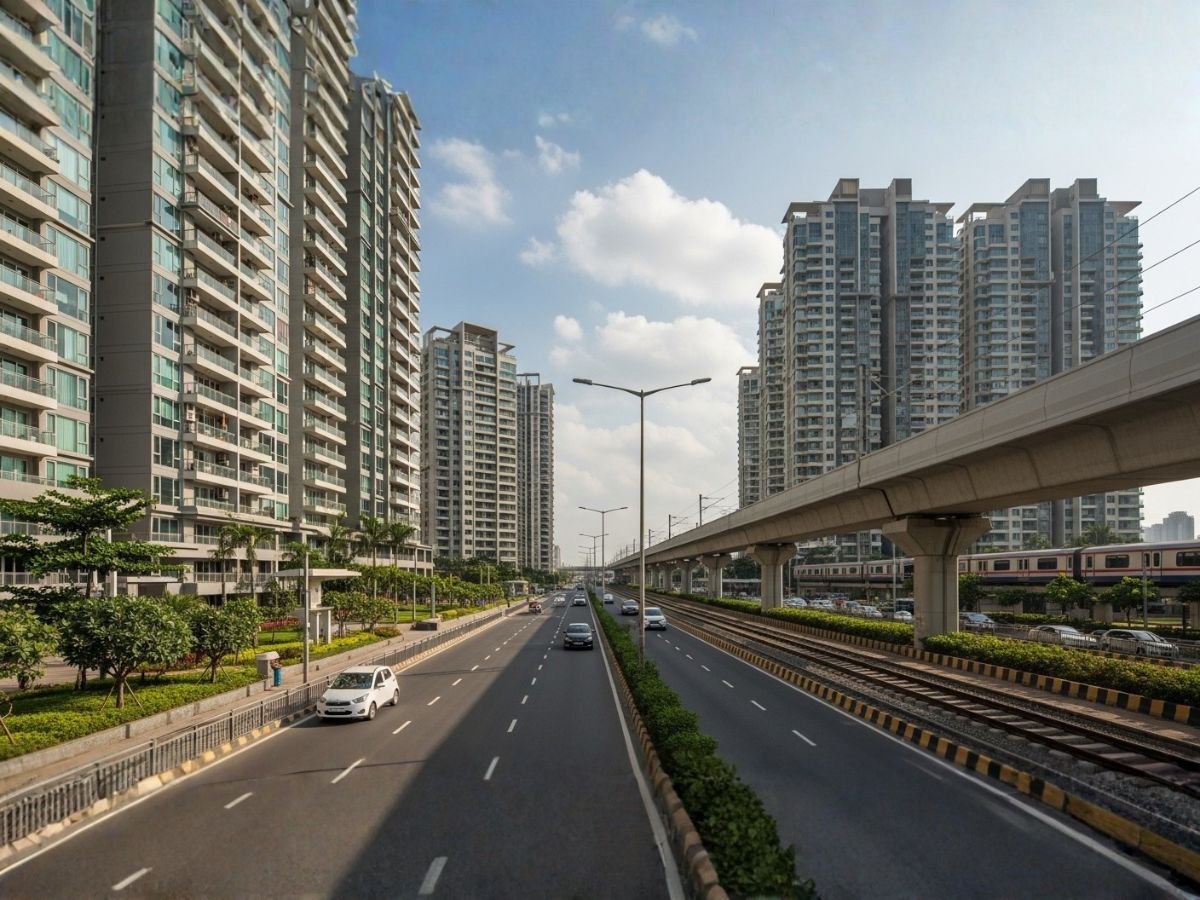
It does both. But its effect is stronger on premium positioning than on baseline demand.
Seawoods Grand Central changed how the market sees Seawoods. It made the node feel more complete, more visible, and more urban in the polished sense. Families like it. Premium end users like it. Corporate tenants often see it as a lifestyle convenience advantage. That has real value.
Family convenience and weekend-use lifestyle value
For many households, the mall reduces friction in daily and weekly life. Shopping, food, weekend outings, quick errands, and family time all become easier. In a city where many people still spend too much time travelling for ordinary tasks, that matters.
This is one reason Seawoods appeals strongly to families who want organised urban convenience without moving into Mumbai proper.
The premium-branding effect on buyer perception
The mall also acts as a branding device. It tells buyers that Seawoods is not just another residential node. It signals status, convenience, and urban polish. That influences both willingness to pay and the kind of tenant profile attracted to the area.
The post-2014 to 2019 shift in Seawoods’ market image was not accidental. The integrated ecosystem helped transform it from a quiet node into a more aspirational residential market.
Where the mall helps and where it is overrated
This is where buyers need balance. Living near the mall is not automatically ideal. In fact, sectors close to the busiest retail spillover zones can face congestion, illegal parking, noise, and pedestrian discomfort.
So the best position is often not “right on top of the action,” but reasonably close to benefit from it without suffering from it every day. In practical terms, a property that is around a manageable walking distance away may offer better quality of life than one located too close to the most crowded circulation points.
How Road and Rail Connectivity Make Seawoods More Desirable Than Many Nearby Options
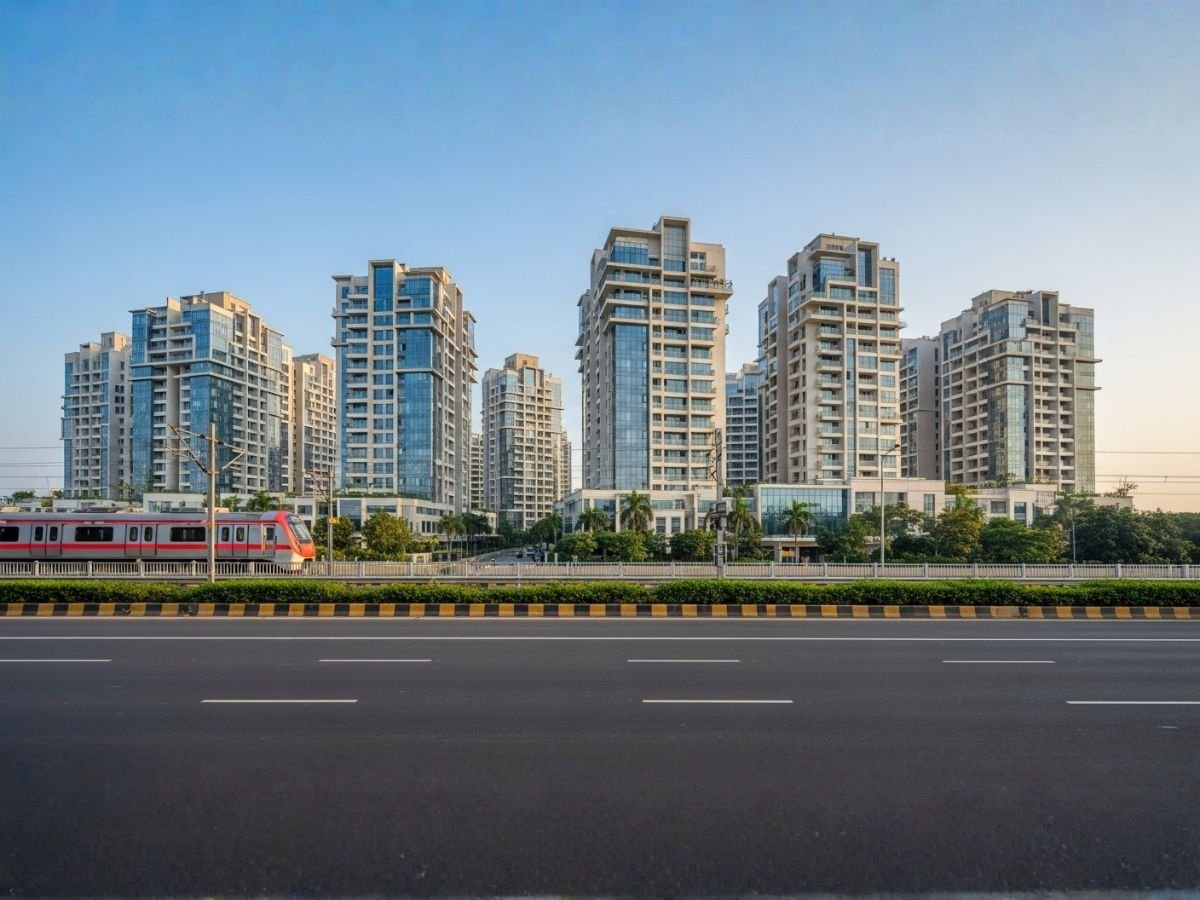
Seawoods works well because it is not dependent on one transport mode.
That is a major advantage. Some nodes are better for rail users but weaker for car-based movement. Others work better for drivers but are less convenient for everyday public transport use. Seawoods performs well on both sides, and that broadens its demand base.
Rail convenience inside the Navi Mumbai commuter system
Rail connectivity supports workers, tenants, and residents who want reliable access without total dependence on private vehicles. That keeps the area attractive to professionals across income segments, especially those who see commute stress as a major housing decision factor.
Road links, Palm Beach Road side relevance, and car-based movement
Palm Beach Road is a major part of the Seawoods premium story. It improves access and makes the west-side premium pockets more desirable. For senior professionals, business owners, and families using private vehicles, this matters a lot.
The operational Mumbai Trans Harbour Link has also strengthened the wider strategic value of well-connected Navi Mumbai nodes. Seawoods benefits because it sits in a network that now feels more tightly linked to the broader Mumbai economic geography.
Why connectivity matters differently for end users and investors
For end users, connectivity is mainly about daily comfort. For investors, it is about market depth and future exit confidence. A well-connected node stays relevant to more types of buyers and tenants. That does not guarantee returns, but it reduces the risk of being trapped in a weak micro-market with narrow demand.
Do All Parts of Seawoods Benefit Equally from This Demand?
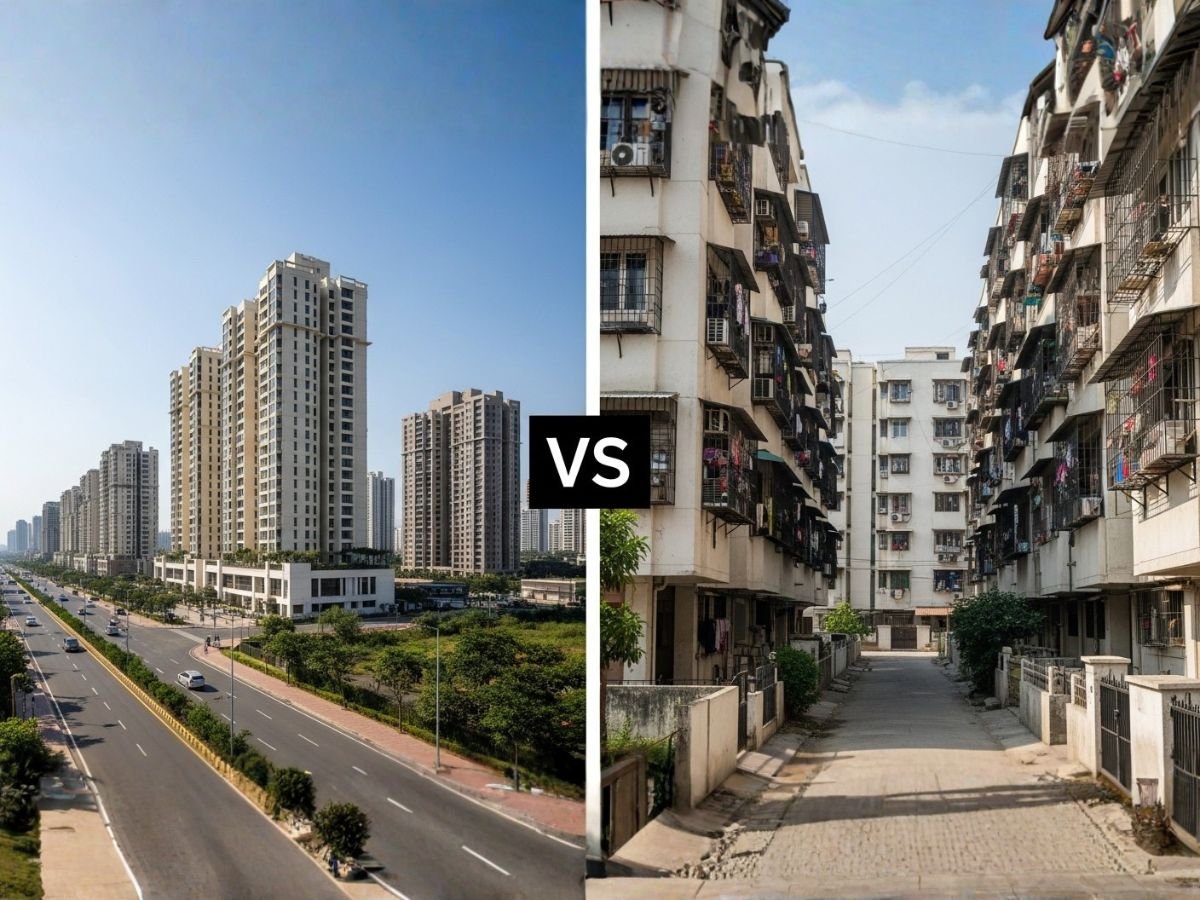
No. This is one of the biggest mistakes buyers make.
Seawoods is not one flat market. It is a layered micro-market. The railway split, distance from the station, Palm Beach side premium, age of stock, and society quality all change demand strength.
Older interior sectors can behave very differently from premium west-side pockets or station-linked towers. Step 2 research points to this clearly. Sector 40 type premium zones near stronger convenience and Palm Beach side positioning can command much higher values than older interior sectors such as Sector 44, where pricing and growth behaviour may be softer.
So when people quote “Seawoods rates,” they are often hiding the most important truth. The address is not the whole story. The micro-location is.
Who Benefits Most from Seawoods Demand: Families, Commuters, Premium End Users or Investors?
Not everyone benefits equally. Seawoods is strongest for some buyer types and only selectively good for others.
| Buyer Type | Best Fit in Seawoods? | Why |
|---|---|---|
| Daily commuters | Very strong fit | Station utility reduces daily friction |
| High-income families | Strong fit in the right pockets | Lifestyle, security, Palm Beach side appeal, mall convenience |
| Premium end users | Very strong fit | Seawoods offers a polished, ready-use urban environment |
| Yield-focused investors | Selectively strong | Works better in the right building, right ticket size, right tenant profile |
For commuters, Seawoods makes obvious sense. For premium end users, it offers a rare mix of rail, road, retail, and image. For families, the answer depends on whether they value Seawoods’ fast-paced convenience or prefer quieter legacy markets like Nerul.
For investors, the answer is more selective. Rental demand can be strong. Premium profiles can support roughly 3.5% to 4.5% annual yields in the right product type. But that does not mean every property is a smart investment. The building, micro-location, tenant profile, and purchase price matter a lot.
Does Strong Demand in Seawoods Also Mean Better Resale and Rental Performance?
Rental performance and resale performance are related, but they are not the same thing.
Rental stability in Seawoods is structurally stronger than many average residential markets because the location solves real problems for tenants. That is why premium tenant segments often pay a meaningful convenience markup.
Resale liquidity, however, is more uneven. A property can sit in a high-demand node and still be hard to sell if the ticket size is too high, the building is aging badly, the society is poorly managed, or the legal and administrative position is messy.
This is especially important in Navi Mumbai because CIDCO-linked realities still matter. Leasehold versus freehold status, transfer charges, and society documentation can affect resale attractiveness far more than a casual buyer expects.
When Is the Seawoods Convenience Premium Worth Paying and When Is It Too Much?
The premium is worth paying when you actually use the convenience that Seawoods offers.
That means people who commute often, use the station regularly, value walkable access, enjoy the mall ecosystem, or want a polished premium environment are more likely to justify Seawoods pricing. In premium pockets, current market dynamics indicate price bands in the ₹22,000 to ₹28,000 per sq. ft. zone for stronger stock, while nearby alternatives such as parts of Nerul may sit lower depending on location and asset type.
The premium becomes questionable when the buyer hardly uses what they are paying for.
Signs the premium is justified
- You depend on rail or mixed-mode commuting
- You want genuine walk-to-convenience living
- You are targeting premium tenants
- You value resale appeal in a strong brand-like node
Signs the buyer may be overpaying
- You work mostly from home
- You use only private vehicle travel
- You prefer quieter, lower-density surroundings
- You are buying an older interior flat at a price inspired by premium Seawoods headlines
For some buyers, Nerul can offer better value, calmer streets, and stronger legacy family comfort. Seawoods is not automatically the smarter buy just because it feels more premium.
What Buyers Should Check Before Assuming Seawoods Demand Will Automatically Protect Their Purchase
This is where practical buying discipline matters. Strong location cannot save a weak asset.
Use this basic Seawoods checklist before buying:
Seawoods Buyer Checklist
- Check if the society or plot is still CIDCO leasehold or has moved to freehold status
- Confirm whether future CIDCO transfer charges may apply on resale transactions
- Verify title and ownership chain through IGR Maharashtra
- Check for active loans or encumbrances through CERSAI
- Physically walk the route to the station instead of trusting brochure claims
- Check actual traffic, parking spillover, and pedestrian conditions around the building
- Ask for society maintenance history, repair levies, and monthly outgo
- Confirm parking allotment in writing, especially in older societies
- Assess building age, lift condition, waterproofing, and structural upkeep
- Compare the asking rate to the exact micro-location, not to “Seawoods average” headlines
The CIDCO leasehold-to-freehold shift is especially important right now. In Navi Mumbai, this is not a small technical detail. It can directly affect transaction cost, liquidity, and buyer comfort. If a society has already moved to eligible freehold status under the scheme, that can materially improve future resale ease compared with properties still carrying leasehold transfer friction.
Conclusion
Seawoods housing demand is strong because it combines three things that rarely align this efficiently in one Navi Mumbai node: a working station ecosystem, a major lifestyle mall, and strong broader connectivity. But these drivers are not equal. The station is the real baseline demand anchor. The mall lifts premium appeal and pricing power. Connectivity keeps the node relevant in the larger Mumbai-Navi Mumbai map.
That is why Seawoods is not just a fashionable address. It is a structurally advantaged one. Still, buyers should not treat the entire node as one uniform premium market. The exact sector, walking convenience, building quality, society condition, and CIDCO legal status can change the outcome completely.
If you are a commuter, premium end user, or investor targeting the right tenant profile, Seawoods can justify its premium. If you mainly want a quiet family setup, do not use the station much, or are buying an older flat at an inflated rate just because it says Seawoods on the paper, the premium can quickly become inefficient.
FAQs
Frequently Asked Questions