
Seawoods Property Guide 2026: Is Seawoods Still Worth the Premium?
Seawoods is still one of the strongest residential bets in Navi Mumbai in 2026, but not for everyone. It makes the most sense for buyers who value daily convenience, station access, organised surroundings, premium social infrastructure, and long-term livability more than “cheap entry.” If you are hunting for a low budget flip or dramatic short term upside, Seawoods is usually the wrong market. If you want a mature, high-functioning location, it remains one of the best.
What makes Seawoods different is not just branding. The area is anchored by an unusually strong transit retail residential ecosystem. L&T describes Seawoods Grand Central as India’s largest and most successful transit-oriented development spread across 40 acres, while Nexus Seawoods reports roughly 1.0 million sq ft of leasable area, 98% leasing occupancy, 300+ stores, and around 15 million last-twelve-month footfalls as of December 31, 2025. That kind of operating ecosystem matters because it supports real everyday demand, not just brochure value.
Quick Summary
| Question | Practical answer |
|---|---|
| Is Seawoods good for end users? | Yes, especially for professionals, families, and buyers who want a mature, premium Navi Mumbai lifestyle. |
| Is Seawoods good for first-time investors? | Only if the budget is strong and expectations are realistic. This is more of a stability market than a low-entry high-upside market. |
| What do prices look like in 2026? | Portal signals place Seawoods roughly from the mid-₹15,000s to mid-₹26,000s per sq ft in broad locality averages, while premium inventory can go much higher. |
| Is resale stronger than new here? | Often yes for value, space, and practicality, but only if paperwork, building age, and renovation cost are checked properly. |
| Rental yield | Usually moderate rather than exceptional, often around the 3% to 4% gross range depending on tower and acquisition cost. |
Why Seawoods Commands a Premium
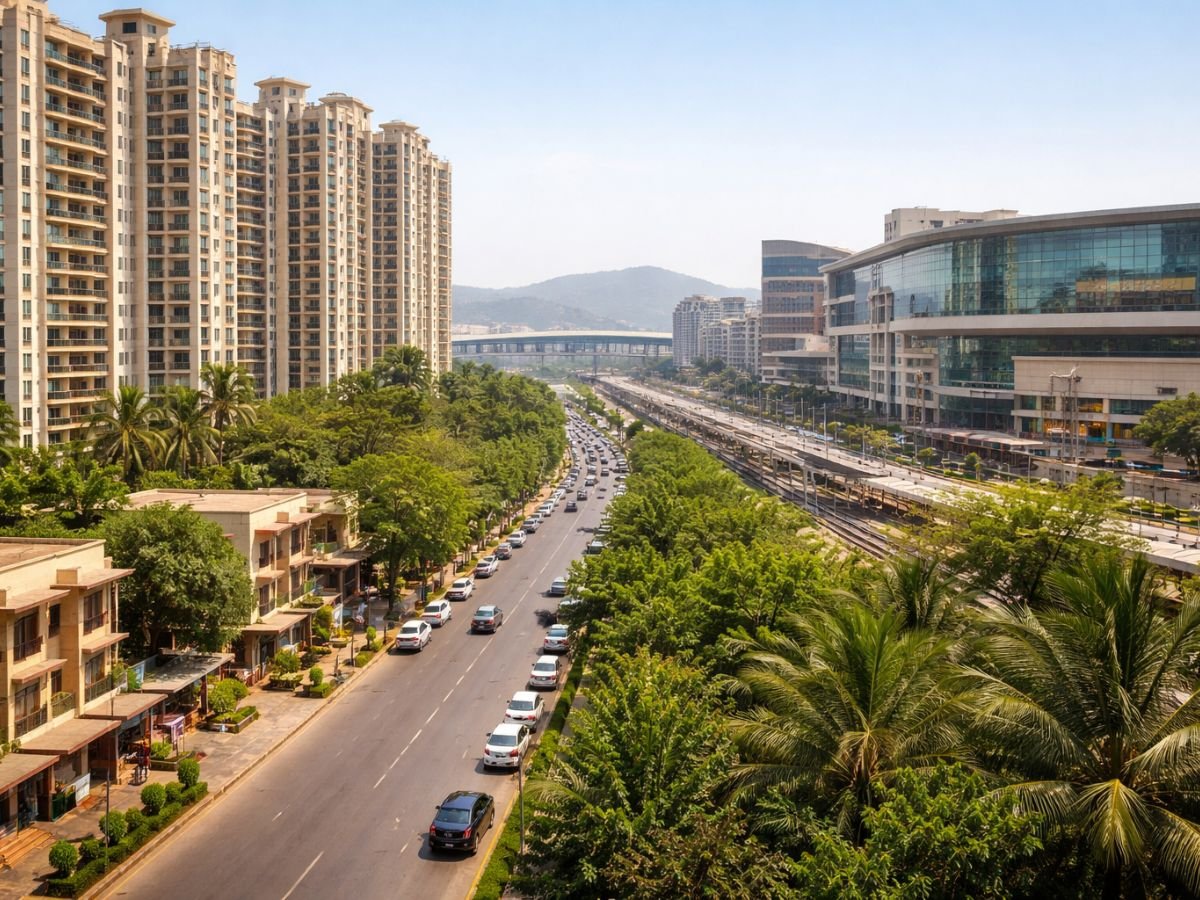
Seawoods is expensive because it removes a lot of the friction that buyers face elsewhere in Navi Mumbai. The station-mall-office-residential integration is real, not theoretical. Nexus Seawoods is already operating at scale, and the location benefits from a live retail base, strong brand presence, and a finished urban feel that many growth nodes still do not have. That is why Seawoods behaves more like a convenience-led premium node than a speculative one.
In plain terms, buyers here are paying for time and smoothness. Daily shopping is easier. Rail access is stronger than in many other premium pockets. The surrounding environment feels more complete. For families and working professionals, that matters more than a cheaper rate in a still-developing area where roads, retail, or last-mile movement are still uneven. This is also why Seawoods keeps showing up in premium Navi Mumbai discussions.
What Seawoods Property Prices Actually Look Like in 2026
This is where many buyers get confused. There is no single “Seawoods rate.” Different portals are already showing different averages because they are mixing sectors, old buildings, new towers, built-up area, carpet area, and premium project inventory. Housing shows an average locality price of ₹18,409/sq ft, while MagicBricks shows ₹20,804/sq ft as the Jan–Mar 2026 average for multistorey apartments, with a broader range of ₹15,459 to ₹26,149/sq ft. 99acres search snippets place Seawoods around ₹23,833/sq ft on average transaction rate.
That spread is not a data error. It reflects the fact that Seawoods contains very different products. For example, 99acres snippets show Sector 40 around ₹27,600/sq ft, while a Sector 44 page shows about ₹14,086/sq ft, and a Sector 46 page shows about ₹30,650/sq ft. So if someone says “Seawoods is ₹30,000” or “Seawoods is ₹18,000,” both can be incomplete or misleading depending on the building and sector.
Premium inventory can sit much higher. Housing’s Seawoods RERA listings include a project showing about ₹32,640/sq ft average pricing with January 2027 possession, while 99acres listings for L&T Seawoods Residences show examples around ₹29,700/sq ft and even specific listings above ₹45,000/sq ft. That does not mean the whole node is trading there. It means flagship inventory in a brand-led product can live in a separate price universe.
The practical pricing rule
Do not compare Seawoods flat prices without checking these four things first:
1. Sector 2. Building age 3. Carpet vs built-up basis 4. Whether the building is older resale stock or premium integrated inventory
That one filter alone will save buyers from most bad comparisons. The “locality average” is useful only for screening. It is not enough for deal-making.
Resale vs New in Seawoods: Which Makes More Sense?
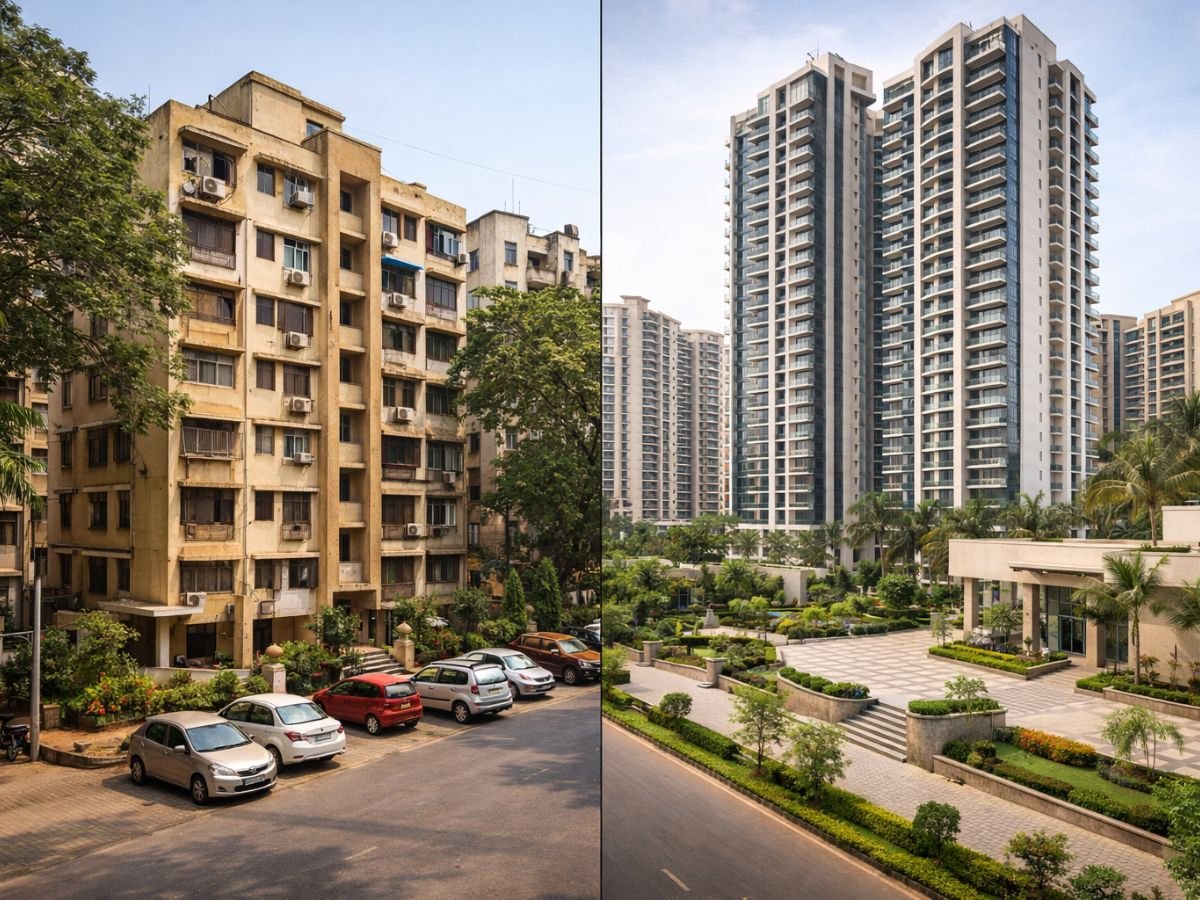
In Seawoods, resale often makes more practical sense than new launch inventory. The reason is simple: you usually get better usable space, a clearer sense of the actual neighbourhood, immediate livability, and fewer surprises about what the project “will become.” In a mature location like this, those advantages matter more than in a raw growth market.
New or newer premium stock can still work if you want modern amenities, strong branding, polished lobbies, better clubhouse quality, and a sharper social profile. But the premium can be substantial. A ready premium project example like L&T Seawoods Residences shows 2 BHK and 3 BHK units listed across wide ranges, from roughly ₹1.65 crore to ₹4.18 crore on Housing, depending on size and configuration. That is a very different buy from an older cooperative building in a secondary pocket.
Resale, however, is not automatically “cheap” or “safe.” In Seawoods, older stock may come with renovation cost, society-specific issues, higher maintenance surprises in some premium towers, parking ambiguity, or transfer-related paperwork. So the right conclusion is not “resale is better.” The real conclusion is this: resale is often better value, but only after paperwork and practical condition checks.
Rental Market and Yield Reality
Seawoods rents are healthy by Navi Mumbai standards, but yield is still moderate because capital values are high. Current rental listings show 2 BHK asking rents that can move from roughly ₹55,000 into the ₹60,000–₹81,400 band in stronger inventory, while premium project listings in L&T Seawoods Residences also show 2 BHK and 3 BHK examples at ₹55,000, ₹75,000, and ₹80,000.
Using current asking prices and these rent signals, a rough gross yield in Seawoods often lands in the 3% to 4% zone, depending on the building and what basis you bought on. That is decent for a premium, established residential market, but it is not a high-yield story. 99acres also shows a 4% rental yield snippet for Sector 40, which supports the view that yield can be respectable in selected pockets but should not be exaggerated.
So, if your investment thesis is purely rental cash flow, Seawoods may feel expensive. If your thesis is quality tenant demand + stability + easier exit in a mature location, Seawoods becomes more attractive. That is the correct lens.
Who Should Buy in Seawoods and Who Should Skip It
| Buyer type | Seawoods fit |
|---|---|
| End-user family | Strong fit, especially if budget allows and daily convenience matters more than maximum space. |
| Senior professional / business owner | Strong fit because the location offers mature urban convenience and premium housing options. |
| First-time investor on limited budget | Usually weak fit. Entry cost is high, and there may be better upside-to-ticket opportunities elsewhere in Navi Mumbai. |
| Buyer seeking low-maintenance ready resale | Good fit, but only after proper building, society, and document checks. |
| Buyer chasing fast appreciation | Mixed fit at best. Seawoods is stronger on stability and livability than on cheap-entry rerating. |
The Legal and Process Layer Buyers Should Not Ignore
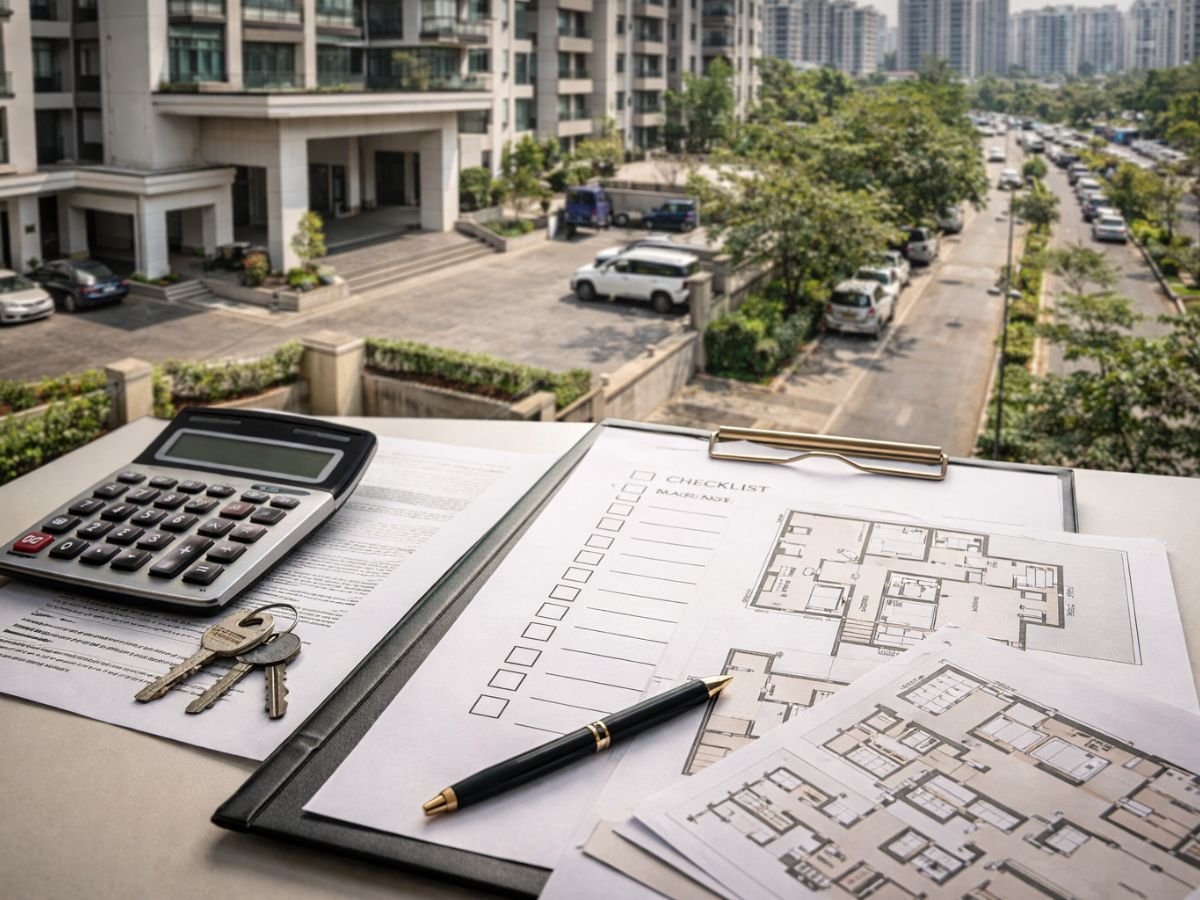
For new project or newer under-construction inventory, MahaRERA should be your first stop. MahaRERA’s own homebuyer guidance tells buyers to use the project search page, click View Details, and review items such as the legal title certificate, draft allotment letter, model agreement, litigation or encumbrance position, amenities, and neighbourhood infrastructure. Its possession-stage guidance also tells buyers to check original and photocopied documents before taking possession.
For pricing, valuation, and registration workflow, the Maharashtra Registration and Stamps department is the key authority layer. The official IGR site provides access to the Stamp Duty Calculator, Ready Reckoner / eASR, Public Data Entry for Registration, and Document Registration services. As of FY 2026–27, Maharashtra has kept ready reckoner rates unchanged, which matters because government valuation directly affects transaction calculations and stamp-duty-linked decision-making.
For local holding-level follow-up, NMMC’s official property-tax system lets owners search tax details and pay online, and the NMMC portal also points users to its official WhatsApp chatbot for property tax services. That sounds like a small detail, but in real transactions it matters because buyers often focus on registration and ignore the municipal side until later.
Seawoods-specific paperwork mindset
In Seawoods, do not stop at “nice tower, nice lobby, nice location.” Check the authority structure, society records, dues, parking status, actual carpet utility, and any transfer-side issues that attach to the property. In a premium market, paperwork sloppiness gets hidden more easily behind presentation quality.
The Most Useful Way to Compare Seawoods With Other Navi Mumbai Nodes
Seawoods is not the best value market in Navi Mumbai. It is one of the best finished lifestyle markets in Navi Mumbai. That is the correct positioning.
| Node | What it does best | Where it loses |
|---|---|---|
| Seawoods | Premium convenience, station-retail integration, mature urban feel | High entry cost, moderate yield, less "cheap upside" room |
| Kharghar | More space logic, education ecosystem, broader price spread | More uneven micro-markets and longer filtering process for the right pocket |
| Panvel / growth-side locations | Lower entry in many pockets, stronger development-angle upside | More execution risk, more uneven livability, more patience needed |
| Nerul | Strong old residential base and good city access | Product quality and building-age spread can vary sharply by pocket |
Conclusion
Seawoods is worth its premium in 2026, but only when you buy it for the right reason. This is not the part of Navi Mumbai where you go searching for the cheapest deal. It is where you buy when you want a mature, premium, low-friction urban life with strong daily convenience and relatively resilient demand. The market rewards disciplined buyers, not impulsive ones. Compare sector to sector, resale to premium stock, and paperwork to presentation. If you do that, Seawoods can still be one of the safest high-quality residential decisions in Navi Mumbai
FAQs
Frequently Asked Questions