Sector 8 Kharghar: Introduction & Real Estate Overview (2025)
Sector 8 is not the loudest part of Kharghar. It doesn’t market itself. It doesn’t chase attention. And yet, if you talk to people who’ve lived in Kharghar long enough, this sector keeps coming up quietly in conversations. Usually with a pause. Located at a crucial entry point of Kharghar, Sector 8 has grown into one of those neighbourhoods where daily life feels sorted. Roads make sense. Distances feel manageable. Essentials are nearby. And over the years, that reliability has turned into value.
Developed under the planning framework of CIDCO, Sector 8 reflects old-school Navi Mumbai logic. Functional zoning. Breathing space. No unnecessary clutter. In 2025, as buyers become more practical and less speculative, this sector is seeing renewed attention for exactly those reasons.
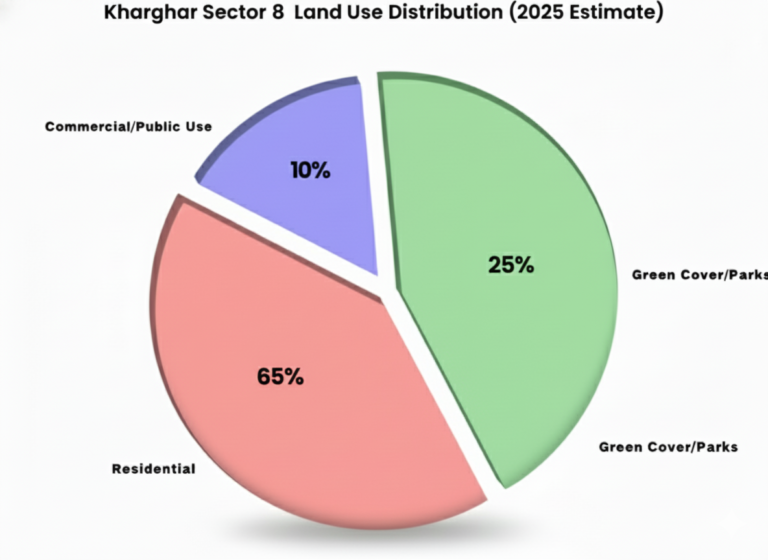
The Residential Structure of Sector 8
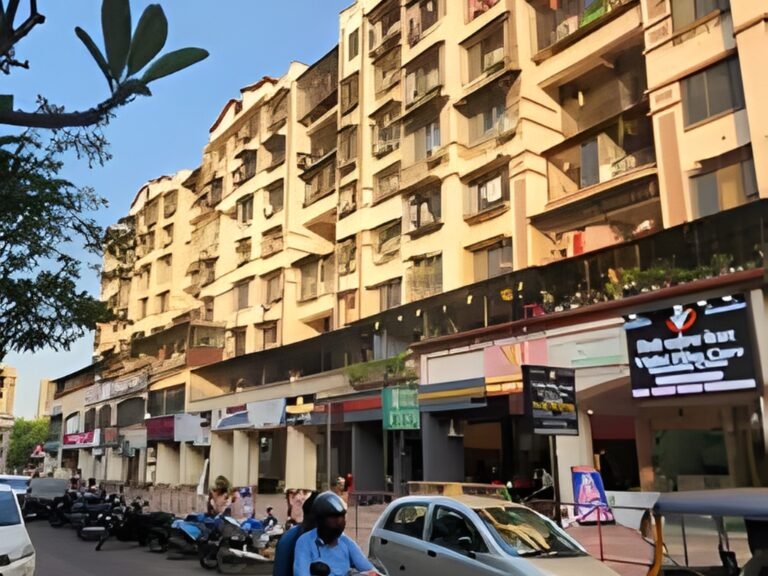
The residential character of Sector 8 is stable, mature, and community-driven. This is not a sector filled with glass towers or under-construction promises. Most buildings here are already lived in, tested by time, and surrounded by real neighbourhood ecosystems.
You’ll mainly find mid-rise cooperative housing societies, many of them built in the late 1990s and early 2000s. These buildings may not have flashy clubhouses, but they offer something increasingly rare in Navi Mumbai- usable carpet areas. Rooms feel proportional. Balconies exist. Ventilation works. There are also a few newer residential developments and redeveloped societies that add modern amenities like lifts, covered parking, and security systems, but the sector has largely resisted overdevelopment. That restraint is a strength, not a limitation.
Why Sector 8 Kharghar Is Getting Attention
The attention Sector 8 is getting in 2025 is not hype-driven. It’s correction-driven. Buyers today are doing something different. They’re asking better questions. How far is the station, really? Are hospitals walkable? Does traffic trap you inside the sector? What happens during monsoons?
Sector 8 answers most of these questions comfortably.
Its proximity to major transport routes, the Kharghar Bus Depot, metro connectivity, and everyday infrastructure makes it feel efficient. Not exciting. Efficient. And for families, working professionals, and senior citizens, that efficiency translates directly into quality of life.
Current Real Estate Prices in Sector 8 Kharghar (2025)
Current Real Estate Prices in Sector 8 Kharghar (2025)
Residential Property Rates As of 2025, residential property prices in Sector 8 Kharghar typically range between ₹14,000 to ₹18,500 per sq ft, depending on building age, floor, condition, and parking availability.
Older CIDCO-style buildings usually transact on the lower end of this range, while newer or renovated societies push toward the higher side.A realistic price snapshot looks like this:
1 BHK flats generally fall between ₹85 lakh to ₹1.15 crore
2 BHK flats range from ₹1.25 crore to ₹1.75 crore
3 BHK flats, which are limited in supply, often cross ₹2 crore
Year-on-year, Sector 8 has seen an average appreciation of around 6-7%, which is steady rather than explosive. And that steadiness is precisely what attracts end-users who plan to stay long-term.
Commercial Property Rates
Commercial real estate in Sector 8 is limited but functional. Small shops, clinics, and offices along internal roads and near residential clusters usually trade between ₹22,000 to ₹30,000 per sq ft.
Rental demand remains consistent, driven by daily-need businesses rather than speculative retail. This keeps vacancy low and footfall dependable.
Future Outlook: Where Prices Are Headed (Up to 2035)
Sector 8 is not expected to become a speculative hotspot. And that’s actually its biggest advantage.With infrastructure projects like metro expansion and improved road connectivity stabilising over the next decade, price appreciation is expected to remain moderate but reliable. Conservative projections suggest annual appreciation of 6-8%, with sharper jumps around major infrastructure completions.
By 2035, Sector 8 is likely to be viewed as a “safe hold” micro-market – similar to how older sectors in Vashi are perceived today.
Major Residential Projects in Sector 8 Kharghar
Some well-known residential societies in Sector 8 include:
Goodwill Gardens
Neelsidhi Ornate
Multiple CIDCO housing clusters
Smaller cooperative societies along internal roads
These are not luxury developments. They are lived-in communities, and that authenticity adds long-term value.
Major Residential Projects in Sector 8 Kharghar
Some well-known residential societies in Sector 8 include:
Goodwill Gardens
Neelsidhi Ornate
Multiple CIDCO housing clusters
Smaller cooperative societies along internal roads
These are not luxury developments. They are lived-in communities, and that authenticity adds long-term value.
Connectivity & Transportation: Sector 8 Kharghar
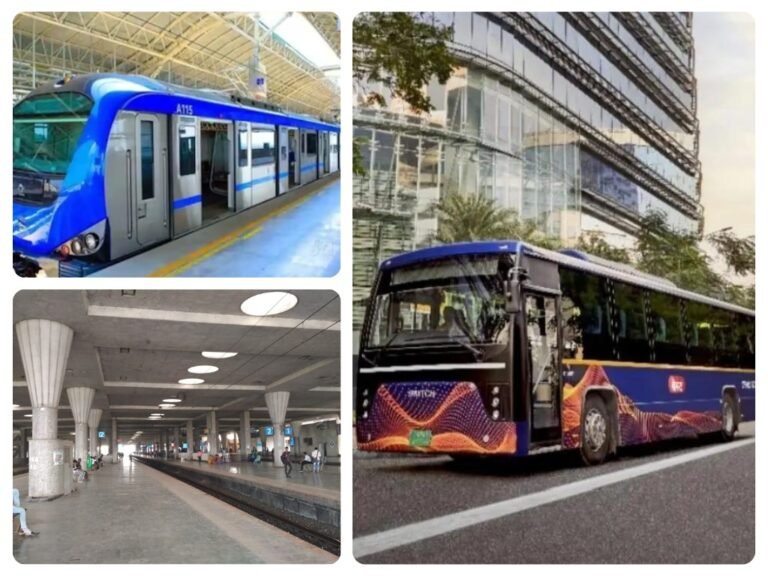
Connectivity is one area where Sector 8 quietly does better than most people expect. It doesn’t rely on a single mode of transport or a future promise. Instead, it benefits from a layered transport network that has evolved over time. Rail, metro, buses, and road access all work together here, which is exactly why daily movement feels manageable even during peak hours.
For residents, this means flexibility. If one option feels crowded or delayed, there is usually another workable alternative close by.
Railway Access: The Daily Lifeline
For thousands of residents in Sector 8, Kharghar Railway Station remains the primary commuting anchor. Located roughly 1.5 to 2 kilometres away, the station is far enough to avoid constant noise and congestion, yet close enough to be reached quickly. Autos and shared rickshaws are easily available throughout the day, especially during office hours. Many residents also rely on NMMT buses or two-wheelers to reach the station. During peak hours, this flexibility helps commuters adjust their routines rather than feel stuck.
The Harbour Line connectivity makes Kharghar Railway Station particularly valuable. Direct access to nodes like Vashi, Nerul, Belapur, and further toward CST ensures that Sector 8 remains well-connected to major employment and commercial zones.
Metro Connectivity: Changing Internal Movement
The arrival of the Navi Mumbai Metro has subtly but significantly changed how residents move within Kharghar. While it may not replace long-distance travel, it has reduced dependence on autos and private vehicles for short, intra-node journeys. For residents of Sector 8, nearby metro stations around Utsav Chowk and adjoining sectors are easily accessible. This has made routine travel such as visiting markets, schools, or neighbouring sectors quicker and more predictable.
What stands out is how the metro has benefited senior citizens and students. Short trips that earlier required waiting for autos are now smoother, more comfortable, and less time-consuming. Over time, this has contributed to a more walk-and-ride friendly lifestyle within the Kharghar node.
Bus Services: Reliable, Underrated, Essential
Bus connectivity is one of Sector 8’s most underrated strengths. Its proximity to the Kharghar Bus Depot gives residents access to a wide range of AC and non-AC services without having to travel far. Regular bus routes connect Sector 8 directly to Vashi, CBD Belapur, Panvel, Borivali, and even South Mumbai. In recent years, routes linked to the Navi Mumbai International Airport corridor have further enhanced the sector’s importance as a transit-friendly residential area.
For many residents, buses are not a fallback option. They are the preferred choice. During peak hours or monsoon disruptions, buses often prove to be more predictable than trains. Air-conditioned services, in particular, have attracted working professionals who value comfort and consistency in daily travel.
Road Connectivity: Where Sector 8 Really Wins
Road connectivity is where Sector 8 truly shows its planning advantage. The sector enjoys quick access to the Sion-Panvel Highway, along with well-laid internal roads that distribute traffic efficiently.
Unlike some newer sectors where traffic funnels into a single exit, Sector 8 benefits from multiple access points. This reduces bottlenecks and allows residents to choose alternate routes depending on traffic conditions.
Peak-hour congestion does exist, especially during office timings. However, the presence of multiple exit routes and service roads ensures that traffic rarely feels paralysing. For daily commuters who rely on private vehicles, this flexibility makes a noticeable difference in travel stress and time management.
The NMIA Effect: A Long-Term Multiplier
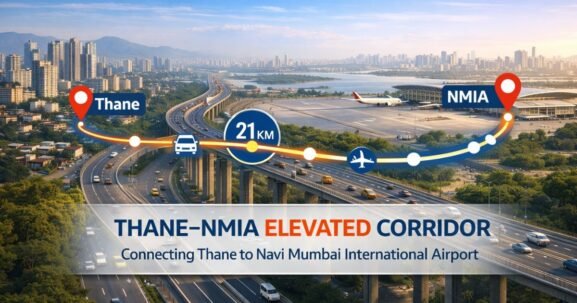
The impact of the Navi Mumbai International Airport on Sector 8 Kharghar is best understood as indirect but powerful. Unlike neighbourhoods located right next to the airport zone, Sector 8 sits at a comfortable distance where it benefits from economic momentum without inheriting the disadvantages that often accompany airport-adjacent development.
As the airport becomes operational, the most immediate effect will be employment-driven. Aviation-linked jobs, logistics, hospitality, back-end corporate offices, and support services are expected to expand across Navi Mumbai. Sector 8, with its established residential base and reliable connectivity, naturally becomes a preferred living zone for professionals working in and around the airport ecosystem. This demand is not speculative in nature. It is functional, long-term, and employment-backed.
Hospitality and service-sector growth will also play a quiet role. While hotels and commercial complexes cluster closer to the airport, residential sectors like Sector 8 benefit from spillover demand. Rental housing for airline staff, consultants, and managerial professionals tends to favour well-connected but calmer neighbourhoods. Sector 8 fits that requirement neatly, offering access without chaos. Regional connectivity is another key factor. Improved road networks, bus routes, and metro integrations planned around NMIA will compress travel time across nodes. For Sector 8 residents, this means quicker access to emerging business districts without the daily inconvenience of airport traffic, noise, or zoning restrictions.
Banks & Daily Essentials: Sector 8 Kharghar
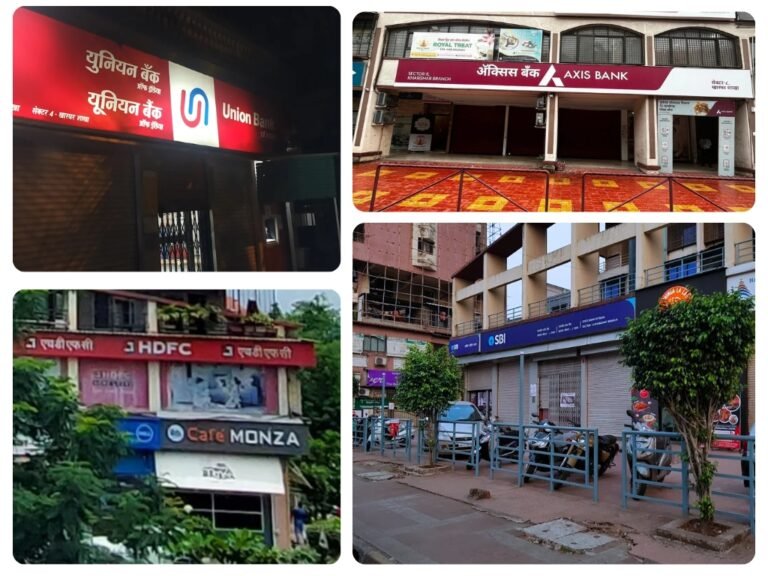
- SBI Branch Kharghar
- Union Bank of India
- HDFC Bank Home Loan Branch
- Axis Bank Branch
Grocery Stores & Supermarkets
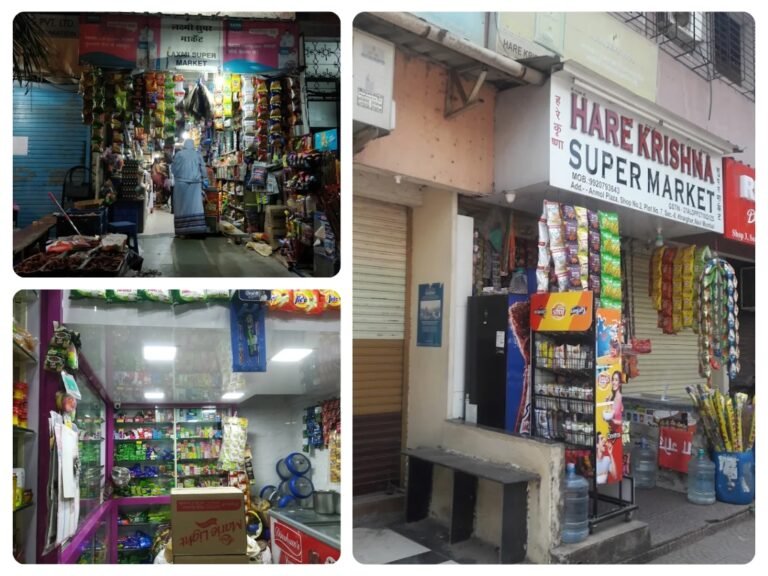
- Laxmi Super Market
- Hare Krishna Supermarket
Furniture & Home Décor Stores
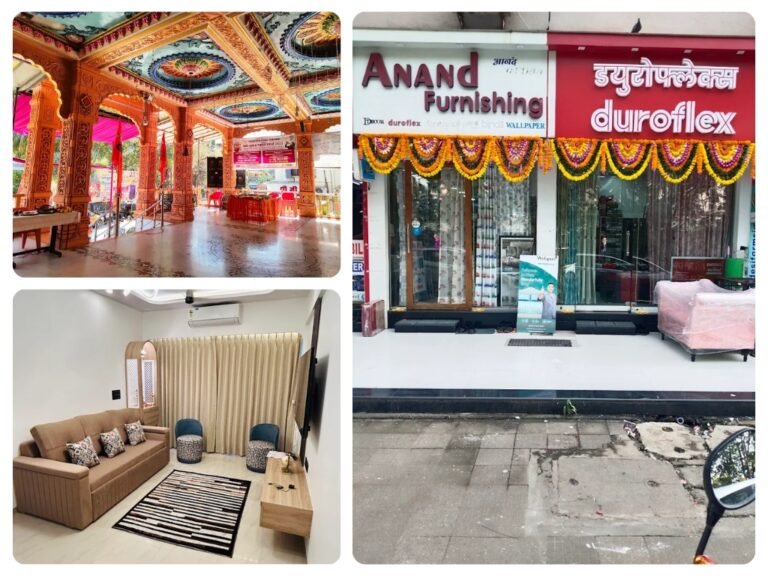
- Anand furnishing
Nature, Parks & Outdoor Spaces
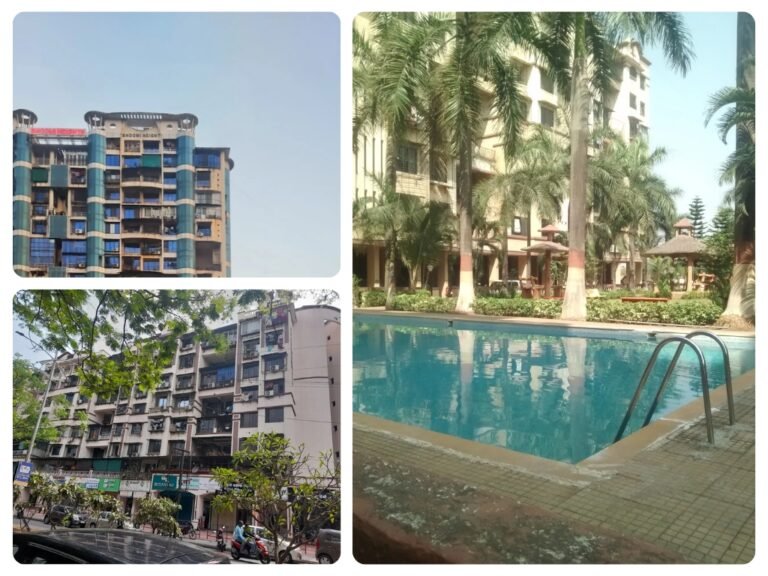
- Goodwill Gardens
- Bhoomi Heights Garden
Educational Institutions: Sector 8 Kharghar
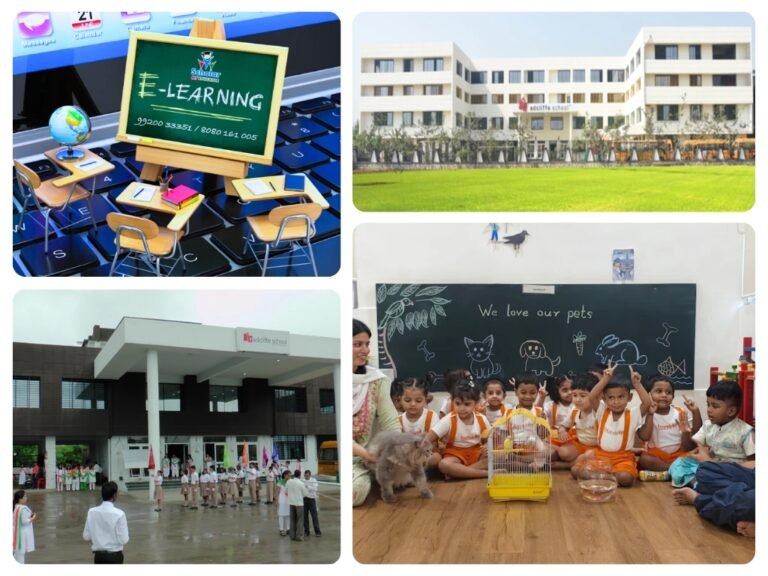
- Foundree Preschool & Daycare – Kharghar
- Radcliffe School, Kharghar | CBSE School & Jr. College in Kharghar
- Scholar Classes Kharghar
- Sankalp career academy kharghar Police Bharti academy Navi Mumbai
Nearby Reputed Schools
- Ryan International School
- DAV International School
Healthcare & Wellness Facilities
Medical Stores
- Shree Shiv Medical & General Store
- Flora Chemist
- Pooja Medical & General Stores
- Wellness Forever Pharmacy
- Zeno Health Pharmacy
- Generic Medico
- DR Medical & General Store
- Sulochana Medical
Hospitals & Clinics
- Dr Jyoti Bade Clinic
- Triveni Clinic
- Colours Hospital
- Care Clinic
- Sanjeevan Hospital
- OM SAI Clinic
- ABMS Clinic
Gyms, Yoga & Fitness Studios
Fitness-focused residents ke liye options balanced hain.
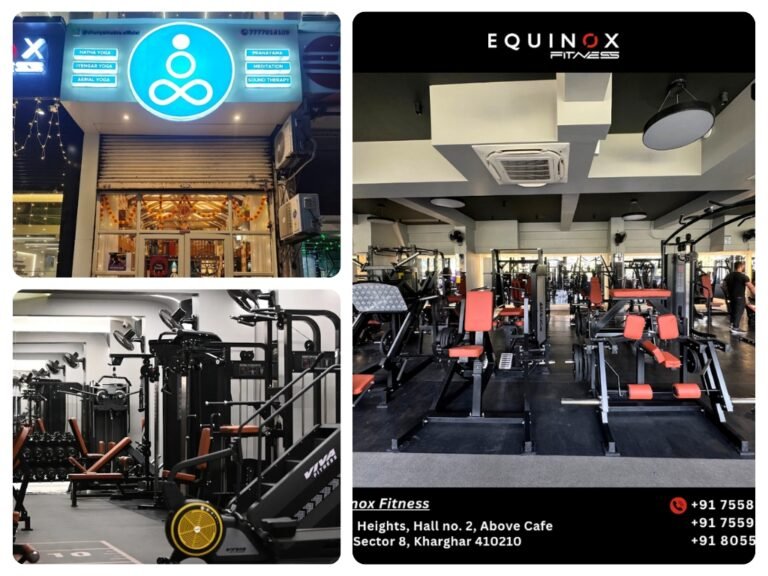
- Equinox Fitness Kharghar
- Shunyamudra Yoga & Wellness Centre
Shopping, Lifestyle & Local Businesses
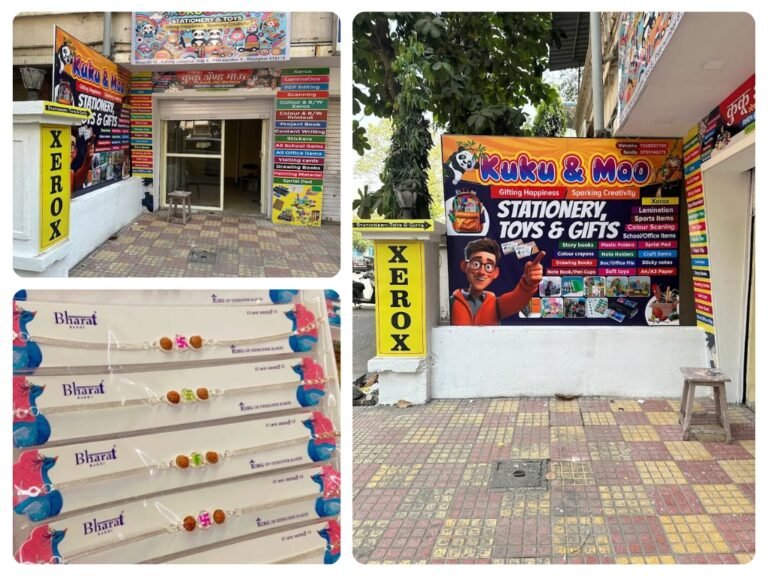
Toys, Gifts & Stationery
- Kuku & Mao
- Stationery Point Gift and Toy
Clothing, Tailors & Jewellery
- ARUSHI BOUTIQUE
Personal Care, Salons & Spas
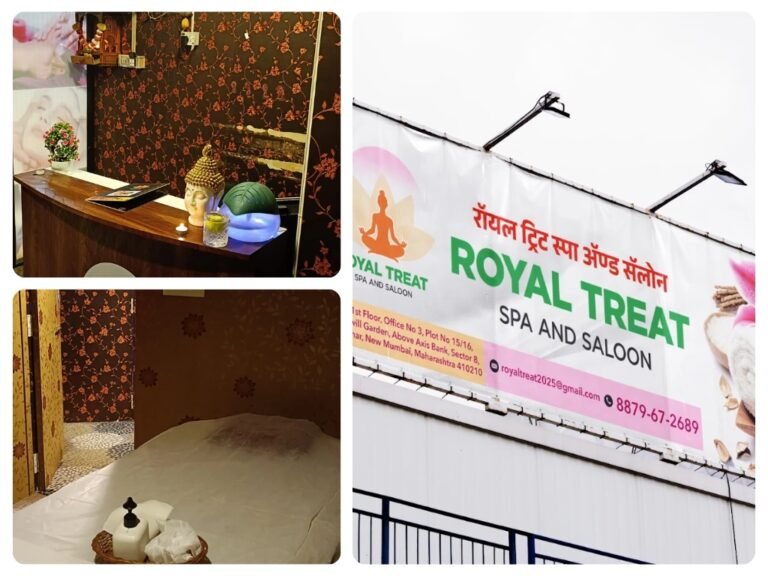
- Royal Treat spa and Salon
Food, Cafes & Entertainment
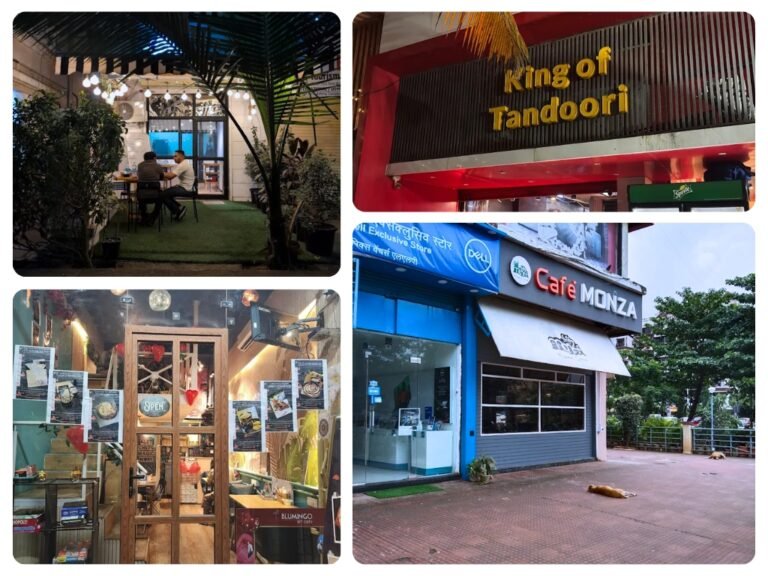
Restaurants & Cafes
- Cafe Monza
- Heaven & Herbs
- Blumingo Art Cafe Kharghar
- Croffle Culture
- KGN XPRS
- Hotel Sindhudurga Coastal
Sector 8 Kharghar does not promise transformation.It delivers stability. For residents who value liveability, predictability, and long-term comfort over hype and speculation, Sector 8 continues to stand firm. In a city that is constantly racing forward, this sector chooses a steadier pace.And for many people, that pace feels exactly right.
FAQs
Frequently Asked Questions