
Swipe to see more
×
❮
❯
![]()
Navi Mumbai is known for planned sectors and CIDCO development, but its roots lie in old village culture where Shiv Mandirs remain central to community life. From gaothans like Diwale and Dhansoli to nodes such as Khandeshwar and CBD Belapur, Shiv temples are spread across the city.
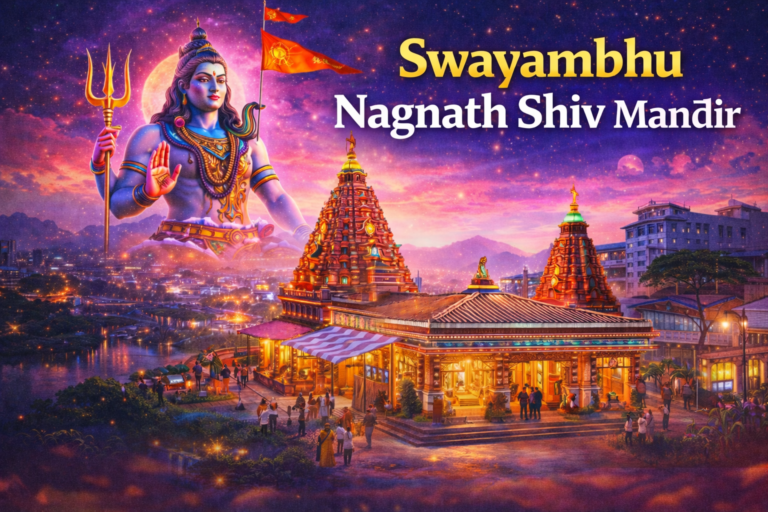
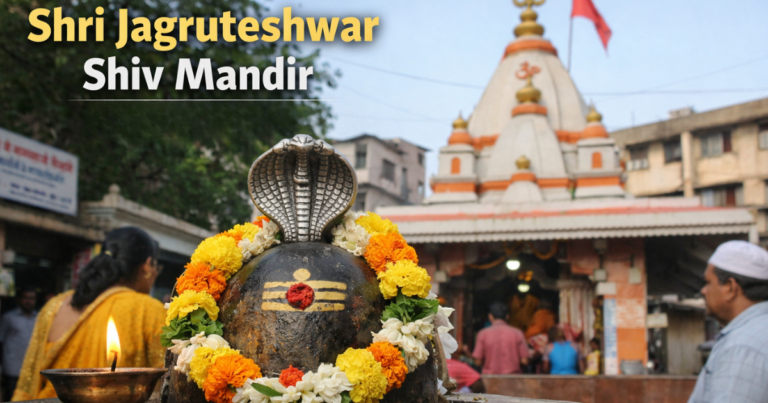
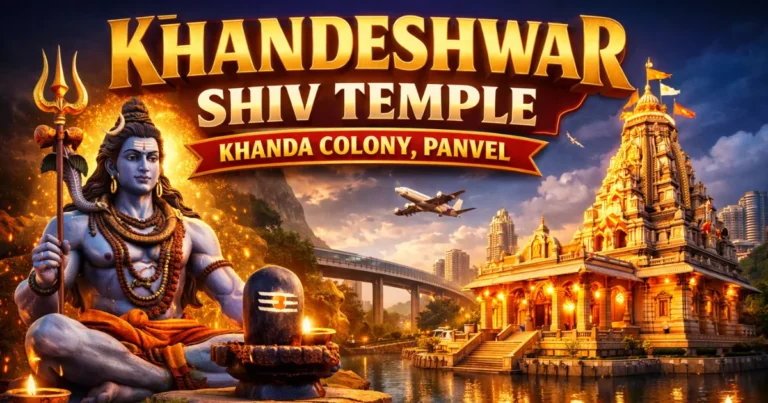
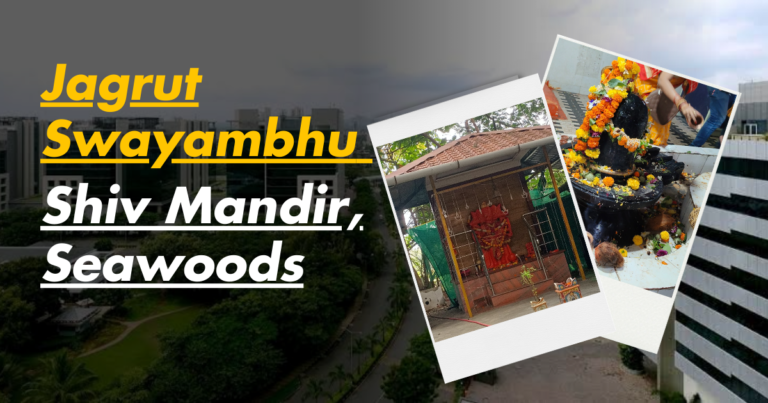
Temples like Shri Jagruteshwar Shiv Mandir, Khandeshwar Shiv Temple, Swayambhu Nagnath Shiv Mandir, and Someshwar Shiv Mandir reflect different phases of Navi Mumbai’s history. Some are ancient, some self-manifested, and others built during early development. This guide covers their locations, history, and significance in one complete overview.
Quick Summary
| Temple Name | Location / Node | Temple Type | Approx. Age / Origin | Key Highlight | Major Festival |
|---|---|---|---|---|---|
| Shiv Temple (Dhansoli) | Dhansoli Gaon, Navi Mumbai | Village Shiv Mandir | Traditional Gaothan Temple | Local community worship center | Mahashivratri |
| Shri Jagruteshwar Shiv Mandir | Vashi (Sector 7 area) | Established Shiv Mandir | Post-CIDCO Development | Popular in Vashi region | Mahashivratri Shravan Mondays |
| Khandeshwar Shiv Temple | Khandeshwar, Panvel | Ancient Shiv Temple | Believed centuries old | Historic significance near railway station | Mahashivratri |
| Shiv Vishnu Mandir Pratisthan | CBD Belapur | Multi-deity Temple | Modern Constructed | Shiv & Vishnu worship together | Mahashivratri |
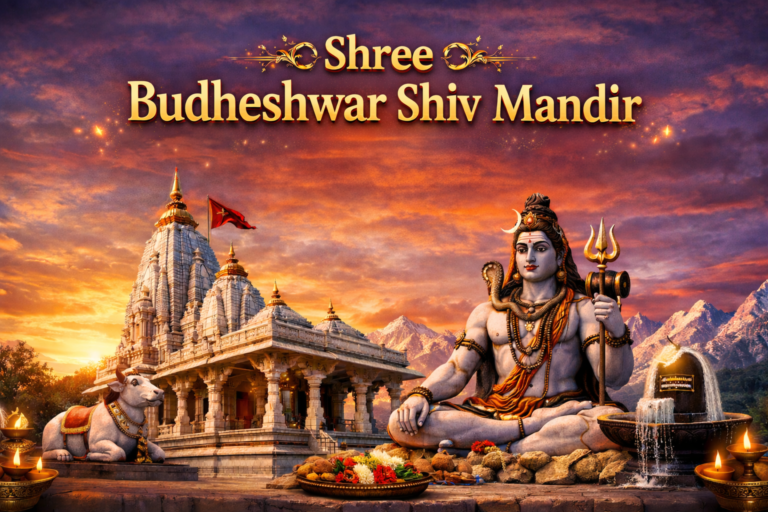
| Shree Budheshwar Shiv Mandir | Village belt, Navi Mumbai | Traditional Temple | Old Local Shrine | Strong village faith connection | Mahashivratri |
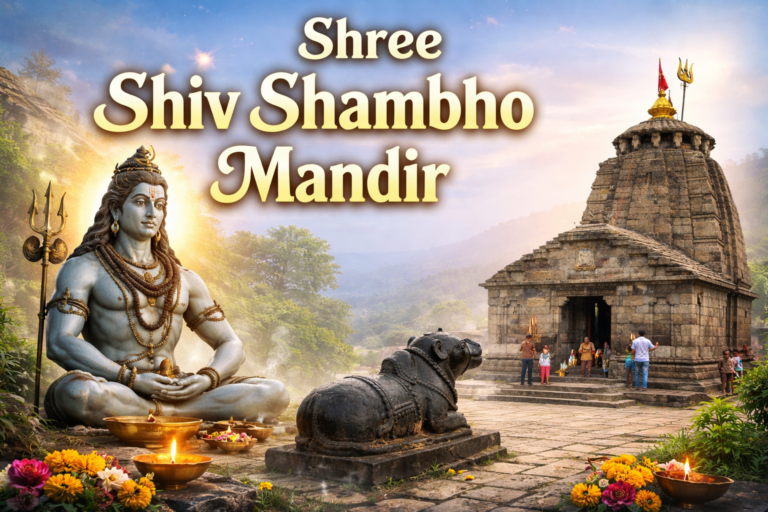
| Shree Shiv Shambho Mandir | Residential Node Area | Community Temple | Modern Era | Daily aarti & local gatherings | Mahashivratri |
| Shiva Temple Diwale Gaon | Diwale Gaon, Nerul side | Gaothan Temple | Old Village Temple | Coastal village spiritual center | Mahashivratri |
| Swayambhu Nagnath Shiv Mandir | Navi Mumbai Region | Swayambhu (Self-manifested) | Believed ancient | Naturally formed Shivling | Mahashivratri |
| Shree Ballaleshwar Mandir | Navi Mumbai | Ganesh & Shiv Association | Traditional | Devotional temple with multi-deity worship | Ganesh Chaturthi Mahashivratri |
| Someshwar Shiv Mandir | CBD Belapur / Node Area | Historic Shiv Temple | Old Temple Structure | Calm spiritual atmosphere | Mahashivratri |
Note: Timings and local rituals may vary by Shravan month and special festival days.
Shiv Temples in Navi Mumbai



Frequently Asked Questions
Short answers to your questions.
Why are Shiv temples the most common temples in India?
Shiv temples are considered “complete temples” because the Shivling represents creation, preservation, and transformation together.
Worshipping it symbolizes honoring the entire cosmic cycle, which is why Shiv temples were built widely in ancient times.
Why is the shape of the Shivling different? Is there any science behind it?
The Shivling represents energy, not a human form, and its oval shape reflects cosmic geometry.
Planets and galaxies often have similar forms, supporting meditation and mental stability.
How was ancient Shiv temple architecture connected to the 7 chakras?
Ancient Shiv temples were designed as a spiritual journey from outer awareness to inner consciousness.
Each architectural element symbolically aligns with stages of chakra activation and balance.
Why were metals placed beneath the Shivling during installation?
Metals like copper, silver, and gold were placed beneath the Shivling for their conductive properties.
They were believed to stabilize energy within the sanctum and create a calm spiritual atmosphere.
What does Nandi represent in front of a Shiv temple?
Nandi symbolizes devotion, patience, and focused attention toward divine consciousness.
He represents discipline and unwavering connection to Lord Shiva.
Why is the Shivling placed inside the Garbhagriha?
The Garbhagriha represents the spiritual core of the temple and promotes deep concentration.
Placing the Shivling there symbolizes moving from outer distractions to inner stillness.
Why is water poured over the Shivling (Abhishek)?
Abhishek symbolizes purification and the continuous flow of life energy. It represents surrender, cleansing, and spiritual renewal.