
Shiva Temple Diwale Gaon Belapur – History, Timings & Location
Diwale Gaon, located near the coastal belt of Navi Mumbai, is widely known for its serene jetty sunsets and peaceful village surroundings. However, beyond the scenic waterfront, the spiritual identity of the village centers around one sacred place – Shiva Temple Diwale Gaon.
Unlike large commercial temple complexes in urban nodes, this temple reflects the traditional village-style devotion that has continued for generations. For local families and nearby residents from Nerul and CBD Belapur, the temple serves as both a spiritual anchor and a cultural gathering point during major Hindu festivals.
From calm morning darshan to vibrant Mahashivratri celebrations, the temple maintains a steady devotional rhythm throughout the year. This Shiv Mandir in Navi Mumbai reflects the deep spiritual roots of the region’s original village culture.
Quick Summary Table
| Detail | Information |
|---|---|
| Temple Name | Shiva Temple Diwale Gaon |
| Location | Diwale Gaon, near Diwale Jetty, Navi Mumbai |
| Primary Deity | Lord Shiva |
| Temple Type | Traditional Village Temple |
| Major Festival | Mahashivratri |
| Nearest Railway Station | Nerul Railway Station |
| Distance from Station | Approx. 3–4 km |
Overview of Shiva Temple Diwale Gaon
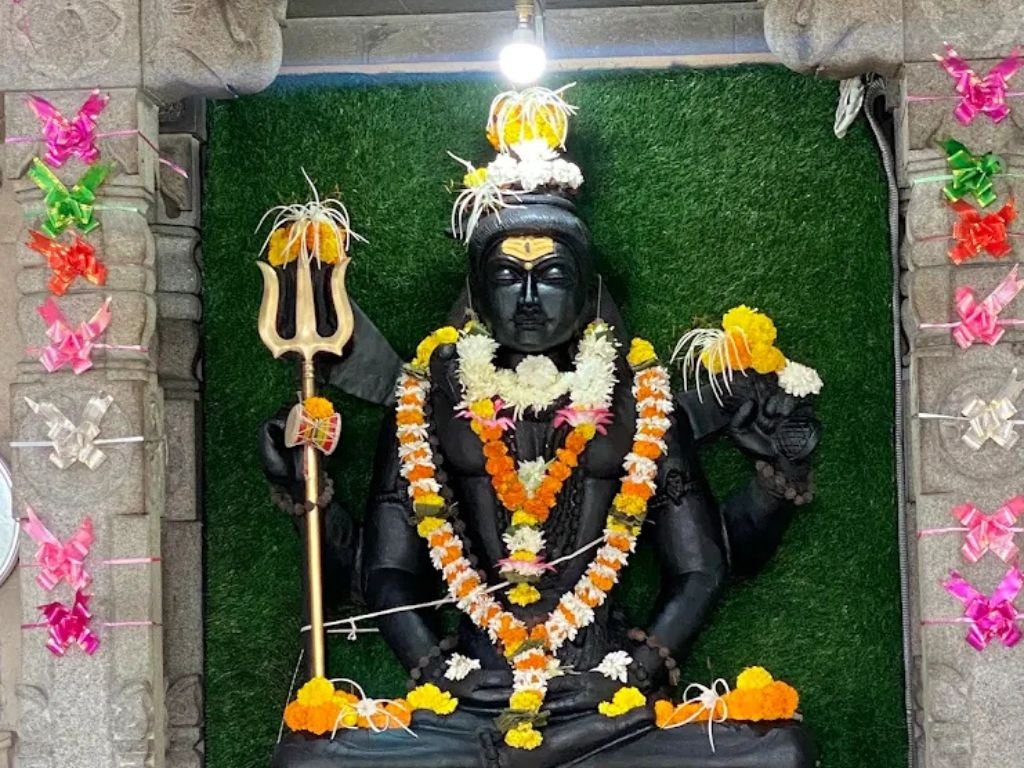
Shiva Temple Diwale Gaon is a traditional village temple dedicated to Lord Shiva. Surrounded by coastal air and quiet village lanes, the temple offers a peaceful spiritual atmosphere that differs from busy city temples.
Devotees from Diwale Gaon and nearby Nerul sectors visit daily for morning prayers. Many people search online for “Shiva Temple Diwale Gaon darshan timings” before planning their visit. The temple generally opens early in the morning and remains accessible until evening aarti.
Its simplicity is its strength. The temple does not rely on elaborate architecture but instead reflects deep-rooted faith and community continuity.
Exact Location & How to Reach
The temple is located inside Diwale Gaon, close to the well-known Diwale Jetty area. Because it sits within village roads rather than on a highway, first-time visitors often use Google Maps for navigation.
The nearest railway station is Nerul Railway Station on the Harbour Line. From Nerul station, the temple is approximately 3 to 4 kilometers away. Auto-rickshaws are easily available outside the station and typically take 10–15 minutes depending on traffic.
Bus Routes to Navi Mumbai International Airport (NMIA)
| Bus No. | Route Details | Frequency / Time | Approx. Fare |
|---|---|---|---|
| 30 | Dewale Gaon → Uran Pensioner Park (Char Phata) → Reti Bandar | 8-12 mins | ₹20 – ₹25 |
| 23 / 23AC | Kharghar Sec 6 → Dewale Gaon → Kharkopar Station → Reti Bandar | 9-15 mins | ₹29 – ₹32 |
| A-3 | Dewale Gaon / Belapur → NMIAL Terminal 1 (Direct) | 14 mins | ₹30 |
| A-4 | Killee Gaon → NMIAL Terminal 1 (Express / Non-stop) | 7-11 mins | ₹27 – ₹32 |
| A-2 | Reti Bandar → NMIAL Terminal 1 (Connecting) | 6 mins | ₹15 – ₹20 |
| NIMA Shuttle | Zone 3 → NMIA Project Office → NMIAL Terminal 1 | 4-5 mins | Free / Nominal |
NMMT bus services operate between Nerul, CBD Belapur, and surrounding nodes. Visitors can take a bus toward Diwale Gaon or nearby stops and then use short-distance shared autos or walk to reach the temple.
By Road Connectivity:
The temple is accessible via Palm Beach Road and internal Nerul village roads. Visitors coming from Vashi, Belapur, or Seawoods can reach Diwale Gaon through well-connected arterial roads. Road access remains smooth on regular days but may see moderate congestion during sunset hours due to jetty visitors.
By Metro (2026 Update):
With Navi Mumbai Metro Phase 1 improving connectivity across certain corridors, visitors can use metro services to reach Nerul or nearby operational stations, followed by auto or bus transport for last-mile access.
History & Background of the Temple
Shiva Temple Diwale Gaon reflects traditional village heritage rather than modern institutional development. Though exact establishment records may not be formally documented, local accounts suggest that the temple has served the community for several decades.
As Navi Mumbai expanded and surrounding nodes developed rapidly, Diwale Gaon retained its cultural roots. The temple naturally became the central religious landmark of the village.
Over time, minor renovations have helped maintain the structure while preserving its traditional identity. Unlike newly built marble temples, this shrine carries emotional and historical continuity for the local population.
Deities & Temple Architecture
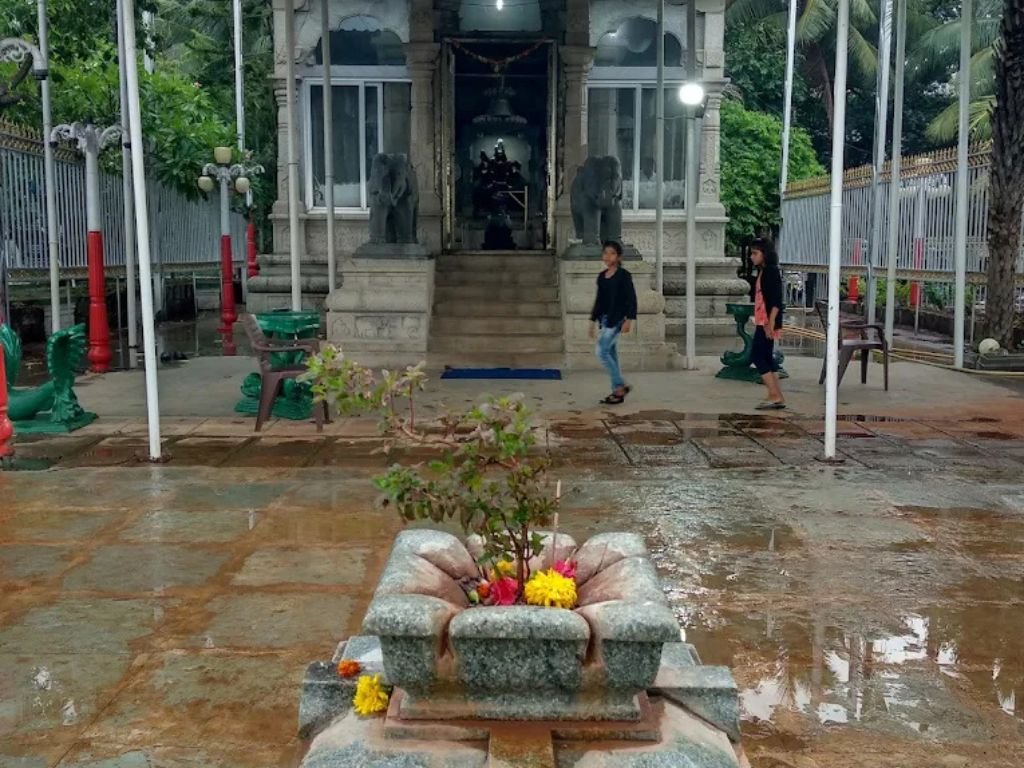
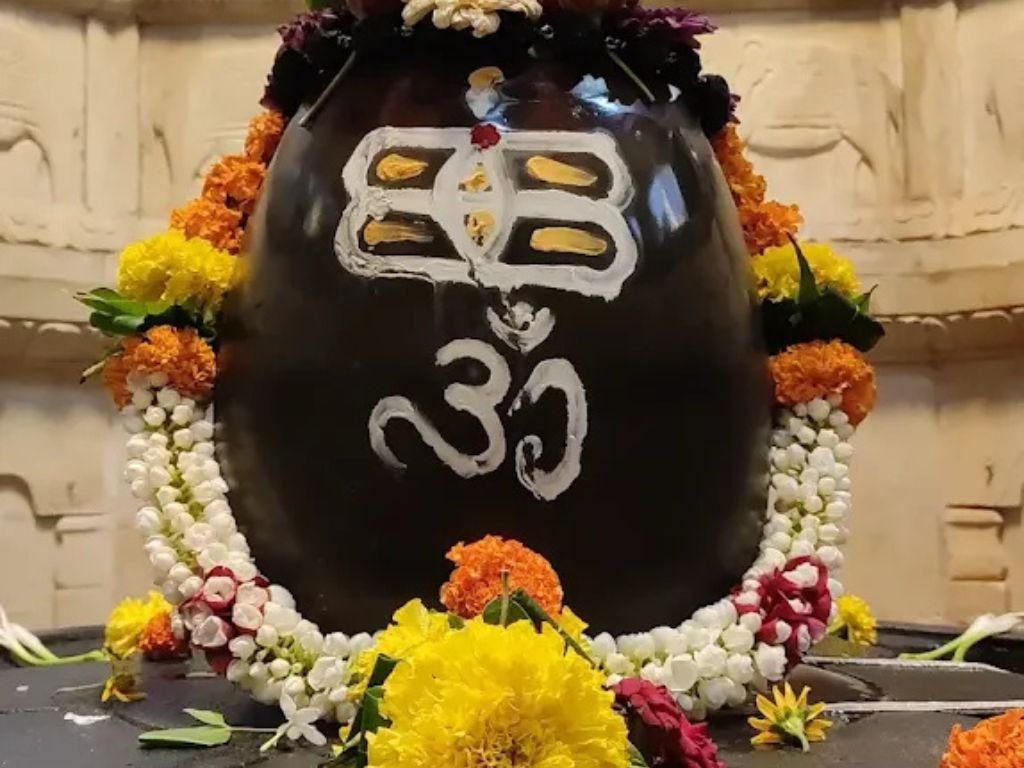
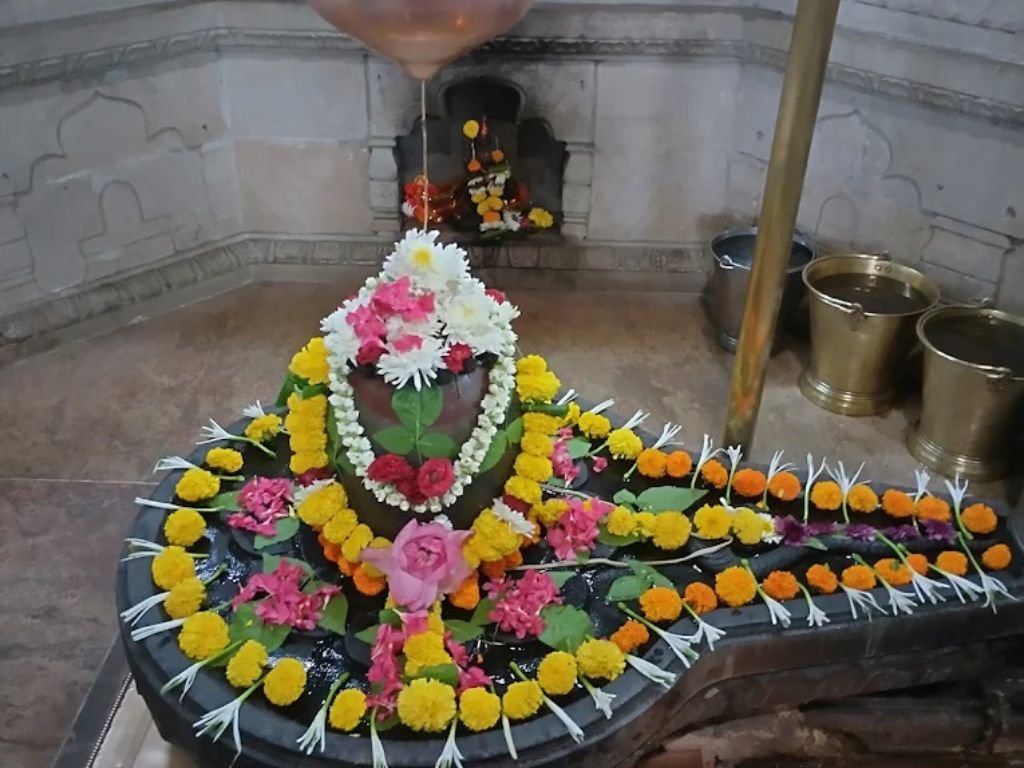
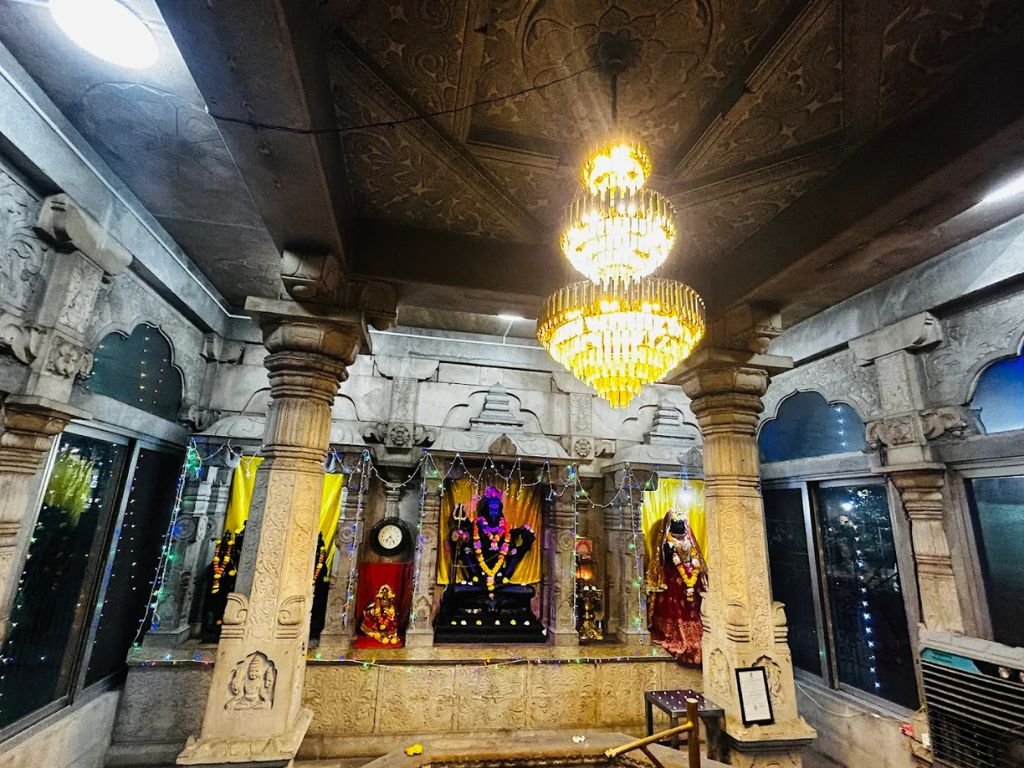
The primary deity is Lord Shiva, worshipped in Lingam form inside the sanctum. Devotees offer water, milk, flowers, and Bilva leaves as part of daily rituals.
The temple architecture is simple and rooted in village design aesthetics. The sanctum area remains the spiritual core, and the open surroundings enhance the calm devotional environment.
Its coastal proximity adds a unique spiritual ambiance, especially during early morning hours when the atmosphere is quiet and serene.
Mahashivratri & Major Festivals
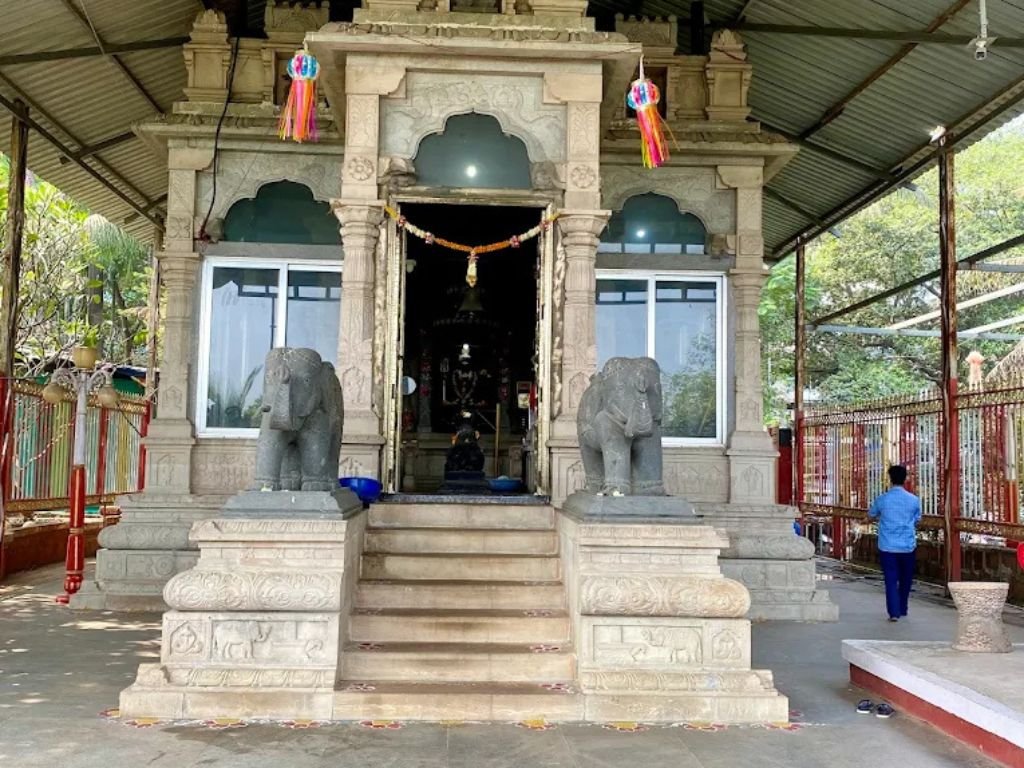
Mahashivratri is the most important annual celebration at Shiva Temple Diwale Gaon. The entire village participates in night-long prayers, bhajans, and special aarti ceremonies.
During Mahashivratri 2026 celebrations, attendance significantly increases, drawing devotees not only from Diwale Gaon but also from Nerul, Seawoods, and CBD Belapur. Extended darshan hours are typically arranged to manage the crowd flow.
Shravan month Mondays also witness higher turnout, as devotees observe fasting and special Shiva prayers.
Darshan Timings & Aarti Schedule (2026 Updated)
The temple follows a traditional Shiva worship schedule. Morning darshan begins early, allowing villagers and working professionals to offer prayers before starting their day.
Evening aarti usually takes place after sunset. During Shravan month and Mahashivratri, darshan hours may extend based on crowd volume and ritual schedules.
Visitors seeking a peaceful experience are advised to visit between sunrise and 9 AM.
Best Time to Visit
Regular weekdays offer a calm and quiet spiritual atmosphere. Early mornings provide the most serene darshan experience.
Evenings can be slightly busier, particularly because many visitors combine temple darshan with a visit to Diwale Jetty for sunset views.
Mahashivratri and Shravan Somvars are the peak devotional periods when footfall increases considerably.
Traffic During Festivals
During Mahashivratri and major village celebrations, internal roads in Diwale Gaon may experience temporary congestion due to increased footfall.
Since the temple is located within narrow village lanes, large vehicle movement becomes restricted during peak hours. Visitors are encouraged to use public transport or smaller vehicles during festival days.
Parking & Accessibility
Parking space near the temple is limited due to its village setting. Two-wheelers can generally be accommodated along internal lanes, but four-wheelers may require careful positioning.
Auto-rickshaws remain the most convenient travel option from Nerul Railway Station. Public transport reduces parking stress during large gatherings.
Temple Management & Community Role
Shiva Temple Diwale Gaon is primarily managed through local community participation. Village residents actively contribute to festival organization, daily maintenance, and ritual arrangements.
The temple acts not only as a religious site but also as a cultural symbol of Diwale Gaon’s identity. Festivals strengthen community bonds and preserve traditional practices amid rapid urbanization around Navi Mumbai.
For many families, visiting the temple is part of their weekly routine and a continuation of long-standing devotional customs.
FAQ's
Frequently Asked Questions