
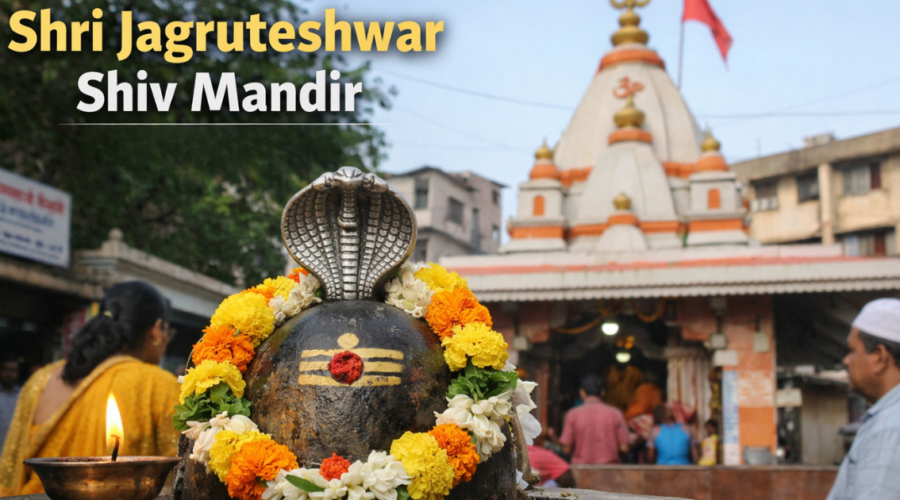
Shri Jagruteshwar Shiv Mandir Vashi Gaon
There are temples you visit because they are grand. And then there are temples you visit because they feel alive. Shri Jagruteshwar Shiv Mandir Sector 7 Vashi Gaon belongs to the second category. Tucked between CIDCO planned sectors and the original Gaothan lanes of Vashi, this Old Shiv Mandir in Vashi carries a presence that cannot be explained only through architecture or age.
In a city like Navi Mumbai that was designed on drawing boards in the 1970s, this Vashi Gaon Shiv Mandir stands as something older than the grid system itself. It is not a commercial temple built for visibility. It is a gaon based spiritual center rooted in the Agri and Koli community traditions. That is why many locals still call it a Jagrut temple, meaning a living, responsive deity. Among all the Shiva temples in Vashi Navi Mumbai, this one feels deeply personal.
| Detail | Information | |
|---|---|---|
| Temple Name | Shri Jagruteshwar Shiv Mandir | |
| Location | Sector 7, Vashi Gaon, Navi Mumbai | |
| Established | Approx 250 to 300 years old | |
| Temple Dossier Research Request | ||
| Main Deity | Lord Shiva (Swayambhu Shivling) | |
| Major Festival | Maha Shivratri | |
| Nearest Station | Vashi Railway Station | |
| Distance from Station | Approx 1.5 to 2 km | |
| Temple Dossier Research Request | ||
| Area Landmark |
Deities, Temple Architecture & Spiritual Environment
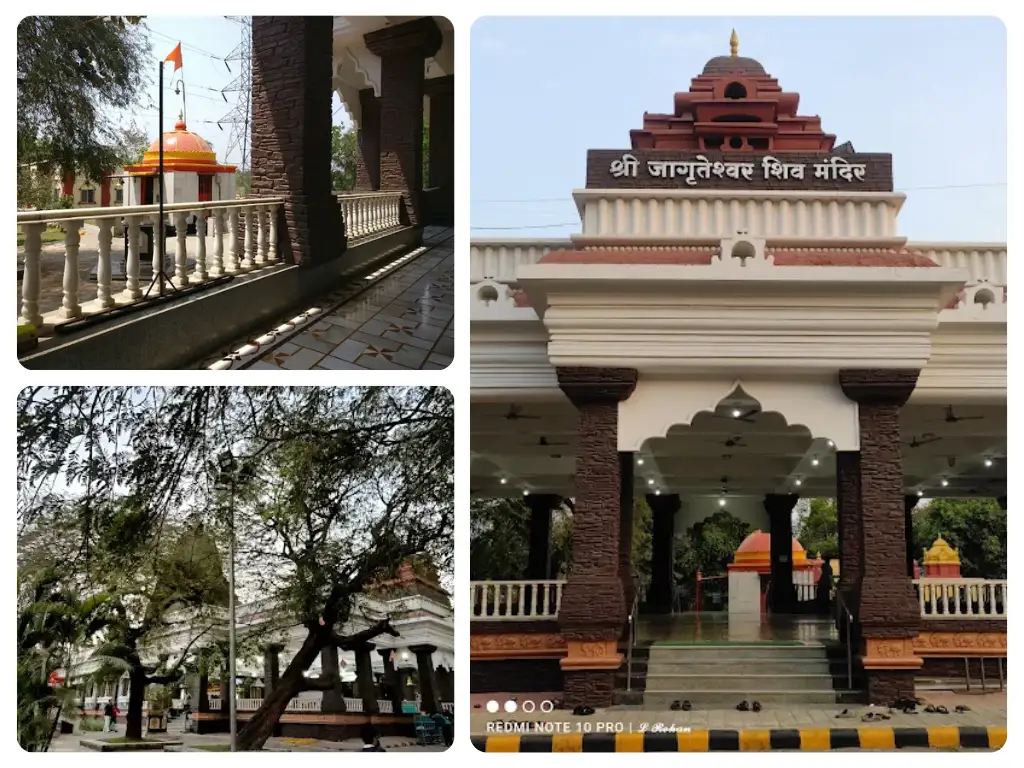
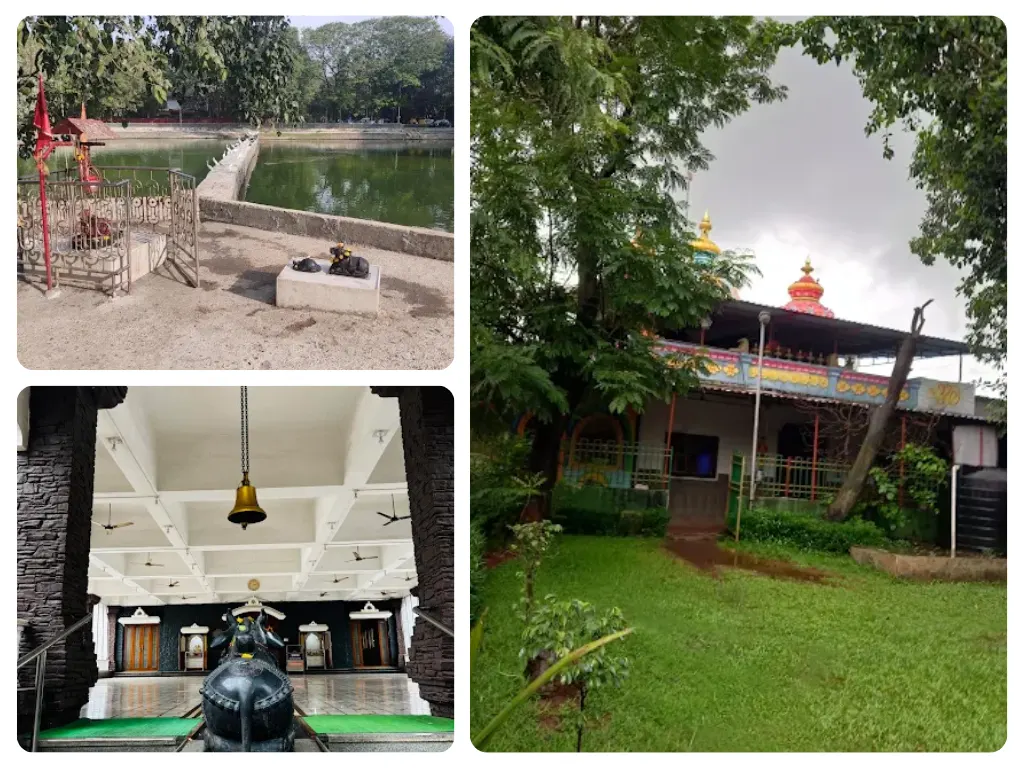
When you enter the complex, the first thing that stands out is balance. The architecture does not try to overpower. Instead, it blends traditional temple layout with practical urban functionality. The campus follows a Panchayatan style spatial logic, where the main deity is surrounded by subsidiary shrines
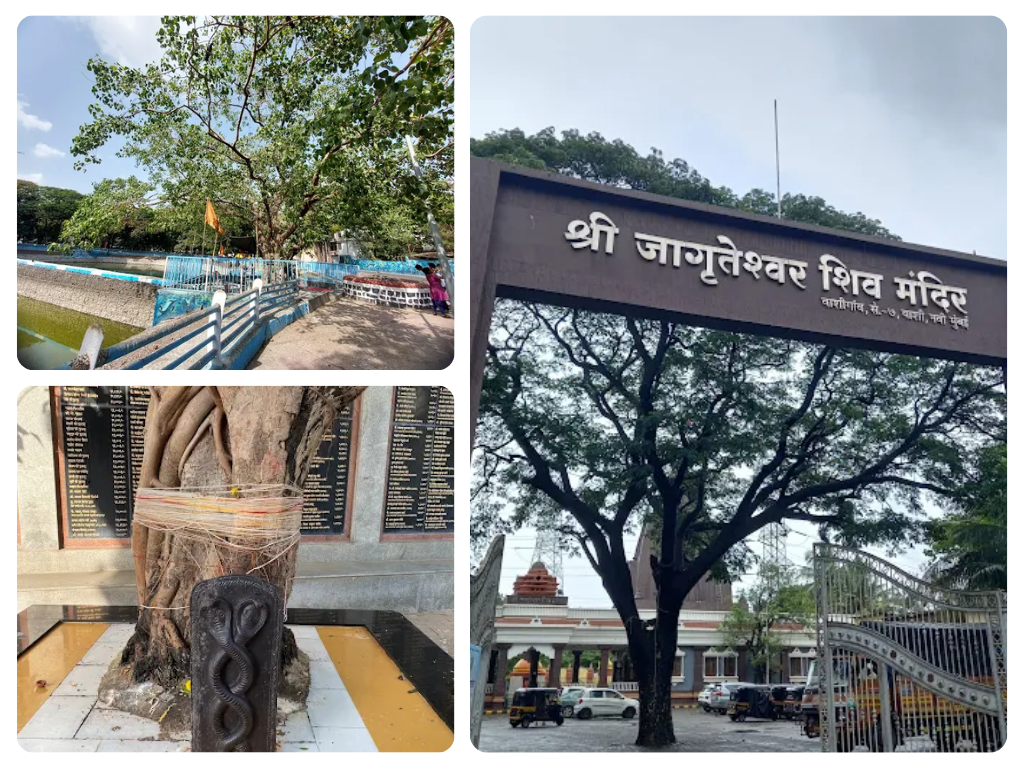
The presence of an open Pushkarini or temple tank near the entrance adds both ritual and ecological value
In an urban environment like Vashi, a water body inside a temple complex feels rare and calming. It reduces heat and psychologically separates devotees from city noise.
Main Shivling description
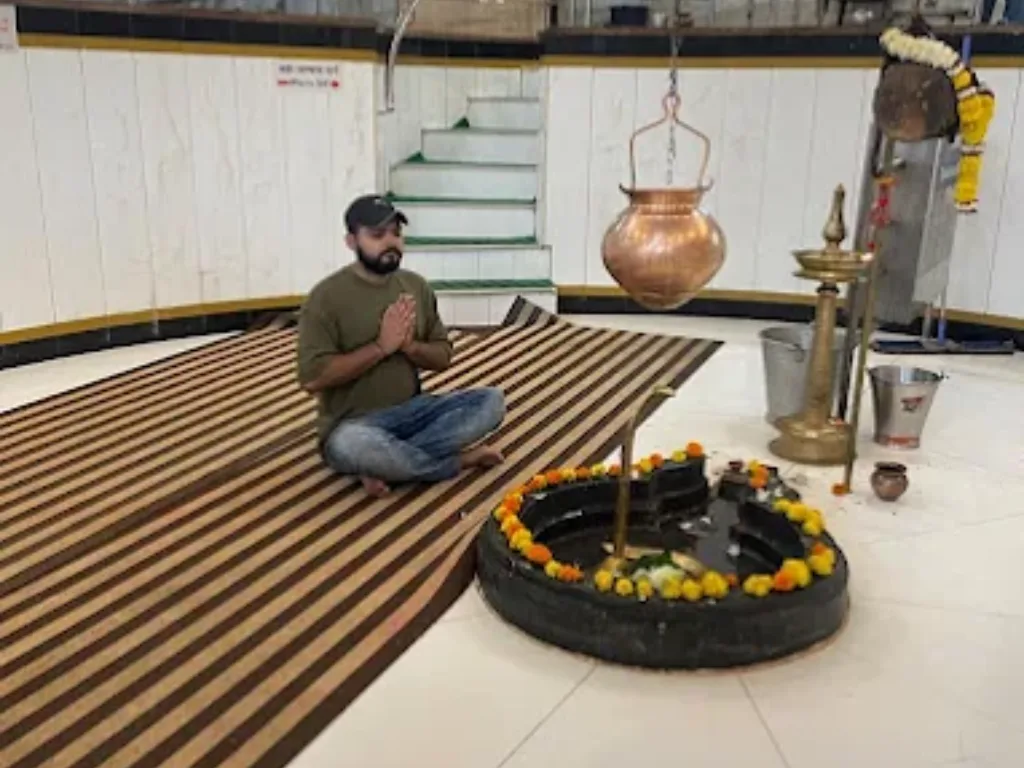
The focal point of the temple is the Swayambhu Shivling housed inside the Garbhagriha
Devotees believe the Lingam and its Yoni base have been gradually growing over decades, a phenomenon frequently discussed among regular visitors.
The Lingam is typically adorned with a silver Naag canopy and decorated during Abhishekam rituals. Focused lighting inside the sanctum enhances the spiritual atmosphere without overwhelming the traditional setting.
Other deities inside temple
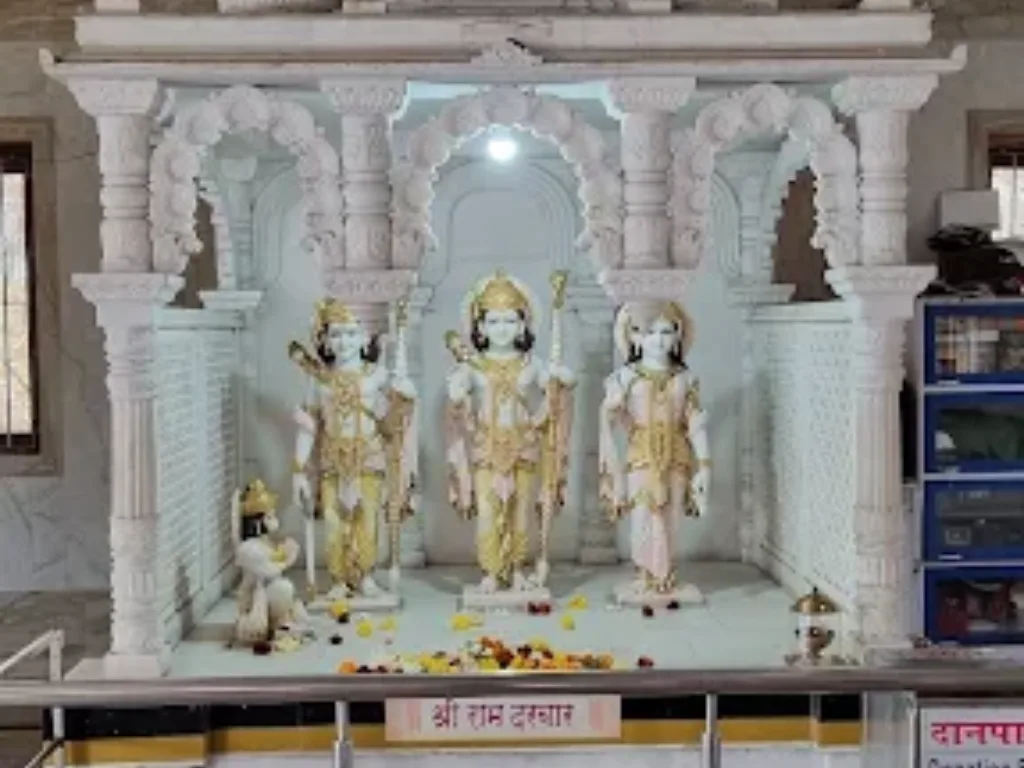
Apart from Lord Shiva, the complex includes shrines dedicated to Ganesh, Hanuman, Sai Baba, Gajanan Maharaj and other deities
This integration reflects the evolving devotional preferences of Navi Mumbai’s diverse population.
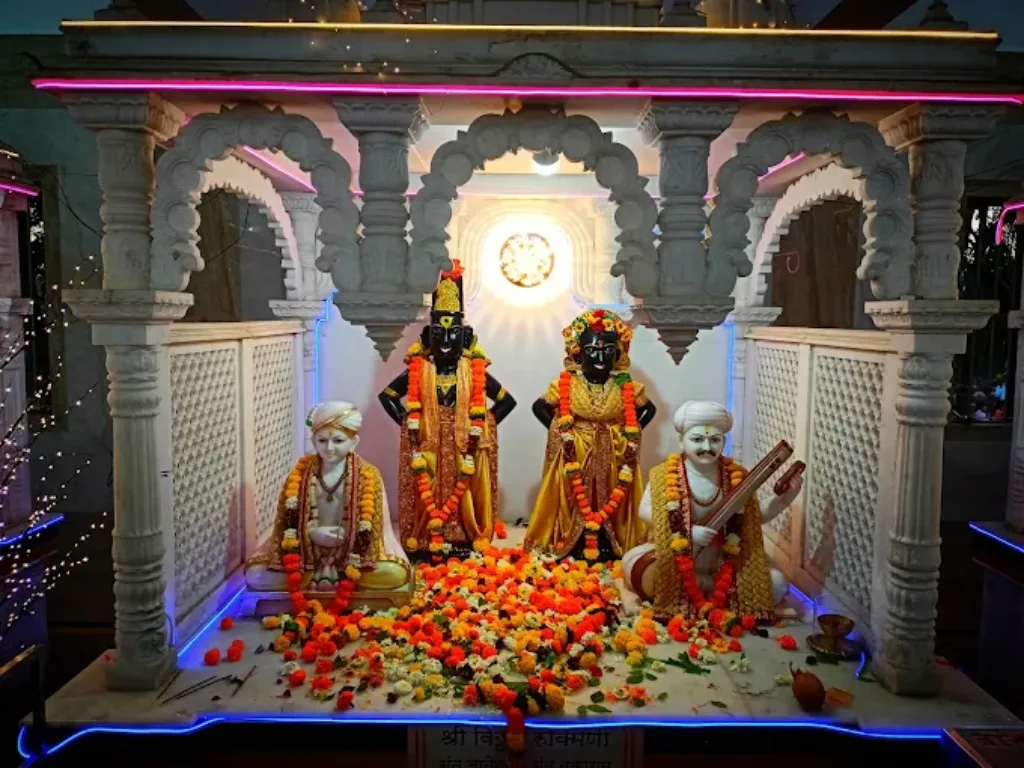
The Sabhamandap also houses idols representing the Bhakti tradition including Vitthal Rukmini and saints like Dnyaneshwar and Tukaram
This layered presence makes the temple spiritually inclusive while remaining Shiva centered.
Temple design style
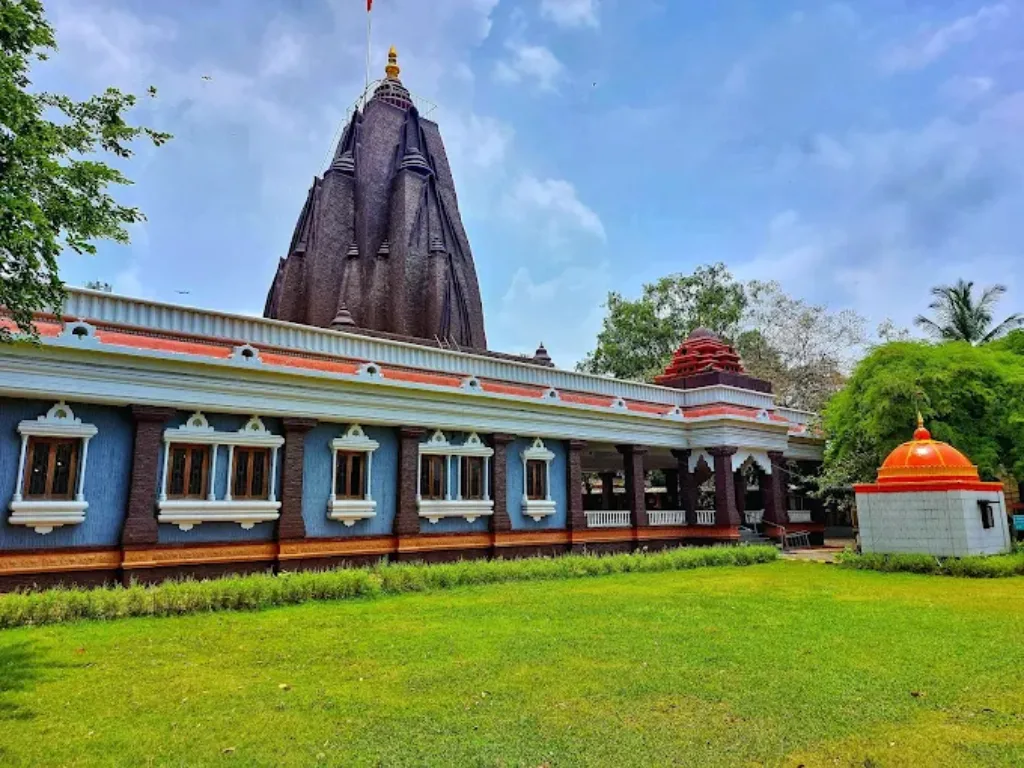
The current structure combines reinforced construction with marble flooring and organized shrine sections
The renovation retained the sanctum’s sacred orientation while upgrading visitor flow management.
Large open spaces allow simultaneous darshan without excessive congestion on regular days. The design clearly prioritizes both ritual continuity and urban practicality.
Peaceful environment and morning vibes
Early mornings between 5 AM and 8 AM feel different here. The air carries mild incense fragrance, temple bells echo softly and the Pushkarini reflects first light. It does not feel rushed.
Even in a busy node like Sector 7, the temple creates a pause. That pause is perhaps its greatest architectural achievement. Not marble. Not expansion. Just stillness within movement.
Maha Shivratri & Major Festivals at Jagruteshwar Mandir
If you want to understand the scale of devotion at Shri Jagruteshwar Shiv Mandir Sector 7 Vashi Gaon, visit during Maha Shivratri. What feels calm on a weekday transforms into a river of people. Devotees line up from early morning, and by evening the entire stretch near Shiv Tirth Maidan begins to fill with chanting and organized queues
Shravan month, especially Mondays, also sees a significant surge in footfall. Many devotees observe fasts and visit for special Abhishekam rituals. The temple management coordinates extended darshan hours and crowd flow systems to handle the increased turnout without disturbing the sanctity of the Garbhagriha.
Estimated Shivratri attendance
While exact official figures are not publicly published, local observation suggests thousands of devotees visit across the day and night of Maha Shivratri
Devotees come not only from Vashi but from other Navi Mumbai nodes and parts of Mumbai connected via the Harbour Line. The temple’s proximity to Vashi Railway Station makes it a practical destination for night long celebrations.
Shravan month rituals
During Shravan Somvar, special Rudrabhishek ceremonies are organized. Milk, bel leaves and sacred water offerings continue almost continuously through the morning hours. The spiritual energy during Shravan feels different, more rhythmic and collective.
Many families follow a tradition of visiting every Monday of Shravan. For them, this Vashi Gaon Shiv Mandir becomes part of a monthly spiritual routine rather than a once a year event.
Rudrabhishek details
Rudrabhishek is one of the most significant rituals performed here. Devotees can participate individually or in group bookings arranged through the temple trust
Because the Shivling is believed to be Swayambhu and Jagrut, many devotees consider Rudrabhishek here especially powerful. Advance coordination is advisable during Shravan and Shivratri due to high demand.
Traffic & crowd management
On major festival days, internal roads around Sector 7 experience congestion. Police and volunteers coordinate movement near Shiv Tirth Maidan and surrounding lanes
Those planning to attend evening Maha Shivratri celebrations should arrive early or use public transport. Parking becomes limited as private vehicles increase throughout the evening.
Darshan Timings & Aarti Schedule (2026 Updated)
Darshan timings at Jagruteshwar Shiv Mandir generally begin around 5:00 AM. Early morning Kakad Aarti takes place shortly after opening, creating a peaceful atmosphere ideal for meditation
The temple remains accessible through most of the day, unlike many traditional temples that close for long afternoon breaks. Evening darshan typically continues until 9:00 PM or slightly later depending on the day and festival schedule
Morning darshan timing
Morning darshan usually begins at 5:00 AM. The time between 6:00 AM and 8:00 AM is considered ideal for peaceful worship before office hours begin
This slot attracts senior citizens and regular devotees from Sector 7 and Vashi Gaon. The atmosphere feels calm and less crowded compared to evenings.
Evening aarti time
Evening Aarti typically takes place after sunset, around 7:00 PM to 8:00 PM depending on seasonal variation
Families often gather during this time, and the temple hall becomes more vibrant. The lighting inside the Garbhagriha enhances the devotional mood.
Monday special timing
Mondays are dedicated to Lord Shiva, and footfall naturally increases. Darshan hours may extend slightly, especially during Shravan month
Devotees planning Monday visits should expect longer waiting times. Early morning visits remain the most comfortable option.
Festival extended timing
During Maha Shivratri, the temple remains open late into the night. Devotees participate in night long chanting and multiple Abhishekam cycles
Festival schedules are usually announced locally by the temple trust. Checking in advance is recommended for those traveling from outside Vashi.
Best Time to Visit Shri Jagruteshwar Temple Vashi
If your goal is peaceful darshan, weekday mornings are ideal. Between 6:00 AM and 8:00 AM the temple feels quiet and meditative, allowing uninterrupted time near the Shivling.
If you want to experience collective devotional energy, visit on Mondays or during Shravan. The vibrancy, chanting and visible community participation give a very different experience compared to regular days.
Weekday vs Monday difference
On weekdays, crowd levels remain manageable and darshan is usually smooth. Parking is easily available within the surrounding open space
Mondays bring noticeable increase in footfall. Devotees performing special prayers often create structured queues, so planning time accordingly helps avoid long waits.
Shravan month experience
Shravan transforms the temple into a devotional hub. Continuous Abhishekam rituals and group prayers fill the Sabhamandap.
Many devotees observe fasts and consider visiting this Famous Shiva temple in Navi Mumbai especially auspicious during Shravan Mondays.
Maha Shivratri planning tips
Arrive early in the day if possible. Evening hours witness peak rush and road congestion around Sector 7
Public transport via Vashi Railway Station is advisable. Wearing comfortable footwear and carrying minimal belongings makes crowd navigation easier.
Traffic, Parking & Accessibility During Festivals
On regular days, parking near Vashi Gaon temple is manageable due to surrounding open land
Two wheelers find space easily and cars can usually park within designated areas.
During major festivals, parking becomes limited and roadside congestion increases around Shiv Tirth Maidan. Arriving early morning reduces stress significantly.
Two wheeler parking
Two wheeler riders usually find parking within or near the temple compound. Local volunteers sometimes guide placement during peak days.
Because Sector 7 roads are relatively wider compared to inner Gaothan lanes, two wheelers remain the most convenient option during festivals.
Car parking challenges
Car parking becomes challenging after evening hours on Shivratri and Shravan Mondays. Temporary roadside parking increases traffic pressure.
Visitors from nearby nodes may prefer carpooling or public transport to avoid parking search delays.
Nearby Places to Visit Around Shri Jagruteshwar Shiv Mandir
A temple visit here can easily be combined with nearby attractions. The location makes it ideal for a half day spiritual and recreational outing.
Sector 7 and surrounding nodes offer green spaces, markets and commercial hubs within walking or short driving distance.
Mini Seashore Vashi
Mini Seashore or the holding pond is located about 0.5 km from the temple
It offers a pleasant walking stretch along the water.
Many families visit the temple and then head to Mini Seashore for evening relaxation.
Vashi Railway Station Market
The market around Vashi Railway Station serves as a commercial hub for shopping and food.
Devotees traveling from other parts of Mumbai often combine temple darshan with market visits.
Overview of Shri Jagruteshwar Shiv Mandir Sector 7 Vashi Gaon
Shri Jagruteshwar Temple Navi Mumbai is not just another old temple in Sector 7 Vashi. It sits exactly at the intersection of Vashi Gaon’s traditional settlement and CIDCO’s planned urban layout. That positioning matters. It means this temple connects two worlds. The organic village life and the structured city blocks both revolve around it in different ways.
Locals consider this Vashi Gaon Shiv Mandir “Jagrut” because the Shivling here is believed to be Swayambhu and spiritually active
There is also a long standing belief that the Lingam is gradually growing over time, a phenomenon that devotees speak about with quiet conviction
On regular days, footfall remains steady with morning and evening devotees, while Mondays and Shivratri see thousands gathering within the complex and spilling toward Shiv Tirth Maidan nearby.
Exact Location & How to Reach Shri Jagruteshwar Temple Vashi
If you search for Shri Jagruteshwar Shiv Mandir Sector 7 Vashi Gaon on Google Maps, it appears exactly between Vashi Gaon lanes and the planned grid of Sector 7. The temple sits on Jagruteshwar Shiv Mandir Marg, right beside Shiv Tirth Maidan and just a short walk from Sterling Wockhardt Hospital
This positioning makes it one of the easiest Shiva temples near Vashi Railway Station to access.
What makes the location special is not just convenience but context. On one side you see older Gaothan houses and narrow village lanes. On the other, you see structured CIDCO residential blocks. That contrast defines the temple’s identity. It feels rooted, yet central. Whether you are coming from Palm Beach Road, Sion Panvel Highway or within Vashi itself, the route is straightforward and well known among locals.
Location
The temple is accurately pinned under the name Shri Jagruteshwar Shiv Mandir in Sector 7, Vashi Gaon. There were reports earlier about incorrect map labeling, but locally and officially it continues to be recognized under its original name
When searching, adding “near Shiv Tirth Maidan” helps pinpoint it instantly.
Because it is located on a named temple road, navigation rarely causes confusion. The surrounding landmarks like Wockhardt Hospital and Mini Seashore further strengthen its map identity, which is crucial for geo intent searches like “Shiva temple near me in Vashi.”
Distance from Vashi Railway Station
The distance from Vashi Railway Station to Jagruteshwar Shiv Mandir is approximately 1.5 to 2 kilometers
By auto rickshaw, it takes around 8 to 10 minutes depending on traffic. Walking takes about 20 to 25 minutes.
For many devotees, especially during Shravan or Mondays, the short distance allows easy access without needing private vehicles. This proximity to the Harbour Line railway network is one reason the temple draws visitors from Chembur, Mankhurd and even Ghatkopar.
Auto and Bus connectivity
Auto rickshaws are the most convenient last mile transport option. From Vashi Station, standard fares range between ₹35 to ₹50 depending on meter or share basis
Autos frequently run toward Sector 7 and Vashi Gaon.
NMMT buses also connect Vashi Gaon via the highway bus stops. From the Vashi Gaon stop, the temple is just a five minute walk inside the internal road network
This makes it accessible for elderly devotees who prefer bus travel.
Route from Palm Beach Road
If you are coming via Palm Beach Road, take the Sector 17 or Sector 9 internal turn toward Vashi village. From there, local signage and Shiv Tirth Maidan signage guide you easily toward the temple road. Traffic is usually smooth except during peak office hours.
During festival days, especially Maha Shivratri, internal diversions are sometimes implemented around Sector 7 to manage crowd flow
It is advisable to arrive early morning if driving from Palm Beach side during major events.
Parking availability near temple
One major advantage of this Vashi Gaon temple is the availability of surrounding land used for parking
Unlike dense city temples where parking becomes chaotic, here two wheelers and cars can usually find space within the compound or nearby open grounds.
However, during Maha Shivratri and Shravan Mondays, parking fills quickly and roadside parking increases around Shiv Tirth Maidan. Early arrival remains the safest strategy if coming by car during festival days.
History & Background of Jagruteshwar Shiv Mandir Vashi Gaon
The history of this Old temple in Vashi Gaon is not documented in government records but preserved through oral tradition. Locals believe the temple to be approximately 250 to 300 years old
Long before CIDCO developed Navi Mumbai in the 1970s, this shrine served the agrarian and fishing communities of Vashi village.
The most important belief attached to the temple is that the Shivling is Swayambhu, meaning self manifested from the earth
Unlike installed idols that undergo ritual consecration, a Swayambhu Lingam carries intrinsic sanctity. This belief strengthens the temple’s spiritual authority within Navi Mumbai’s religious landscape.
Nearby Places to Visit Around Shri Jagruteshwar Shiv Mandir
A temple visit here can easily be combined with nearby attractions. The location makes it ideal for a half day spiritual and recreational outing.
Sector 7 and surrounding nodes offer green spaces, markets and commercial hubs within walking or short driving distance.
Mini Seashore Vashi
Mini Seashore or the holding pond is located about 0.5 km from the temple
It offers a pleasant walking stretch along the water.
Many families visit the temple and then head to Mini Seashore for evening relaxation.
Vashi Railway Station Market
The market around Vashi Railway Station serves as a commercial hub for shopping and food.
Devotees traveling from other parts of Mumbai often combine temple darshan with market visits.
Other nearby temples
Sector 7 and Vashi Gaon host smaller shrines dedicated to Hanuman and local deities
These create a localized spiritual circuit.
This cluster strengthens Vashi’s identity as a culturally rooted node within Navi Mumbai.
Temple Management & Community Role in Vashi Gaon
Shri Jagruteshwar Shiv Mandir Sector 7 Vashi Gaon is not run like a corporate religious complex. It operates through a locally managed temple trust system that oversees daily rituals, maintenance, festival coordination and infrastructure upkeep. The trust played a crucial role during the major renovation phase between 2007 and 2015, when the Sabhamandap expansion and structural upgrades were completed while preserving the sanctum’s traditional integrity
What makes this temple different is the depth of community involvement. Vashi Gaon residents do not see themselves as visitors. They see themselves as caretakers. During Maha Shivratri, Shravan Mondays and other major events, local families volunteer in crowd management, prasad distribution and decoration. That shared responsibility keeps the spiritual culture grounded even as Navi Mumbai continues expanding around it.
FAQ's
Frequently Asked Questions