

Space India: The Definitive Guide to Affordable Real Estate in Navi Mumbai
Space India is a prominent real estate developer headquartered in Navi Mumbai, specializing in affordable and mid-segment housing across the Raigad and Thane districts. Established with a focus on bridging the gap between aspiration and affordability, the developer has a significant footprint in developing nodes like Panvel, Khopoli, Neral, and Taloja.
- Core Market: Budget-conscious homebuyers and investors looking for entry-level price points (₹25 Lakhs – ₹85 Lakhs range).
- Key Locations: Heavy concentration in Panvel (New Panvel), Khopoli, and the NAINA (Navi Mumbai Airport Influence Notified Area) corridor.
- Signature Style: Large township-style projects featuring amenities like clubhouses and podiums, typically reserved for premium segments, brought to budget housing.
- Target Audience: First-time homebuyers, industrial workers in Taloja/Khopoli, and investors betting on the Navi Mumbai International Airport (NMIA).
- Status: Known for aggressive marketing and high-volume sales; projects are generally RERA-registered.
At a Glance
A quick reference for homebuyers considering Space India projects in the Navi Mumbai region.
| Item | Quick Answer | Local Context (Navi Mumbai) |
|---|---|---|
| Primary Location | Panvel & Khopoli | Strategic proximity to the upcoming Airport (NMIA) and Mumbai-Pune Expressway. |
| Price Segment | Affordable to Mid-Range | Often 15-20% cheaper than established nodes like Kharghar or Vashi. |
| Project Type | Gated Communities | Focus on “lifestyle” projects in peripheral nodes where land is abundant. |
| Connectivity | Rail & Road dependent | Heavily reliant on Central/Harbour railway lines and Old Mumbai-Pune Highway. |
| Regulatory Body | MAHARERA Registered | Projects fall under Panvel Municipal Corp (PMC), Khopoli Municipal Council, or NAINA. |
| Ideal For | Long-term Investors | Best for those willing to wait 5-7 years for infrastructure maturity in fringe nodes. |
Key Takeaways
- Affordability is the Hook: Space India dominates the market for buyers priced out of Vashi, Nerul, and Belapur, offering larger carpet areas for lower prices in Panvel and beyond.
- Location Strategy: Their portfolio is strategically clustered around future infrastructure hubs like the Navi Mumbai International Airport and the Trans-Harbour Link impact zones.
- Due Diligence is Key: While they offer amenities, buyers must verify water connectivity (CIDCO vs. local authority) and OC status, as peripheral nodes often face utility delays.
- Rental Yields: Properties in their Khopoli or Taloja projects cater largely to the industrial workforce, offering steady but moderate rental yields compared to commercial hubs.
- Lifestyle Shift: Moving to a Space India project often means trading commute time for lifestyle amenities (pools, gyms) that are unaffordable in Mumbai city.
The Genesis and Market Positioning of Space India
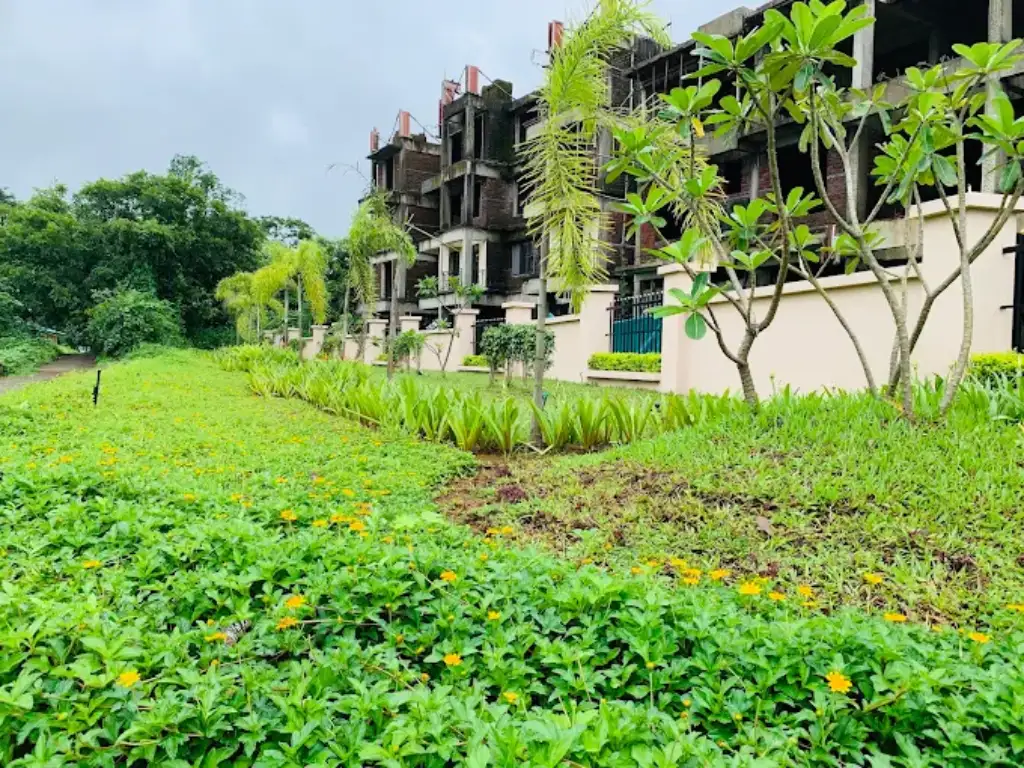
Space India emerged with a clear vision: to cater to the overflowing demand from Mumbai and established Navi Mumbai nodes. As the city expanded eastward and southward, the developer identified that while the middle class could no longer afford Kharghar or Nerul, they still desired the “complex culture”—gated communities with security and amenities.
Strategic Market Entry
Unlike developers who scatter projects across the state, Space India adopted a cluster strategy. They entrenched themselves deeply in the Panvel-Raigad belt. By acquiring large land parcels early in areas like Panvel and Khopoli, they could control costs and offer competitive pricing.
- The “1 BHK” Revolution: They aggressively marketed compact 1 BHK and 2 BHK units, acknowledging that 70% of the MMR demand is for homes under ₹60 Lakhs.
- Brand Positioning: They position themselves not just as builders of concrete shells, but as creators of “Space”—implying room to breathe, play, and grow, which is scarce in island city Mumbai.
Changing the Narrative of "Far Suburbs"
Historically, areas like Khopoli were considered mere industrial towns or weekend getaways. Space India played a pivotal role in rebranding these locations as “First Home” destinations. By launching projects like Balaji Symphony (Panvel) and others in the region, they demonstrated that high-rise living with roof-top amenities was possible even in budget markets. This positioning appealed strongly to young millennials and nuclear families who prioritized lifestyle amenities over central location.
Checklist: Is Space India’s Positioning Right for You?
- [ ] Are you priced out of nodes like Kharghar/Belapur?
- [ ] Do you prioritize owning a car (essential for peripheral living)?
- [ ] Are you looking for a township feel rather than a standalone building?
The Space India Project Development Lifecycle
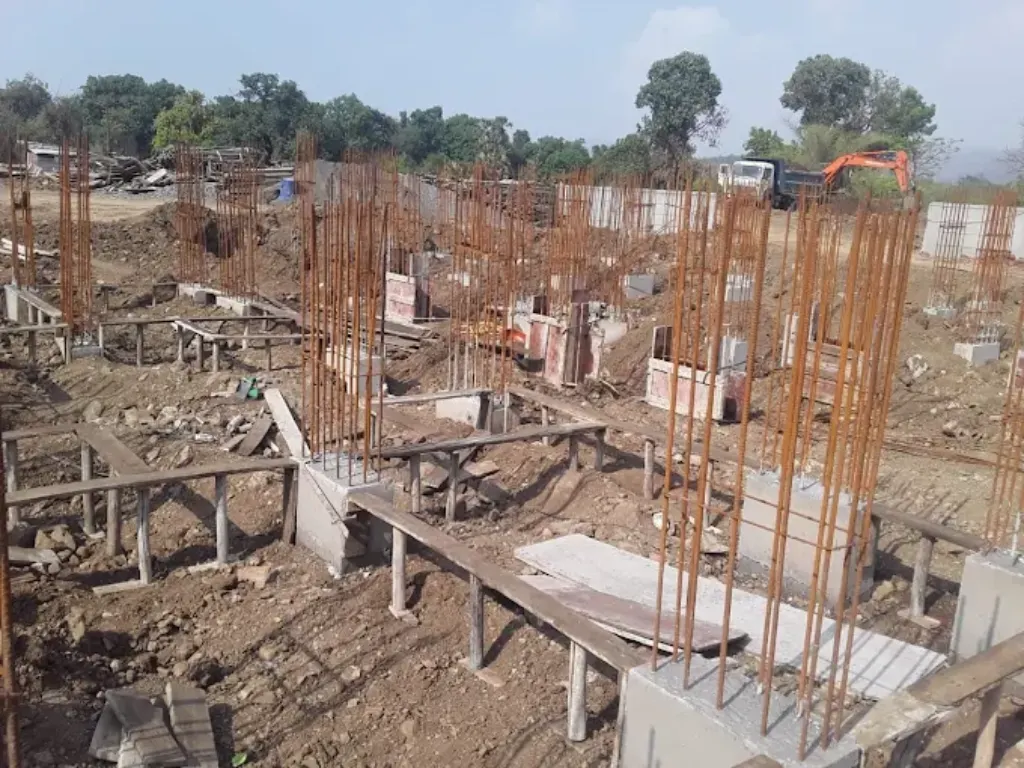
From Land Acquisition to Key Handover: The Process
Understanding how Space India executes projects helps buyers anticipate timelines and quality. Their lifecycle typically follows a distinct pattern suited for the NAINA and Raigad regions.
1. Land Acquisition in Growth Corridors
Space India targets land parcels that are currently undervalued but have sanctioned infrastructure approvals.
- Target Areas: They often buy land near the Old Mumbai-Pune Highway or near existing railway stations (Khopoli, Neral).
- Regulatory Context: Many of their projects fall under the jurisdiction of Panvel Municipal Corporation (PMC) or NAINA. This distinction is vital because NAINA approvals can sometimes take longer than standard NMMC approvals due to the developing nature of the town planning schemes.
2. The "Pre-Launch" & Marketing Phase
Space India is known for high-decibel marketing campaigns.
- Soft Launches: They often utilize the “Expression of Interest” (EOI) model, gathering cheques from interested buyers before the official RERA launch to gauge demand.
- Pricing Strategy: They typically launch at a “base rate” that is 10-15% lower than the prevailing market rate in the immediate vicinity to drive volume.
3. Construction and Financing
- Construction Tech: They generally use standard RCC (Reinforced Cement Concrete) framing. While not always using Mivan technology (aluminum formwork) for all budget projects, they maintain decent speed by managing multiple phases simultaneously.
- Financing: Most projects are APF (Approved Project Financial) approved by major banks like SBI, HDFC, and ICICI. This is a crucial trust signal for buyers, as bank due diligence is stringent.
4. Possession and Handover
- Phased Delivery: Large townships are rarely delivered all at once. Buyers in “Phase 1” might get possession while “Phase 4” is still ground-breaking.
- OC Delays: A common industry hurdle in the Panvel belt involves water connection delays from CIDCO/local bodies, which can delay the Occupancy Certificate (OC). Space India generally navigates this, but buyers should always check the RERA possession date vs. the marketing promise.
Portfolio Analysis: Key Projects and Performance Metrics
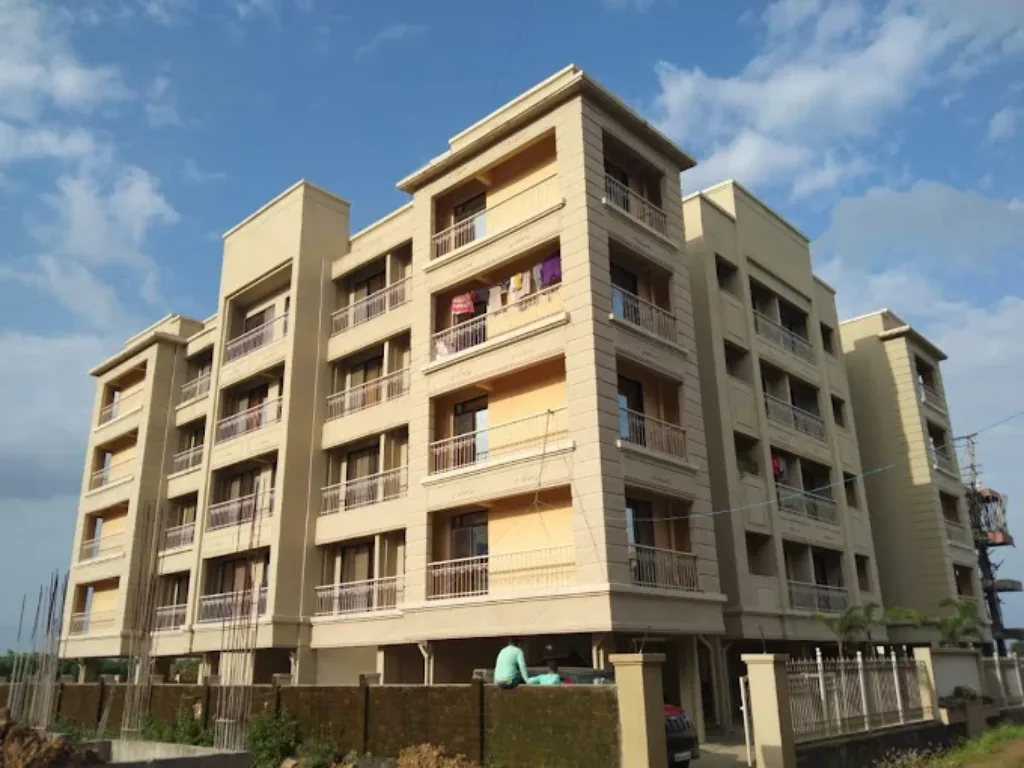
Analyzing the “Balaji” Series and Beyond
Space India’s portfolio is diverse but united by the theme of affordability. While specific inventory changes, their projects generally fall into three categories.
1. The Flagship Townships (Panvel Focus)
Projects like Balaji Symphony in Panvel are the jewel in their crown.
- Scale: High-rise towers (30+ storeys) offering panoramic views of the hills.
- Amenities: These projects feature roof-top observatories, grand clubhouses, and podium parking.
- Performance: These units have seen healthy appreciation (approx. 15-25% over a 5-year cycle) due to the development of New Panvel and the proximity to the railway station.
2. Budget Housing (Khopoli & Neral)
- Target: Industrial workers from Patalganga/Khopoli industrial estates and budget investors.
- Features: Gated complexes with essential amenities (garden, small gym).
- Price Point: Extremely competitive, often starting near ₹20-25 Lakhs.
- Performance: Appreciation here is slower compared to Panvel, driven more by end-use demand than speculation. Rental yields are consistent but low in absolute value.
3. Mid-Segment Boutique Projects
- Location: Nodes like Taloja or Karanjade.
- Style: Smaller complexes (G+7 or G+12 storeys).
- Advantage: Faster completion times compared to massive townships.
Local Insight: The “Carpet Area” Reality
In Navi Mumbai, the difference between “Super Built-up” and “Carpet Area” can be confusing. Space India generally adheres to RERA carpet area norms now.
- Observation: A “2 BHK” in a Space India budget project in Khopoli might have a carpet area of 550 sq. ft., whereas a “2 BHK” in their premium Panvel project might be 650-700 sq. ft. Buyers must verify the exact RERA carpet area before booking.
A Practical Guide for Investing in a Space India Property
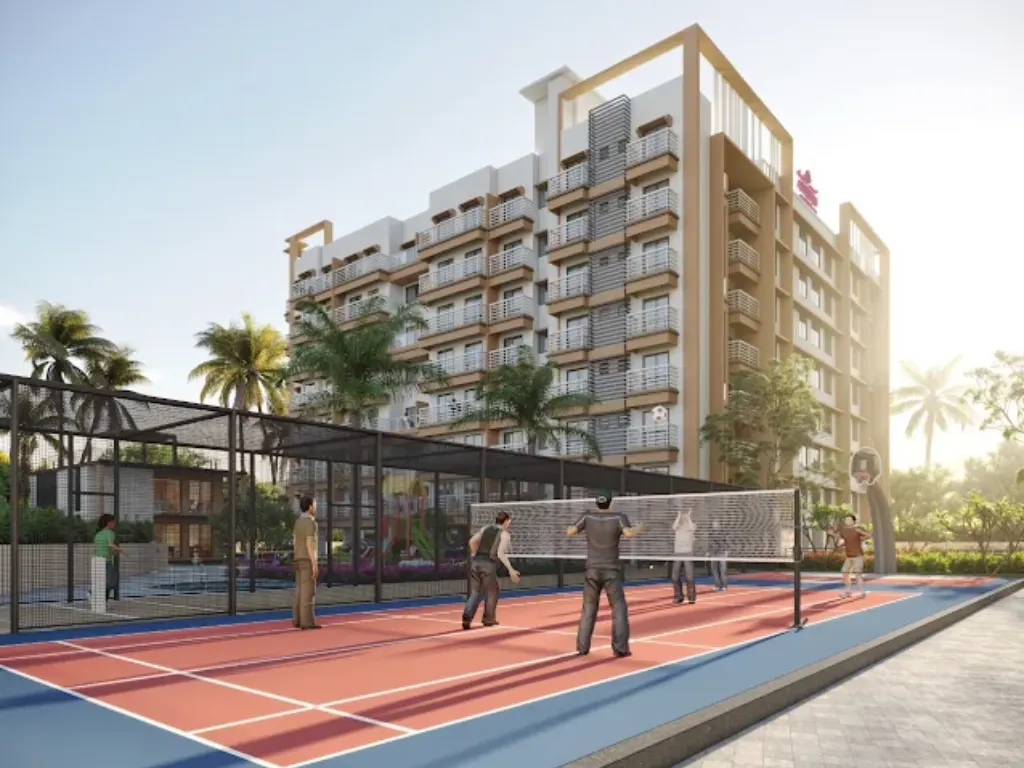
Step-by-Step Buying Process for 2026
Investing in real estate in the MMR region requires navigating paperwork, taxes, and financial planning. Here is a guide tailored for a Space India purchase.
Step 1: Location Reconnaissance
Do not rely on Google Maps. Visit the site.
- Check the Commute: If looking at Panvel, drive from the site to the station during peak hours (9:00 AM).
- Check Utilities: Ask neighbors in Phase 1 (if ready) about water supply frequency (24×7 vs. tanker dependency).
Step 2: Financial Assessment
- The “All-Inclusive” Trap: Marketing prices often exclude “Other Charges.”
- Hidden Costs to Calculate:
- Stamp Duty & Registration: Approx. 6-7% in Maharashtra (varies by gender of owner and specific timeline waivers).
- GST: 1% for affordable housing (under 45L & 60sqm) or 5% for others.
- Development Charges: CIDCO/PMC development charges.
- Clubhouse/Infra Charges: Often ₹2L – ₹5L extra.
Step 3: Booking and RERA Verification
- RERA Check: Go to the MahaRERA website. Search the project name.
- Look for: “Litigation” tab. Are there consumer complaints?
- Look for: “% of work completed” vs. “Proposed completion date.”
- Payment Plan: Space India often offers Construction Linked Plans (CLP). Ensure your disbursements match the slab completion, not just calendar dates.
Step 4: The Agreement
- Ensure the “Amenities” clause in the sales agreement matches the brochure. If the brochure promises a “Sky Garden,” it should be listed in the registered agreement’s amenities annexure.
Expert Viewpoints and Customer Sentiment Analysis
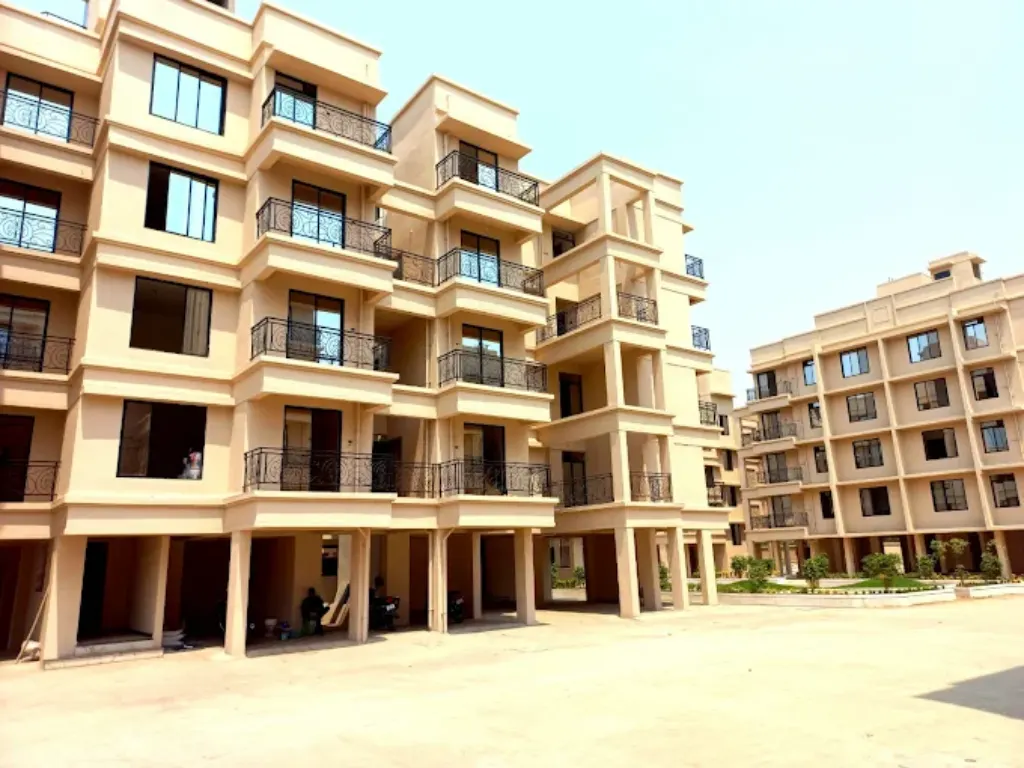
What the Market Says: The Good, The Bad, and The Local
To provide a balanced view, we analyze general market sentiment surrounding Space India projects.
The Bull Case (Positive Sentiment)
- Visionary Locations: Experts credit Space India for betting on Panvel before the airport work actually started. Early investors have seen their property values rise as infrastructure caught up.
- Quality of Life Upgrade: For a family moving from a chawl or a small apartment in a congested Mumbai suburb, a Space India township offers a massive upgrade in quality of life—open spaces, security, and organized parking.
- Execution Track Record: Compared to many “fly-by-night” operators in the affordable sector, Space India has a track record of delivering possession, even if delays occur.
The Bear Case (Critical Sentiment)
- Connectivity Bottlenecks: Residents in deeper projects (like those in Neral or interior Panvel) often complain about the “last mile connectivity.” Auto-rickshaws can be expensive or unavailable late at night.
- Maintenance Costs: Large amenities (pools, high-speed elevators) come with high monthly maintenance bills. For budget buyers, a maintenance bill of ₹3,000-₹5,000/month can be a shock.
- Density: Some projects are very dense, with many flats per floor, leading to crowded elevators and common areas.
Common Mistake Locals Make:
Assuming that “Near Panvel Station” means walkable. In real estate terms, “Near” can mean a 15-20 minute auto ride. Always verify the distance in kilometers, not minutes.
Navigating Risks and Limitations in the Navi Mumbai Market
Ground Reality: What Can Go Wrong?
Buying in the developing nodes of Navi Mumbai comes with inherent risks that apply to Space India projects as well.
1. Infrastructure Lag
While the building might be ready, the municipal infrastructure often lags.
- Roads: Internal sector roads in new Panvel or Taloja phases are often potholed or unbuilt until the node reaches a certain occupancy.
- Water: Raigad district faces summer water cuts. While Space India provides tanks and borewells, the reliance on tanker water increases maintenance costs.
2. The NAINA Factor
Projects in the NAINA jurisdiction are subject to evolving town planning schemes.
- Risk: Changes in FSI (Floor Space Index) rules or road widening plans can sometimes alter the layout of open spaces within a project complex.
3. Market Saturation in Micro-Markets
Areas like Taloja have a massive oversupply of 1 BHK inventory.
- Resale Risk: If you plan to sell in 3-5 years, competition will be fierce. You will be competing not just with other resellers, but with the builder’s own unsold inventory in newer phases.
4. Connectivity Dependence
- Rail Reliance: The Harbour line is the lifeline. Any disruption there isolates these nodes. The proposed Metro lines are still years away from full operational connectivity for many peripheral areas.
Future Outlook: Expansion and Long-Term Strategy
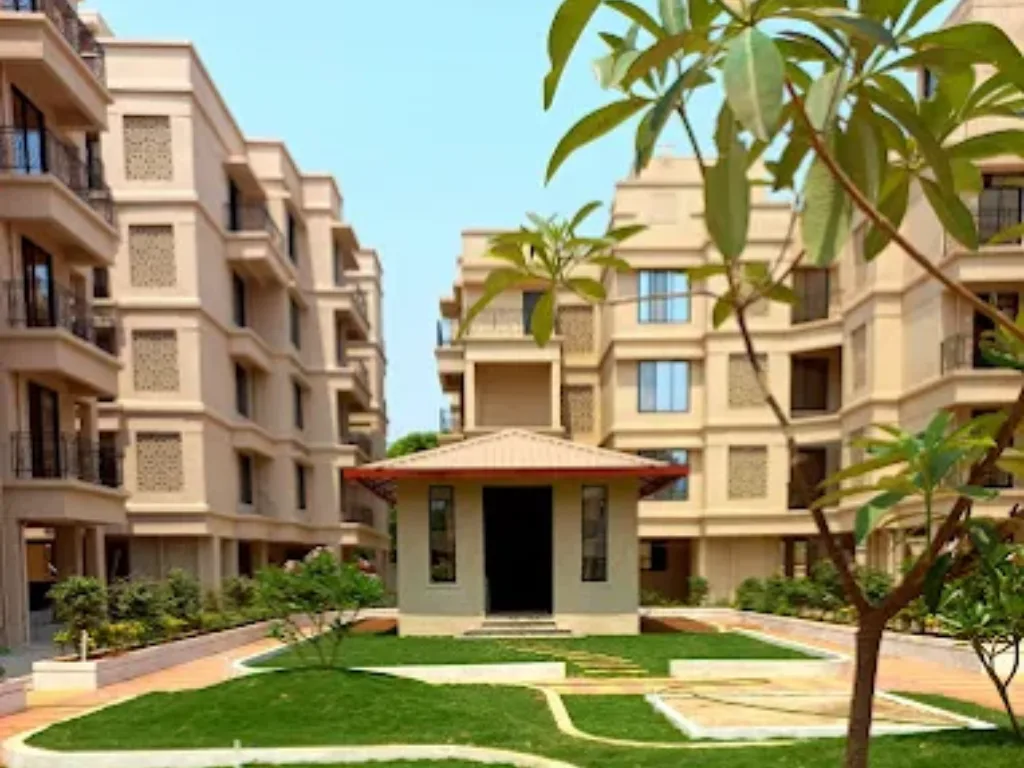
Space India in 2030: The “Third Mumbai” Vision
The future of Space India is intrinsically tied to the mega-infrastructure projects transforming the region.
The Airport Effect (NMIA)
With the Navi Mumbai International Airport nearing operational status, the demand for housing in Panvel (the airport city) is shifting from “affordable” to “premium.”
- Strategy Shift: Expect Space India to launch more “luxury” towers within their existing townships to capture the upper-middle-class demand from airport employees and logistics business owners.
The Virar-Alibaug Corridor
Space India has land banks along the future growth corridors. As the Virar-Alibaug Multi-Modal Corridor becomes a reality, their projects in Panvel and Uran will gain direct access to Thane and Virar, bypassing Mumbai traffic entirely.
Commercial Integration
Future developments are likely to be “Mixed-Use.” Space India may integrate more commercial retail spaces and office squares within their residential projects to create “Walk-to-Work” environments, mitigating the commuting issue.
Competitive Landscape: Space India vs. Regional Peers
How Do They Stack Up?
Space India does not operate in a vacuum. The Panvel-Raigad belt is fiercely competitive.
Space India vs. Godrej Properties (Panvel)
- Godrej: Offers a higher brand premium, potentially better resale value, and “The Trees” style landscaping. However, prices are significantly higher (30-40% premium).
- Space India: Offers larger carpet areas for a lower price. The amenities are comparable functionally, though perhaps less “luxurious” in finish.
- Verdict: Godrej for brand-conscious investors; Space India for end-users maximizing square footage per rupee.
Space India vs. Marathon Group (Panvel/Nexzone)
- Marathon: Known for very efficient floor plans and high-rise engineering. Located often in prime zones like Panvel.
- Space India: Often competes on ticket size. Space India might offer a 2BHK for the price of a Marathon 1BHK in a similar location.
Space India vs. Local Standalone Builders
- Local Builders: Might offer cheaper rates but lack the “Township” amenities (pool, club) and often struggle with OC delays.
- Space India: Offers the safety of a larger brand and bank approvals that small builders cannot match.
Comparison / Decision Table
Choosing the Right Space India Location
| Feature | Panvel (Township Projects) | Khopoli (Budget Projects) | Taloja/Neral (Mid-Range) |
|---|---|---|---|
| Primary Buyer | IT professionals, Airport staff, Families | Industrial workers, Second home buyers | First-time buyers, Investors |
| Budget Range | ₹50 Lakhs – ₹90 Lakhs+ | ₹20 Lakhs – ₹40 Lakhs | ₹30 Lakhs – ₹55 Lakhs |
| Connectivity | Excellent (Rail, Expressway, Airport) | Good (Rail, Old Highway) | Moderate (Rail, Metro planned) |
| Appreciation Potential | High (Airport driven) | Low to Moderate (Steady) | Moderate (Metro driven) |
| Livability Score | High (Schools, Malls nearby) | Medium (Basic amenities) | Medium (Developing infra) |
| Rental Demand | High (White collar) | Medium (Blue collar) | Medium (Mixed) |
| Commute to CSMT | ~65-75 Mins (Train) | ~120 Mins (Train) | ~90 Mins (Train) |
Conclusion
Space India has firmly established itself as a cornerstone of the affordable housing market in Navi Mumbai. By unlocking land value in Panvel, Khopoli, and surrounding nodes, they have made the dream of living in a complex with a swimming pool and gym accessible to the middle class.
For the prospective buyer in 2026, the value proposition is clear: Space India offers more square footage and better lifestyle amenities for every rupee spent compared to city-centric developers. However, this comes with the trade-off of location. Living in these peripheral nodes requires patience with developing infrastructure and a willingness to commute.
FAQ's
Frequently Asked Questions