
Best Taloja MIDC Industrial Plots: Sectors, Pockets & Buying Guide
There is no single best sector in Taloja MIDC. The right pocket depends on what you want to run there, how much truck movement you need, whether your activity needs CETP linkage, how much utility readiness matters, and whether the plot can transfer cleanly without nasty surprises. That is the real answer. A chemical or process unit should not shortlist the same plots as an engineering, packaging, fabrication, or logistics user. Taloja MIDC has to be read pocket by pocket, not as one flat industrial market. ([ascconline.com](https://www.ascconline.com/midc/midc_rates_land.html))
Best Industrial Sectors and Plot Pockets in Taloja MIDC: The Quick Answer
Before going deeper, this is the practical shortlist.
| Pocket / block logic | Best for | Avoid if | Why it works | Main risk |
|---|---|---|---|---|
| V, T, J, K, W-side chemical and process pockets | Heavy chemicals, pharma, petrochemical-style processing, higher-effluent operations | Light engineering, clean packaging, ordinary warehousing | These pockets make more operational sense where CETP linkage, hazardous-waste handling, and a compliance-heavy environment matter | Stronger compliance burden, heavier scrutiny, and a wrong-fit buyer can regret the purchase fast |
| C and L-type engineering pockets | Engineering, fabrication, auto ancillaries, cleaner manufacturing, logistics-support users | High-effluent process units | Better fit when road movement, loading, and factory usability matter more than chemical infrastructure | Internal congestion or weak turning radius can hurt operations even inside a good block |
| M-side food and cold-storage logic | Food processing, cold storage, dairy-type use | Chemical activity or messy mixed industrial use | Cleaner functional fit for food-linked users | The wrong adjoining use or weak hygiene buffers can reduce long-term suitability |
| Additional Taloja | Large-format manufacturing, expansion buyers, land-bank style buyers, occupiers with a longer build horizon | Businesses needing fully mature plug-and-play conditions immediately | Higher chance of larger contiguous acquisitions and future flexibility | Infrastructure and utility comfort may not feel as settled plot to plot |
| Older established Taloja plots with lawful built-up area | Owner-users wanting faster start-up and investors wanting ready leasing potential | Buyers assuming every built structure is automatically compliant | Mature industrial ecosystem, better operational familiarity, stronger utility comfort in many cases | Hidden transfer issues, old structure regularisation, and FSI-linked premium exposure |
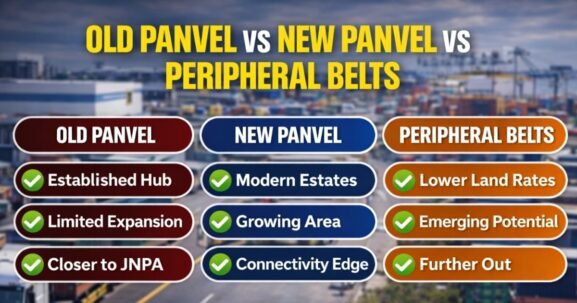
This pocket logic is more useful than a generic “best industrial area in Taloja” answer because MIDC itself separates Taloja Industrial Area, Additional Taloja, and Taloja (Zone-2), and the official industrial rate benchmarks also differ between them. ([cmsportal.midcindia.org](https://cmsportal.midcindia.org/?IA_ID=864&RO_ID=12&type=land))
Why Taloja MIDC Should Not Be Treated as One Single Plot Market
Many buyers make the same first mistake. They ask one broker for “Taloja MIDC rate,” get one broad number, and start comparing all plots from that anchor. That usually leads to a bad shortlist.
Taloja is not one uniform industrial market. At the administrative level itself, MIDC and rate references distinguish between Taloja, Additional Taloja, and Taloja (Zone-2). The benchmark industrial land rates commonly referenced for these areas are not the same: Taloja is shown at ₹12,100 per sq m, while Additional Taloja and Taloja (Zone-2) are shown at ₹15,460 per sq m in the published rate reference. These are benchmark or official rates used for MIDC calculations, not a shortcut for true resale market pricing. ([ascconline.com](https://www.ascconline.com/midc/midc_rates_land.html))
That is why residential-style “sector” language is weak here. In industrial buying, what matters more is:
- which block or pocket you are entering
- whether the road network suits your vehicle movement
- whether the plot fits your pollution category
- whether the structure is lawful
- whether the transfer cost will explode because of low FSI use
In other words, Taloja MIDC is not a residential map problem. It is a use-fit and compliance-fit problem. ([ascc.s3.ap-south-1.amazonaws.com](https://ascc.s3.ap-south-1.amazonaws.com/midccirculars/2023/English/11.%20P121764.pdf))
Which Taloja MIDC Pockets Make the Most Sense for Chemical and Process Industries
If your activity is chemical, pharma, petrochemical, or process-heavy, the answer is quite strict. You should usually stay within the heavier chemical-side pockets, not try to “save money” by picking a cleaner engineering-side plot just because the number looks attractive.
Why? Because for a process unit, compliance is part of the asset. Taloja CETP Co Operative Society is listed by MPCB with a designed capacity of 22.5 MLD, and Taloja has a dedicated MPCB Sub-Regional Office jurisdiction for MIDC Taloja and Uran Taluka. That alone tells you this is not a casual compliance landscape. ([mpcb.gov.in](https://mpcb.gov.in/cetp-reports-at-glance))
In practice, buyers usually read the chemical and process side of Taloja through V, T, J, K, and W-type pockets. That is where the local logic of CETP-linked and hazardous-waste-linked industrial clustering becomes important. The hazardous-waste handling ecosystem is also physically present in Taloja through Mumbai Waste Management Ltd at Plot P-32 and part P-32 in MIDC Taloja. ([mumbaiwastemanagement.com](https://www.mumbaiwastemanagement.com/contactus.html?utm_source=chatgpt.com))
Where compliance-linked clustering matters more than cheap entry price
A chemical plot is not just land. It is land plus compliance possibility.
That means a process buyer should verify:
- whether the intended activity is actually viable in that block
- whether CETP linkage exists or is practically available for that unit type
- whether the seller has current consent history and no serious unresolved compliance baggage
- whether hazardous-waste disposal arrangements are workable for the activity
A discounted plot in the wrong block can look like a bargain and still fail at the most important stage: operational approval. That is why chemical buyers should think compliance-first, not rate-first. ([mpcb.gov.in](https://www.mpcb.gov.in/en/node/509))
When a chemical-use pocket is right, and when it is the wrong buy
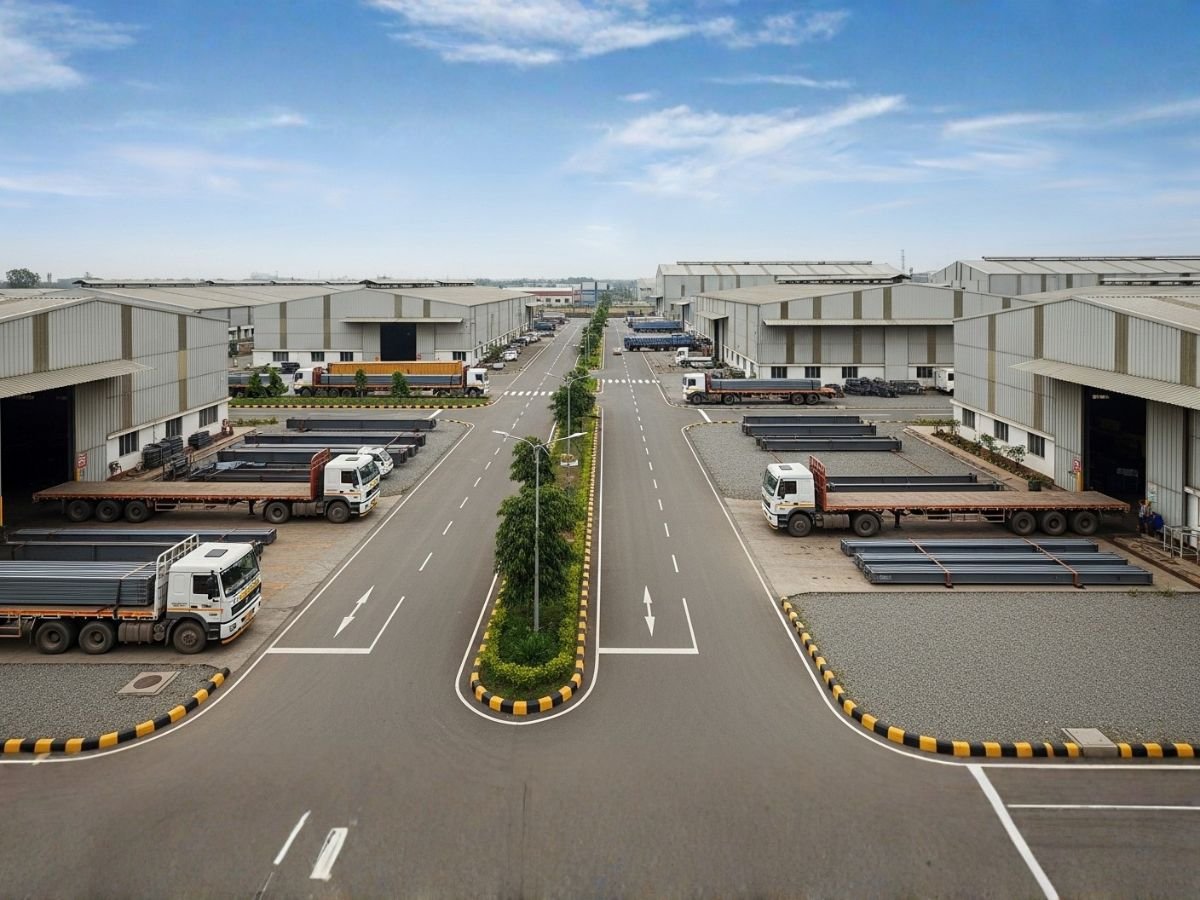
A chemical-use pocket is right when your unit genuinely needs that ecosystem. It is the wrong buy when your operation is light, cleaner, and does not need to sit inside a more tightly watched chemical belt.
That is the trap many non-chemical buyers miss. They think a lower quote in a chemical-side pocket is a good deal. Often it is not. They inherit a location that may bring stronger compliance sensitivity, higher hazard perception, and weaker suitability for their actual business model. MIDC’s own fire-services policy specifically highlights industrial areas with hazardous chemicals and similar activities as areas where MIDC-managed fire services become relevant. That tells you the risk profile is not theoretical. ([midcindia.org](https://www.midcindia.org/en/investors/infrastructure-resources/))
Which Pockets Work Better for Engineering, Fabrication, Packaging, and General Manufacturing
For engineering, fabrication, packaging, electronics, and lighter manufacturing users, the logic changes completely. Here, CETP-heavy positioning is not the prize. Road movement, turning radius, loading convenience, power comfort, and daily operational smoothness matter more.
That is why C and L-type pockets, along with suitable wider-road plots in Additional Taloja, usually make more sense for non-chemical occupiers. The question is not “Is this in Taloja MIDC?” The real question is “Can a loaded 40-foot vehicle enter, turn, wait, load, and exit without constant friction?”
This sounds basic, but it decides long-term usability. A plot on a stronger road with better frontage can outperform a cheaper internal plot by a huge margin in real life, even if both are technically inside the same industrial area.
Why road width, loading movement, and everyday factory usability matter more here
For a non-chemical factory, one bad road decision can become a daily tax on business.
A narrow-access plot may create:
- trailer entry delays
- reverse movement problems
- poor loading bay placement
- worker movement chaos
- higher hidden capex for layout correction
That is why engineering and logistics-led users should value wider roads, corner access, and cleaner movement geometry over “cheap land inside a known MIDC.” Taloja’s road-upgrade push itself shows how important internal movement has been for the belt. In early 2024, MIDC’s ₹200 crore infrastructure push covered about 21 km of internal roads in L, M, V, and T blocks. ([timesofindia.indiatimes.com](https://timesofindia.indiatimes.com/midc-to-spend-rs-200-crore-on-infra-in-taloja-industrial-area/articleshow/107398583.cms))
What lighter industrial users should prefer over a heavy compliance pocket
A lighter industrial user should prefer a plot that gives easier daily operation, not a plot that merely sounds more industrial.
That usually means:
- cleaner access roads
- better plot frontage
- simpler utility planning
- lower mismatch between business type and block environment
- fewer nasty surprises during leasing or resale
This is also why many investors do better with pre-built, lawful industrial sheds in cleaner-use pockets than with vacant land in a complex chemical-use zone.
Should You Prefer Established Taloja MIDC or Additional Taloja for a New Plot Purchase
There is no one-word answer here either.
If you are an owner-user who wants to start earlier and reduce uncertainty, established Taloja often makes more sense. Taloja Industrial Area already sits in a more functionally mature ecosystem, and MIDC officially lists Taloja Industrial Area among the industrial areas with natural gas pipeline availability. That matters for process comfort, energy planning, and long-term operating stability. ([midcindia.org](https://www.midcindia.org/en/investors/infrastructure-resources/))
If you are a bigger buyer, a phased manufacturer, or a land-bank style investor, Additional Taloja can be the better play. It carries a higher official benchmark rate than old Taloja in the published reference, but it can still make financial sense because you may get scale, contiguity, and future flexibility that older pockets cannot always offer. ([ascconline.com](https://www.ascconline.com/midc/midc_rates_land.html))
The simple rule is this:
- Established Taloja suits faster operational start, utility familiarity, and buyers who value maturity.
- Additional Taloja suits expansion, larger-format planning, and buyers who can absorb a longer stabilization cycle.
Do not reduce this choice to official rate alone. The better question is: Do you need maturity now, or flexibility for the next few years?
What Actually Makes One Plot Better Than Another Inside the Same Taloja Pocket
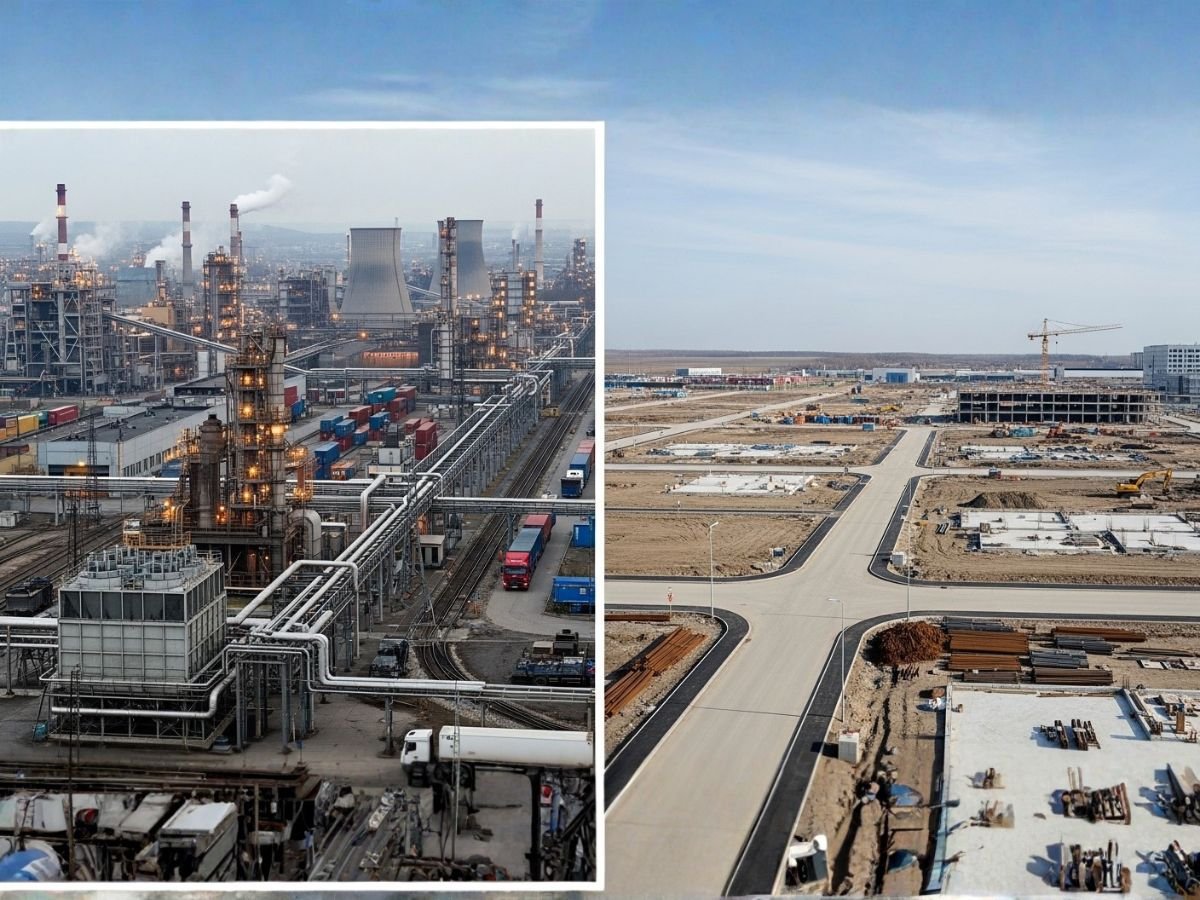
This is where most real money is won or lost.
Two plots inside the same broad pocket can behave very differently because industrial value is not created only by location name. It is also created by physical usability.
Road width, corner advantage, turning radius, and truck waiting practicality
A corner plot with dual access can be much stronger than a similar-sized internal plot. Not because the brochure looks better, but because movement becomes cleaner.
For example, one plot may allow separate entry and exit movement and easier trailer handling. Another may force reversing, waiting on the road, and constant loading delay. On paper, both are “Taloja MIDC plots.” In operation, they are not equal.
Plot shape, frontage, drainage level, and future expansion potential
This is another silent killer in industrial buying.
A cheaper internal plot can become expensive if:
- the shape is awkward for factory planning
- the frontage is too weak for proper loading
- the land level sits below road level
- monsoon drainage requires filling and civil correction
- future shed expansion becomes inefficient
This is why a discounted quote should never be read without site-level engineering eyes.
Power, water, gas, effluent, and fire-readiness checks
Utility readiness is part of industrial value. Taloja’s official infrastructure page confirms natural gas pipeline availability in Taloja Industrial Area, and MIDC’s fire-services policy makes it clear that hazardous and higher-risk industrial areas need a different safety reading. ([midcindia.org](https://www.midcindia.org/en/investors/infrastructure-resources/))
So when comparing two plots, do not just ask price. Ask:
- what load can be sanctioned
- what utility lines are already practical on ground
- whether effluent needs are actually supported
- what fire and safety obligations your activity will trigger
Which Taloja MIDC Plots Look Attractive on Paper but Become Costly Mistakes Later
This is the section most buyers should read twice.
The biggest financial trap in Taloja MIDC is not always the seller’s asking price. Sometimes it is the transfer structure behind the plot.
MIDC’s November 2023 circular clearly states that for applicable transfer cases, 10% differential premium applies when the required construction threshold is met, while 30% differential premium applies where the required FSI utilization is not met. In simple language, a “cheap” underbuilt or open plot can carry a much bigger transfer hit than the buyer expected. ([ascc.s3.ap-south-1.amazonaws.com](https://ascc.s3.ap-south-1.amazonaws.com/midccirculars/2023/English/11.%20P121764.pdf))
So yes, the rate may look attractive. But once the differential premium, compounding, structure regularisation, or low-FSI penalty enters the picture, that “bargain” can disappear.
Common bad-bet plots include:
- vacant plots where the buyer has not understood the transfer premium impact
- plots with old sheds but no clean Building Completion Certificate trail
- plots with encroached margins or unauthorized additions
- internal plots that cannot handle your real logistics pattern
- chemical-belt plots bought by clean-use buyers only because the quote looked soft
How Owner-Users, Investors, and Land Bank Buyers Should Shortlist Taloja MIDC Differently
A very common mistake is copying someone else’s buying logic.
An owner-user and an investor are not buying the same thing, even if both say they want a Taloja MIDC plot.
- A chemical owner-user should prioritize CETP-linked viability, waste-handling practicality, and cleaner consent readiness.
- An engineering owner-user should prioritize road width, truck movement, load planning, and usable factory geometry.
- A yield investor should often prefer a lawful built-up asset that can lease faster, instead of a vacant plot with a transfer-premium shock.
- A land-bank buyer should think more about future belt maturity, contiguity, and exit timing than immediate plug-and-play conditions.
This is why “best industrial pocket” is never one universal answer. It changes with the buyer’s end use.
What Documents and Authority Checks Matter Before You Finalise a Plot in Taloja MIDC

This is the non-negotiable checklist. Do not pay token first and ask legal questions later.
Taloja MIDC plot due diligence checklist
- Original MIDC lease deed and chain of assignment
- Latest transfer position and whether MIDC transfer is actually feasible
- Whether the plot falls in Taloja, Additional Taloja, or Taloja (Zone-2)
- Current FSI utilization and likely 10% vs 30% differential premium exposure
- Approved building plans, if any
- Building Completion Certificate, if any built-up area exists
- Whether margins, shed area, and on-ground construction match approved records
- Seller’s current production and use status
- MPCB consent history where required
- CETP linkage and quota relevance for process units
- Hazardous-waste handling arrangement where relevant
- Utility comfort: power, water, gas, drainage
- Physical road access for your exact vehicle size
- Flooding, filling, and level-difference issues after site visit
The key point is simple. In Taloja MIDC, legal transfer, FSI status, and use-fit can change the economics more than small rate negotiation.
Final Verdict: Which Taloja MIDC Pocket Suits Which Buyer
If you want the short closing answer, it is this.
Heavy chemical and process buyers should not get clever with cleaner pockets. They should stay focused on the chemical-side blocks and verify CETP, consent, and waste-handling viability properly. Engineering, fabrication, packaging, and cleaner manufacturing users should usually prefer C and L-type logic or suitable wider-road plots in Additional Taloja, where movement and day-to-day factory usability matter more than chemical infrastructure. Food and cold-storage users should read M-side logic more seriously than generic Taloja broker language. Investors should be very careful with vacant plots carrying low FSI use, because transfer premium can change the deal mathematics sharply. ([ascc.s3.ap-south-1.amazonaws.com](https://ascc.s3.ap-south-1.amazonaws.com/midccirculars/2023/English/11.%20P121764.pdf))
The best industrial pocket in Taloja MIDC is not the cheapest one, the loudest broker pitch, or the one with the most familiar name. It is the pocket that matches your activity, your compliance profile, your truck movement, and your transfer reality.
Conclusion
Taloja MIDC still works, but only when you read it correctly. Not as one market. Not as one rate. Not as one broker sentence.
Read it by pocket, by use, and by compliance. If you do that, Taloja can be one of the strongest industrial decision zones in the Navi Mumbai side of the region. If you do not, the wrong plot can trap you in delays, penalties, and avoidable capex from day one.
FAQs
Frequently Asked Questions