Vashi Commercial Rates and Rents Explained: Offices, Shops and Market Trend
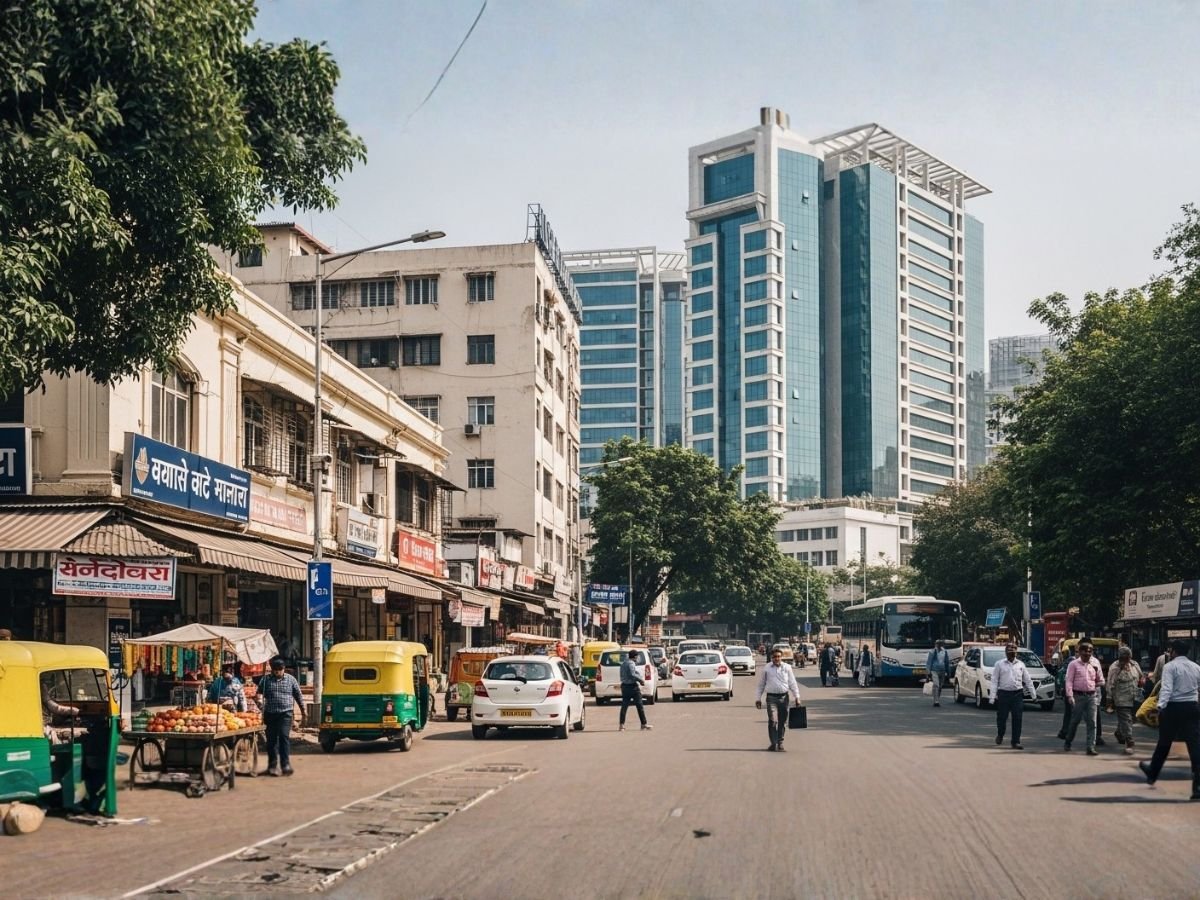
Vashi commercial pricing is selective, not uniform. A ground-floor shop in Sector 17, a trade office near APMC in Sector 18 or 19, and a Grade-A office in Sector 30A do not follow the same price logic. In the current 2025/2026 market cycle, asking rates and rents change sharply by frontage, carpet area, building age, station access, and fit-out status. That is why one “average Vashi commercial rate” is usually misleading.
For buyers, tenants, and investors, the real question is not just what Vashi costs. The real question is what kind of Vashi commercial stock still justifies its price, what kind only looks expensive, and where rent strength is actually supporting capital values. That is where most generic pages fail.
Vashi is one of Navi Mumbai’s oldest and most established commercial nodes. It has no easy fresh land story left. Much of the market now runs on resale stock, lease renewals, selective redevelopment, and a tight supply of genuinely usable commercial units. So the gap between a good deal and an overpriced one can be very wide even inside the same node.
Quick Summary
| Vashi pocket / sector cluster | Best suited for | Indicative asking capital value | Indicative asking rent | Market depth | Main caution |
|---|---|---|---|---|---|
| Sector 17 and nearby high-street belts | Shops, clinics, boutique offices, walk-in services | ₹25,000 to ₹45,000+ per sq. ft. carpet | ₹200 to ₹550+ per sq. ft. per month | Extremely strong for prime ground floors | “Sector 17” alone is not enough. Dead frontage inside older complexes can sharply reduce retail value. |
| Sector 30A station/business park belt | IT, corporate offices, back offices, professional offices | ₹12,000 to ₹25,000 for bare shell; ₹24,000 to ₹48,000+ for fitted or pre-leased premium office stock | ₹80 to ₹140 per sq. ft. per month | Deep office demand in the better buildings | High CAM and fit-out economics can reduce actual net return. |
| Sector 18/19 APMC-linked belt | Trade offices, logistics management, wholesale-linked business | ₹20,000 to ₹33,000 per sq. ft. carpet | ₹70 to ₹110 per sq. ft. per month | Stable business demand from the trade ecosystem | Heavy traffic and less polished surroundings make it weaker for brand-led front-office use. |
| Palm Beach Road-facing commercial stock | Brand showrooms, auto, premium interior or visibility-led business | Case-by-case ultra-premium pricing | ₹130 to ₹250+ per sq. ft. per month depending on frontage and size | Selective demand, slower on large floorplates | Branding premium is real, but not every business can convert that premium into revenue. |
These are indicative asking bands from the current market cycle, usually most useful when compared on carpet area. Final transacted numbers can vary by size, floor, frontage, fit-out, lock-in period, deposit, and building quality.
The summary is simple. Sector 17 prices footfall. Sector 30A prices commuter-led office utility. The APMC belt prices trade usefulness. Palm Beach pricing is visibility-driven and works only for specific formats.
Why Vashi does not have one commercial rate
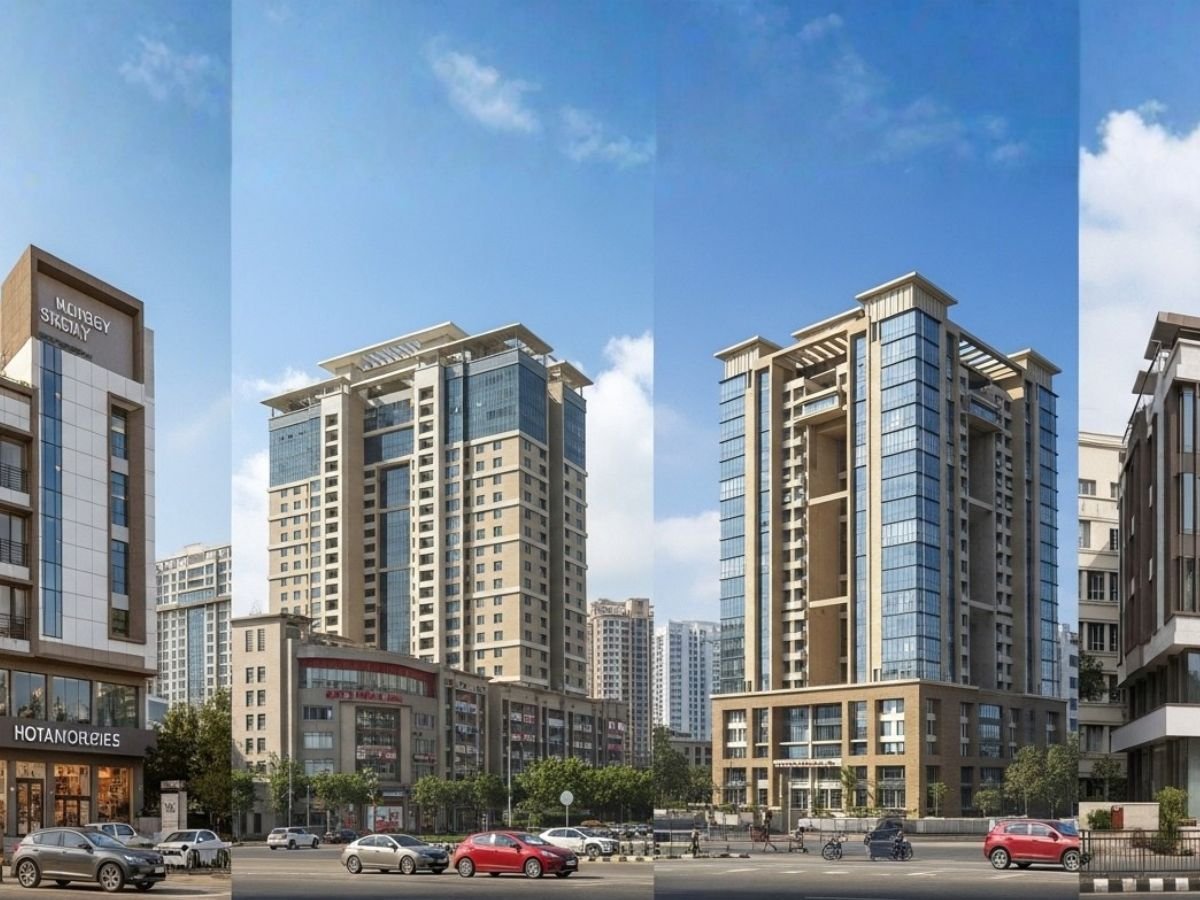
Vashi’s commercial pricing makes sense only when you understand how its sectors evolved. CIDCO’s planning created the framework, but decades of actual business use created the premium.
Sector 17 and nearby market belts: high-street visibility, smaller units, strong walk-in value
Sector 17 remains one of the strongest commercial retail addresses in Vashi because it captures steady walk-in traffic. Small ground-floor units here often look outrageously expensive on a per sq. ft. basis, but that is exactly how high-street retail behaves. A compact, visible shop can outperform a much larger but weaker unit hidden inside an old block.
This is why an older building in Sector 17 can still quote more than a better-looking office tower elsewhere. Retail footfall, frontage, and visibility can outprice modern glass-and-steel aesthetics.
Sector 18/19 and the APMC-linked belt: trade, logistics, storage-linked business use
Sector 18 and 19 work on a different commercial logic. The APMC ecosystem supports wholesale movement, stock handling, transport coordination, back-office trade activity, and B2B operations. The area may not impress a lifestyle brand, but for the right business it has real depth.
That is why this pocket can hold strong pricing even with congestion, heavy vehicle movement, and a less polished environment. Utility matters more here than image.
Sector 30A and the station-connected office stock: commuter-led office demand
Sector 30A is where Vashi’s corporate office logic becomes clearest. Better business parks and station-connected office towers attract firms that need employee convenience, faster leasing, and a more formal business address. Proximity to Vashi railway station still matters a lot. Walkability matters. Parking matters. Lift quality matters.
This is also where buyers get confused. A bare shell office in a Grade-A tower may show a lower capital value than a prime Sector 17 shop, but the two products are not competing for the same tenant profile or revenue model.
Palm Beach-facing or premium-address stock: where branding premium appears
Some Palm Beach-facing commercial stock trades at a completely different premium. Here the value is not just use. It is visibility, address effect, demographic profile, and brand signalling. That works for automotive, premium interiors, selected showrooms, and certain high-visibility businesses.
But this premium is not universal. A business that does not convert address into revenue should not overpay just for the road name.
What offices, shops and showrooms are really renting for in Vashi
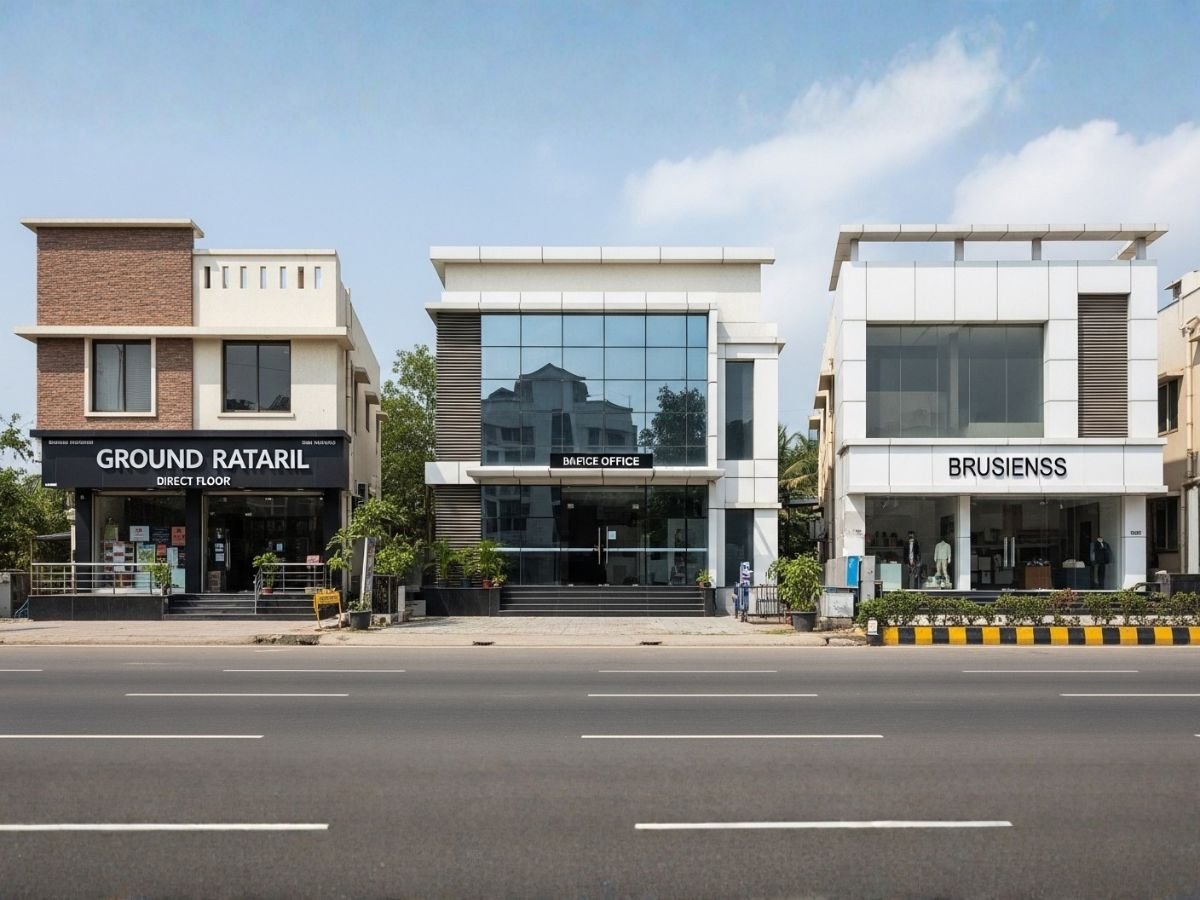
Rents tell the truth more clearly than sale prices. Capital values can be influenced by seller expectations, brand perception, and future stories. Rent reflects whether the space is actually usable now.
| Asset class in Vashi | Indicative asking rent band | What usually pushes it higher |
|---|---|---|
| Standard office space | ₹80 to ₹140 per sq. ft. per month | Grade-A building, station access, furnishing, central HVAC, better parking |
| Retail / showroom space | ₹200 to ₹400 per sq. ft. per month | Ground floor, main road visibility, corner frontage, signage value |
| Prime Sector 17 retail micro-units | ₹227 to ₹550+ per sq. ft. per month | Dense footfall, small size, direct frontage, proven retail pitch |
| Premium fitted or pre-leased office stock | Usually above standard office bands | Immediate occupancy, tenant in place, lower fit-out friction |
A good example shows how sharply Vashi splits by use. A very small prime retail unit in Sector 17 can command something like ₹1.1 lakh per month on roughly 170 sq. ft., which works out to an extraordinary per sq. ft. rate. A much larger office in Sector 30A might rent at a much lower per sq. ft. figure, even though the overall monthly ticket is higher.
That is normal. Shops are revenue-facing space. Offices are usually operational space.
Also remember one practical point. These are asking bands, not guaranteed final deals. Final rent depends on the lock-in period, security deposit, tenant fit-out responsibility, rent-free period, and escalation structure. In many commercial leases, a 5 percent annual escalation or a 15 percent jump every three years is still common enough to affect the real rent story.
What actually pushes a Vashi commercial rate up or down
Once you leave the listing portals and actually inspect units, the pricing logic becomes much clearer.
Station distance, walkability and daily access
In office-led Vashi, especially around Sector 30A, the difference between a genuinely walkable station connection and a unit that needs an extra auto ride is real. For employee-heavy offices, this changes leasing speed.
Visibility, frontage and footfall
In retail-led Vashi, especially Sector 17, frontage is everything. A shop facing a moving pedestrian flow is not the same product as a unit buried inside a maze-like complex. Both can carry the same sector label. Both can even have the same size. They are still not equally valuable.
Building age, lift quality, parking and maintenance burden
Many legacy Vashi buildings still work because location saves them. But not all old stock ages equally well. Poor lifts, weak common areas, no proper parking, and tired facades affect both tenant quality and vacancy risk.
There is also the CAM issue. Better office buildings can charge roughly ₹10 to ₹15+ per sq. ft. monthly as maintenance. Older Grade-B stock may be around ₹4 to ₹8. That difference hits net yield hard.
Floor plate usability and fit-out readiness
A bare shell unit may look cheaper, but the incoming tenant may need to spend heavily on interiors, air-conditioning, cabling, flooring, and layout work. That often means longer vacancy, more negotiation, and even rent-free periods. Plug-and-play offices can command a premium because they cut friction.
Tenant profile and lease depth
A pre-leased office is not automatically safer. What matters is who the tenant is, how stable the business is, what lock-in exists, and whether the rent is genuinely market-supported. A good tenant with a proper lock-in can justify a premium. A weak tenant on an inflated rent can turn the “safe yield” story into a trap.
Is the Vashi commercial market rising, stable, or only strong in selected stock?
The honest answer is this: Vashi is not in a broad-based commercial boom. It is in a selective strength phase.
The market looks strongest where three things come together: mature demand, low fresh supply, and genuinely usable stock. That is why premium retail frontage and better office buildings can still hold pricing well. Prime segments also benefit from Vashi’s gateway role within Navi Mumbai and the wider infrastructure halo around the coming airport, metro expansion, and Mumbai-side connectivity.
But this strength is not evenly spread across all commercial inventory. Old Grade-C stock with weak lifts, poor parking, dull facades, and low leasing appeal can stagnate for long periods. A tired upper-floor unit in a dead complex is not rescued just because it sits in Vashi.
From an investor’s angle, Vashi currently looks more like an income market than a cheap capital appreciation market. In strong commercial pockets, gross yields in the 6 percent to 9 percent range are still part of current market conversations. But rent quality matters more than dream appreciation stories. In fact, rent growth today often looks healthier and more believable than aggressive capital growth claims.
Where buyers usually misread Vashi commercial pricing
This is where many first-time commercial buyers make expensive mistakes.
> Caution box: the five common Vashi commercial pricing traps > > 1. Carpet vs built-up illusion > A unit quoted at ₹15,000 per sq. ft. may sound attractive until you realise that figure is on super built-up area with a heavy loading factor. In Vashi and wider Navi Mumbai commercial stock, loading can often sit around 20 percent to 35 percent. So a 1,000 sq. ft. super built-up office may leave you with only 650 to 750 sq. ft. of usable carpet area. > > 2. Pre-leased ROI trap > A pre-leased asset offering a 7 percent yield can still be overpriced if the tenant is weak, the rent is inflated, or the lock-in is short. > > 3. Dead frontage sold as main-road commercial > This is common in old retail pockets. The address sounds strong, but the actual unit faces an internal lane or hidden corridor. > > 4. Cheap old asset, expensive real holding cost > Low entry price means little if you later spend heavily on interiors, repairs, vacancy, and poor leasing response. > > 5. Gross yield vs net yield confusion > Buyers often forget CAM, insurance, vacancy loss, and heavy local charges. Gross rent is not net return.
That last point matters a lot in Vashi. Commercial property tax under NMMC is materially heavier than residential property tax and is typically assessed on rateable value. If you ignore that, your paper yield can look much better than your actual yield.
Who should buy in Vashi, who should lease, and who should stay cautious
The right answer depends on why you are entering the market.
Self-use professional buyers
If you are a doctor, CA, consultant, diagnostic setup, or service-led business with long-term local operating plans, buying can make sense in the right building. An older but well-kept office or clinic unit in a practical Vashi pocket can give stability and protect you from repeated lease escalations.
Retail brands and franchise operators
If your business needs premium frontage, leasing is often the smarter route. Buying a high-street retail unit in Sector 17 or a visibility-led unit on Palm Beach can tie up too much capital. For many brands, that money works better in fit-out, staffing, inventory, and marketing.
Yield-focused investors
Vashi can still work for investors, but only selectively. The strongest fit is usually a properly vetted, pre-leased office in a better Sector 30A building with a credible tenant and real lock-in. The second strong bucket is a genuinely visible ground-floor retail unit with proven leasing depth. Everything else needs careful pricing discipline.
Who should stay cautious
Short-term flippers, first-time buyers chasing brochure ROI, and investors attracted only by the word “Vashi” should slow down. This is not an entry-level speculation market anymore. It is a mature, expensive, detail-sensitive commercial market.
How to judge whether a Vashi commercial rate is justified before you close the deal
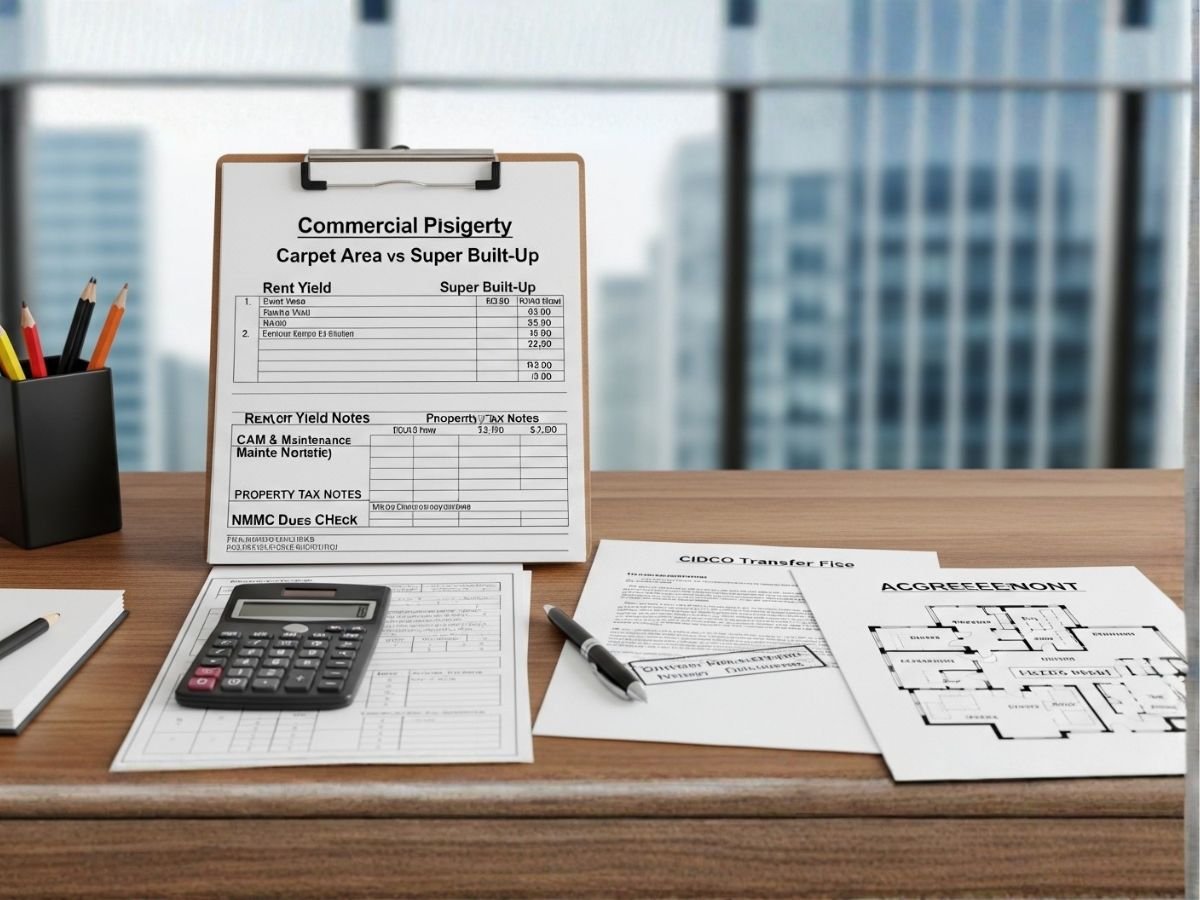
Before you agree that a rate is “fair,” check these points properly:
- Compare on carpet area first. If the seller or broker quotes super built-up, convert it before comparing anything.
- Check nearby comparable stock of the same product type. A shop should be compared with similar shops, not with offices.
- Model actual achievable rent, not the dream rent. Ask what kind of tenant can take the space today, not what someone once quoted six months ago.
- Subtract real holding costs. Include maintenance, vacancy periods, insurance, fit-out concessions, and tax burden.
- Check CIDCO transfer implications early. In Navi Mumbai, leasehold transfer issues are not decorative paperwork. CIDCO transfer charges can materially change acquisition cost, and recent hikes have made this even more important. Negotiate clearly who bears that cost.
- Check NMMC arrears and property tax history. Do not inherit municipal surprises after registration.
- Use IGR Maharashtra rates correctly. Ready Reckoner helps for valuation and stamp-duty baseline. It is not the same thing as true market price in a high-demand Vashi pocket.
- If the asset is under construction or part of a newer project, verify MahaRERA details. Check registered carpet area, approvals, and delivery claims there, not just in the brochure.
One more practical point: in Vashi, paperwork quality and commercial usability often matter as much as headline location. A slightly less glamorous building with clean records, better access, and a strong tenant market can outperform a more expensive unit with hidden friction.
What kind of Vashi commercial stock still looks strongest over the next few years
Not all inventory deserves the same confidence.
Strongest stock
- Ground-floor retail with clean, direct visibility in proven walk-in zones
- Furnished or efficiently fitted office stock near the station
- Smaller office units with faster leasing depth and lower ticket size
- Commercial assets where usability is obvious and vacancy risk is low
Moderate-risk stock
- Large bare shell office floorplates needing major fit-out
- Premium address-led stock that works only for a narrow tenant pool
- Big showroom spaces that need very specific occupiers
Avoid unless priced clearly right
- Upper-floor retail in old underperforming complexes
- “Mall-type” stock with weak footfall and tired surroundings
- Units with heavy loading, unclear frontage, poor parking, or weak common areas
- Pre-leased assets where the tenant story has not been properly verified
That is the real Vashi commercial market trend in plain words. Good stock is still liquid. Average stock is not automatically rescued by the node name.
conclusion
Vashi commercial rates, rents and market trend can be understood in one line: Vashi is not a cheap speculation market anymore. It is a mature, selective, income-oriented commercial ecosystem where the right unit still performs and the wrong unit can stay overpriced for years.
That is why buyers and tenants should stop asking, “What is the rate in Vashi?” and start asking better questions: Which sector? Which product? Which frontage? Which carpet area? Which tenant profile? Which holding cost?
If you get those answers right, Vashi can still be one of Navi Mumbai’s most dependable commercial markets. If you ignore them, the same Vashi name can become a very expensive mistake.
FAQs
Frequently Asked Questions