
What a Logistics or Warehouse Lease Should Contain in Navi Mumbai
A proper warehouse lease in Navi Mumbai should clearly define the exact premises, permitted logistics use, possession condition, rent and escalation, deposit refund, utilities, loading and truck rights, repairs, compliance, insurance, and exit. If the property sits on MIDC or CIDCO-linked land, the lease should also deal with consent, NOC, and sanctioned-use risk before signing. A weak document does not just create legal trouble. It can disrupt actual warehouse operations from day one.
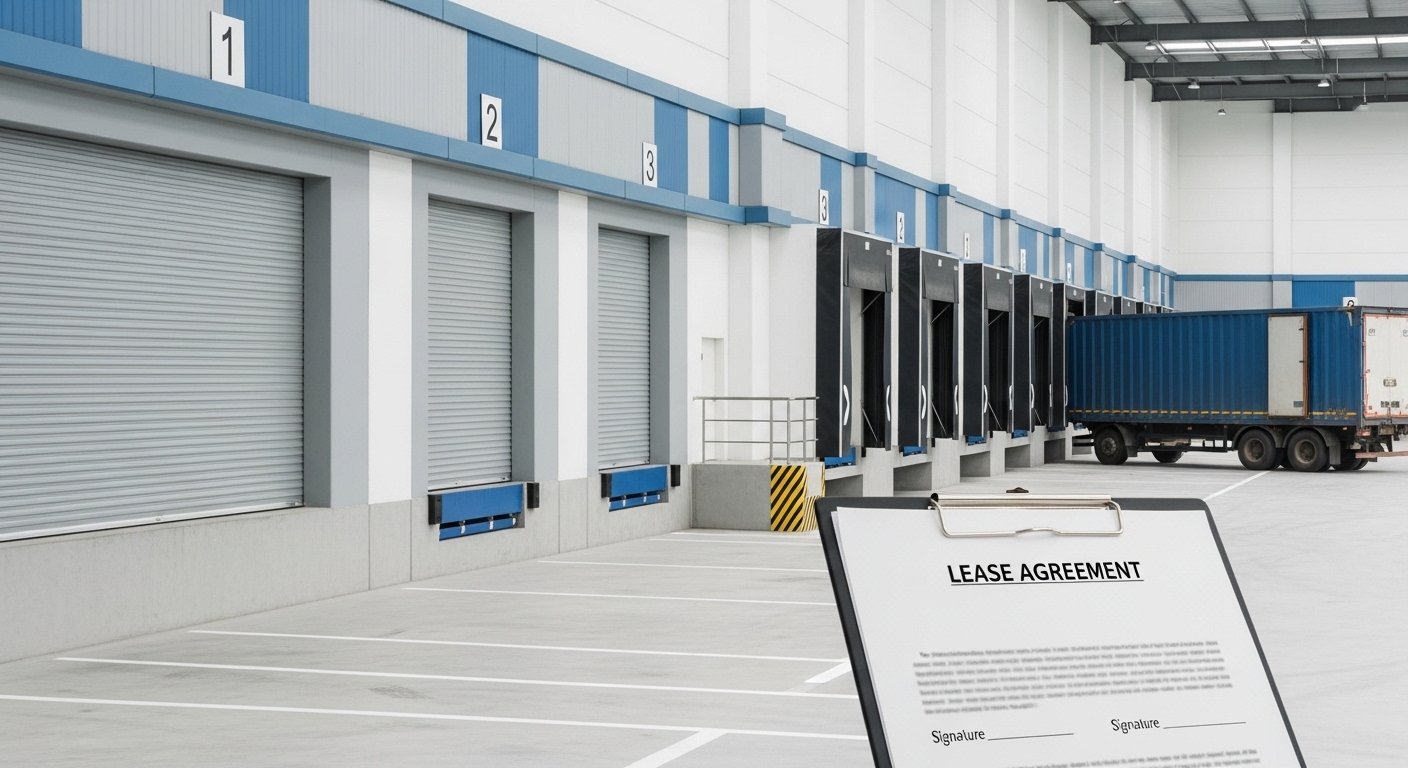
The direct answer: what a warehouse lease in Navi Mumbai must contain before you sign
If the paper is silent on loading, access, power, fit-out, shared roads, or deposit deductions, the tenant usually suffers later. Here is the practical checklist.
| Clause Bucket | What must be written clearly | What is unsafe to leave verbal |
|---|---|---|
| Property identity | Unit number, plot number, estate name, floor, access points, attached plan, built-up and open areas | “This whole side is included” |
| Permitted use | Exact logistics activity: storage, sorting, packing, dispatch, 3PL, cold chain, light assembly where allowed | “Warehouse use is fine for everything” |
| Possession condition | Roof, shutter, flooring, docks, electrical readiness, water, meter status, handover memo | “We will fix it after possession” |
| Rent structure | Base rent, escalation, lock-in, GST, TDS, CAM, taxes, utility billing | “CAM is minimal” |
| Deposit | Amount, who holds it, adjustment rules, refund timeline, deduction proof | “Refund after inspection” |
| Access and loading | 24/7 entry, truck timing, dock use, parking, labor access, gate rules | “No issue, trucks can come anytime” |
| Repairs and compliance | Structural vs operational repairs, fire systems, insurance, authority permissions | “Landlord handles everything” |
| Power and utilities | Existing load, separate meter, DG charges, transformer or enhancement cost | “Power is enough” |
| Fit-out and restoration | Fit-out period, rent start date, permitted works, handback standard | “Do your interiors, we’ll see later” |
| Assignment and subletting | Group company use, sub-occupancy, expansion or partial surrender rights | “Internal arrangement allowed” |
| Exit and default | Lock-in, cure period, termination triggers, peaceful handover, deposit release | “Standard exit clause” |
| Annexures | Ownership chain, approval papers, meter record, photo record, handover condition | “Documents will be shared later” |
The 12 non-negotiable clause buckets

The safest way to review a warehouse lease is to check it in three layers:
1. Legal identity and sanctioned use Is this the right property, held by the right party, for the right use?
2. Operational usability from day one Can trucks move, can goods be stored, is the power adequate, and is the warehouse actually ready?
3. Exit and dispute control If something goes wrong, can you recover your deposit, cure the default, or leave without getting trapped?
What should never remain a verbal assurance
In Navi Mumbai warehouse deals, the most dangerous sentence is: “Don’t worry, we will mention later” or “this is understood.”
These points must be written, not discussed casually:
- truck entry timing
- common road use
- dock and loading priority
- fit-out grace
- separate meter and power billing
- waterproofing and roof condition
- security deposit refund timeline
- who bears MIDC, CIDCO, estate, or authority-linked charges where applicable
Is this document a real lease, a leave-and-license arrangement, or a badly drafted short-form paper?
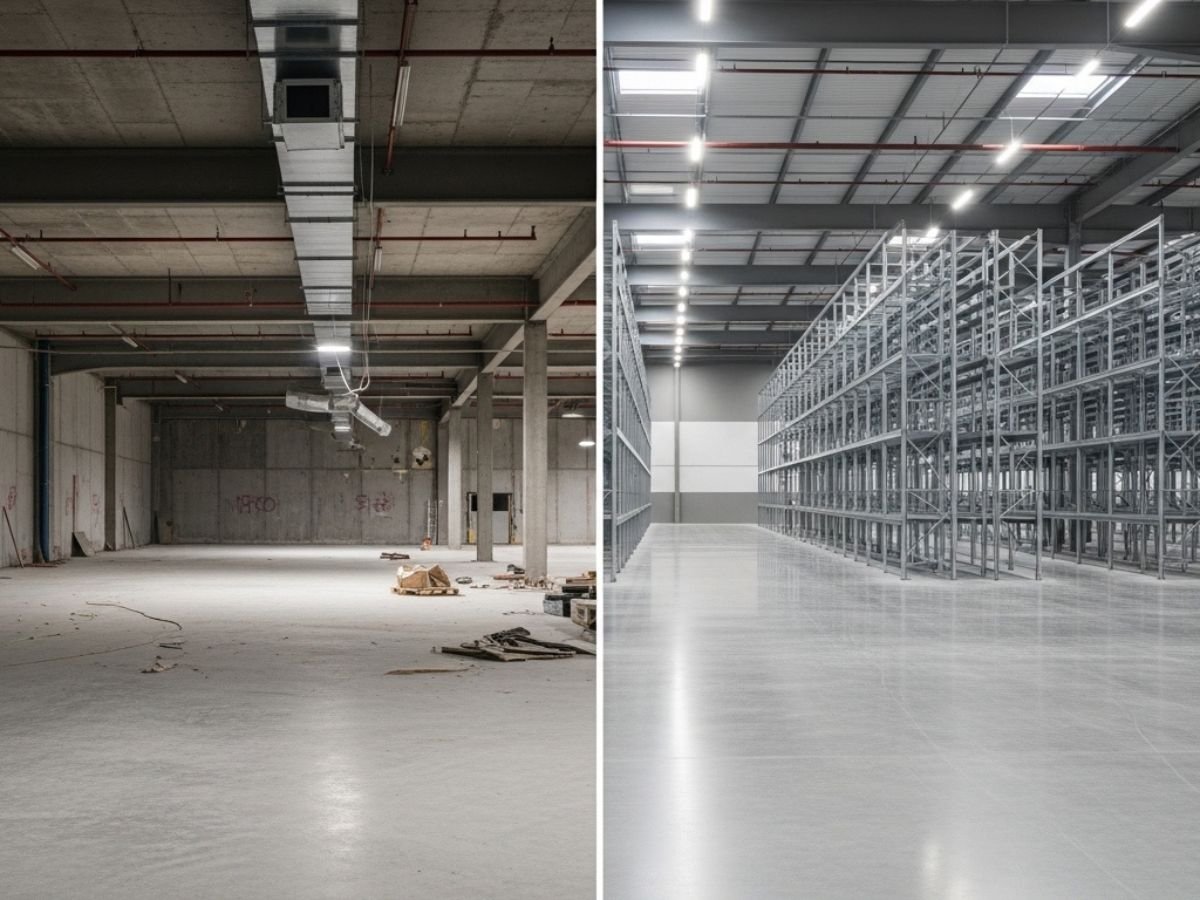
This matters more than many occupiers realise. A document can look “standard” and still be the wrong structure for the deal.
For longer warehouse occupation, capital fit-out, racking investment, and operational control, parties often prefer a proper lease because the occupier wants stronger possession rights and business certainty. A leave-and-license format may work for shorter or more flexible occupation, but it does not offer the same long-term comfort.
Why document type affects enforceability, registration, and dispute handling
If the arrangement is really a long-term warehouse occupation but the paper is drafted casually as a short-form understanding, you create trouble later. Registration, admissibility, possession rights, and dispute recovery all become harder.
For Maharashtra, this is not an area to be lazy. Agreements for letting and leave-and-license are expected to be written and registered, and leases exceeding one year raise registration issues under the Registration Act. That is why the structure should match the real commercial deal, not just the broker’s template.
When the reader should pause and get the structure reviewed
Pause immediately if:
- the term is long but the paper is treated like a casual 11-month format
- the tenant is investing heavily in racking, cold storage, automation, or MHE
- the property is on MIDC or CIDCO-linked land
- the occupier needs group company use, sub-occupation, or expansion rights
- the draft is only 3 to 5 pages and says almost nothing about operations
A badly drafted short-form warehouse paper is usually worse than a tough but clear lease.
Does the lease identify the premises precisely enough for warehouse operations?
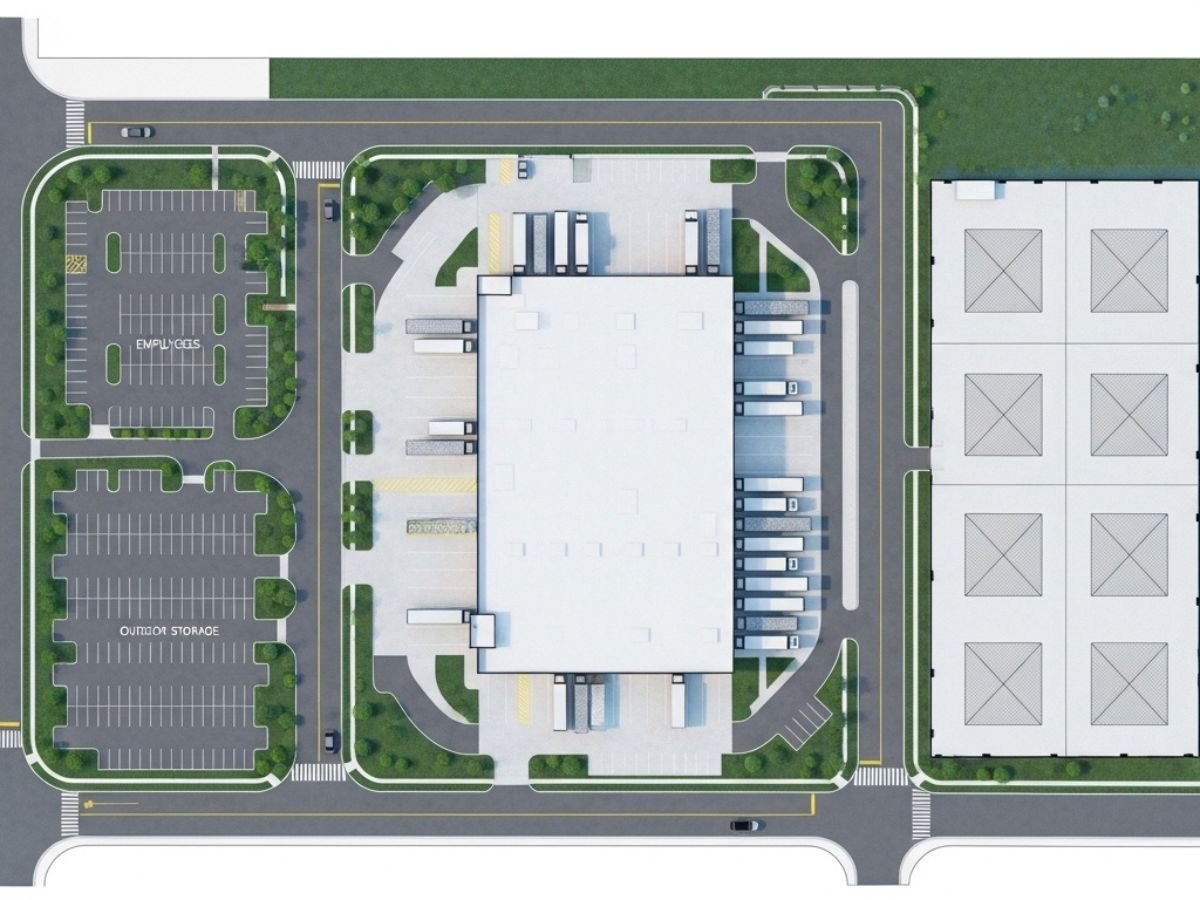
A warehouse lease should identify the premises like an operations drawing, not like a vague address proof.
Unit identity, plot number, survey details, building name, floor, and access points
The lease should mention the exact warehouse unit, building name, plot number, survey or CTS details where relevant, estate or industrial area name, and the approach or access points through which vehicles enter.
This becomes crucial in TTC-side stock, multi-unit estates, and divided compounds where one tenant thinks it leased the full front yard but later discovers that the turning area is common.
Exclusive area vs shared area vs loading/common area rights
This is where many leases fail. The document should clearly separate:
- exclusive built-up area
- exclusive office or mezzanine area
- exclusive yard if any
- common loading zone
- common internal roads
- common parking
- driver waiting or staging area if allowed
A tenant should never assume that a dock-facing apron or circulation strip is included unless the paper says so.
Attached site plan, measurements, docks, ramps, office cabin, mezzanine, yard, and parking
Attach a plan. Always.
The annexure should show:
- shutter positions
- dock locations
- ramps
- internal office cabin
- mezzanine if any
- yard use
- parking slots
- common and exclusive portions
Without an annexed plan, disputes begin with one sentence: “This area was never part of the lease.”
Does the permitted-use clause actually allow your logistics model?

“Warehouse use” is often too vague. It sounds safe, but it can become restrictive.
Storage only vs sorting, packaging, labeling, dispatch, cold chain, light processing
Many operators do more than store goods. They sort, scan, pack, label, palletise, dispatch, cross-dock, or perform 3PL value-added services. Some handle refrigerated stock. Some run light assembly or kitting.
If the lease only says “storage,” the landlord may later object to dispatch operations, labor presence, packaging lines, refrigeration equipment, or increased vehicle movement.
A better clause is activity-based. It should describe the actual business model in plain words and still stay subject to applicable zoning, sanction, and statutory permissions.
Hazardous goods, food use, pharma sensitivity, or restricted categories
Not all warehousing activity is equal. Food, pharma, chemicals, flammable stock, or sensitive goods may trigger different compliance expectations. These uses should not be hidden inside a generic clause.
If the activity is specialised, the lease should say so and should also state that the occupier’s use remains subject to applicable approvals and compliance requirements.
Why “warehouse purpose” is often too vague
Because a logistics business is not one single activity. One operator stores cartons. Another runs night dispatch with dock operations. Another needs cold rooms, DG backup, and temperature monitoring.
A vague permitted-use clause protects nobody.
Is possession linked to usable condition, or only to handing over keys?
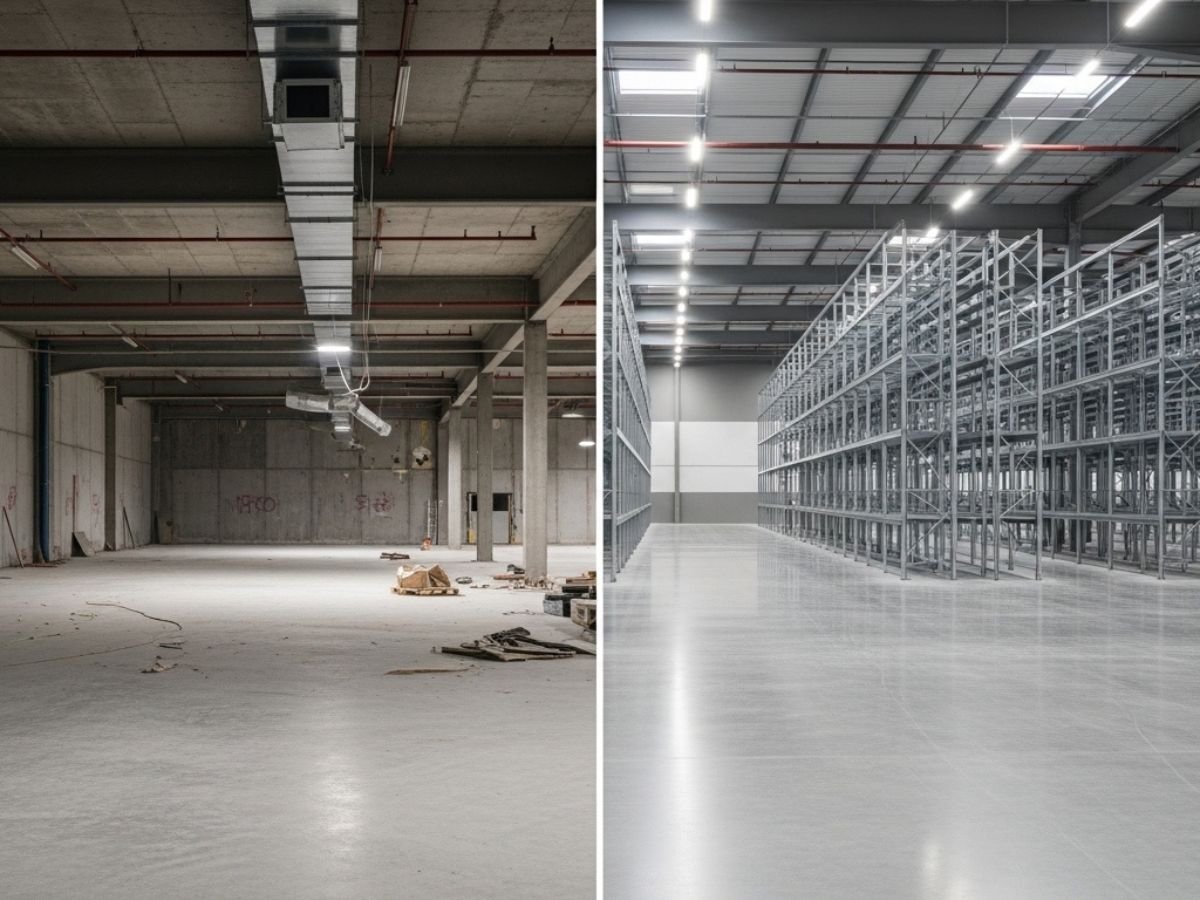
This is one of the biggest warehouse traps.
Bare possession vs operational possession
A landlord may say possession is given once keys are handed over. But a tenant needs more than keys. It needs a usable warehouse.
So the lease should distinguish:
- legal possession
- fit-out possession
- operational possession
These three are not always the same date.
OC/CC status, structural readiness, watertight roof, shutter condition, flooring, dock readiness, power and water
Before possession, ask for and verify:
- occupancy or completion-related status where applicable
- roof waterproofing and leak condition
- flooring condition and load suitability
- shutter working condition
- dock or ramp usability
- power availability and sanctioned load
- water connection and drainage
- fire readiness documents where required
In Navi Mumbai, this matters even more during monsoon and in older industrial stock where a roof that “looks fine” in April can become a problem by July.
Rent commencement date vs fit-out period vs grace period
Do not let rent start automatically on handover date unless the premises is actually usable.
A better lease separates:
- handover date
- fit-out period
- rent commencement date
For example, a tenant may get keys on Day 1, spend 15 to 30 days on racking, electricals, and fit-out, and begin rent only after that window or after readiness conditions are met.
Which money clauses usually create the biggest warehouse disputes later?
The headline rent is rarely the full story.
Base rent, escalation, lock-in, deposit, TDS, GST, CAM, taxes, utility billing
The lease should separately state:
- base rent
- escalation formula and date
- lock-in if any
- GST treatment
- TDS responsibility
- CAM
- municipal or other taxes
- utility charges
Do not allow “all other outgoings as applicable” to sit as an open-ended phrase without structure.
Separate meter, DG charges, transformer or load-related costs, restoration deductions
This is where actual leakage happens.
The lease should clarify:
- whether the tenant has a separate meter
- how common electricity is measured
- DG backup charges, if any
- who pays for load enhancement
- whether transformer, cabling, or internal distribution upgrade is landlord cost or tenant cost
- restoration standard at handover
If the property needs a new or enhanced power arrangement through MSEDCL, the lease should say who bears deposits, infrastructure charges, and internal compliance work.
Deposit refund timeline and deduction proof
“Subject to deductions” is not enough.
The lease should define:
- inspection window after handover
- refund timeline, such as 15, 30, or 45 days
- documentary proof for deductions
- set-off rights
- treatment of normal wear and tear
A warehouse tenant should also resist vague “original condition” language. “Broom clean” or “good order and repair, ordinary wear and tear excepted” is usually safer.
One bad example vs one better example
Bad lease example: Rent starts on handover date. No fit-out grace. No separate meter. No truck-rights clause. Deposit refundable “subject to deductions” with no timeline.
Better lease example: Attached possession memo. Annexed plan. Readiness checklist. CAM and utilities stated separately. Written access and loading rights. Defined deposit refund within a fixed period against documented deductions only.
Which operational rights must be written clearly for a logistics tenant?
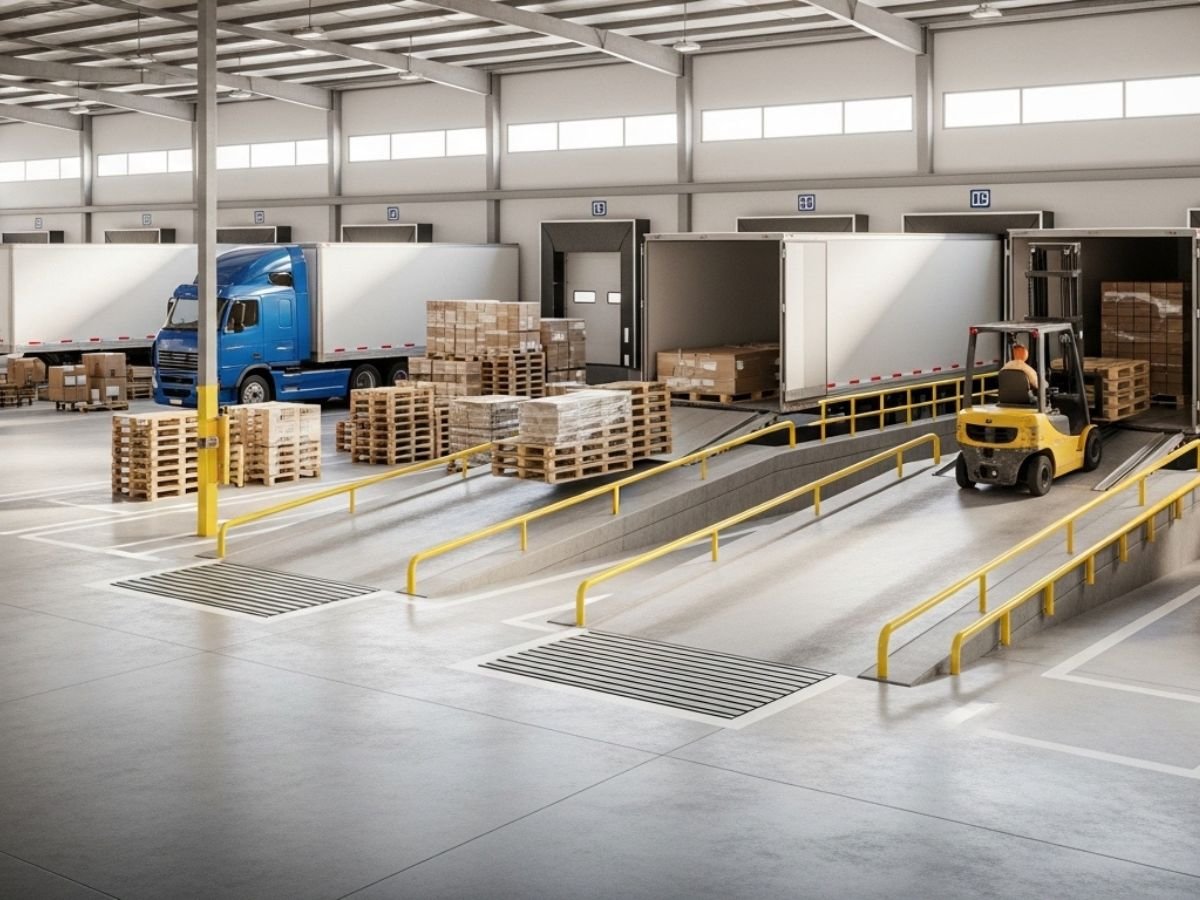
This is where warehouse leasing becomes different from office or shop leasing.
24/7 entry, labor movement, truck timing, loading windows, parking and circulation
If the tenant’s model requires late-night dispatch, shift operations, or timed inbound movement, the lease must say so.
In Navi Mumbai, heavy vehicle movement rules, local enforcement, and estate discipline can affect dispatch planning. So the lease should not casually say “tenant may use premises for warehouse purposes.” It should state whether the tenant has 24/7 access, whether labor and supervisory teams can enter round the clock, and how truck movement and loading windows are handled.
Security gate rules, signage, visitors, driver holding, common road use
These points sound small until operations begin.
The lease should cover:
- gate pass or security protocol
- visitor and contractor access
- driver waiting area if any
- signage rights
- use of internal roads
- circulation restrictions
- common area discipline
This is especially important in tighter TTC-side industrial belts, where turning radius, entry timing, and common-road use can become operational friction very quickly.
Expansion rights, extra racking, office fit-out, internet, DG, solar, refrigeration, or special equipment where relevant
If the tenant may add:
- office cabins
- mezzanine storage
- high-bay racking
- internet or telecom equipment
- DG set
- solar setup
- refrigeration or cold-chain equipment
the lease should record what is permitted, who approves it, and what stays or goes at surrender.
Who carries repairs, compliance, and authority-side risk during the lease term?
This should not be left to assumptions.
Structural repairs vs day-to-day maintenance
A clean warehouse lease usually separates:
- landlord responsibility for structural repairs, roof, slab, external walls, and major drainage
- tenant responsibility for internal upkeep, shutters, internal lighting, housekeeping, and operating systems
Because Navi Mumbai gets heavy monsoon exposure, the roof issue is not minor. If the landlord is responsible for structure, the clause should say so clearly.
Fire compliance, electrical load, insurance, statutory compliance, damage responsibility
The lease should define who is responsible for:
- building-level fire systems
- tenant-specific fit-out fire compliance
- electrical safety
- sanctioned load adequacy
- public liability
- stock insurance
- building insurance
- business interruption risk where relevant
A serious warehouse lease should also deal with damage reporting, repair timeline, and whether rent abates if operations stop due to major covered damage.
CIDCO or estate-managed permissions, sanctioned use, and no-objection issues where applicable
This is the local layer many generic articles ignore.
If the warehouse sits on CIDCO-linked land, or in an estate where leasehold or authority permissions matter, the parties should ask for and verify whether any consent, NOC, estate condition, or sanctioned-use restriction affects the tenancy.
If it is MIDC stock, subletting or subleasing permissions may matter depending on the title and occupation structure. If it is CIDCO-linked stock, transfer or permission logic may sit differently. The lease should not assume private freehold logic unless that is actually the case.
Why Panvel-side or CIDCO-linked stock may need cleaner annexures and approval trail than the broker pitch suggests
Panvel-side and larger warehouse corridors often look operationally attractive because of scale, truck handling, and logistics format. But the document pack still matters. Depending on title and authority chain, occupiers may need cleaner approval evidence, clearer handover papers, and sharper permission language than what is verbally pitched during site visits.
Can you renew, assign, sublet, shrink, expand, or exit without getting trapped?
Warehouse needs change fast. The lease should recognise that reality.
Lock-in, termination triggers, cure periods, renewal formula
A workable lease should state:
- lock-in period
- which breaches are material
- cure period before termination
- renewal option and rent reset formula
- whether notice must be given by either side
A tenant should avoid a one-sided default structure where minor operational breaches allow immediate termination.
Assignment/subletting, group company use, partial surrender, expansion first-right
For logistics groups, this is often critical.
The lease should say whether:
- group companies can use the space
- assignment is allowed with consent
- sub-occupation is allowed
- part surrender is possible
- tenant gets first right on adjoining space if it becomes available
These are not fancy clauses. They are practical growth clauses.
Default events and peaceful handover wording
The lease should also define handover and post-exit procedure. Otherwise deposit fights continue for months.
The best wording covers:
- inventory and fixture removal
- meter reading
- handover memo
- final dues reconciliation
- deposit refund timeline
- peaceful surrender confirmation signed by both sides
What documents should be attached to the lease before anyone signs?
A good lease without annexures is still a weak lease.
Property identity and approval papers
Ask for and verify, where applicable:
- ownership or leasehold chain
- allotment or title papers
- sanctioned plan
- completion or occupancy-related papers where relevant
- authority permissions affecting the tenancy structure
Utility, fire, tax, and authority papers
Also ask for:
- electricity meter details and sanctioned load proof
- water connection details
- fire compliance or readiness papers where applicable
- property tax status
- MIDC or CIDCO permission trail where relevant to the asset
Handover memo, photo record, meter record, and annexure pack
This final pack should include:
- possession memo
- dated photo record of condition
- meter readings
- list of handed-over keys, access cards, or gate permissions
- site plan
- list of common area rights and restrictions
That annexure pack often decides who wins the argument later.
Conclusion
A logistics or warehouse lease in Navi Mumbai should protect operations, not just possession. The strongest document is the one that identifies the premises properly, matches the real logistics use, links rent to usable possession, defines truck and loading rights, separates all money clauses cleanly, allocates repair and compliance risk properly, and closes the deal with a real annexure pack.
If the property sits in MIDC, CIDCO-linked, estate-managed, or leasehold-style stock, do not rely on plain private-property assumptions. Ask for and verify the title chain, permitted use position, approval trail, meter status, fire readiness, and permission logic before signing.
In simple words: if the lease does not tell you how the warehouse will run, it is not a good warehouse lease.