Who Should Buy Office Space in Airoli? A Practical Buyer Guide for Businesses and Investors
Airoli usually makes the most sense for office buyers who care about daily business function more than address show-off value. It is a strong fit for self-use companies, branch offices, process-heavy teams, and selective long-hold investors. It is a weaker fit for buyers chasing only prestige, weak-budget investors buying poor stock, or anyone assuming every Airoli office is equally safe or equally rentable.
A lot of people ask this question in the wrong way. They ask, “Is Airoli good?” The better question is, “Is Airoli the right office-buying market for my business, my budget, my team, and my risk appetite?” That is the real decision.
The answer also changes depending on what exactly you are buying. A campus-style Grade A office in a serious business ecosystem is not the same thing as a smaller strata office in an average mixed-use building. If you treat all office space in Airoli as one uniform product, you can make a very expensive mistake.
Quick Summary
Airoli is usually best for buyers who want an office that works hard every day, not just an address that sounds impressive. It suits operational businesses, IT and support functions, branch offices, and buyers who understand that commute, building quality, and tenant depth matter more than brochure language.
| Buyer type | Does Airoli usually fit? | Why |
|---|---|---|
| Self-use IT, tech support, operations, BFSI, back-office teams | Yes, strongly | Airoli works well when employee movement, process efficiency, and daily usability matter |
| SME or branch office buyer | Yes, selectively | Good for firms that want ownership stability and controlled occupancy cost |
| Professional services firm | Sometimes | Works better when meetings are planned, not when pure prestige image drives client conversion |
| Long-hold office investor | Sometimes to yes | Better when the building is strong and the entry price, tenant quality, and exit logic are sensible |
| Small-ticket investor buying weak strata stock | Often no | Low ticket size can hide weak leasing strength, poor upkeep, and weaker resale depth |
| Status-led buyer | Usually no | Airoli is more enterprise-driven than prestige-driven |
| Quick-flip buyer | Usually no | Transfer friction, exit limits, and building-specific liquidity make short-term thinking risky |
Which kinds of businesses actually benefit from owning an office in Airoli
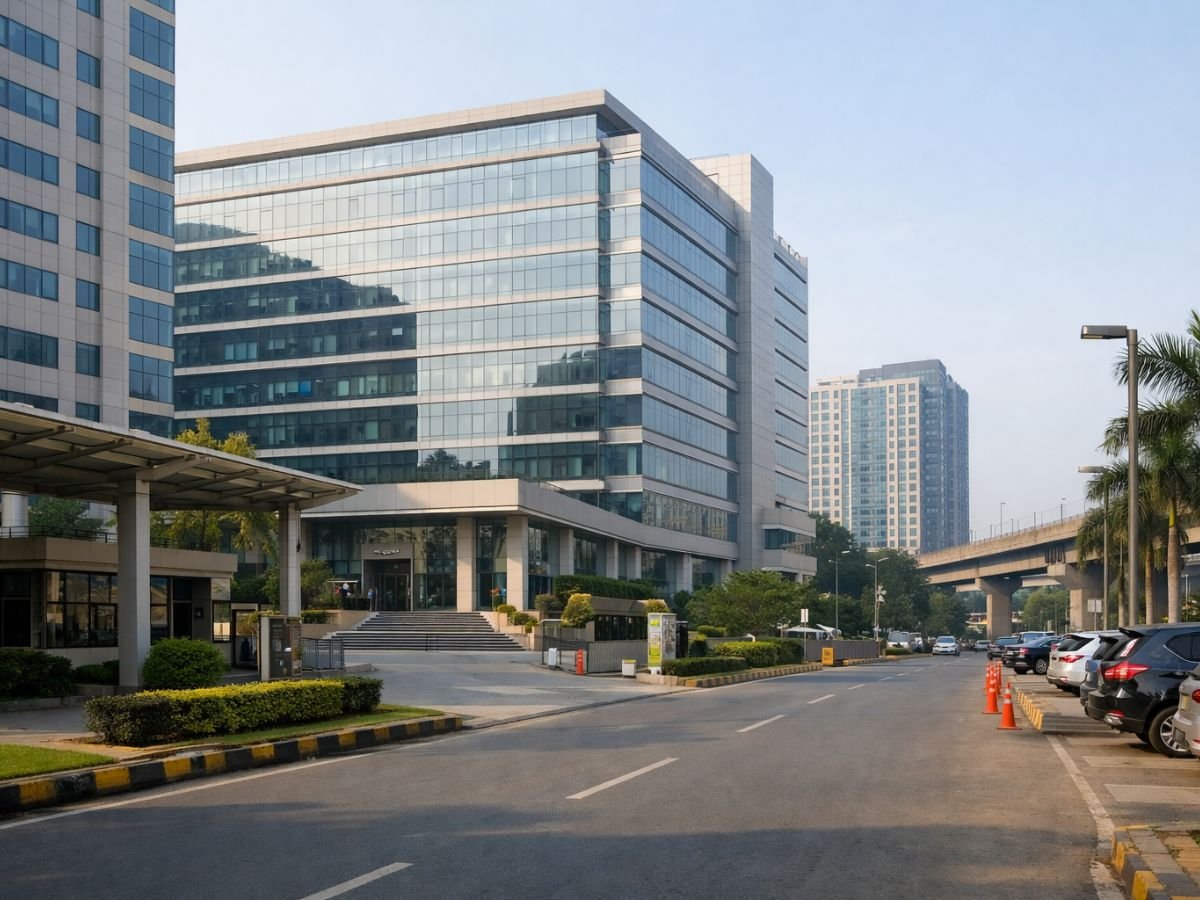
The strongest buyers in Airoli are not random office buyers. They are businesses whose office use is practical, repeatable, and team-dependent.
IT, tech support, back office, BFSI, and process-driven teams
This is one of the clearest fit categories. Airoli’s office demand is heavily influenced by IT, GCC, tech, and process-driven occupiers. That means ownership works better here for companies that value working infrastructure, commuter practicality, and a location already understood by office users.
A 25-person back-office, a compliance team, a tech support function, or a process-led BFSI team can often justify buying in Airoli more easily than a business that depends on a premium public-facing address. For such buyers, the office is not a status symbol. It is a daily operating base.
SMEs and branch offices that need cost control more than address prestige
Many growing firms reach a stage where rent stops feeling flexible and starts feeling irritating. That is when self-use ownership becomes attractive. Airoli can suit these buyers well, especially when the company expects to remain in the same catchment for years and wants control over layout, branding, security, technology setup, and occupancy cost.
This is especially true for firms that do not need flashy frontage but do need a stable work environment. Airoli is often more useful than glamorous for this type of buyer. And in office property, useful often wins.
Professional firms that value access and daily usability
Some consulting, finance, design, engineering, compliance, and appointment-led service firms can fit here too. But they should be honest about how clients experience the office.
If most meetings are planned and the office mainly serves team operations, Airoli can work well. If first-impression address value is a major part of the sale, the fit becomes weaker. The node is business-practical, not universally prestige-led.
Businesses that may like Airoli but still should not buy there
Liking the area is not enough. Airoli is usually a weak fit for businesses that:
- depend heavily on prestige image
- require strong walk-in commercial identity rather than office ecosystem
- have uncertain team size over the next few years
- do not actually draw staff from the Thane–Navi Mumbai catchment
- want “investment” language more than operational clarity
That is where many office mistakes begin.
Is Airoli better for self-use buyers or for pure investors
If the comparison is honest, Airoli is often easier to justify for self-use buyers than for blind passive investors.
When self-use buying makes sense
Self-use buying makes sense in Airoli when the business has stable office demand, wants layout control, expects to stay for years, and values employee convenience more than rental flexibility. In such cases, the office becomes part of the business system, not only part of the balance sheet.
This is where Airoli can be very strong. A practical office location with a serious work ecosystem can create long-term comfort for the business owner in a way that generic “prime location” language never explains.
When investment buying makes sense
Investment buying can work here, but only selectively. Broad gross rental yields can look attractive on paper, but they depend heavily on building grade, micro-location, and tenant covenant. That means yield should be treated as a starting point for analysis, not the conclusion.
An investor fit exists when:
- the building is strong
- the rent is realistic
- the tenant is credible
- the lock-in is meaningful
- the exit is still sensible after taxes, CAM, and transfer friction
The wrong investor fit is someone who sees a brochure yield and stops thinking.
When leasing may be smarter than buying
Leasing may be smarter if the business:
- is still testing Airoli
- may expand or shrink quickly
- wants lower capital lock-in
- is not ready to spend on fit-out
- values flexibility more than ownership certainty
That is not a weak decision. It is often the correct one. Airoli rewards fit-based buying, not emotional buying.
| Decision route | Usually makes sense in Airoli when... | Usually becomes weaker when... |
|---|---|---|
| Self-use purchase | Team size is stable, office use is long term, and control matters | The business may change size or location soon |
| Investment purchase | Building quality, tenant quality, and pricing discipline are all strong | Buyer is only chasing brochure yield |
| Lease instead of buy | Business wants flexibility and lower capital lock-in | Company is already sure about long-term occupation and office type |
What kind of investor is actually suited to Airoli office space
Not every investor who likes commercial property is suited to Airoli office space. The right investor here is patient and selective.
Yield-focused investor
A yield-focused investor can fit Airoli, but only if the yield is real. Pre-leased offices can look safer than they really are. A short lock-in, inflated rent, weak tenant covenant, or subsidy-driven lease can make the “income product” much weaker than it appears.
This is why one of the smartest questions in a pre-leased deal is not “What is the lease tenure?” but “How much real lock-in is left, and is the rent sustainable?”
Long-hold investor
This is usually the better investor profile for Airoli. Transfer friction and the revised commercial transfer-charge environment materially affect exit math, especially for larger commercial assets. In practical terms, this means short-term flipping becomes less attractive, while long-hold yield strategy becomes more logical.
Small-ticket investor in strata office
This is where caution rises sharply. A lower ticket size can make a buyer feel safe, but weak strata stock often comes with weaker leasing demand, poorer maintenance, compromised office image, and harder resale. A cheap office is not always a safe office.
This is one of the most common Airoli mistakes: confusing low entry price with low risk.
Institutional or larger-ticket buyer
Larger-ticket buyers usually do better in strong, managed office ecosystems. Professionally managed office parks and integrated business environments behave very differently from smaller fragmented stock.
> Caution box: A leased office is not automatically safer than a vacant office. A poorly leased office with a weak tenant, inflated rent, or short remaining lock-in can be riskier than a vacant office in a stronger building with better long-term occupier demand.
Which office formats in Airoli suit which buyer types
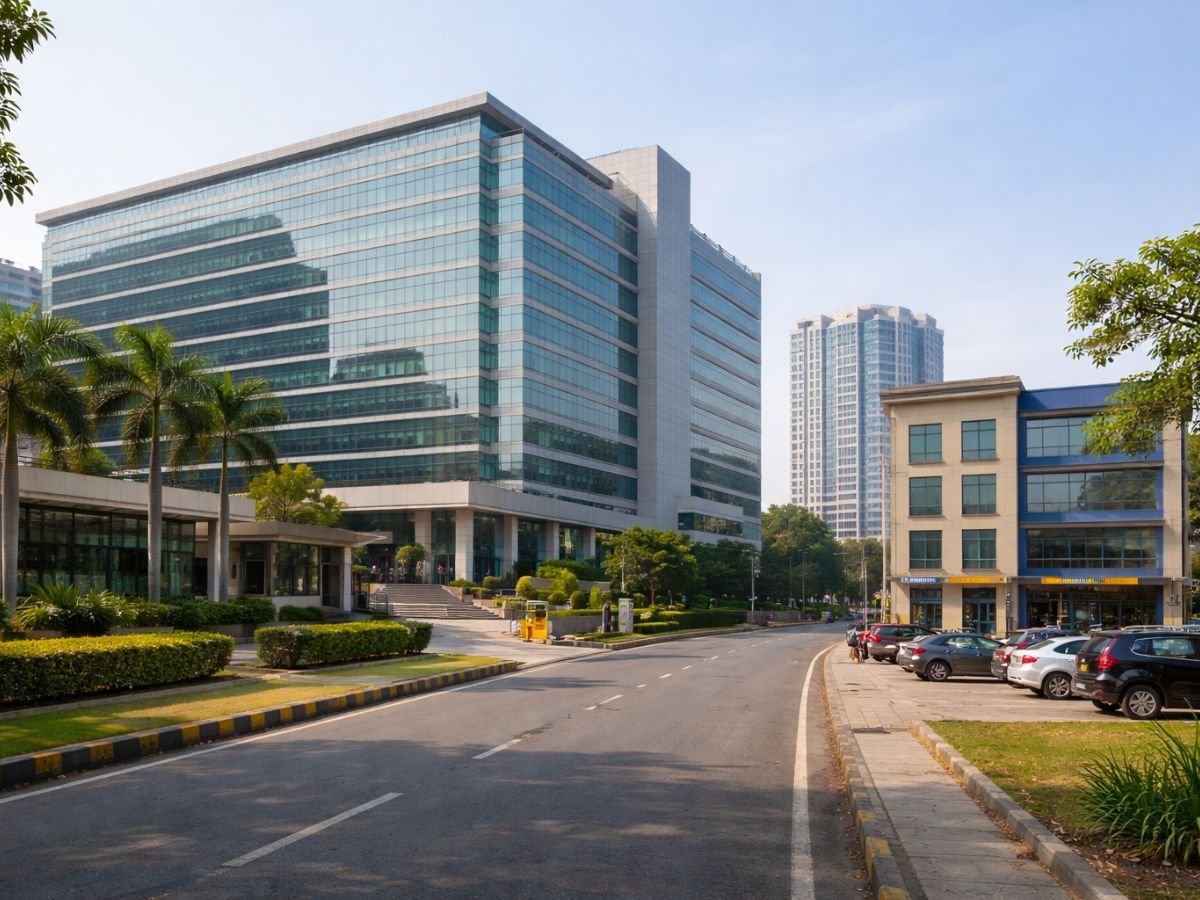
The format of the office often matters more than the location name itself.
Campus-style Grade A office stock
This is usually the strongest fit for:
- serious self-use companies
- long-hold investors
- larger occupiers
- buyers who care about office ecosystem, maintenance, and tenant appeal
Airoli’s stronger institutional office environments usually give the buyer a better chance of long-term leasing resilience, stronger occupancy quality, and better exit credibility.
Smaller strata offices
These can work for smaller firms, professional users, and selected budget-sensitive buyers. But they need more scrutiny. The buyer should inspect not just the unit but the full building story: common areas, lift quality, parking reality, occupancy mix, and how the property feels in working hours.
Weak strata stock is where “affordable” can quietly become “difficult.”
Ready-to-use fitted units vs shell units
A fitted office can suit buyers who want speed and lower immediate execution burden. A shell or warm-shell unit suits buyers who want control.
That control matters more than many first-time buyers realize. Fit-out costs in the Mumbai–Navi Mumbai region can be high enough to materially change budgeting, break-even timing, and the purchase decision itself.
Large floor plate vs compact unit
Large floor plates suit businesses that want contiguous space, tighter control, and stronger internal identity. Compact units suit smaller occupiers and selective investors. But compact does not automatically mean liquid, and large does not automatically mean efficient. The building ecosystem still decides a lot.
Does staff commute make Airoli a good buying decision for you
Yes, very often. For the right buyer, commute logic is one of Airoli’s strongest advantages.
When Thane-side and Navi Mumbai-side catchment helps
Airoli’s value rises when your staff base naturally pulls from Navi Mumbai and the Thane side. That is why the node works especially well for enterprise-style office users.
For employers, that is not a small advantage. It affects hiring comfort, retention ease, attendance friction, and whether the office remains practical after year one.
When daily access becomes a weakness
Commute logic fails when:
- your team is not actually from the right catchment
- the office is inside a weaker internal micro-location
- access roads and last-mile movement are worse than expected
- parking is inadequate for the office type
- the building is office-usable on paper but frustrating on the ground
That is why buying by Google Maps alone is risky.
Why station access and road access change office usability
Office buying fails when buyers ignore daily usability. A building can be legally clean and visually impressive but still feel wrong if access is awkward, arrival is frustrating, or employee movement is painful.
Before buying, visit the building during working hours. See how it behaves, not how it sells.
Who should avoid buying office space in Airoli even if the market looks attractive
Some buyers should simply step back.
You should usually avoid buying office space in Airoli if you are:
- buying only because the node sounds like an IT hub
- choosing weak stock just because the ticket size feels affordable
- buying for prestige optics rather than operational fit
- unable to absorb vacancy, lease reset, or fit-out pain
- assuming every leased office is safe
- planning a quick flip without understanding exit friction
Strong practical content should protect the reader, not just encourage action.
What usually separates a good office buy in Airoli from a bad one

A good office buy in Airoli is not just about rate per square foot. It is usually about whether the asset works after the sale.
Building quality and management
Power backup, common areas, access control, lift condition, maintenance discipline, and facility behaviour all affect occupier comfort and re-leasing ease. These are not small details. They directly shape how “institutional” the asset feels.
Occupancy profile and tenant depth
A building full of serious office users is a different product from a building with weak or unstable occupancy. A leased Grade B or Grade C office is not automatically better than a vacant Grade A office.
Parking, access, and common area quality
These are practical filters, not cosmetic ones. They affect team satisfaction, visitor experience, and future leasing strength.
Fit-out burden and hidden cost
Even a good office can become a weak buy if the buyer underestimates:
- fit-out cost
- reinstatement cost
- CAM burden
- downtime drag
- tax impact during vacancy
Exit ease and re-leasing practicality
Always ask this hard question: if this office stops working for me, who is the next likely buyer or tenant?
If the honest answer is unclear, the purchase deserves more caution.
Airoli vs other nearby office choices: when Airoli wins and when it does not
Airoli should be chosen because it fits, not because it must “beat” every nearby market.
Airoli vs Vashi
Airoli usually wins when office functionality, employee movement, and enterprise-use logic matter more than broader commercial familiarity. Vashi may win when the business needs a more mixed, public-facing commercial environment.
Airoli vs CBD Belapur
Airoli is often stronger for process-led office users and business-park style office logic. CBD Belapur may suit some firms better when administrative or institutional ecosystem matters more.
Airoli vs leasing on the Thane side
For some companies, Airoli ownership makes more sense than Thane-side leasing. For others, leasing near the team base may still be smarter. This is why rates alone are a weak decision tool. Fit matters more than headline price.
Before buying office space in Airoli, what should you verify on paper and on site
This section matters because bad office deals often happen not from one huge mistake, but from five ignored small ones.
Title, approvals, sanctioned use, and occupancy status
Verify:
- title chain
- sanctioned commercial use
- occupancy status
- building documentation
- whether the land or asset falls under CIDCO-linked or MIDC-linked rules, and what that means for use and transfer
MahaRERA check if under-construction
If the office is under construction or recently completed, MahaRERA verification is not optional. It helps the buyer test whether the construction-side story is legally and operationally credible.
IGR Maharashtra valuation context
Use the Ready Reckoner correctly. It is a statutory baseline for stamp-duty purposes, not proof of actual transacted market value. That distinction matters.
Society or building-level operational checks
On paper is not enough. Visit the asset and inspect:
- common areas
- lift condition
- building occupancy feel
- access flow
- parking practicality
- whether the asset actually behaves like working office stock
Due diligence checklist before buying an Airoli office
- Confirm whether the purchase is for self-use, investment, or both
- Check whether the building is serious office stock or weak fragmented stock
- Verify sanctioned commercial use and authority-side context
- If leased, read the registered lease deed closely
- Separate lease tenure from lock-in period
- Check whether the current rent is realistic for the building and micro-location
- Estimate fit-out or reinstatement cost honestly
- Account for NMMC commercial property tax and CAM in real calculations
- Treat ready reckoner as a statutory floor, not the market truth
- Check whether MIDC zoning rules affect tenant eligibility
- Ask who will buy or lease this office after you
- Do not buy only because the brochure says “IT hub” or “assured income”
Conclusion
Airoli is usually a strong office-buying market for function-first buyers. It suits self-use businesses, branch offices, process-led teams, and selective long-hold investors better than it suits image-led, speculative, or careless buyers. That is the clearest answer.
The best-fit buyers are:
- self-use firms with stable office demand
- IT, support, BFSI, and operations-heavy teams
- businesses drawing staff from the Navi Mumbai–Thane catchment
- investors buying stronger office formats in credible office ecosystems
- buyers who understand the difference between a good building and a merely saleable one
The poor-fit buyers are:
- prestige-led buyers
- quick-flip buyers
- weak-budget investors chasing only headline yield
- buyers ignoring fit-out, tax, lock-in, or transfer friction
- anyone treating Airoli as one uniform office market
If the office is in a strong building, works for your team, still makes sense after taxes and fit-out, and remains sensible on exit, Airoli can be one of the more practical office-buying decisions in Navi Mumbai. If those things do not line up, the smarter move is to wait, compare more carefully, or lease instead.
FAQs
Frequently Asked Questions