

Who should buy property in Vashi?
Vashi is best for families who want daily convenience, professionals who value commute efficiency, and legacy residents who already have roots, familiarity, and long-term comfort in the area. But it is not the right buy for everyone. If you want brand-new inventory, very large modern layouts, township-style amenities, or lower entry pricing, Vashi can feel expensive, older, and sometimes frustrating despite its strong address value.
Vashi is a mature-node decision, not a hype-market decision. People do not usually buy here because it is the newest part of Navi Mumbai. They buy here because life works smoothly. The station is close, the highway logic is strong, schools and hospitals are established, markets are active, and the area already functions like a complete urban ecosystem. The catch is simple: much of the housing stock is old, parking can be a headache, and the premium you pay is mostly for convenience, not for newness.
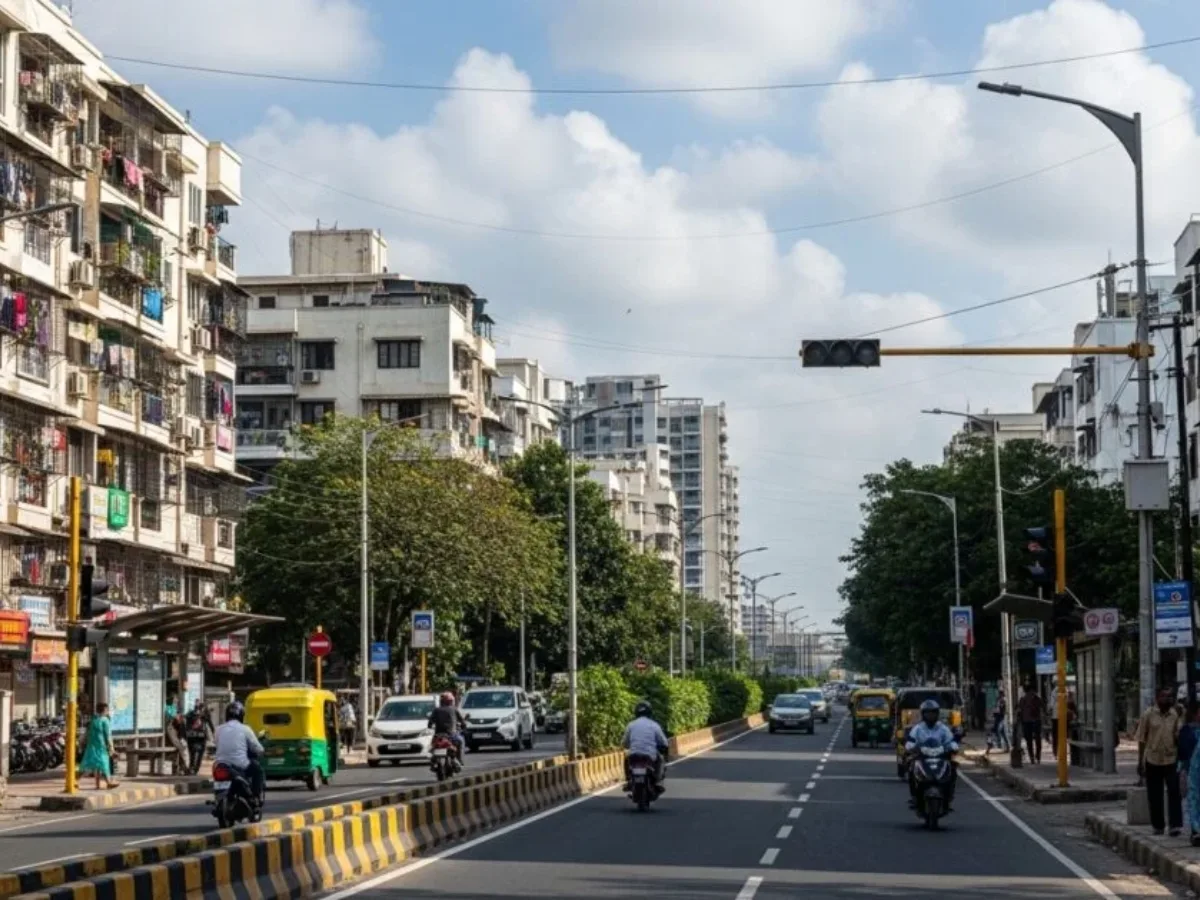
Who should actually buy in Vashi, and who should think twice?
| Buyer profile | Fit in Vashi | Why |
|---|---|---|
| Families focused on daily convenience | Strong fit | Schools, hospitals, station access, markets, and established sectors make everyday life easier |
| Working professionals with Mumbai or Navi Mumbai commute needs | Strong fit | Harbour Line, highway access, and Atal Setu route logic make Vashi unusually efficient |
| Legacy residents and long-rooted Vashi families | Strong fit | Social roots, local familiarity, and possible redevelopment logic can make staying very sensible |
| Investors chasing only rental yield % | Conditional fit | Rental demand is strong, but high capital values can compress percentage returns |
| First-time buyers on limited budget | Weak fit | Entry price is high, stock is often older, and better size-to-price value exists in other nodes |
| Buyers wanting brand-new township lifestyle | Weak fit | Vashi is mature and practical, but not a large-format new township market |
Why Vashi gives a different answer from newer Navi Mumbai nodes
Vashi cannot be judged like Ulwe, Taloja, or even many newer parts of Panvel. Those markets are often bought on future promise. Vashi is bought on present utility.
Established convenience vs newer-project appeal
In newer nodes, buyers often accept weaker current livability because they expect future infrastructure, better appreciation, or newer building formats. In Vashi, buyers do the opposite. They accept older stock because the social and civic ecosystem is already in place.
That difference changes everything. A newer project in Kharghar may offer a grand lobby, clubhouse, larger podium, and newer planning. But a Vashi resident may be walking to essential retail, reaching the station faster, accessing Fortis Hiranandani or major medical support quickly, and cutting daily friction in ways that are difficult to replicate in newer launch corridors.
Older building stock vs mature daily-life ecosystem
| What Vashi gives | What Vashi often does not give |
|---|---|
| Immediate livability | Uniformly modern inventory |
| Strong transport logic | Easy parking in many old sectors |
| Mature social infrastructure | Large new layouts at reasonable rates |
| Business and station utility | Resort-style amenities |
| Deep local familiarity | “Fresh project” feel |
Are families the strongest fit for Vashi today?
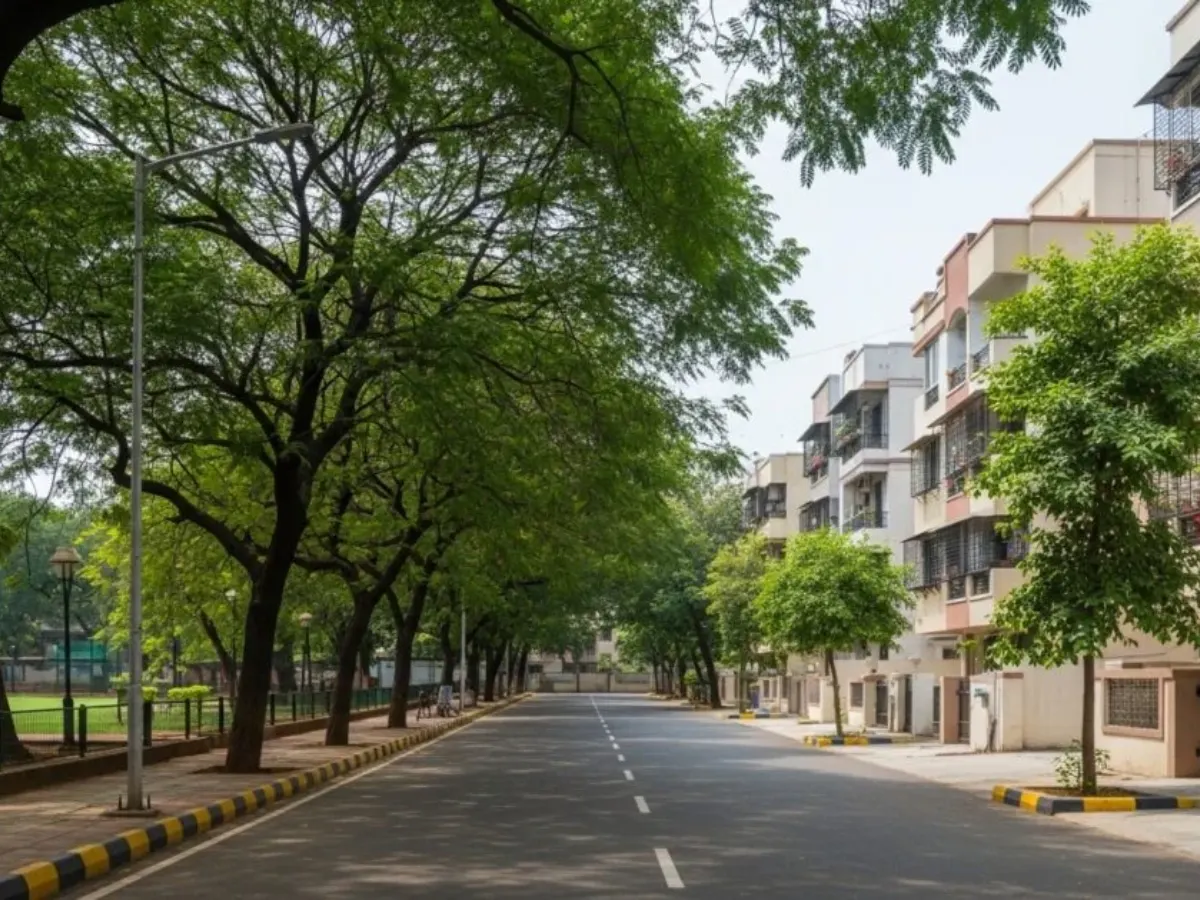
Families are one of the strongest fits for Vashi, but only when the sector, building condition, and budget are aligned. The Vashi label alone is not enough.
Which family profiles match Vashi best
Vashi works especially well for families that want school access, hospital access, practical roads, markets, and lower daily dependence on long vehicle trips. If both parents work, or if grandparents live with the family, Vashi becomes even more attractive. The value is not glamorous. It is logistical.
A family living in a quieter residential pocket can realistically benefit from nearby schools, fast access to healthcare, and better everyday convenience than many newer nodes. In real life, that matters more than brochures.
Family-fit checklist
Vashi usually makes sense for families who:
- want established schools and medical support nearby
- value station and highway access
- prefer mature daily infrastructure over flashy amenities
- have budget for an older but better-located home
- are comfortable doing deeper building-level due diligence
When families may outgrow Vashi or overpay for it
Vashi becomes a weaker family fit when the household wants a bigger modern home, more parking certainty, larger children’s play zones, or premium internal amenities. Some families also overpay because they buy the Vashi name without checking the exact society condition.
A practical example: a family with one child, working parents, and aging parents may benefit greatly from Vashi. But a younger family wanting a large 3 BHK with multiple cars, podium play area, and newer construction may get better overall value in Seawoods, parts of Kharghar, or selected newer nodes depending on budget.
Does Vashi make practical sense for working professionals?
Yes, Vashi makes very practical sense for many working professionals, especially those who value time more than carpet size. This is one of the clearest reasons to buy in Vashi.
Best-fit professionals by commute pattern
Vashi is particularly strong for:
- professionals commuting to South Mumbai under typical road conditions through Atal Setu
- people travelling to BKC or Lower Parel using premium bus routes or combined rail-road logic
- professionals working in Navi Mumbai’s business belts who want highway and station flexibility
- hybrid workers who still need fast city access a few times a week
The biggest advantage is not just raw distance. It is reduced commute friction. Vashi sits at a point where Harbour Line access, highway connectivity, and the psychological shift created by the Atal Setu all work together.
A realistic example: a mid-level executive working in BKC may find Vashi far more practical than deeper nodes because the road journey is more manageable and the working day feels less consumed by commute stress. That kind of value is hard to measure on a listing page, but it affects daily life heavily.
When professionals should rent first instead of buying
Not every professional should buy in Vashi immediately. If your job location may change, if you are still mobile in career terms, or if you are not sure whether Vashi’s older housing stock suits your lifestyle, renting first is smarter.
This matters because Vashi can look perfect on paper but feel dated in building-level reality. A professional who wants sleek new towers, multiple amenities, and easier long-term flexibility may be better off renting in Vashi first or buying elsewhere after testing actual commute habits.
Why Vashi may still make the most sense for legacy residents
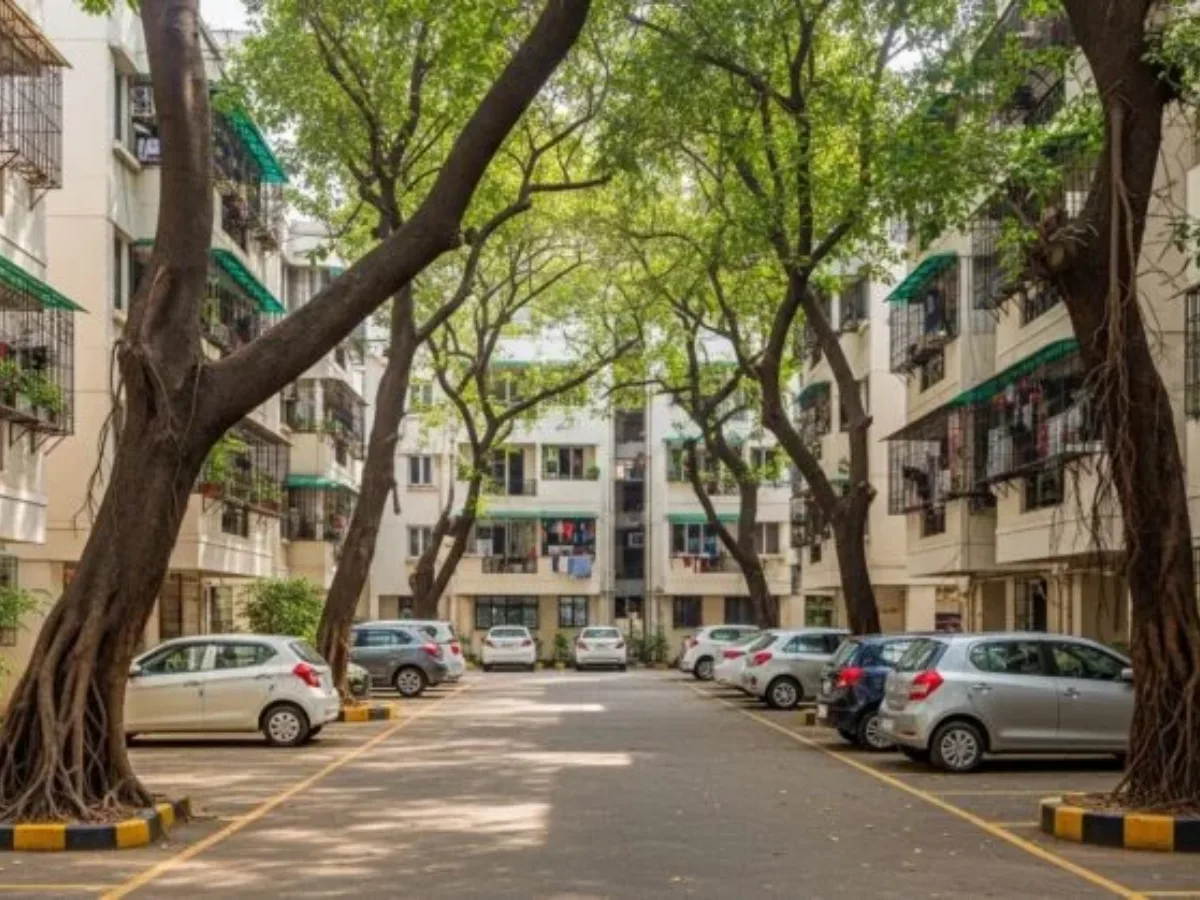
Legacy residents are where Vashi becomes emotionally and financially interesting. This is also where generic property portals usually fail to give a proper answer.
Staying because of roots vs staying by default
For long-time Vashi families, the area is not just a node. It is a social system. Schools are known, local vendors are trusted, healthcare habits are set, relatives may live nearby, and the family knows how the area works sector by sector. That familiarity has real value.
But staying only because “we have always lived here” is not always wise. If the building is deteriorating, society consensus is weak, and maintenance issues keep rising, then emotional comfort can turn into inertia.
When an existing Vashi family should upgrade within Vashi
Staying and upgrading within Vashi makes sense when the family still depends heavily on the node’s practical benefits. That could mean children in local schools, business connected to Vashi or APMC-side commerce, older parents dependent on familiar hospitals, or a strong commute reason.
It also makes sense when the household wants to retain roots while shifting from cramped older stock into a better-maintained resale or upgraded pocket within Vashi itself.
When a legacy resident should monetise and shift elsewhere
A legacy resident should seriously think of selling and shifting when the building has weak redevelopment progress, parking is unbearable, internal society politics are blocking decisions, or the family’s actual lifestyle now needs larger newer space.
Here the decision is not anti-Vashi. It is pro-reality. If the family can monetise a prime but aging asset and move into a better-planned home in a nearby node without major daily-life loss, that can be the smarter move.
Decision box
A legacy resident should usually stay in Vashi if:
- the family still depends on local social and practical networks
- the society has realistic redevelopment movement
- the location continues to reduce daily friction
A legacy resident should consider exit if:
- the building condition is worsening without a clear plan
- family size and parking needs have outgrown the property
- maintenance burden is rising faster than actual livability
Which parts of Vashi suit which buyer type better?
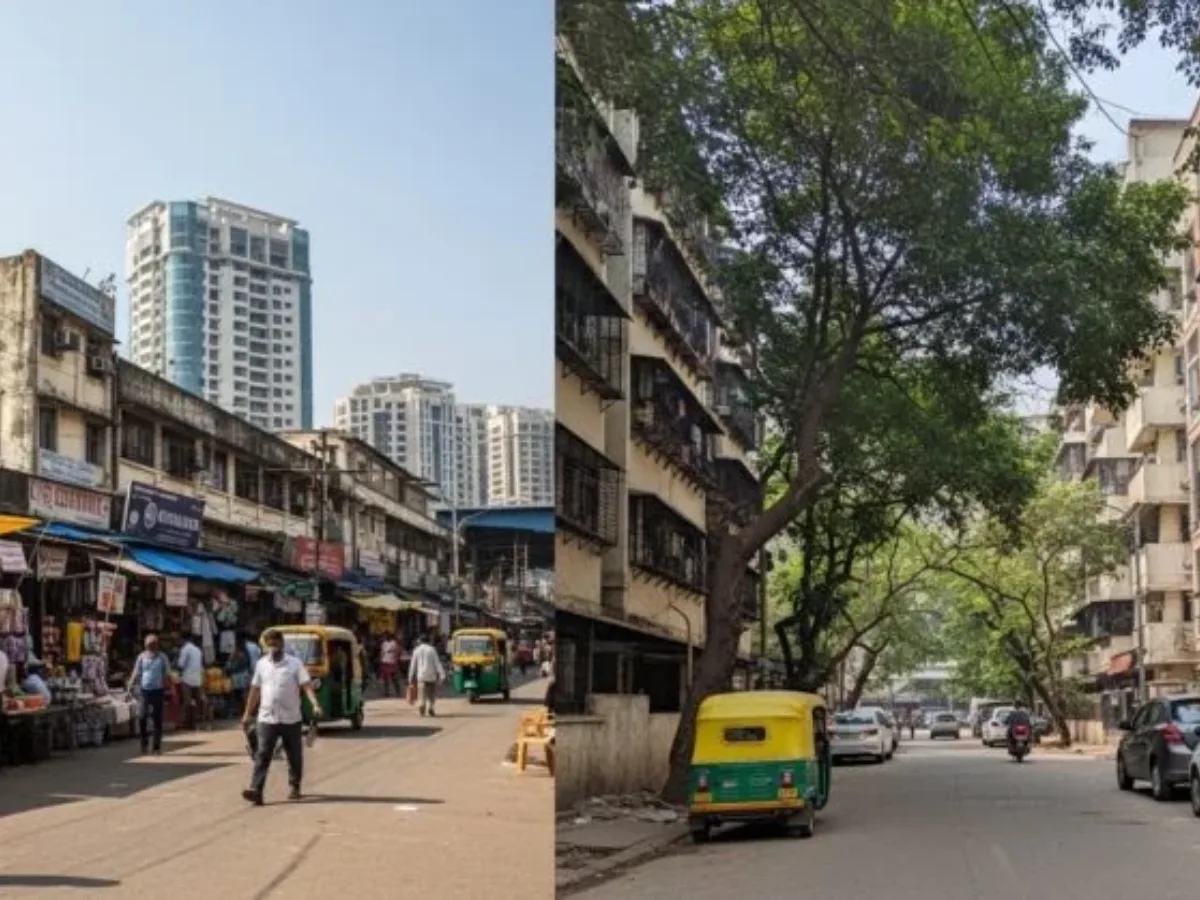
Vashi is not one single experience. One sector can feel heavily commercial and noisy, while another can feel far more settled and residential.
Station-and-market influence belts
Areas around major station and market influence zones, including older busy pockets and eastern commercial influence areas, are useful for people who want maximum access and do not mind density, traffic, or noise. These areas often work better for professionals, business-linked households, and some renters than for families wanting quiet residential comfort.
Quieter residential pockets
Residential sectors such as 14, 16, 28, and 29 are often better for families and long-term self-use buyers. Wider internal roads, calmer layouts, parks, and a more residential feel matter a lot in Vashi because the contrast with busier sectors is real.
Premium-side logic near Palm Beach influence zones
| Vashi micro-location type | Best suited for | What to watch |
|---|---|---|
| Station and busy market belts | Professionals, business-linked households, some renters | Noise, parking stress, crowd density |
| Quieter inner residential sectors | Families, long-term self-use buyers, some retirees | Building age still matters |
| Premium influence zones near Palm Beach side | Higher-budget self-use buyers, status-conscious households | High pricing, selective inventory |
How much does building age change the buying decision in Vashi?
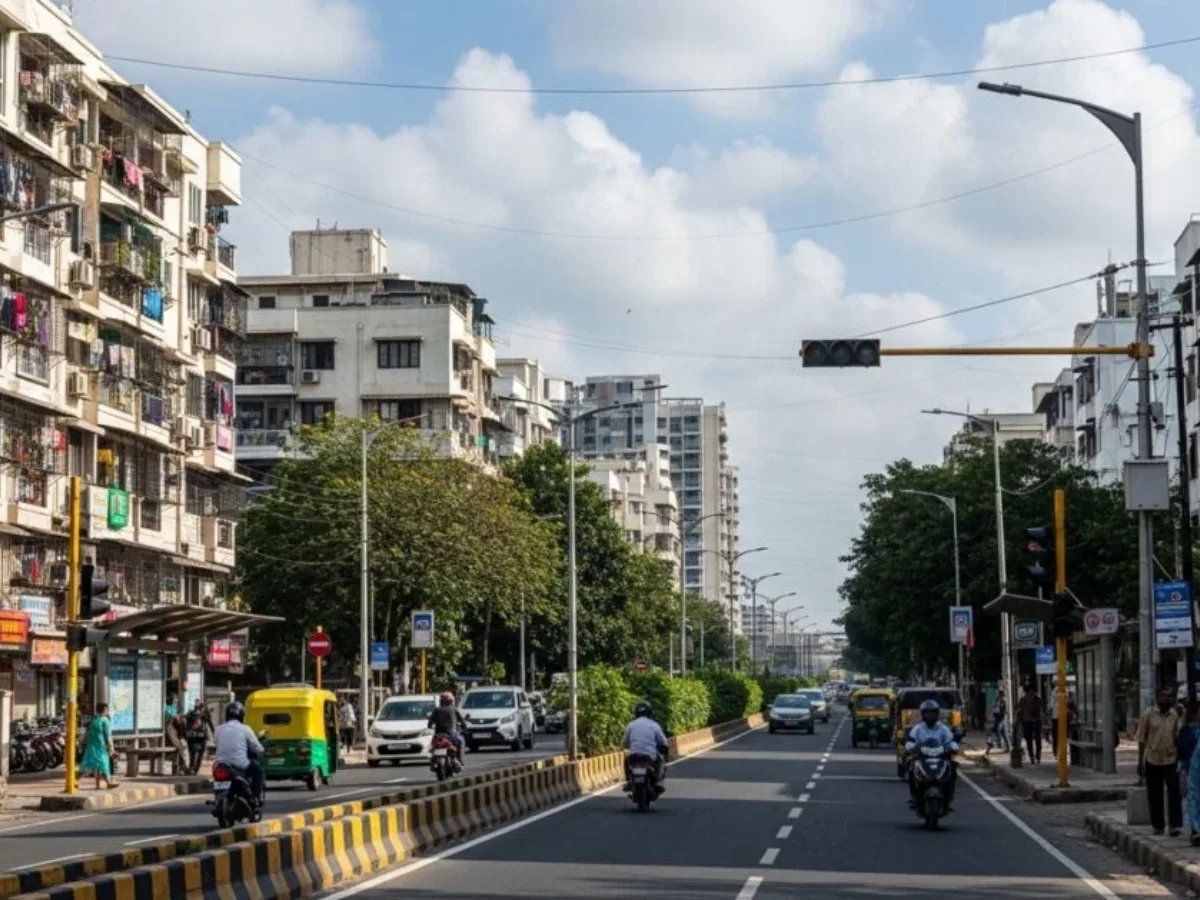
In Vashi, building age changes the decision massively. In some cases, it matters as much as the sector itself.
Older CIDCO and co-op stock
A large share of Vashi’s housing stock is old. That does not automatically make it a bad buy. Some older buildings are very well maintained and still work well for self-use. But buyers have to go beyond interior appearance.
Check structural condition, society maintenance quality, plumbing, lift status, parking, leakage history, society finances, and whether the building has any structural audit concerns. A freshly renovated flat inside a poorly maintained building can still become a difficult purchase.
Renovated resale societies
This is often where Vashi gives the best balanced outcome. A well-maintained resale society in a strong micro-location can deliver far better practical value than a weaker but newer-looking option elsewhere. But due diligence is non-negotiable.
Limited newer or upgraded inventory and what premium it commands
Newer or meaningfully upgraded inventory in Vashi is limited, which is why it often commands a steep premium. Buyers sometimes assume that paying more within Vashi automatically solves all old-stock issues. It does not. You still need to verify legal status, society quality, parking, and long-term maintenance logic.
Caution box
Before buying an older Vashi flat, check:
- whether the property is still leasehold or has moved toward freehold status
- whether society records and transfer history are clean
- whether there is any structural audit concern
- whether parking is actually available, not just verbally promised
- whether redevelopment talk is real or just years-old discussion
This is also where CIDCO, IGR Maharashtra, and document-level checks become relevant. In older Vashi stock, paperwork quality can materially affect resale ease and future cost exposure.
Is Vashi worth buying for self-use, or better only for people with existing roots there?
| Buyer type | Does Vashi make sense? | Core reason |
|---|---|---|
| Newcomer with strong commute priority | Yes, often | Time-saving and urban convenience can justify the premium |
| Newcomer seeking lifestyle value and space | Often no | Better size and newer stock available elsewhere |
| Existing Vashi-rooted family | Yes, often strongly | Daily life, networks, familiarity, and retention logic are strong |
| Buyer with emotional and practical reasons combined | Yes | Vashi works best when both logic and familiarity support the decision |
For insiders, Vashi’s value is easier to feel. For outsiders, it can look overpriced unless commute or location convenience is truly central to their life. So the answer is not “only existing roots.” It is “existing roots make the Vashi premium easier to justify.”
Who should avoid buying in Vashi even if the address sounds strong?
Some buyers should be careful even if Vashi sounds prestigious.
Avoid buying in Vashi if you want a large new flat with a big clubhouse and lifestyle amenities for the same budget. Avoid it if your family has multiple vehicles and you are relying on older sectors with unclear parking. Avoid it if you are a first-time stretched buyer who mainly wants maximum square footage and lower monthly pressure. Avoid it if you are buying only because you assume redevelopment will happen quickly and make you rich.
Also be cautious if you are highly sensitive to mixed-use density. Parts of Vashi are active, commercial, and busy. That energy is useful for some people, but tiring for others.
Final verdict: which buyer profile gets the best value from Vashi?
| Buyer profile | Verdict | Final view |
|---|---|---|
| Families | Best fit when sector and building are chosen carefully | Strong choice for school-hospital-daily convenience households |
| Working professionals | Best fit | One of Navi Mumbai’s strongest practical nodes for commute-led self-use |
| Legacy residents | Best fit or strong conditional fit | Excellent where roots, redevelopment logic, or family continuity are real |
| Budget-led first-time buyers | Poor fit | Better value usually exists in other nodes |
| Amenity-first modern lifestyle buyers | Poor fit | Vashi is mature and practical, not a township-style lifestyle market |
| Pure yield-chasing investors | Conditional fit | Good demand, but high entry values reduce the simplicity of the case |
Conclusion
Vashi is one of Navi Mumbai’s most practical but least romantic real estate decisions. It wins on mature infrastructure, commute efficiency, social familiarity, and daily life convenience. It loses on uniform building freshness, carpet-value logic, parking ease, and modern township-style living.
That is why the best Vashi buyer is not the most emotional one, but the most honest one. If your lifestyle genuinely needs what Vashi does better than other nodes, buying here can be a very smart self-use decision. If you mainly want newer space, lower entry pressure, and better modern-format value, Vashi may impress you as a location but disappoint you as a purchase.
FAQ's
Frequently Asked Questions