
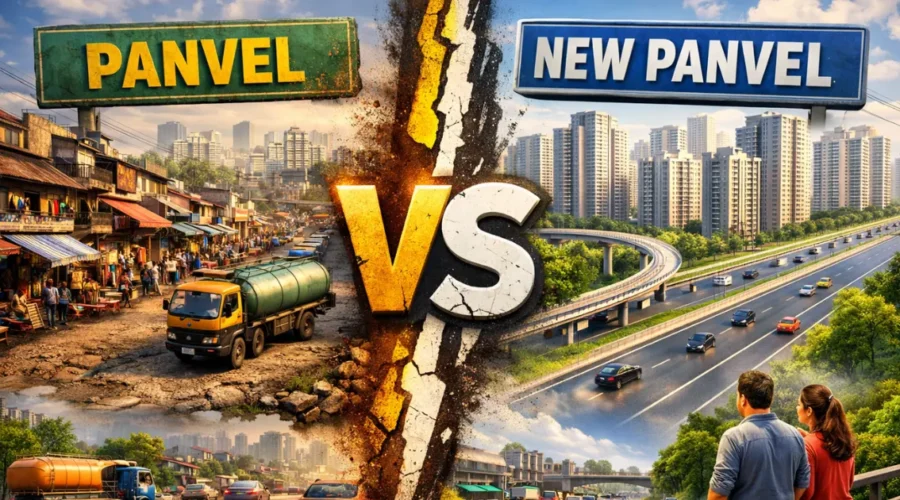
Why Panvel and New Panvel Property Market Is Different From Navi Mumbai Nodes
Panvel and New Panvel are linked to the Navi Mumbai region, but they do not behave like classic Navi Mumbai nodes such as Vashi, Nerul, Seawoods, or even Kharghar. The difference is not just distance or price. It comes from planning history, municipal control, land pattern, infrastructure execution, and buyer mix. That is why using standard Navi Mumbai node logic in Panvel can lead to wrong decisions on value, livability, risk, and even long-term expectations.
A lot of buyers make one simple mistake here. They see Panvel under the broad Navi Mumbai umbrella, notice lower prices in some pockets, hear airport and corridor stories, and assume it is just a cheaper version of the same city model. It is not.
Panvel, New Panvel, and the wider peripheral belt operate under a different property logic. Some parts are mature and highly practical. Some parts are still in transition. Some parts are genuinely promising but need patience. And some parts look attractive on paper while hiding infrastructure lag that does not exist in older, better-established nodes.
If you understand that difference early, you will shortlist much better.
Quick Summary: Why Panvel and New Panvel Feel Different
| Factor | Classic Navi Mumbai Nodes | Panvel and New Panvel Ecosystem |
|---|---|---|
| Planning model | Largely CIDCO-planned, sector-based, predictable | Mix of old town, planned sectors, PMC-administered areas, and NAINA expansion belts |
| Civic experience | More stable and mature in legacy nodes | More uneven, especially across peripheral growth belts |
| Road and layout quality | Usually consistent in mature sectors | Can change sharply within a short distance |
| Market behaviour | Relatively steady, mature | More infrastructure-led and more volatile |
| Buyer risk | Lower if buying in established nodes | Depends heavily on exact micro-location and land/infrastructure status |
| Best suited for | Buyers wanting predictability | Buyers willing to decode location-specific trade-offs |
| Main mistake | Overpaying for premium comfort | Assuming every Panvel project offers Navi Mumbai-style outside infrastructure |
The first thing to understand: Panvel and New Panvel are not just “cheaper Navi Mumbai nodes”
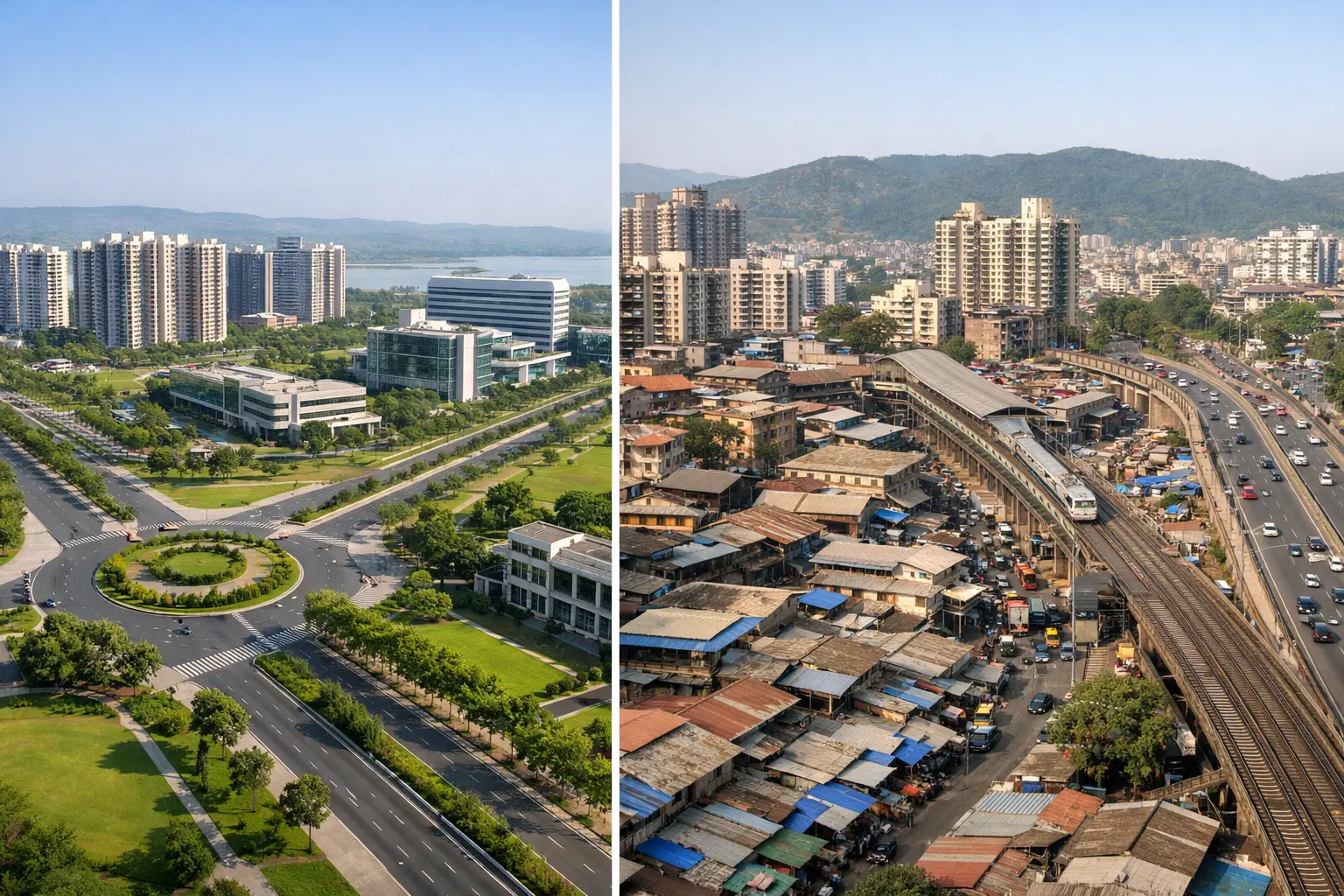
Panvel and New Panvel are part of the wider Navi Mumbai conversation, but they are not just lower-priced alternatives to Vashi, Nerul, or Seawoods. That is the first correction buyers need to make.
When people say “Navi Mumbai,” they often use it loosely for everything on that side of the harbour. But for property buying, loose language creates costly confusion. Once you move into Panvel-side territory, the civic rulebook changes, the planning pattern changes, and the due diligence process also changes.
A mature Navi Mumbai node usually gives buyers a certain kind of confidence. Roads are more predictable. Sector structure makes more sense. Core civic systems are easier to read. In Panvel, that confidence depends much more on the exact part you are entering. New Panvel may feel far more organised than Old Panvel. A premium township may look polished inside but still connect to a weak surrounding road network. A peripheral growth zone may look exciting on future maps but still be years away from fully comfortable daily life.
So no, Panvel is not simply “Navi Mumbai but cheaper.” It is a different market with different layers.
Why classic Navi Mumbai node logic does not fully work in Panvel and New Panvel
The biggest reason buyers get confused is that classic Navi Mumbai was built on a master-planned node model. Panvel was not.
How node planning in Navi Mumbai usually shapes buyer expectations
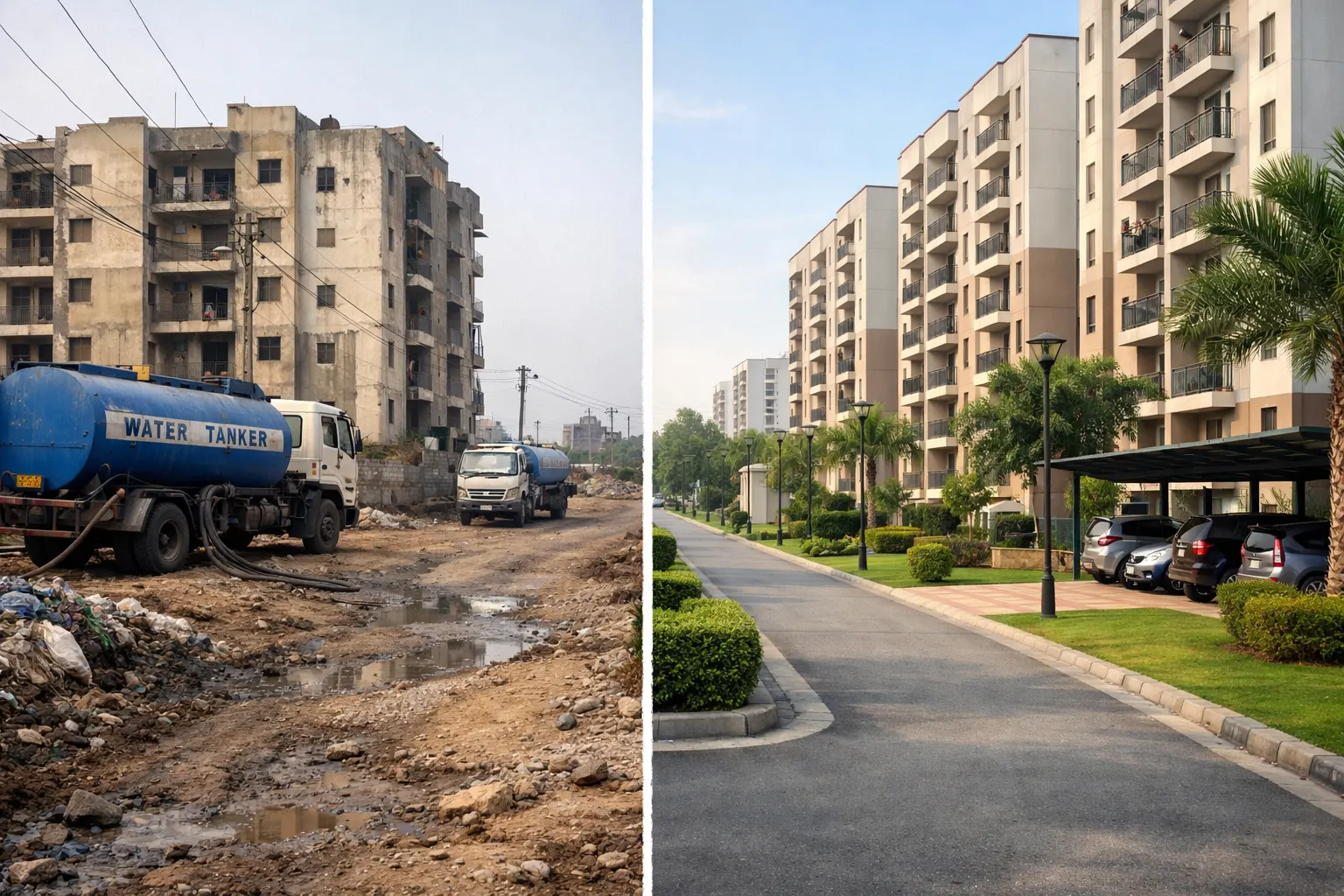
In older and more established Navi Mumbai nodes, buyers are used to a certain pattern. CIDCO acquired land, laid out sectors, planned roads and utilities, and then plots were developed in a more structured way. That created a strong expectation of order. Even if one building is better than another, the area framework itself often feels stable.
That is why buyers from Vashi, Nerul, Seawoods, or even parts of Kharghar often assume the same thing will apply everywhere nearby. They expect the outside environment to keep pace with the project. They expect the wider area to be reasonably planned. They expect the civic body and service pattern to be easy to decode.
Why Panvel grows through a different mix of old town, planned sectors, highway links, and expansion belts
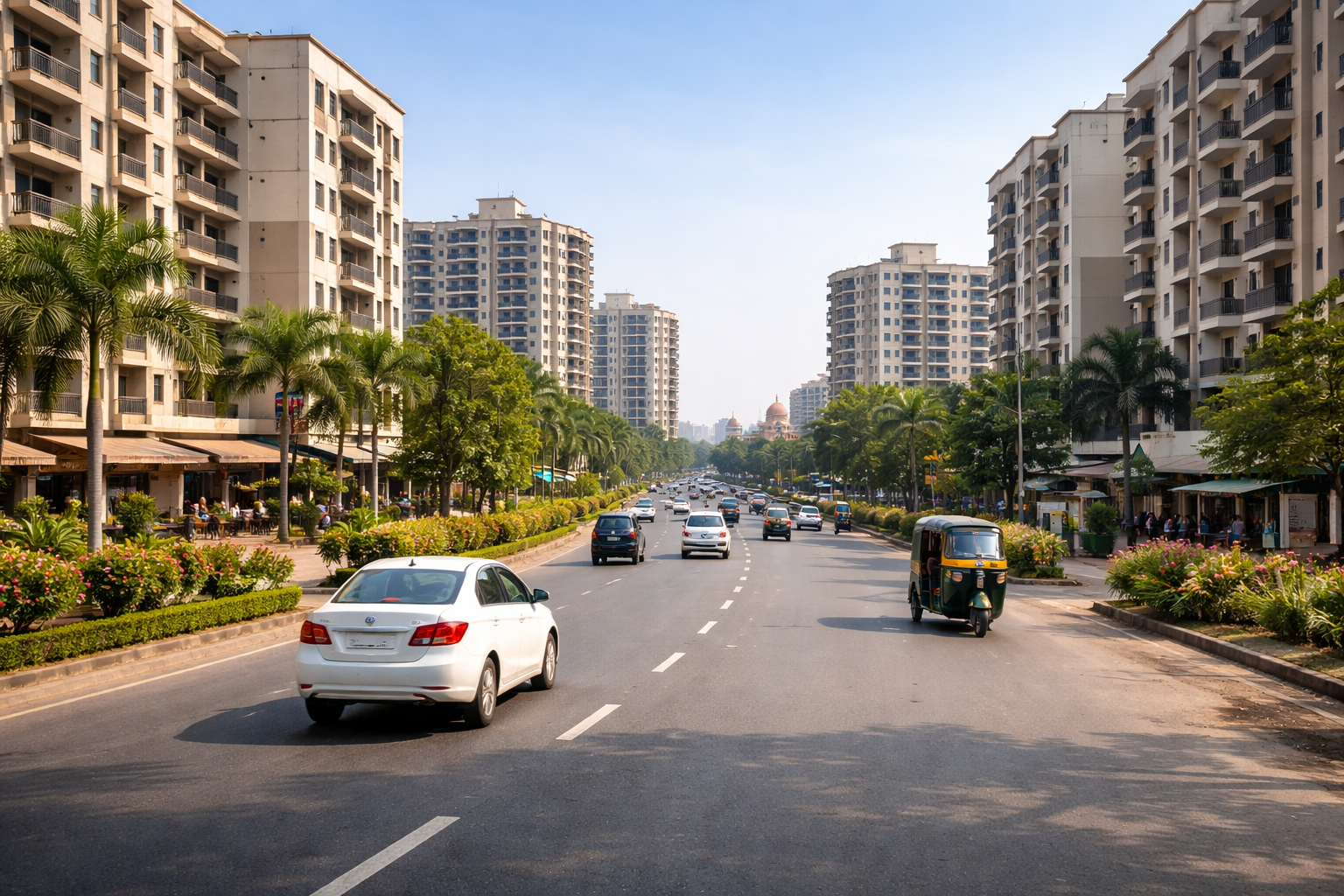
Panvel does not grow through one single model. It grows through a mixture of:
- Old Panvel, which is historic, organic, commercially active, and congested
- New Panvel, which is more CIDCO-style and more structured
- Peripheral Panvel and NAINA-linked belts, where land pooling, large project launches, and future infrastructure still shape the story
That mix changes everything.
A buyer in Panvel is not evaluating just one urban form. They are often choosing between a lived-in trading town, a planned extension, or a growth corridor where roads, drainage, and final-mile convenience may still be catching up. That is very different from buying inside a mature node where the broader urban skeleton is already in place.
This is exactly why classic node logic fails here. In Panvel, the question is not only “Which building should I buy?” It is also “What kind of area system am I buying into?”
What exactly makes Panvel and New Panvel structurally different from nodes like Kharghar, Nerul, Vashi, or Seawoods
The difference becomes clearer when you compare the structure, not just the price.
| Comparison Field | Classic Navi Mumbai Nodes | Panvel and New Panvel |
|---|---|---|
| Urban planning pattern | Predetermined sector layouts and more uniform growth logic | Hybrid pattern: old city fabric, planned New Panvel sectors, and greenfield expansion belts |
| Civic governance | Mature municipal framework in legacy belts, with clearer service expectations | PMC-led reality in Panvel-side areas, with transition issues and uneven local execution |
| Supply pattern | More predictable standalone towers and societies | Wider spread from old resale stock to mega-townships to speculative peripheral supply |
| Price behaviour | Mature appreciation, usually more stable | Stronger infrastructure-led spikes and sharper variation by pocket |
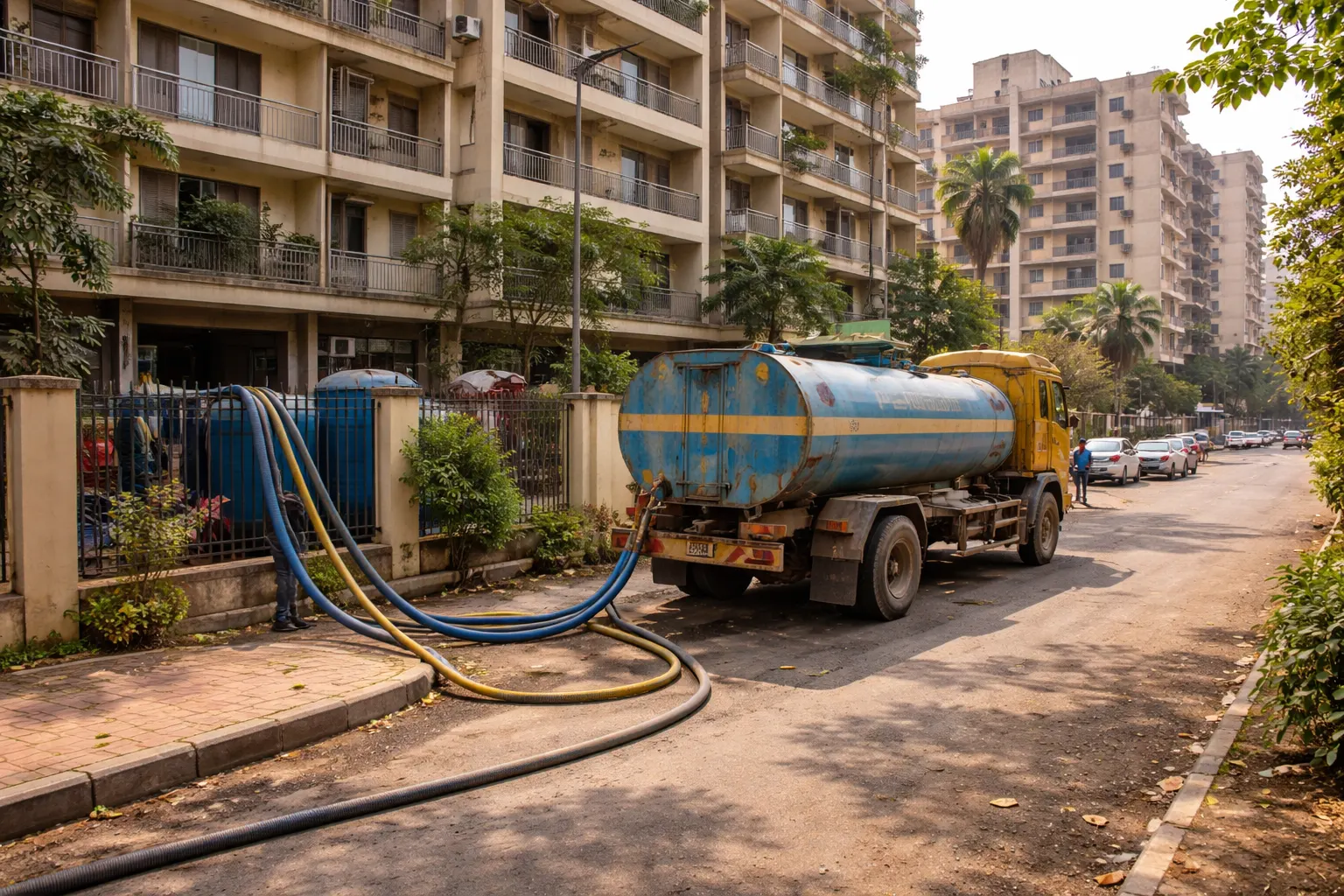
| Water and service reliability | Better expected in mature nodes | Can vary widely; some pockets face rationing or tanker dependence |
| Buyer experience | Easier to read from area reputation | Must be read micro-market by micro-market |
| Commute logic | Often rail and urban-network led | Rail plus strong highway and corridor logic |
| Risk profile | Usually lower in established nodes | Lower in mature Panvel sectors, higher in speculative peripheral belts |
This table matters because it shows that Panvel is not one thing. It behaves more like a layered ecosystem than a single clean market.
The municipal and planning side changes the market more than many buyers realise
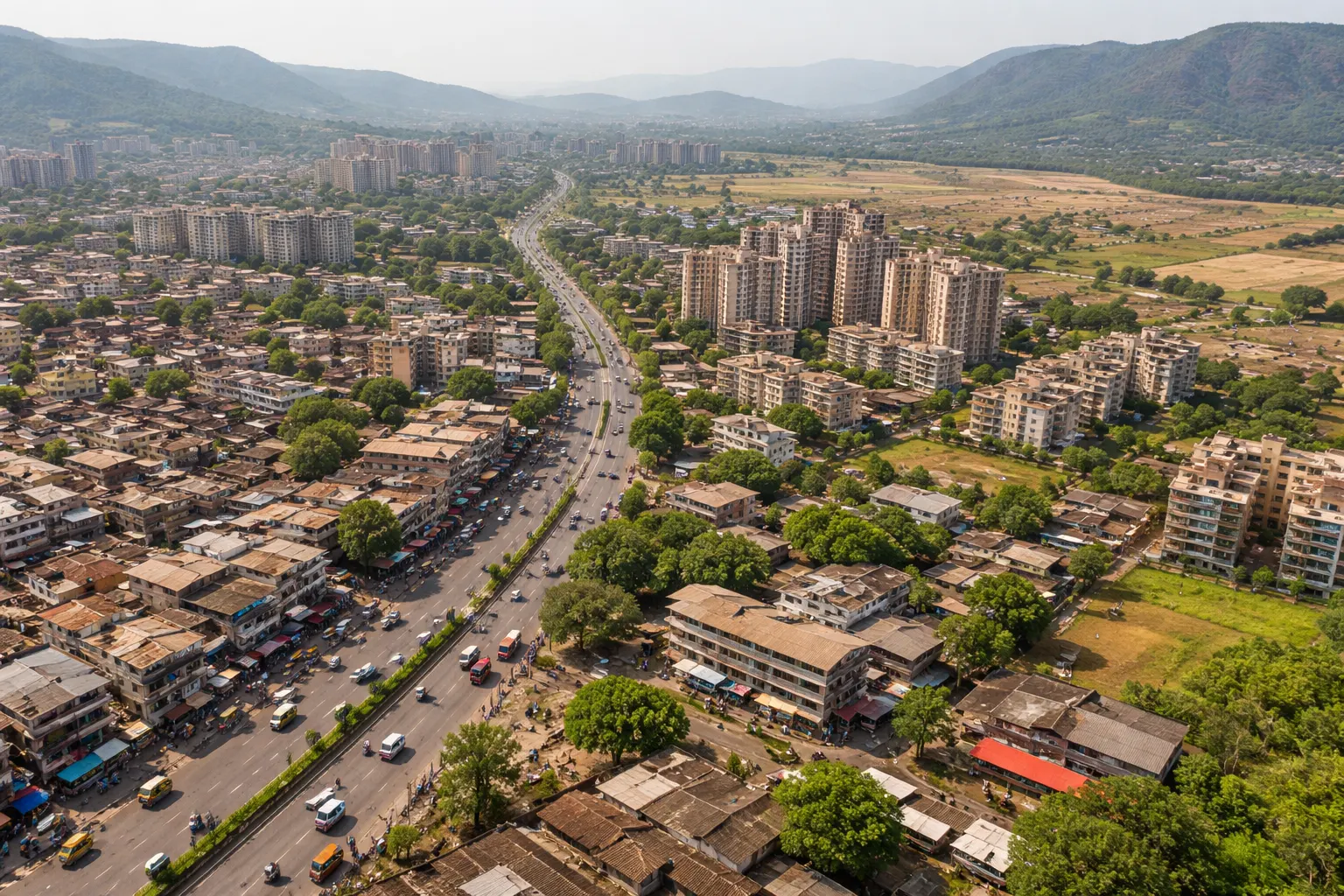
For many normal buyers, municipal structure sounds boring. In reality, it affects daily life more than the brochure does.
The Panvel Municipal Corporation, or PMC, was officially established in 2016. That changed the administrative reality of many Panvel-side areas. Buyers who come from Mumbai or older Navi Mumbai nodes often assume tax systems, civic upkeep, and grievance handling will be routine. In Panvel-side belts, that assumption can fail.
One major example is the long-running dispute around property tax and older CIDCO service charges. Residents objected to retrospective PMC tax demands for earlier years after already paying CIDCO-linked charges. The matter saw court intervention and interim relief, which tells you something important: even seemingly basic ownership-side issues can become more complicated in transition zones.
That does not mean every Panvel property is problematic. It means the civic context is not as clean and settled as many buyers imagine.
Where CIDCO matters
CIDCO still matters heavily in understanding planned sectors, land history, development pattern, and the wider NAINA framework. In some belts, CIDCO’s planning role shapes the land model and future road logic. In New Panvel especially, the grid-like planning influence is much easier to see.
Where Panvel-side municipal reality matters
PMC matters more in the lived ownership experience: tax administration, civic delivery pressure, local service management, and infrastructure strain. This is where the buyer must stop thinking like a brochure reader and start thinking like a resident.
Why this affects roads, services, approvals perception, and long-term comfort
A polished tower can still sit in an area where outside infrastructure is weak, delayed, or stretched. That is not a minor issue. It affects water, road approach, maintenance cost, resale comfort, and even the emotional experience of living there.
Caution
Never assume that a premium building means premium area infrastructure. In Panvel-side markets, always verify the water source, road condition, drainage quality, municipal tax status, and local service reality separately from the project brochure.
Panvel and New Panvel are driven by a different kind of connectivity logic
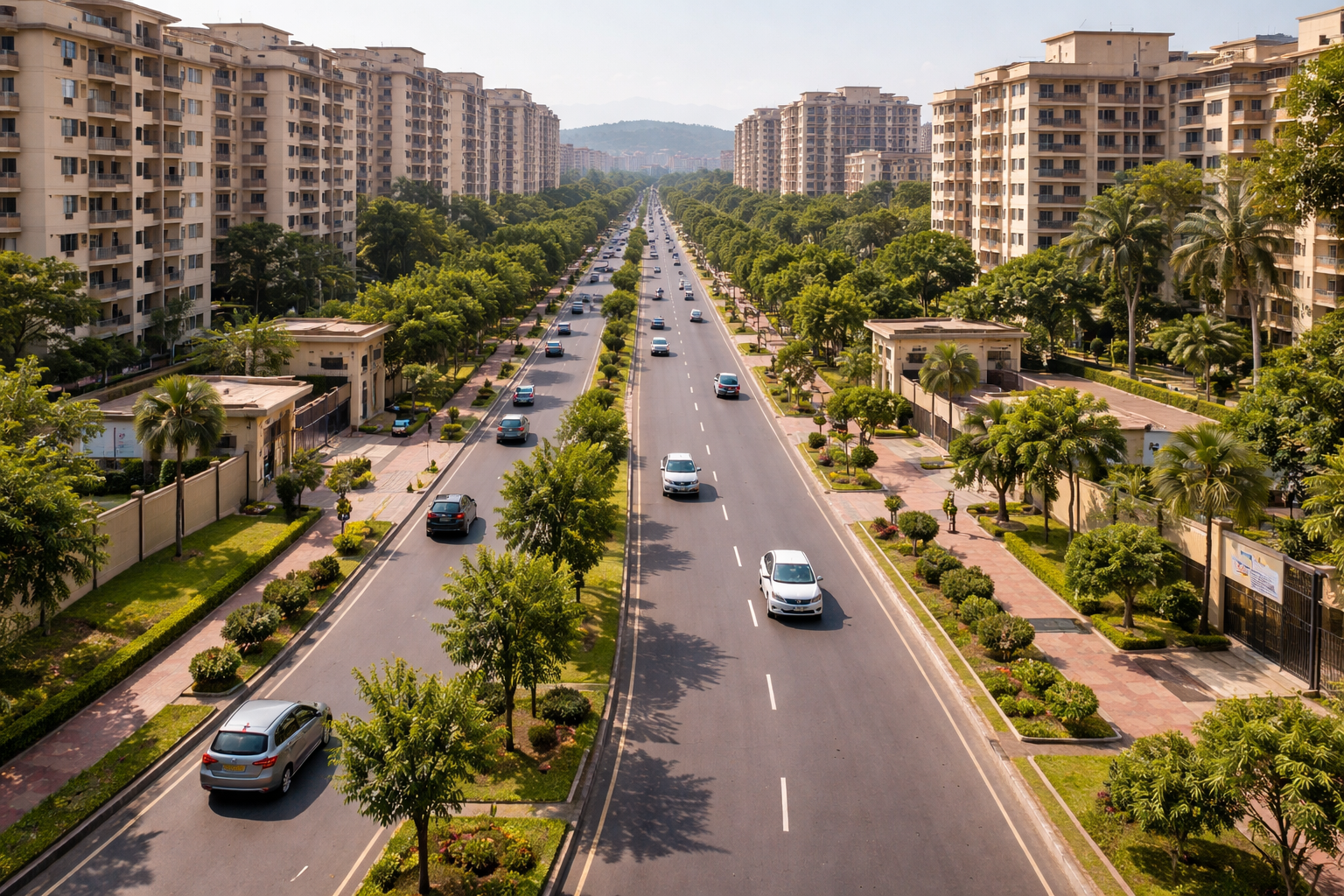
Panvel’s value is not built only on station access. It is built on convergence.
Classic Navi Mumbai nodes often derive a lot of their residential logic from station-centric convenience, urban regularity, and developed internal sectors. Panvel has rail importance too, but its property market is also heavily influenced by highway and corridor movement.
Rail dependence and station-linked value
Panvel station remains important because it connects multiple suburban flows and acts as a major movement point. New Panvel benefits from this more clearly than many peripheral areas because its structure is easier to use for daily commuting.
Highway and corridor movement matters more here
Panvel also sits closer to a different kind of transport logic. The Sion-Panvel axis, the Mumbai-Pune Expressway side pull, the Atal Setu effect, JNPT-related movement, and airport-driven anticipation all influence the market. That makes Panvel relevant not only to Navi Mumbai commuters but also to logistics-linked professionals, port-linked workers, and people with cross-corridor travel needs.
Why some buyers see Panvel as Mumbai-Pune-side access, not only Navi Mumbai access
This is where Panvel differs sharply from a node like Nerul or Seawoods. A buyer choosing Nerul is usually buying into a polished urban node. A buyer choosing Panvel may be buying into a strategic mobility position. That is a very different decision.
In simple terms, Panvel’s location value is broader, but its livability quality is less uniform.
Why supply feels wider, more uneven, and harder to decode in Panvel/New Panvel
This is one of the most important differences, especially for first-time buyers.
In Panvel, supply can shift dramatically within a short radius. You can move from a mature New Panvel sector with usable daily life to an underdeveloped stretch where roads, lighting, drainage, and final-mile access are still weak. That level of jump is much less common in tightly regulated, mature nodes like Vashi or Seawoods.
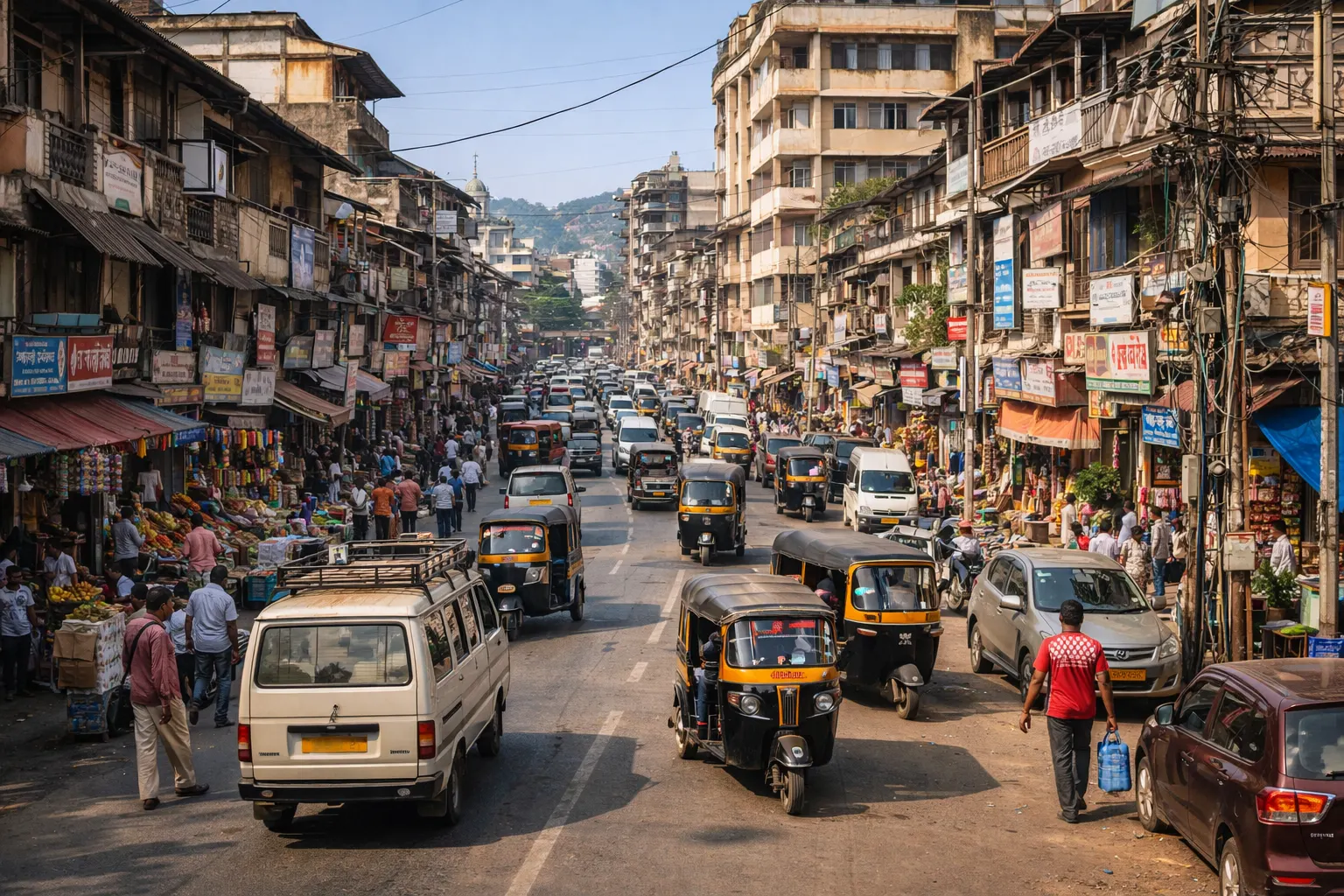
Bigger spread between old stock, resale societies, plotted influence, and new towers
Panvel-side supply includes:
- older resale stock in established areas
- commercial-heavy old town properties
- CIDCO-planned New Panvel sectors
- 12.5% plot-linked areas with different title history
- large branded townships
- peripheral growth projects influenced by NAINA and future corridor expectations
That spread creates opportunity, but it also creates confusion.
Why pocket quality can change faster from one stretch to another
Example
A family comparing a 2 BHK in Kharghar with a larger 3 BHK in Panvel may feel Panvel is the obvious value winner on carpet area. But if the Panvel project depends on tanker water, has weaker school access, and suffers rough final-mile commuting conditions, the “value” story changes. It may still be a good buy, but not for the same reason they first thought.
Price comparison alone gives the wrong answer
This is where many buyers get trapped.
Panvel can look far cheaper than mature nodes on paper. In some peripheral belts, Q1 2026 price bands are far below Kharghar or premium Navi Mumbai sectors. But price per square foot is not the full cost of ownership.
A lower entry price may come with higher hidden friction. That can include tanker dependence, elevated maintenance, slower area maturity, weaker walkability, harder resale filtering, or more stressful daily movement.
Where Panvel may look cheaper but needs context
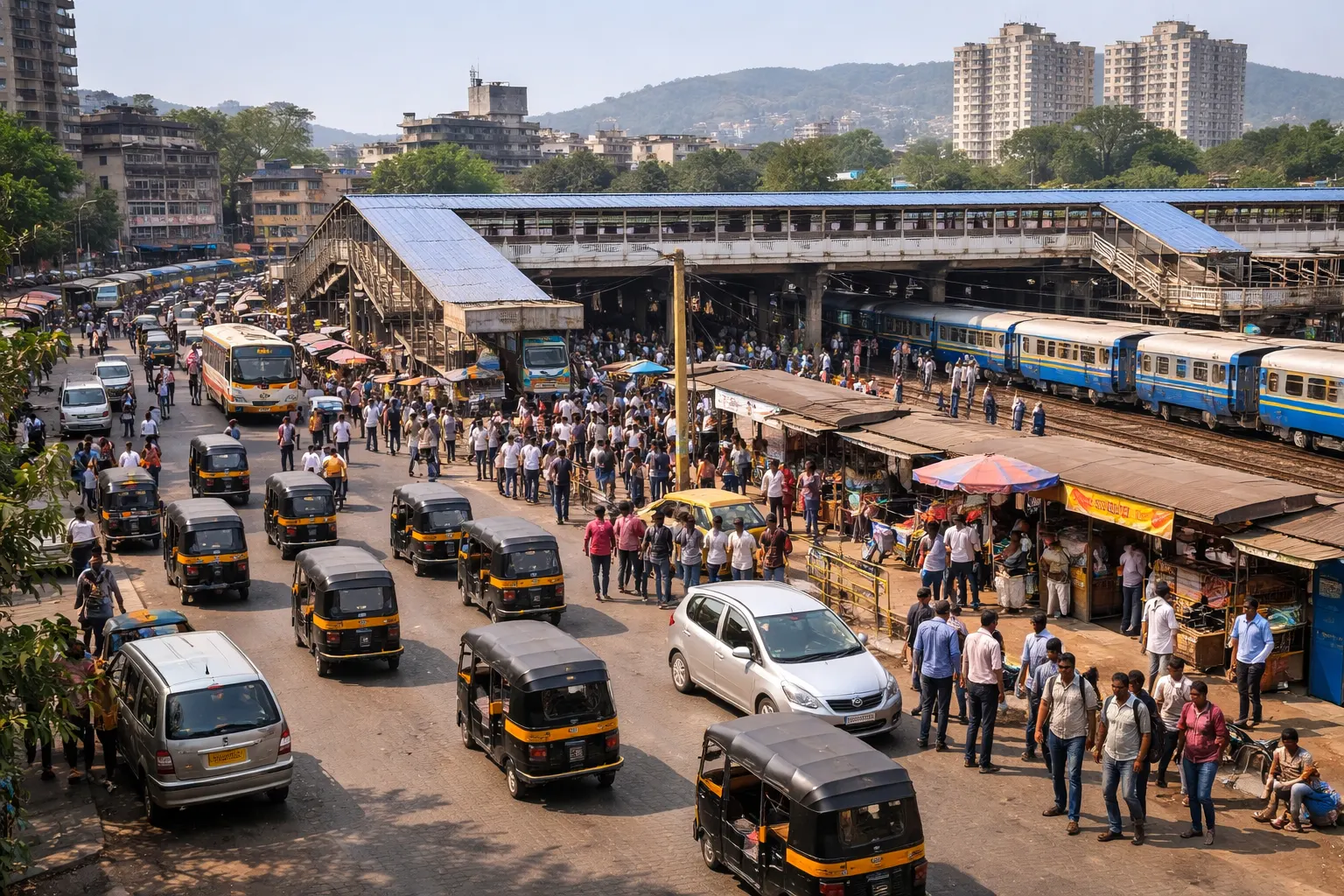
Approximate Q1 2026 market bands in the dossier show broad differences:
- Old Panvel: roughly ₹10,000 to ₹14,000 per sq.ft.
- New Panvel: roughly ₹6,500 to ₹12,500 per sq.ft.
- Peripheral NAINA-type belts: roughly ₹5,000 to ₹8,200 per sq.ft.
- Kharghar: roughly ₹12,000 to ₹18,000 per sq.ft.
- Kamothe: roughly ₹8,000 to ₹10,000 per sq.ft.
- Taloja: roughly ₹6,500 per sq.ft. in average market terms
These are useful only as broad context. The real decision should not be “Which is cheaper?” It should be “What exactly am I giving up or gaining at this price?”
Where a Navi Mumbai node may cost more but offer a different kind of stability
A mature node often charges a premium for predictability. Better road logic, lower civic ambiguity, smoother daily life, more dependable surrounding infrastructure, and easier resale understanding all carry real value.
That value is not glamorous, but it matters.
What buyers should compare beyond rate per square foot
Before deciding Panvel is the smarter deal, compare this checklist:
- Who actually supplies water to the building?
- What is the road quality from the gate to the main access road?
- How bad is the weekday station approach, not just the Sunday drive?
- Is the area already livable or still dependent on future execution?
- What kind of land title history does the plot have?
- How easy will resale be if the surrounding belt matures slowly?
- Are you buying end use comfort or future story?
That is a much more honest comparison than just EMI math.
Who usually benefits most from buying in Panvel or New Panvel
Panvel is not a wrong market. It is just a buyer-specific market.
Families seeking more space and lower entry burden
Panvel and parts of New Panvel can make real sense for families priced out of bigger homes in Kharghar, Nerul, or Vashi. If the family’s main goal is more space, a practical budget, and acceptable long-term growth potential, Panvel can offer strong value.
This is especially true where the project is in an already functional sector rather than in a still-maturing fringe.
Buyers with rail or corridor-based commute patterns
If your work or life pattern is linked to Panvel station, the port side economy, Taloja MIDC, airport-linked activity, or major corridor travel, Panvel becomes more logical than it does for a buyer comparing only social prestige.
Long-horizon investors who understand uneven growth
The dossier notes that Panvel-region apartments saw strong appreciation between late 2022 and late 2025, helped by major infrastructure momentum. That can attract investors, but the smarter investor here is not the one chasing instant airport hype. It is the one who understands that not all pockets will mature at the same speed.
Local or legacy buyers with Panvel-side familiarity
Local familiarity matters a lot here. Buyers who already understand Panvel’s traffic patterns, school belts, market behaviour, water issues, and pocket quality are often in a much stronger position than outsiders depending only on sales teams.
Who should be more careful before choosing Panvel/New Panvel over a Navi Mumbai node
Some buyers will do well in Panvel. Some will feel disappointed very quickly.
Buyers expecting Vashi or Nerul-style urban polish
If your mental benchmark is Vashi, Nerul, Seawoods, or the better-managed parts of Kharghar, then you need to filter Panvel very carefully. The outside environment in many Panvel-side areas may not match the inside branding of the project.
Buyers who want premium consistency across the area
A polished township does not automatically mean the full surrounding area has caught up. That inconsistency bothers some buyers more than they expect.
Buyers over-relying on future infrastructure stories
This is a major caution point. Airport, corridor, and regional growth stories have already influenced pricing. A lot of infrastructure optimism is no longer hidden. It is already in the market narrative.
So buying just because “airport ke baad rate double ho jayega” is weak thinking at this stage. The better question is whether your chosen pocket can convert macro infrastructure into actual daily-value improvement.
Panvel vs New Panvel vs nearby Navi Mumbai nodes: how the decision usually changes
| Location | Usually best for | Approx. Q1 2026 price band | Livability readiness | Main caution |
|---|---|---|---|---|
| Kharghar | Premium family buyers, buyers wanting stronger urban order | ₹12,000 to ₹18,000/sq.ft. | High | Higher entry cost |
| Kamothe | Mid-budget commuters wanting established practicality | ₹8,000 to ₹10,000/sq.ft. | Medium to High | Density and traffic pressure |
| New Panvel | Buyers wanting a more structured Panvel-side option | ₹6,500 to ₹12,500/sq.ft. | High in better sectors | Stock quality and ageing in older sectors |
| Old Panvel | Local buyers, traders, people valuing core activity over polish | ₹10,000 to ₹14,000/sq.ft. | Medium | Congestion and narrow road reality |
| Peripheral Panvel / NAINA-type belts | Patient investors with higher risk tolerance | ₹5,000 to ₹8,200/sq.ft. | Low to Medium | Infrastructure lag and execution uncertainty |
This comparison matters because the real decision is often not Panvel versus Vashi. For many buyers, it is New Panvel versus Kamothe. Or Panvel fringe versus Taloja. Or Kharghar versus a larger Panvel home.
That is where the article should help most.
The real buyer mistake is not understanding which market questions matter here
The wrong questions create the wrong shortlist.
In mature nodes, buyers may focus on tower quality, sector reputation, and budget fit. In Panvel, you need a deeper screening method.
Questions that matter more in Panvel/New Panvel
Ask these before you get emotionally attached to a project:
- Is this in Old Panvel, New Panvel, or a peripheral growth belt?
- Is the plot history straightforward, or does it need deeper legal title verification?
- What is the water source today, not the promised future source?
- Is the surrounding road network already functional in monsoon conditions?
- Who handles municipal service delivery here?
- Is this area already end-use ready, or mainly being sold on future execution?
- Are there past tax or civic dues to verify in resale cases?
- What does weekday peak-hour commute feel like from this exact site?
Questions that matter less than buyers think
Some questions are too shallow on their own:
- “How close is it to the airport?”
- “Broker bol raha hai builder brand bada hai, so safe hai?”
- “Rate अभी low hai, so should buy quickly?”
- “Project brochure looks premium, so area must also be premium?”
Those are incomplete questions. In Panvel, area systems matter as much as project branding.
So is Panvel/New Panvel a better buy or just a different kind of buy?
Panvel and New Panvel are not better versions of Navi Mumbai nodes, and they are not inferior by default either. They are a different kind of buy.
That is the cleanest answer.
If you want predictable urban structure, easier area reading, and lower civic ambiguity, mature nodes still have an advantage. If you want more space, broader corridor relevance, stronger future optionality, and you are ready to filter micro-locations properly, Panvel and New Panvel can make a lot of sense.
New Panvel is often the easiest Panvel-side entry point for buyers who still want some CIDCO-style order. Old Panvel suits buyers who value established activity and local familiarity more than urban polish. Peripheral Panvel and NAINA-influenced belts suit only the patient buyer who accepts that future potential and present livability are not always the same thing.
So the issue is not whether Panvel is “good” or “bad.” The issue is whether you are judging it with the correct framework.
conclusion
Panvel and New Panvel property markets are different from Navi Mumbai nodes because they are built on a different urban story. Classic nodes were shaped by a cleaner planned-node model. Panvel is shaped by a hybrid reality: historic town fabric, CIDCO-planned extensions, PMC administration, large private project influence, and future-led expansion belts.
That makes Panvel more flexible, more uneven, and more dependent on micro-location judgment.
For buyers, the lesson is simple. Do not ask whether Panvel is just a cheaper Navi Mumbai. Ask which part of Panvel you are entering, what civic and infrastructure system supports it today, and whether that matches your daily life, not just your budget. The informed buyer can do very well here. The casual buyer who assumes all nearby markets work the same usually makes the wrong call.
FAQs
Frequently Asked Questions