
How to Choose Between Kharghar, Ulwe, and Panvel
If you are comparing Kharghar vs Ulwe vs Panvel property, you are not alone. These three Navi Mumbai nodes appear in almost every property search today because they offer very different advantages. Kharghar is a mature lifestyle area, Ulwe is the airport-driven growth story, and Panvel remains the most affordable entry point. But choosing the right location is only half the decision. Before buying any flat here, buyers also need to follow a strict property due diligence checklist because most land in Navi Mumbai falls under CIDCO’s leasehold system.
This guide explains how these three nodes differ, which type of buyer each area suits, and the 15 legal checks you should never skip before buying property in Navi
Quick Summary Table
| Factor | Kharghar | Ulwe | Panvel |
|---|---|---|---|
| Development Stage | Mature and well-developed residential node | Emerging airport-driven micro market | Growing regional hub with mixed development |
| Average Property Price | ₹14,000 – ₹18,000 per sq ft | ₹9,000 – ₹12,000 per sq ft | ₹8,500 – ₹11,000 per sq ft |
| Best For | Families and end-users | Long-term investors | First-time homebuyers |
| Key Infrastructure | Metro, Central Park, Golf Course | NMIA Airport, Atal Setu | Railway junction, Expressways |
| Rental Demand | Stable professional demand | Growing airport workforce demand | Moderate |
| Investment Potential | Stable appreciation | High long-term growth potential | Gradual long-term growth |
| Typical Buyer Profile | Families relocating from Mumbai | Investors betting on airport growth | Budget buyers entering Navi Mumbai market |
Kharghar vs Ulwe vs Panvel: How Buyers Usually Get Confused
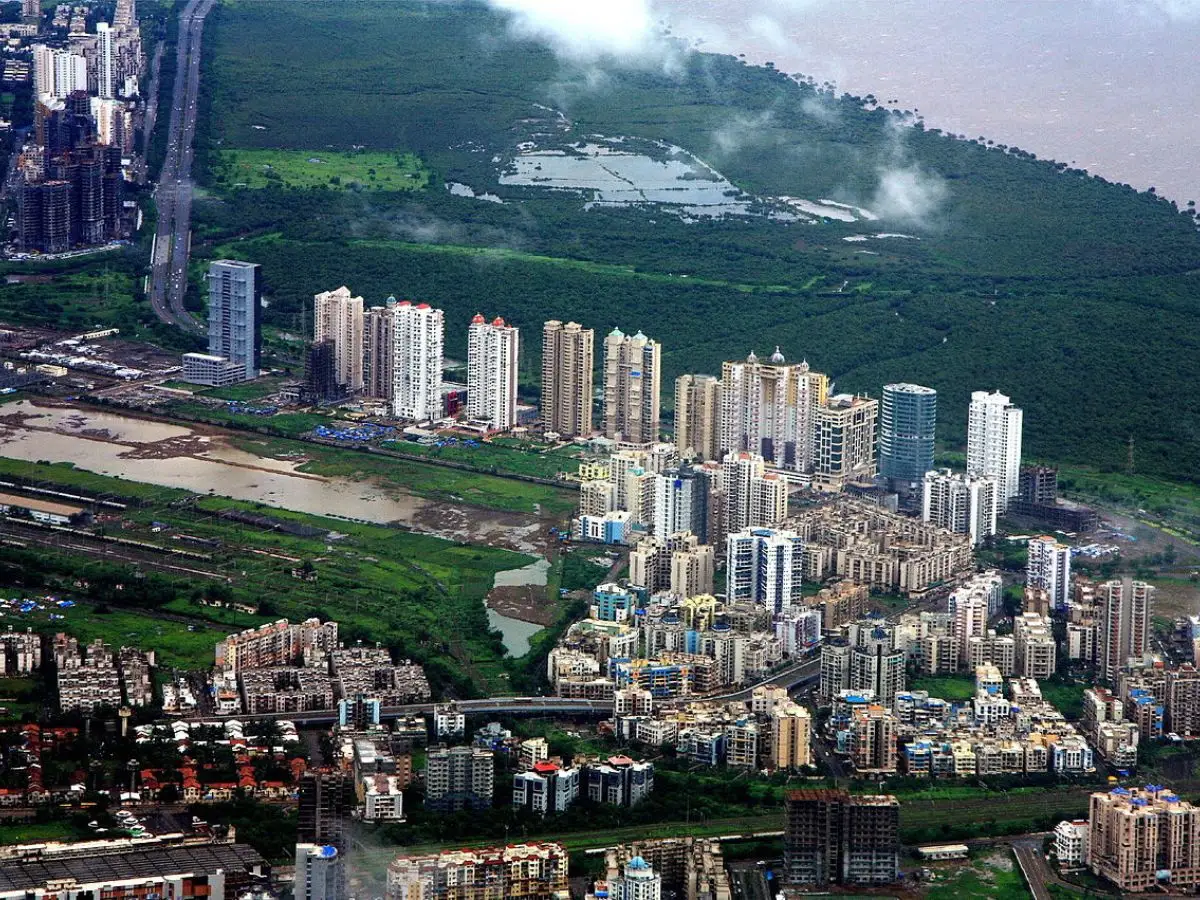
Most property buyers in Navi Mumbai start with the same dilemma.
Someone recommends Kharghar because it is already developed and family-friendly. Another person suggests Ulwe because of the Navi Mumbai International Airport and the Atal Setu connection. Then someone else says Panvel is cheaper and will grow faster.
All three claims contain some truth. The confusion happens because these nodes are at different stages of development.
Kharghar is a mature residential node with schools, parks, and social infrastructure. Ulwe is a newer airport-driven micro market where future growth is the main attraction. Panvel is the regional connectivity hub linking Mumbai to Pune, Goa, and the rest of Maharashtra.
Developers often market all three areas using similar narratives about the airport and infrastructure projects. That makes buyers wonder whether they should pay more for a developed location like Kharghar or buy early in Ulwe or Panvel where growth may come later.
Before going deeper into each location, the snapshot below gives a quick comparison.
Quick Comparison: Kharghar vs Ulwe vs Panvel (Price, Connectivity, Lifestyle)
Before diving into the details of each area, it helps to quickly understand how these three Navi Mumbai nodes compare on price, connectivity, and overall lifestyle. Kharghar is widely considered a mature residential node with well-established infrastructure, making it a stable option for families and long-term end-users. Ulwe, on the other hand, is still developing but is strongly influenced by the Navi Mumbai International Airport and the Mumbai Trans Harbour Link, which gives it significant future growth potential. Panvel stands out for its affordability and strong transport connectivity, attracting first-time buyers and budget-conscious investors. The quick comparison table below highlights the key differences between these locations so you can understand where each node fits in the Navi Mumbai property landscape before exploring them individually in more detail.
Kharghar Property Guide: Who Should Buy Here?
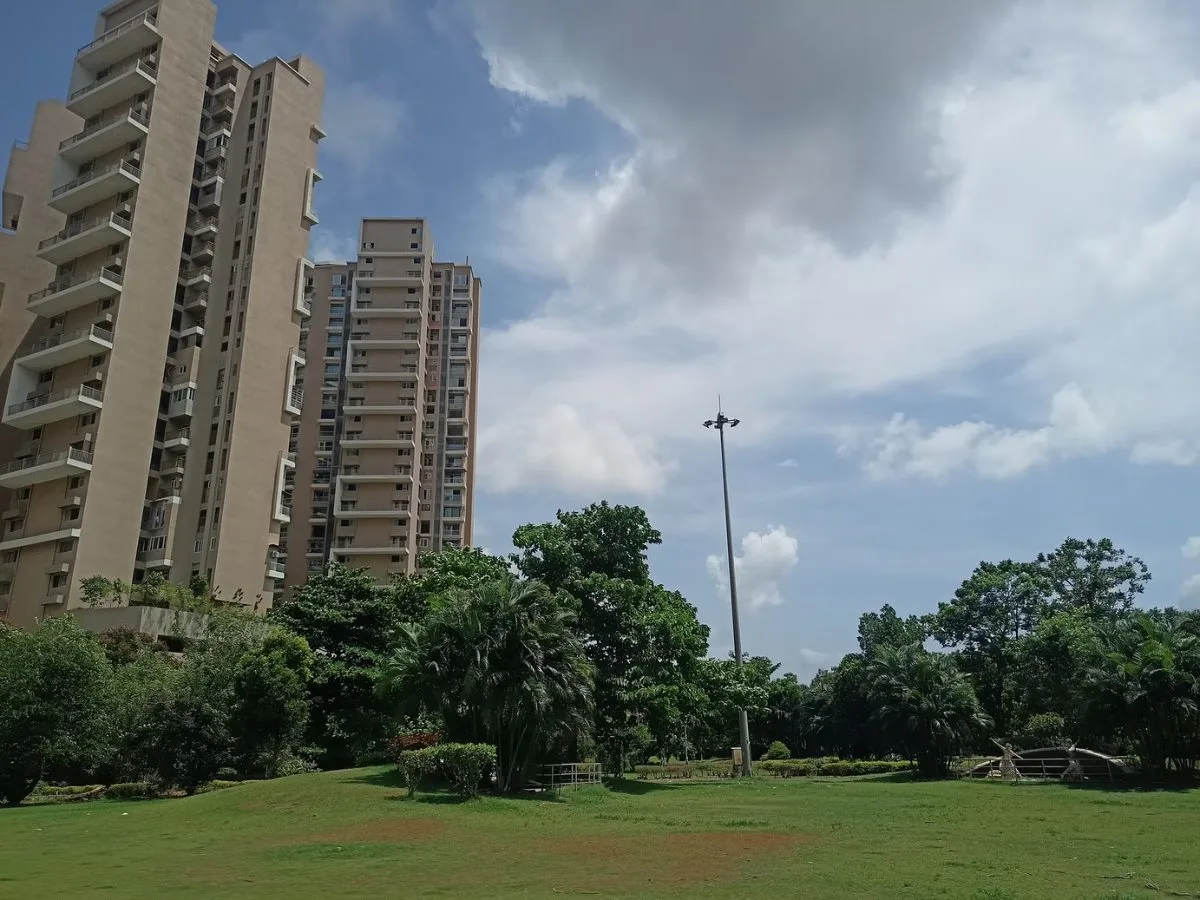
Kharghar is often considered one of the most balanced residential areas in Navi Mumbai. The node was planned by CIDCO with wide roads, sector-based layouts, and designated spaces for parks, education zones, and housing. Over the years, this planning has helped Kharghar develop into a well-organized residential area compared to many newer nodes.
By 2026, Kharghar has become one of the most established housing hubs in Navi Mumbai, supported by landmarks like Central Park Kharghar and the nearby Kharghar Golf Course. Because schools, colleges, daily markets, and transport connections are already functioning, the area is usually preferred by families and end-users looking for a stable place to live rather than purely speculative investment.
Current property prices in Kharghar
Property prices in Kharghar reflect its maturity.In central sectors like 20 to 35, typical residential rates range between ₹14,000 and ₹17,000 per sq ft. Premium locations near the golf course road or overlooking Central Park can go even higher.
A standard 3 BHK in a modern project often starts around ₹1.5 crore and can exceed ₹2 crore depending on the building and view.However, sectors closer to Taloja or the metro terminal (34, 35, 36) offer relatively lower entry points, sometimes around ₹10,000 to ₹11,500 per sq ft.
What many buyers also notice when they actually visit Kharghar is that daily life here already feels settled. In sectors around Central Park and sector 12, people shop at supermarkets like Reliance Smart and D Mart Kharghar, pick up vegetables from the local markets near Little World Mall, and spend evenings at cafés such as Starbucks Kharghar or Chaayos near Central Park. This everyday ecosystem is one reason families feel comfortable moving here quickly after purchasing a flat.
Infrastructure, schools, and lifestyle advantages
The biggest reason families choose Kharghar is lifestyle convenience.
The node has several established schools, including institutions like Apeejay School, Ryan International, DAV International, and Bal Bharati Public School. Educational campuses such as NIFT and ITM also attract students.
Apart from schools, Kharghar also has a routine urban rhythm that buyers often appreciate after living in Mumbai’s crowded suburbs. Residents go for morning walks in Central Park, shop for groceries at Reliance Fresh or D Mart, and gather in the evenings around the cafés and small restaurants near the station road and sector markets.
This kind of everyday convenience matters more than most brochures suggest. When buyers imagine their future life here, it is usually these small details that make the difference.
Downsides buyers should consider
Even well-developed areas have drawbacks.Some sectors closer to Taloja MIDC occasionally face air pollution complaints. Residents also report periodic water supply shutdowns during pipeline maintenance.
Another issue buyers should understand is municipal jurisdiction. Parts of Kharghar fall under Panvel Municipal Corporation, which has created disputes about property tax and civic services in certain sectors. None of these problems are deal-breakers, but buyers should be aware of them before committing to a purchase.
Ulwe Property Guide: Airport Growth and Investment Potential
If there is one location that has dominated Navi Mumbai property discussions in recent years, it is Ulwe. Once considered a quiet and relatively underdeveloped node, Ulwe has gradually become one of the most talked-about real estate micro-markets in the region because of large infrastructure projects planned around it.
A major reason behind this attention is the upcoming Navi Mumbai International Airport, which is located close to Ulwe. Because of this proximity, many investors see Ulwe as an airport-influence zone where demand for housing could increase over time as aviation services, logistics companies, and related businesses start operating around the airport area.
Why Ulwe attracted investors
For many years, Ulwe was seen as a speculative market. Investors bought flats expecting the airport to eventually boost property prices.Two infrastructure developments changed the situation.The first was the Mumbai Trans Harbour Link (Atal Setu) connecting Sewri to Navi Mumbai. This drastically reduced travel time between South Mumbai and Ulwe.
The second was the start of domestic flight operations at the Navi Mumbai International Airport in late 2025.together, these projects transformed Ulwe from a peripheral area into a strategic location.When you walk through sectors like 17, 19, or 23 today, the environment still feels quieter than Kharghar, but daily activity is slowly increasing. Local grocery stores, medical shops, and small eateries have started appearing around the station areas. Shops like Reliance Smart Point Ulwe, neighborhood bakeries, and small cafés are becoming regular stops for residents who moved here early.
Impact of Navi Mumbai International Airport
Ulwe sits very close to the airport influence zone.This proximity is expected to generate demand from airline employees, airport logistics companies, hospitality businesses, and aviation support services.Many investors believe the upcoming Aerocity commercial district near the airport will further increase housing demand.
Rental yields in Ulwe are already moving toward 3.5% to 4% annually, which is strong for a developing residential area. However, most of this demand is still forming gradually as airport operations expand and commercial development begins around the terminal zone.
Risks of buying early-stage infrastructure areas
Despite its potential, Ulwe still faces several ground-level challenges.Many sectors are still developing basic infrastructure such as internal roads and consistent water supply. Some areas also have smaller projects built by local developers without the large-scale amenities seen in major township developments.
Another factor buyers sometimes ignore is the coastal environment. Salt-heavy air can accelerate building wear if construction quality is poor.For this reason, buyers should prioritize reputed developers and well-maintained buildings, especially in sectors closer to the coastal belt.
Panvel Property Guide: The Affordable Entry Point in Navi Mumbai
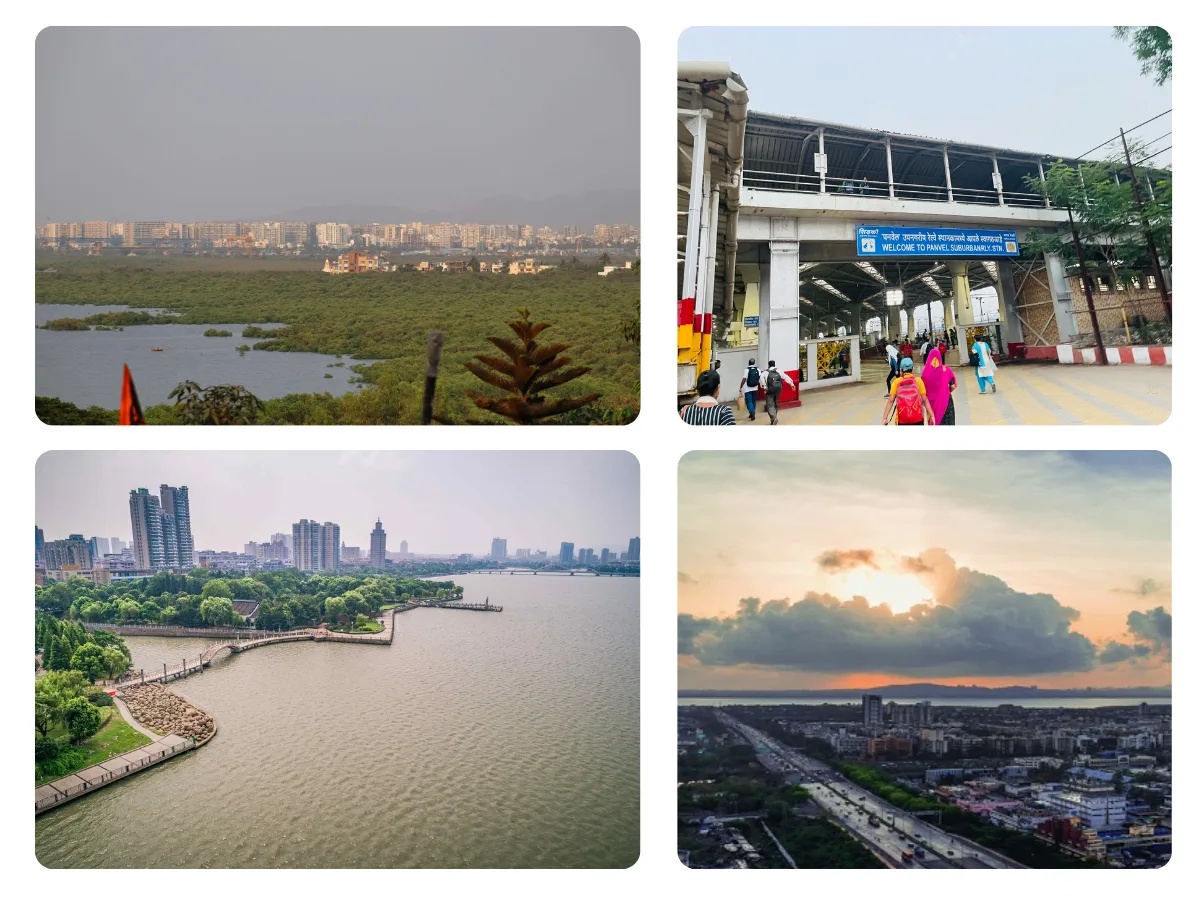
Panvel is often underestimated because it looks less polished than Kharghar or the airport-focused Ulwe. However, from a connectivity perspective, it remains one of the most important locations in Navi Mumbai.
Panvel functions as a transportation gateway due to the presence of Panvel Railway Station and its proximity to the Mumbai–Pune Expressway. Because of this strong connectivity and relatively lower property prices, the area attracts many first-time homebuyers entering the Navi Mumbai property market.
Property price advantage in Panvel
The biggest advantage of Panvel is affordability.Entry-level property prices are still accessible compared to other Navi Mumbai nodes.Typical ranges include ₹8,500 – ₹11,000 per sq ft in many residential areas, with even lower rates in peripheral micro-markets like Karanjade or Palaspe.
A 1 BHK apartment can still be found between ₹24 lakh and ₹45 lakh, something that has become rare in most parts of Navi Mumbai.Large township projects by developers like Godrej, Adani, and Hiranandani have also brought integrated residential communities to the area. But outside those townships, Panvel still has an older city core where everyday life revolves around markets, railway commuters, and local shops.
For example, many residents shop at D Mart Panvel, pick up vegetables from the Panvel municipal market near the station, or eat at long-running local restaurants such as Neelkamal and Aangan Family Restaurant. These small everyday places give Panvel a slightly more traditional town feel compared to the planned layout of Kharghar.
Connectivity via highway, rail, and upcoming infrastructure
Panvel’s biggest strength is connectivity.The city is a major railway junction connecting the Harbour line, Trans-Harbour line, and long-distance trains toward Pune and the Konkan region.
It also connects directly to the Mumbai–Pune Expressway, the Sion–Panvel Highway, and several upcoming highway corridors. For people working in logistics parks, warehouses, or industrial zones around Navi Mumbai, this location can significantly reduce commute time.Infrastructure plans including metro extensions and airport connectivity improvements are expected to strengthen Panvel’s long-term value.
Who Panvel works best for
Panvel usually suits buyers who want lower entry prices, larger apartments within budget, and long-term investment potential.
It is especially popular with first-time homebuyers and professionals working in logistics, manufacturing, and warehousing sectors around Navi Mumbai. Many young couples who cannot afford central Navi Mumbai nodes eventually start their home ownership journey here because the price difference is substantial.
Which Node Is Actually Better for You? (Buyer Scenarios)
Choosing between these three locations usually depends more on your budget, lifestyle, and long-term goals than on which area is objectively “better.”
For example, first-time buyers sometimes shift from Kharghar to Panvel after seeing the price difference between a small flat in Kharghar and a larger home in Panvel. Long-term investors often consider Ulwe because of growth linked to the nearby Navi Mumbai International Airport. Families moving from Mumbai suburbs usually prefer Kharghar since schools, parks, and daily infrastructure are already established.
Before Buying Any Property in Navi Mumbai, Do These Legal Checks
Location comparison gets most of the attention, but legal verification is equally important. Unlike many cities in India, most residential land in Navi Mumbai is leasehold land originally allotted by CIDCO. That means ownership transfers require proper approvals and documentation.
Buyers who skip verification sometimes discover later that previous transfers were incomplete or that key approvals were missing.
Navi Mumbai Property Due Diligence Checklist: 15 Legal Checks

Many property guides simply list document names, but buyers in Navi Mumbai should understand what these checks actually mean. The first step is verifying the title ownership chain, usually through a lawyer who checks around 30 years of past ownership records to ensure every transfer was legally registered.
Another important document is the CIDCO transfer order. Since much of Navi Mumbai land was originally allotted by CIDCO, resale transactions must be properly recorded with CIDCO approval.
For under-construction projects, buyers should confirm MahaRERA registration, which shows project approvals and timelines. For ready buildings, the Occupancy Certificate (OC) proves the structure is legally approved for living, while the Commencement Certificate (CC) confirms the builder had permission to start construction.
Buyers should also check Non-Agricultural (NA) land status, society share certificates for resale flats, property tax receipts from Navi Mumbai Municipal Corporation or Panvel Municipal Corporation, and obtain a bank No-Dues certificate if a loan existed. Verifying carpet area, parking allocation, and builder litigation history can also prevent future disputes.
Special Legal Checks for CIDCO Properties in Navi Mumbai

CIDCO-controlled land adds some unique legal rules that buyers from Mumbai or Pune may not expect.
Property transfers often require CIDCO’s official approval through a tripartite agreement involving the buyer, seller, and CIDCO authority. If earlier owners did not complete this process properly, the current buyer may face delays during registration or loan approval.
Another factor is the CIDCO lottery allotment system. Many flats originally allotted through CIDCO lotteries come with a five-year lock-in period during which resale is restricted. Buyers should confirm whether the lock-in period has expired before proceeding with a purchase.
Buyers should also carefully verify Gaothan or 12.5 percent scheme properties. These plots were given to local villagers when land was acquired for Navi Mumbai development. They are legal only if CIDCO documentation and approvals are complete.
Resale Flats vs New Projects: Document Checks Are Different
Document checks can vary depending on whether you are buying a new project or a resale flat. In new developments, buyers mainly need to verify builder approvals, project registration with MahaRERA, and construction permissions.
In resale properties, the focus shifts to verifying the ownership history, society records, property tax payments, and ensuring the previous transfer was properly approved by CIDCO if the land falls under CIDCO leasehold.
Common Legal Mistakes Property Buyers Make in Navi Mumbai
Many buyers make avoidable mistakes simply because the process feels complicated.Some buyers agree to property purchases through Power of Attorney transactions instead of registered sale deeds. Others skip the 30-year title search in an attempt to save legal fees.
Another common mistake is paying token amounts to sellers before verifying the CIDCO transfer status or checking whether previous mortgages were cleared. In resale properties, unpaid property tax or society dues sometimes surface only after registration, leaving the new buyer responsible for clearing them.These situations are preventable if document verification is taken seriously from the beginning.
Conclusion
Choosing between Kharghar, Ulwe, and Panvel ultimately depends on what you want from your property. Kharghar offers a well-established residential environment with strong social infrastructure. Ulwe attracts investors because of growth linked to the nearby Navi Mumbai International Airport. Panvel remains one of the most affordable entry points for buyers who want good connectivity and long-term potential.
However, location alone should never be the only factor in a property decision. In Navi Mumbai’s leasehold system governed largely by CIDCO, verifying legal documents is just as important as choosing the right area. Checking ownership records, approvals, and occupancy certificates helps ensure that your investment is secure in the long run.
FAQs
Frequently Asked Questions