
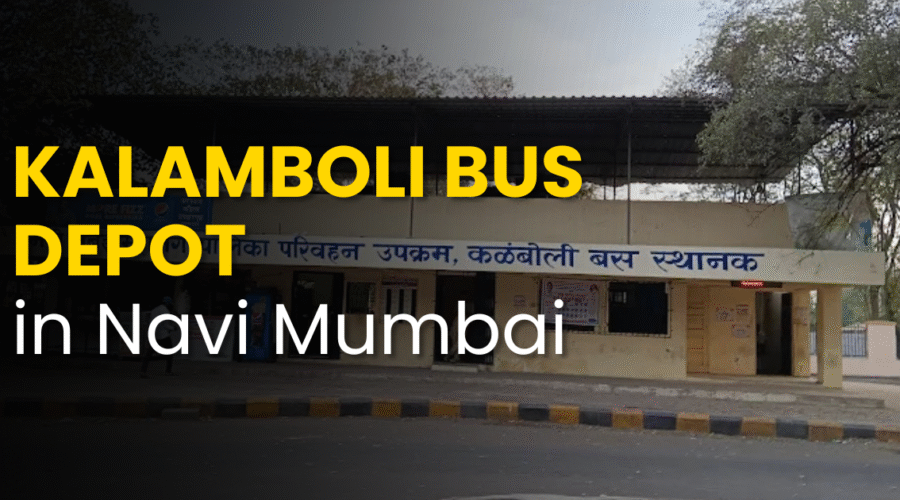
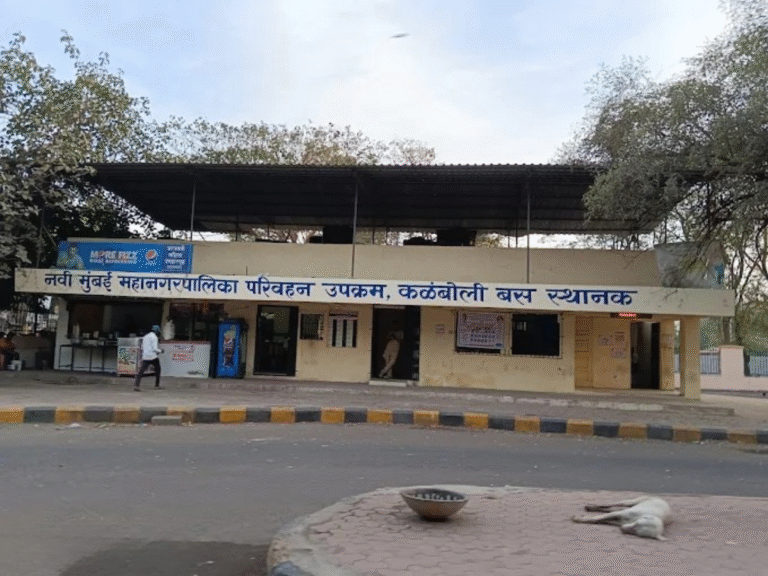
Kalamboli Bus Depot, Navi Mumbai
Overview of Kalamboli Bus Depot
Kalamboli Bus Depot sits right at the edge of movement. Located in Kalamboli, near Sector 2 and the steel market zone, this depot quietly handles some of the heaviest daily passenger loads in Navi Mumbai. It matters because it never really sleeps. Factory shifts change, trucks roll in at odd hours, and buses keep moving. The people who use it range from daily office commuters and students to steel market workers, port-side staff, and long-distance travellers heading out of the city.
You feel it the moment you stand there. This is not a decorative bus stop. It is functional. Purpose-driven.
🚌 Planning Your Next Trip?
Check updated NMMT Bus Timetables, calculate fares, and find the fastest route instantly.
Check Live Timings ➔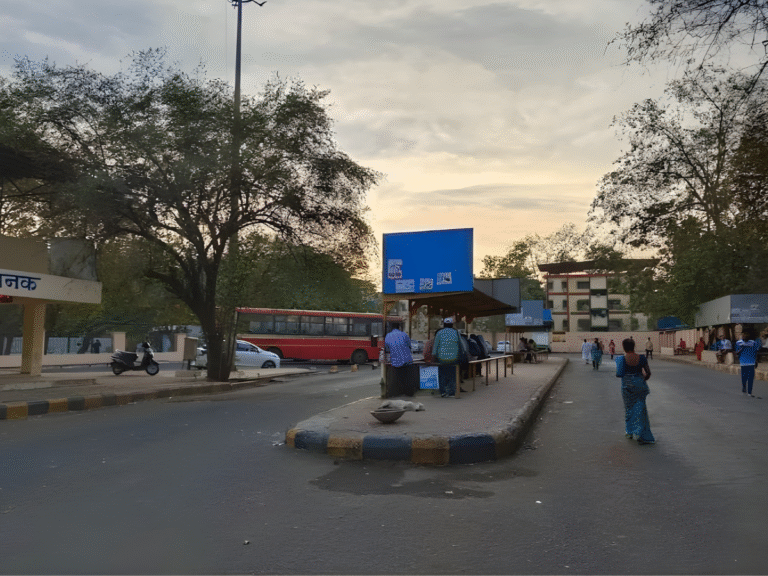
Quick Facts: Kalamboli Bus Depot
| Detail | Information |
|---|---|
| Address | Kalamboli Bus Depot, Near Steel Market, Sector 2, Kalamboli, Navi Mumbai |
| Pincode | 410218 |
| Operational Status | Open 24 Hours (Monday to Sunday) |
Bus Numbers Operating From Kalamboli Bus Depot
Kalamboli Bus Depot supports a mix of local, AC, and long-route services. While routes may slightly vary based on depot rotation, these are some commonly known and regularly used services connected to Kalamboli.
| Bus Number | Operator | Route / Connectivity |
|---|---|---|
| 57 | NMMT | Steel Market Kalamboli to Mansarovar Railway Station |
| 56 | NMMT | Kalamboli to Belapur CBD sectors |
| 30AC | NMMT | Kalamboli Roadpali to Uran |
| AS-503 | BEST (AC) | Kalamboli to Wadala Depot |
| C-53 Express | BEST | Kalamboli to Ghatkopar Bus Station |
| Multiple Services | MSRTC / Private | Pune, Nashik, Surat, Ahmedabad via highways |
Some buses originate here. Others pass through. Either way, Kalamboli acts like a filter point where passengers reshuffle before moving ahead.
Routes & Areas Covered
What makes Kalamboli Bus Depot powerful is not one route. It is the spread.
Towards Belapur and CBD side, buses connect Kalamboli with Kharghar sectors, CBD Belapur, Nerul pockets, and office-heavy nodes. These routes are packed during mornings and evenings, especially with corporate and government staff.
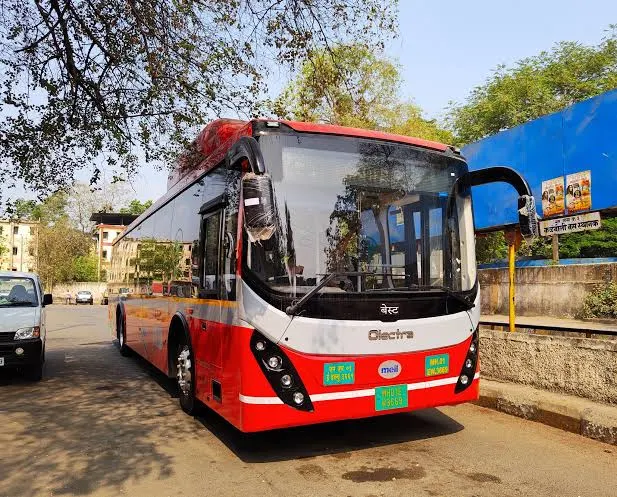
Towards Panvel side, buses move through Roadpali, Kalamboli Circle, Panvel city, Old Panvel areas, and sometimes extend further towards Khandeshwar or Kamothe depending on the service. Towards Mumbai and Thane, BEST AC buses take over. These buses move straight onto highways, skipping smaller internal roads. Ghatkopar, Wadala, and eastern Mumbai routes attract professionals who prefer seated AC travel over local trains.
The direction-wise flow is practical, not fancy. Buses go where people actually need to go.
Popular & Frequently Used Bus Routes
The Kalamboli to Mansarovar Railway Station route is heavily used by daily train commuters. Many workers from steel market areas depend on this bus to catch harbour line trains.
The Kalamboli to Belapur routes see office-hour surges. Morning buses are filled with ID cards, backpacks, and sleepy faces. Evening return trips feel slower. Tired. Quiet.
BEST AC routes like AS-503 and C-53 Express are popular among people who want predictable travel time. These buses are often chosen by those who dislike train crowding or need a direct highway run. Student-heavy routes usually overlap with Kharghar and Belapur zones. Exam seasons make these buses feel different. More silence. More notes. More urgency.
Connectivity From This Bus Depot
The nearest railway stations are Mansarovar and Navade Road on the harbour line. Neither is walking-friendly for most people, which is why feeder buses matter here. Metro connectivity is no longer just a future promise. With Navi Mumbai Metro Line 1 Phase 2 under development, Kalamboli will soon have multiple metro stations within its own node. Sector 7E, Sector 13, and Sector 2E stations are planned. Once operational, this changes everything. Bus plus metro becomes the new normal.
On the road side, Kalamboli touches almost every major artery. Sion Panvel Highway. NH 48. Panvel Bypass. Mumbai Pune Expressway access. This makes long-distance buses faster once junction work completes. Standing at Kalamboli, you can feel the city stretching in multiple directions at once.
Bus Frequency & Timing Pattern
Early morning buses start much earlier than many other depots. Steel market shifts, port workers, and warehouse staff need transport before sunrise. You will find buses moving even when the sky is still grey.
Peak hours are intense. Between 8 am to 11 am, and again from 5:30 pm to 8:30 pm, buses fill up quickly. Not chaotic, but heavy. Standing passengers are common. Late evenings still see steady movement. Unlike residential depots that slow down, Kalamboli remains active. Fewer buses, yes. But never silent.
Nearby Landmarks for Easy Identification
If you are trying to locate Kalamboli Bus Depot for the first time, these landmarks help. The Kalamboli Steel Market is the biggest reference point. Ask anyone nearby, and that is what they will mention first. Kalamboli Circle and major highway ramps surround the area. Trucks, containers, and long trailers are common sights.
CIDCO-developed sectors and industrial plots frame the depot. You will also notice warehouses, loading yards, and small food joints catering to workers.
Facilities Available at or Near the Bus Stop
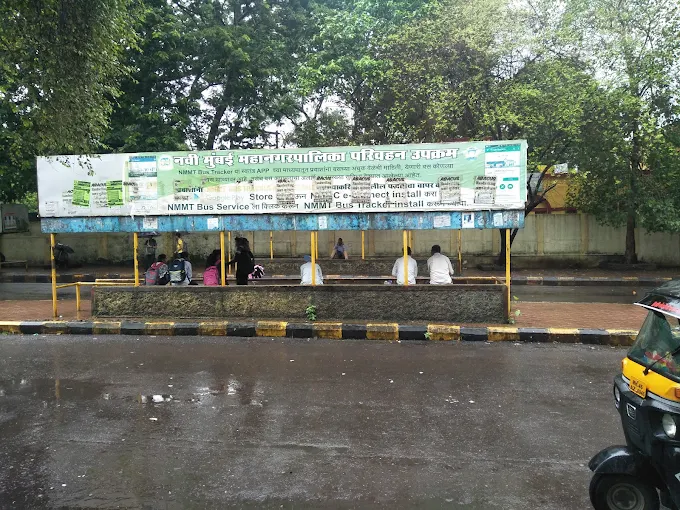
There is a basic waiting area where passengers gather. It fills up quickly during peak hours. Ticket counters and conductors manage most transactions on-board, though digital ticketing is increasingly used through NMMT systems. Autos and taxis are always available nearby. At odd hours, autos are often the only last-mile option.
Food stalls, tea counters, and small shops operate close to the depot. Nothing fancy. But enough to survive a long wait or night shift hunger. Security and CCTV upgrades have been happening gradually, which matters in a 24-hour environment.
The Local Buzz: What People Are Saying
Talk to regular commuters, and you hear mixed feelings. Some appreciate the reliability. Buses may be crowded, but they show up. That matters when your job depends on timing. Others complain about congestion near the junction. Delays happen. Especially during roadwork phases.
Steel market workers often say the depot feels like a meeting ground. You run into familiar faces daily. Same tea stall. Same bench. Same bus. There is also quiet optimism now. Metro stations coming up. Junction redevelopment underway. People sense change, even if it is slow.
Travel Tips for Commuters
If you use Kalamboli Bus Depot regularly, a few habits help. Boarding early during peak hours increases your chance of getting a seat, especially on BEST AC routes. If a particular bus feels too crowded, check nearby stops along the same route. Sometimes boarding one stop earlier or later changes the experience completely.
Keep buffer time during junction construction phases. Traffic conditions can shift daily. Late-night travellers should rely more on autos or pre-identified bus timings, as frequency reduces but does not stop. And yes, carrying water helps. Waiting times can stretch unexpectedly.
Conclusion
Kalamboli Bus Depot is not just another transport point on the map. It is a working engine. It supports steel markets, ports, offices, students, and long-distance travellers without asking for attention. Buses arrive. People move. Life continues.
With metro stations coming up and junction redevelopment reshaping traffic flow, Kalamboli is quietly stepping into a larger role. Not louder. Just stronger. For anyone navigating Navi Mumbai daily, this depot remains a place you may not think about deeply. Until you need it. And then, you are glad it is there.
FAQ's
Frequently Asked Questions