Kalamboli Warehousing and Logistics Guide: Best Uses, Areas, Risks and Practical Fit
Kalamboli is one of the most practical warehousing and logistics bases in the Navi Mumbai side of the region, but only for the right kind of operation. It works best as a highway-first, Panvel-side freight and storage location with useful JNPA-facing access, strong regional dispatch logic, and a real transport ecosystem. It is not automatically the best choice for every warehouse user. The right answer depends on your cargo type, truck movement needs, exact pocket, and whether you need road dispatch speed, steel-trade support, rail linkage, or port relevance.
A lot of pages on this topic stop at saying Kalamboli has “good connectivity.” That is not enough. In real life, warehouse performance here depends on whether you are taking space inside the older warehouse complex, on a highway edge, near steel-trade pockets, or in a mixed-use area that looks convenient on paper but becomes painful once bigger vehicles start moving.
This guide explains what Kalamboli is actually good for, who should choose it, where it becomes weak, and what to check before leasing or buying space.
What Kalamboli is actually good for in warehousing and logistics
Kalamboli’s real strength is not that it is just “in Navi Mumbai.” Its strength is that it sits at a major freight junction. The Sion-Panvel Highway, the Mumbai-Pune Expressway entry side, and the wider NH-48 and NH-66 movement logic all meet here. That makes Kalamboli more of a junction-led distribution base than a pure industrial warehouse zone.
In practical terms, this means Kalamboli is strongest when your business depends on dispatch in multiple directions. It works especially well for users who need to move goods toward Pune, South India routes, Panvel-side expansion areas, or JNPA-linked movement without sitting too deep inside a purely port-side or purely industrial belt.
Quick summary: when Kalamboli makes sense
| Use case | Kalamboli fit | Why |
|---|---|---|
| Regional dispatch hub | High | Fast access to the highway network and Panvel-side freight movement |
| Steel and heavy materials | Very high | Strong steel-trade ecosystem, yards, weighbridges, and transporter base |
| Office plus godown format | High | Practical in older logistics pockets and warehouse complex areas |
| Bulk multimodal movement | Moderate to high | Rail-linked relevance through CWC and freight handling ecosystem |
| Large Grade A e-commerce fulfillment | Moderate | Possible in select stock, but not as naturally strong as bigger modern warehouse belts |
| Port-only CFS style logic | Moderate | Useful, but not as direct as Dronagiri/Uran |
| Chemical or manufacturing-linked warehousing | Moderate to low | Taloja often fits better for industrial integration |
Why businesses choose Kalamboli and why some should avoid it
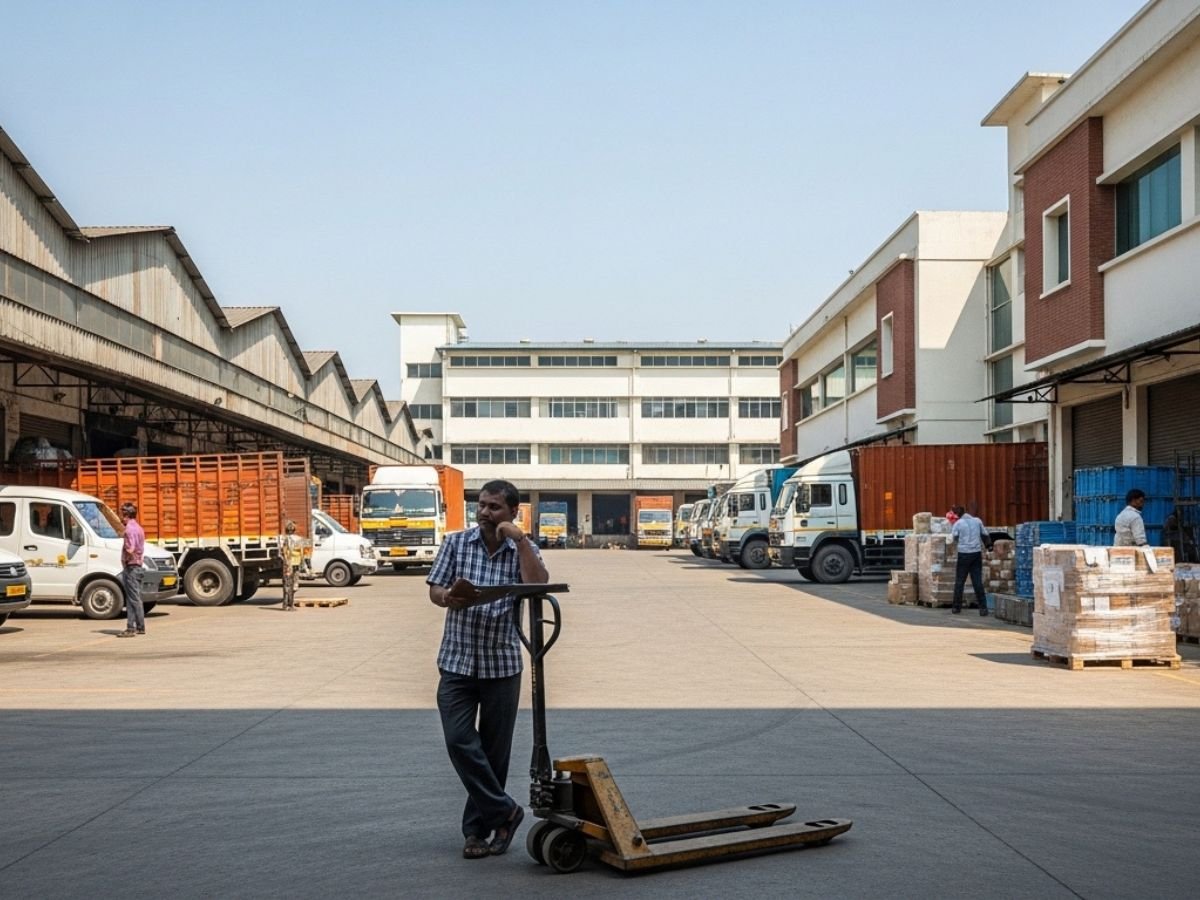
Businesses choose Kalamboli when movement matters more than image. It is a very practical place for transport-heavy users, freight forwarders, steel traders, distributors, and businesses that need a working logistics base rather than a polished logistics park identity.
When Kalamboli works well for regional dispatch and transport-heavy operations
If your business depends on goods moving in and out regularly, Kalamboli’s location is a serious operational advantage. A transporter, LTL consolidator, or regional distributor can use it as a staging point between Mumbai-side demand, Panvel-side growth, Pune movement, and highway freight routes.
This is why transport offices, godowns, and dispatch-linked warehousing continue to have real logic here. The area already has an ecosystem of transport agencies, freight handlers, yards, and cargo users. That network effect matters. In logistics, being near the right operators can reduce delay, improve vehicle availability, and sometimes even help with backhaul efficiency.
When port-facing logic helps
Kalamboli also has useful JNPA-facing relevance. The distance is practical enough to support heavy cargo movement and drayage logic, especially for businesses that handle both domestic and export-linked flows. But this advantage should be understood properly.
Kalamboli is not the same as being at the port gate. Port benefit here is real, but timing-dependent. If your cargo is sensitive to peak-hour restrictions or your operations cannot adjust to movement windows, the advantage becomes weaker than marketing language suggests.
When another belt may fit better
Kalamboli is not ideal for every warehouse search. Large 3PL users or e-commerce operators wanting massive, clean, single-floor Grade A footprints may find better options in larger modern warehouse clusters. Users who need a pure EXIM gateway close to container freight stations may prefer Dronagiri or Uran. Manufacturing-led warehousing often fits more naturally in Taloja MIDC because that ecosystem is built differently.
In simple terms, Kalamboli is strong when your business needs movement, linkage, and working freight practicality. It becomes weaker when you need a very large-format, highly standardized, institutionally planned warehousing environment.
Kalamboli is not one warehouse market: which local pockets behave differently
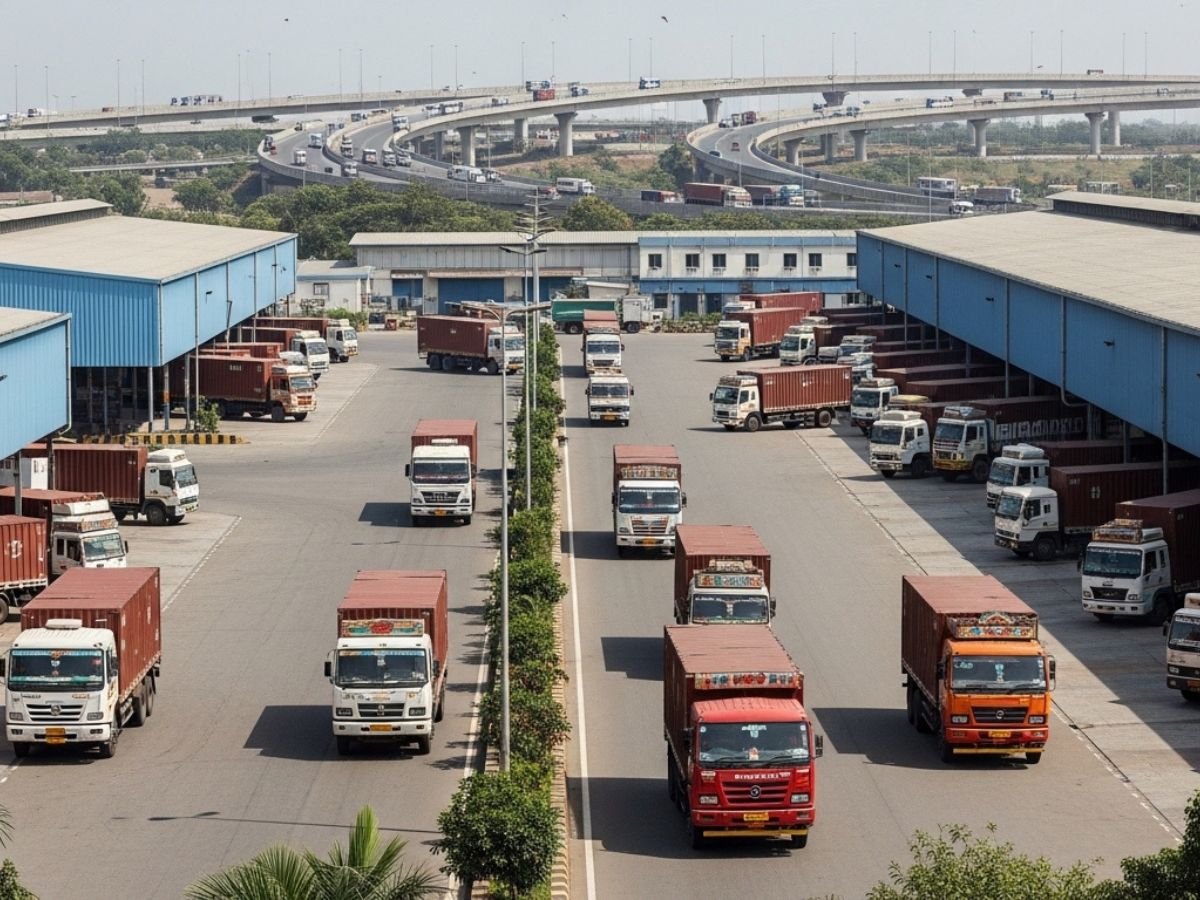
This is where many weak articles fail. “Kalamboli” is not one warehouse answer. Internal pockets behave very differently, and that changes fit, cost, and ease of operation.
Kalamboli Warehouse Complex and transport-heavy pockets
The Kalamboli Warehouse Complex is the most obvious logistics identity in the area. It has a long-standing mix of transport offices, godowns, and operations that need administration and storage to sit close together. For many freight users and smaller businesses, this office-plus-godown format is still highly practical.
But older sectors inside such pockets can come with trade-offs. Internal roads may be narrower. Bigger trailers may struggle with turning. Older structures may not match modern loading needs. So the same “KWC address” can be excellent for one operator and frustrating for another.
Highway-linked stock and junction-dependent stock
Properties along the highway edge or near fast-exit corridors are a different class. These spaces are usually preferred by users who care about quicker entry and exit, lower internal congestion risk, and cleaner dispatch movement. They often command higher rents, but the higher rent can be justified if the operation saves time every single day.
This is especially relevant for users whose vehicles are billed tightly, whose detention costs are high, or whose dispatch schedule gets damaged by internal bottlenecks.
Steel-market and trade-linked storage pockets
Kalamboli’s steel and heavy-material ecosystem is one of its biggest local strengths. The steel-market logic here is not just about storage. It is about how the full trade works on ground: weighbridges, yards, crane access, high-load movement, and transporters who already understand the commodity.
For iron, steel, pipe, rebar, sections, and heavy engineering supplies, this makes Kalamboli far more specialized than a generic warehouse location.
Mixed-use edges that look convenient but may not suit real logistics
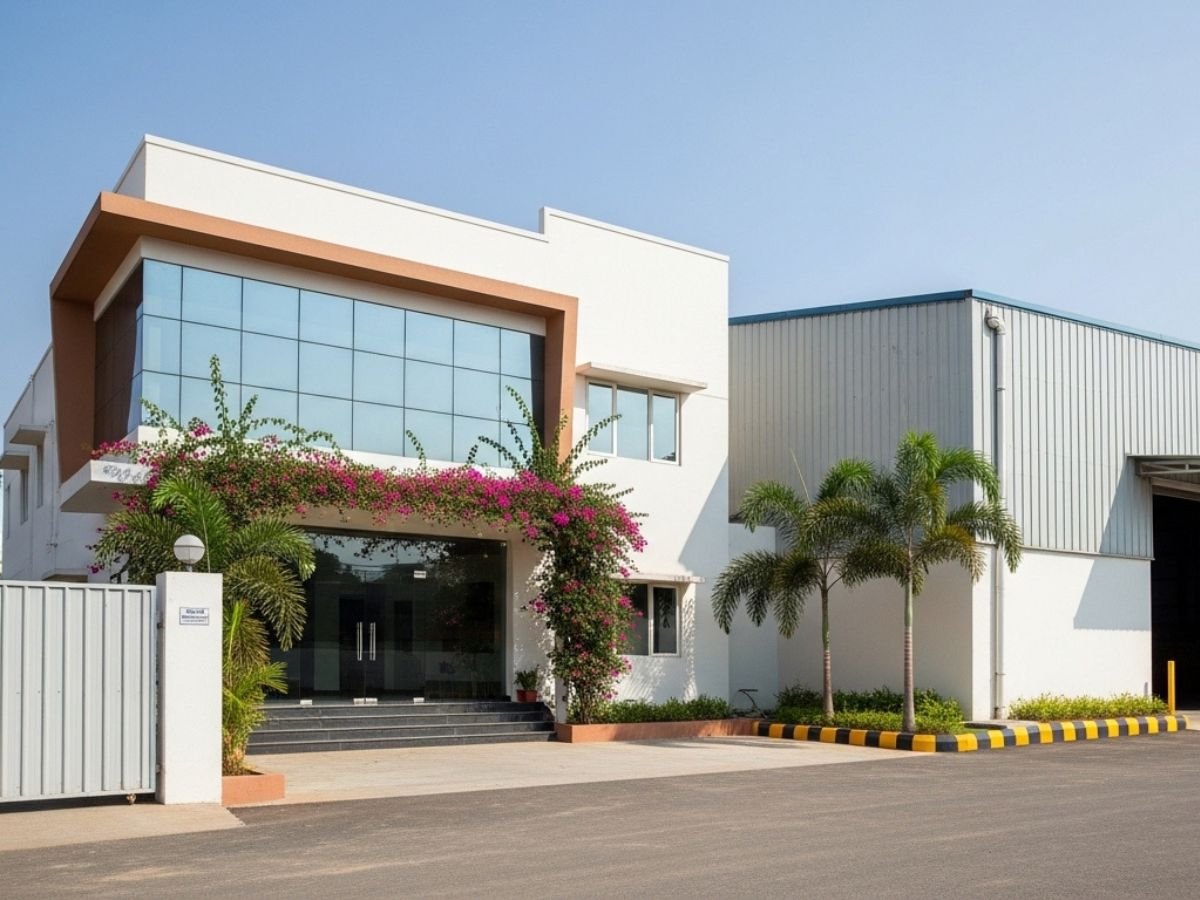
Some smaller pockets near Panvel or Kamothe-side edges may look affordable and workable for MSMEs. They can suit smaller storage users, light dispatch setups, or office-plus-stock businesses using smaller commercial vehicles. But these same areas may become difficult for heavy truck parking, repeated loading cycles, or trailer movement.
That is why an affordable unit is not always a practical logistics unit.
Which operations fit Kalamboli best
Kalamboli has a clear operational profile. It is strongest when the business needs movement efficiency, trade ecosystem support, or practical freight handling more than glossy warehousing branding.
Transport, freight, forwarding, distribution and overflow storage
This is one of Kalamboli’s best use cases. The area works well for freight operators, forwarding-linked businesses, cross-docking, overflow storage, and regional redistribution. It acts like a buffer zone before goods are broken down and moved onward.
A logistics company serving Navi Mumbai, Panvel, and Pune-side customers can often run more practically from Kalamboli than from a more remote giant warehouse cluster.
Industrial-support and building-material movement
For steel stockists, construction suppliers, pipe and tube dealers, and engineering-material handlers, Kalamboli is one of the strongest operational matches in the region. The ecosystem is already built around heavy goods. That matters a lot more than many readers realise.
A steel trader, for example, does not just need covered area. He may need yard strength, weighbridge access, crane handling logic, and transporters comfortable with heavy-load dispatch. Kalamboli supports that better than many cleaner-looking warehousing belts.
Smaller businesses needing office plus godown practicality
This is another real Kalamboli strength. Smaller distributors, pharma stock users, FMCG handlers, and local trade businesses often need a place where stock and staff sit together without moving to a full-fledged logistics park. Kalamboli’s office-plus-godown model suits that reality.
This is especially useful for operators serving Kharghar, Kamothe, Panvel, and nearby residential-commercial belts using smaller commercial vehicles.
Operations that usually need a different kind of belt
Not every business should force-fit Kalamboli. Massive e-commerce fulfillment needing very large standardized floor plates may find better efficiency elsewhere. Pure CFS-led port logic is usually stronger closer to Dronagiri/Uran. Hazardous or manufacturing-heavy users may need Taloja’s industrial framework instead of a transport-led market.
Which property formats make the most sense in Kalamboli
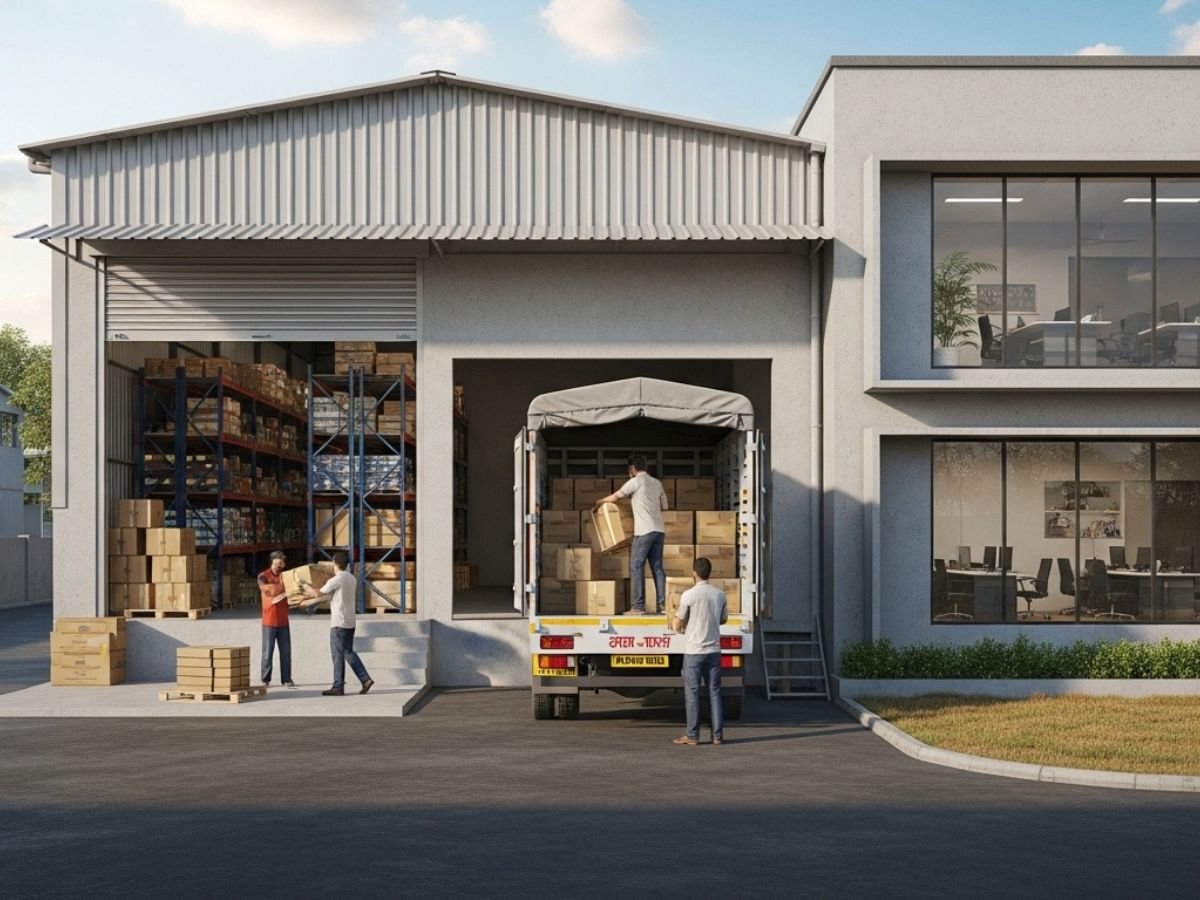
The word “warehouse” is too broad here. In Kalamboli, property format changes the answer.
Standard warehouse
This is the most common requirement. It can be an older RCC godown or a more modern PEB shed. The difference matters. PEB sheds with better height and floor capacity suit racking and cleaner operational layouts. Older RCC godowns can still work well for moderate storage, but not every one of them is suited to modern logistics intensity.
Open yard or staging yard
This format is crucial for steel, scrap, heavy equipment, construction material, and certain transport-led businesses. Open yard users should be more concerned with flooring strength, turning space, lighting, and security than with a polished building façade.
In many heavy-goods businesses, a strong yard is more useful than a weak covered unit.
Office plus godown format
This is one of the most practical Kalamboli formats. Freight-forwarding firms, transport users, customs-linked documentation teams, and small trading businesses often want administration and stock together. Kalamboli supports this model better than many large institutional warehouse zones.
Cargo-linked facility or rail-adjacent logic
The CWC-linked ecosystem adds an extra layer of relevance for users who think beyond pure road logistics. Rail and multimodal handling are not relevant to every business, but for bulk commodities and certain industrial flows, they add real depth to Kalamboli’s logistics position.
How road, rail and port connectivity really affect warehouse usefulness here
Connectivity is Kalamboli’s biggest strength, but it needs to be read properly.
Mumbai-Pune and Panvel-side movement logic
Kalamboli benefits from being tied closely to the Mumbai-Pune movement corridor. For goods heading toward Pune or coming from interior Maharashtra, this is a practical advantage. It also helps users serving Panvel-side growth, which continues to matter more as the wider region expands.
However, this does not mean every warehouse in Kalamboli performs equally well. A highway-near shed and a deep internal unit can feel like two different markets once daily truck movement starts.
JNPA-facing movement: real benefit versus exaggerated sales talk
Yes, Kalamboli has useful access to JNPA-linked movement. But no, that does not mean every port-linked occupier should automatically choose it. Traffic conditions, movement restrictions, and dispatch scheduling matter. In 2026, heavy-goods vehicle restrictions in peak windows have made operational timing more important.
So the practical question is not “Is Kalamboli near JNPA?” The practical question is “Can your cargo movement plan still work within the timing reality?”
Rail and freight relevance: when it matters and when it does not
The CWC presence and rail-linked freight handling matter for specific users, especially bulk commodity players or businesses that want multimodal resilience. For a steel or cement-linked operator, that ecosystem can be valuable. For a small FMCG distributor using small trucks only, it may be far less important.
That is the larger point throughout this guide: in Kalamboli, infrastructure value depends heavily on the operation type.
What to inspect before you lease or buy warehouse space in Kalamboli
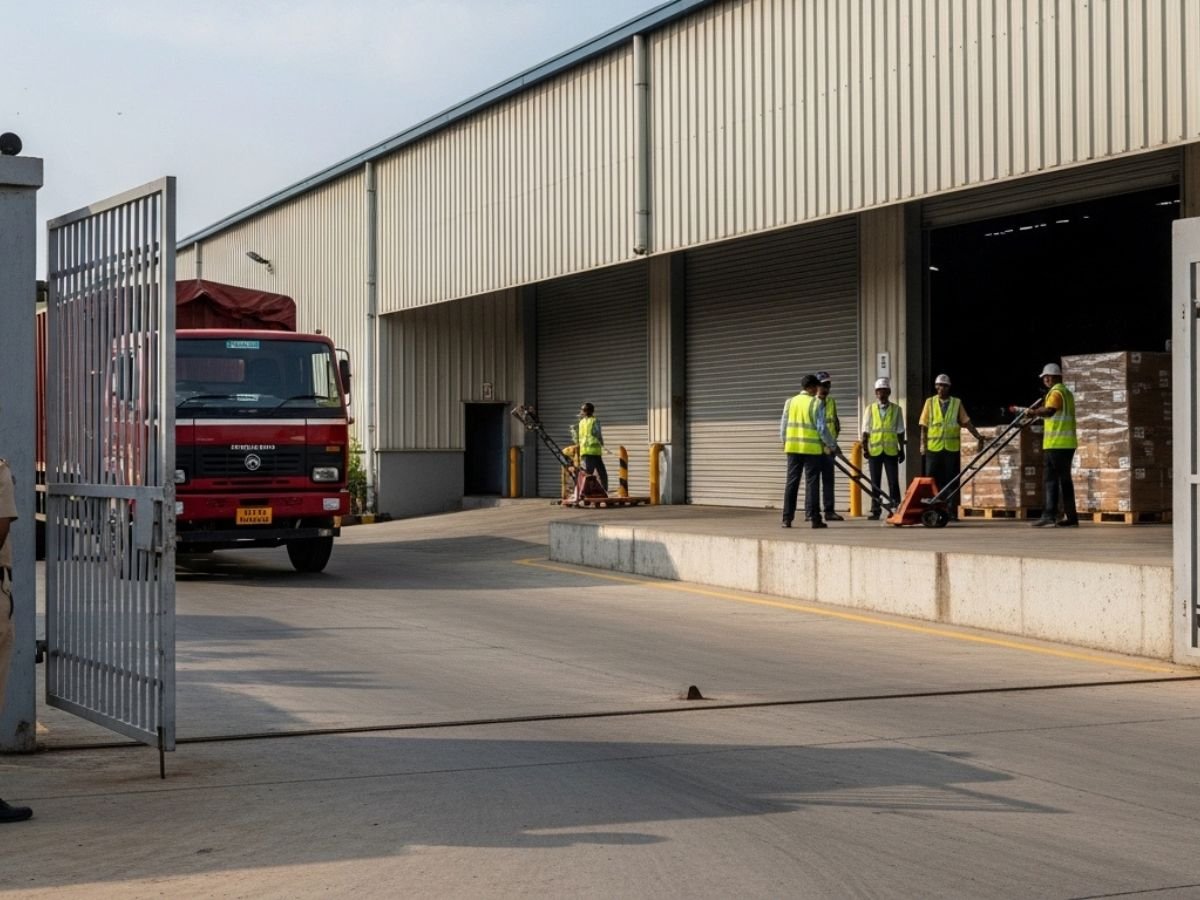
This is where many bad deals begin. A warehouse may look workable on visit day, but the real issues appear later in documents, access, utilities, or compliance.
Land authority, title, transfer and permitted use
A large part of warehousing stock in Kalamboli has CIDCO-linked leasehold context. That means you cannot treat every purchase or transfer like a simple freehold property deal. You must check the lease deed, allotment letter, transfer rights, tenure, and the actual permitted use.
If a CIDCO NOC or transfer position is unclear, the asset may later create serious problems in resale, mortgage, or even lawful occupation. If the building is eligible for leasehold-to-freehold conversion under newer policy routes, that may improve long-term liquidity, but that must be verified property by property.
Truck entry, internal turning, loading and road width
A logistics property without proper truck movement is not a good logistics property. This sounds obvious, but it gets ignored often. Internal road width, turning radius, gate clearance, loading bay practicality, and whether 40-foot trailers can actually function there should be physically checked.
A location that works for smaller trucks may fail completely for bigger vehicle cycles.
Fire, structure, drainage, power and operational readiness
Older stock often needs closer inspection. Floor strength matters. Drainage matters. Fire NOC and hydrant readiness matter. Power capacity matters, especially if the user needs cranes, equipment, or cold-chain style load.
If the warehouse lacks a valid Occupancy Certificate, that is a major red flag. “OC coming soon” is not the same as OC in hand.
Practical site and document checklist
Before finalising any warehouse or godown in Kalamboli, check these points:
- lease deed, allotment letter, and title chain
- transfer rights and CIDCO approval position, where applicable
- actual permitted use of the plot or building
- Occupancy Certificate status
- fire compliance and safety system readiness
- internal road width and trailer movement practicality
- floor strength for the actual cargo type
- loading-unloading layout and plinth height
- drainage during monsoon conditions
- power capacity and utility reliability
- property tax, dues, CAM, and maintenance position
- whether the quoted space is legally usable in the way it is being marketed
What usually drives total occupancy cost in Kalamboli beyond base rent
This is one of the most important parts of the decision. Base rent alone can mislead you badly.
Indicative asking rents in recent market bands for standard sheds have generally moved around roughly ₹25 to ₹45 per sq ft depending on frontage, building quality, exact pocket, and format. But that number is only the starting point. Negotiated reality varies by stock, owner urgency, property condition, and deal size.
The bigger question is total occupancy cost.
A cheaper internal unit can become more expensive if vehicles lose time at entry and exit, if detention charges keep increasing, if the floor cannot take the load, or if the tenant must spend on compliance upgrades. CAM can add around ₹2 to ₹5 per sq ft in organized setups. Industrial power cost and utility setup can also materially change the final monthly burden. On purchase deals, CIDCO-linked transfer charges can be a very large hidden cost.
This is why highway-edge stock sometimes justifies its premium. Paying more rent for smoother dispatch can still save money overall.
Kalamboli vs Taloja vs Dronagiri/Uran vs Bhiwandi: where does Kalamboli really fit
| Factor | Kalamboli | Taloja | Dronagiri / Uran | Bhiwandi |
|---|---|---|---|---|
| Best for | Regional dispatch, steel trade, office-plus-godown, transport-heavy logistics | Manufacturing-linked warehousing, engineering and industrial users | Port-led EXIM, CFS-style logic | Large-scale modern warehousing, e-commerce and big-box logistics |
| Local logic | Highway-first, Panvel-side junction market | MIDC-led industrial ecosystem | Port doorstep advantage | Volume and scale advantage |
| Port relevance | Useful, but timing matters | Moderate | Strongest | Weaker |
| Pune-side movement | Strong | Good | Fair | Fair |
| Large Grade A footprint availability | Selective | Moderate | Selective | Strong |
| Heavy materials ecosystem | Strong | Moderate | Limited | Limited |
| Best fit for Navi Mumbai-focused distribution | Strong | Moderate | Weak to moderate | Moderate |
Common mistakes people make when taking warehouse or logistics space in Kalamboli
The most common mistake is treating all Kalamboli space as equal. It is not.
Another mistake is choosing a unit based only on low rent and then discovering that trailers cannot move properly, loading takes too long, or internal congestion keeps damaging dispatch performance.
A third mistake is skipping CIDCO or leasehold due diligence on purchase deals. That can become expensive later. So can assuming “near OC” is good enough, or using a normal shed for cargo that needs heavy-load flooring and specialized yard logic.
In Kalamboli, small operational details decide whether a warehouse works smoothly or becomes a daily headache.
Is Kalamboli the right logistics base for your business?
Kalamboli is a yes if you are in steel, building materials, freight forwarding, regional dispatch, transport-led warehousing, or office-plus-godown logistics.
It is a maybe if you are an e-commerce or last-mile user, because the answer will depend on vehicle type, exact pocket, and whether your operation can work around movement restrictions.
It is a no if you need a huge standardized Grade A logistics campus, a pure CFS-at-port location, or an industrial-manufacturing environment that is better handled in another belt.
The simplest way to think about Kalamboli is this: it is not the cleanest one-line warehousing answer, but it is one of the most practical working logistics answers in the Navi Mumbai-Panvel side region.
Conclusion
Kalamboli is not a one-size-fits-all warehouse destination, but it is one of the most practical logistics bases in the Navi Mumbai side market when the operation matches the location. Its biggest strengths are highway-led dispatch, transport ecosystem depth, steel-trade relevance, office-plus-godown practicality, and useful regional connectivity. Its biggest risks are pocket mismatch, overhyped port logic, access friction, and weak due diligence.
If your business needs a working freight base that connects road movement, trade handling, and Panvel-side logistics logic, Kalamboli deserves serious consideration. If you need giant Grade A scale, pure port-edge dependence, or manufacturing-led infrastructure, another belt may fit better.
FAQs
Frequently Asked Questions