
Morbe Dam: Lifeline of Navi Mumbai’s Water Supply
Navi Mumbai’s Primary Water Source. It’s easy to take water for granted until it stops flowing from your tap.
But behind that invisible flow lies something massive, something quiet and powerful: Morbe Dam. Tucked away in the lush hills of Raigad district, this reservoir doesn’t just hold water it holds the everyday rhythm of Navi Mumbai, Panvel, and several nearby villages.
Owned by the Navi Mumbai Municipal Corporation (NMMC), Morbe isn’t just any dam. It’s one of the rarest examples in India where a municipal body owns and operates a major dam. That makes NMMC unique and powerful in managing its own water destiny.
Morbe Dam is the primary source of water for over 12 lakh residents across Navi Mumbai. Without it, life in Kharghar, Nerul, Kamothe, and even Panvel would look very different. No clean drinking water, no gardens, no development.
And yet, many locals don’t even know where Morbe is. Or that it was completed post-independence. Or how vital it is during dry years.
So, here’s a complete guide a little technical, a little emotional, and very relevant. Let’s start with where this giant lives.
Morbe Dam Location and Structural Details
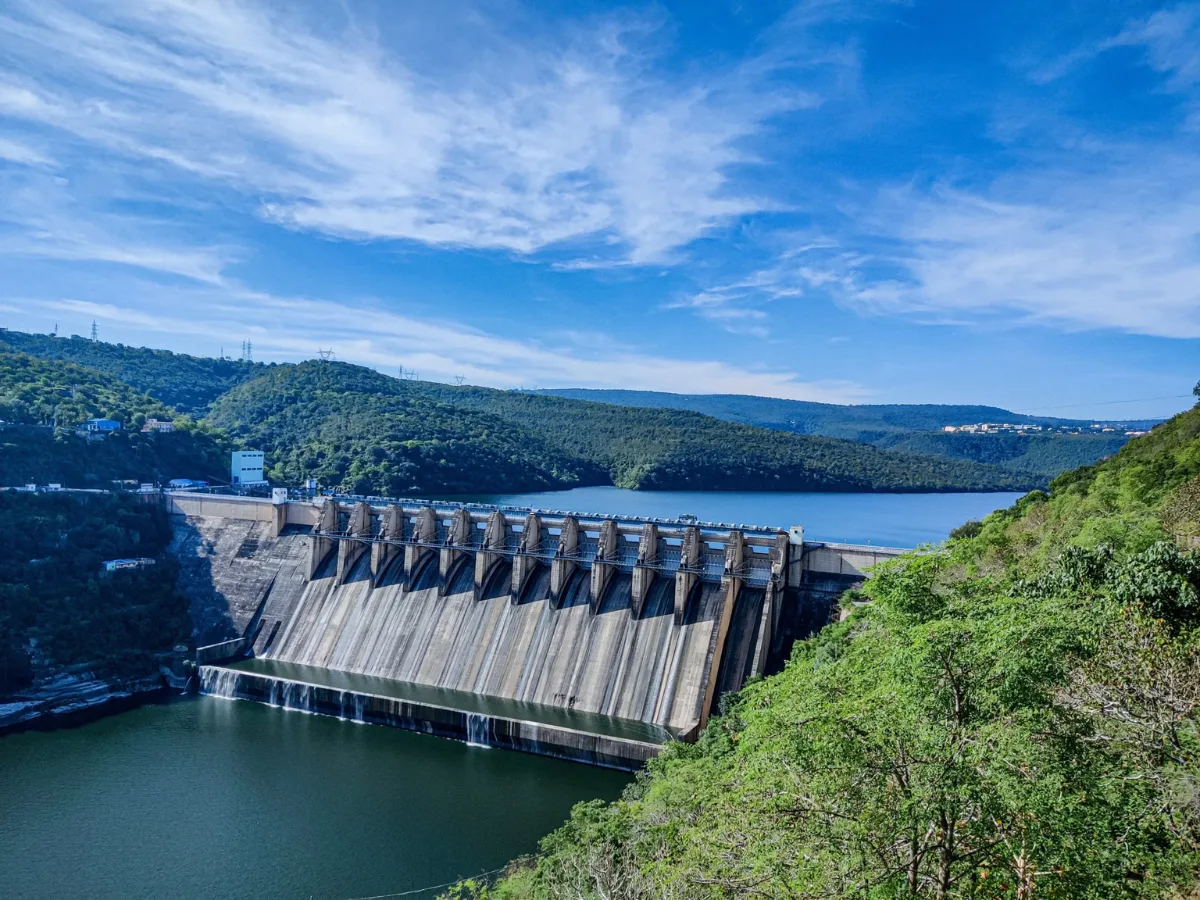
Morbe Dam is located in Khalapur Taluka, nestled within the Raigad district of Maharashtra, about 35-40 km from Navi Mumbai. It’s built across the Dhavari River, a lesser-known but incredibly important river that feeds the growing city.
You can reach it via:
- Mumbai-Pune Expressway (Shedung-Rasayani exit)
- Or the older Mumbai-Pune highway, cutting through green hillscapes and tiny villages
The moment you reach the dam site, there’s a sudden hush. The sound of traffic fades. The lake opens up like a hidden secret-serene, massive, and oddly calming.
Technical Highlights :
Height & Length
59.1 Meters High | 3,420 Meters Long
Storage Capacity
190.89 Million Cubic Meters (MCM)
Catchment Area
57.89 Sq. Km of Monsoon-fed land
River Source
Built across the Dhavari River
It might look simple on the outside, but structurally, it’s one of the most significant projects taken up in post-independence Maharashtra. Originally constructed to meet Panvel’s water needs, it gradually evolved into the sole backbone for NMMC’s supply grid.
The region’s monsoon-fed catchment fills up the reservoir annually, storing just enough water to supply the growing city for 10–11 months. Sounds just enough, right? But even a delay of a few weeks in the monsoon… and panic buttons are pressed.
Water Supply, Distribution, and Real-World Impact
Morbe Dam Water Supply: Meeting Navi Mumbai’s Needs
If there’s one number to remember when it comes to Morbe Dam, it’s this:
450 to 476 Million Litres per Day (MLD).
That’s how much water Morbe Dam sends across Navi Mumbai every single day.
Yes, it’s a lot. And yes, it’s needed. With new high-rises popping up in places like Kharghar, Kamothe, Panvel, and Seawoods, and the population crossing 12+ lakh, this volume isn’t a luxury—it’s a bare necessity.
How is this water distributed?
| Distribution Type | Volume (MLD) |
|---|---|
| Residential & Commercial (NMMC) | 415.40 MLD |
| Kamothe Node | 37.00 MLD |
| Civic Maintenance (Gardens/Trees) | 15.00 MLD |
| Total Daily Supply | 467.40 MLD |
A quick pause here because this part really highlights the scale of planning. Supplying 400+ MLD consistently means that not just Morbe, but also Bhokarpada Water Treatment Plant, the pipelines, valves, tanks, and pressure regulators all must work without fail.
Ever had a sudden water cut and wondered why? Chances are, something at one of these control points went wrong-or the dam level dipped too low.
Morbe vs Other Regional Dams: What Makes It Special?
Navi Mumbai isn’t completely cut off from other water sources.
There’s Hetawane Dam near Pen. There’s Dehrang Dam that partially supports Uran and JNPT. But those aren’t under NMMC’s control, and supply can be erratic depending on rainfall, politics, or infrastructure.
That’s what makes Morbe different. It’s owned by NMMC, built for Navi Mumbai, and run by the same body that governs your roads, garbage collection, gardens, and town planning.
That means fewer dependencies. More autonomy. And most importantly faster decisions in times of crisis.
Like in 2017, when Panvel was facing a severe shortage, NMMC diverted 20 MLD from Morbe temporarily to help the city. A bold move-but only possible because the dam was in their control.
Real People, Real Dependence
This isn’t just about statistics. It’s about homes.It’s about a family in Nerul being able to bathe during a scorching summer day. It’s about students in Panvel having drinking water in school. It’s about that ice gola vendor in Vashi keeping his business running.
Water is personal. And Morbe is at the center of it all.
You might not think about it while washing your hands but next time you fill a bucket, just know: you’re holding a piece of Morbe.
Current Water Level , News, and Historical Trends
Current Morbe Dam Water Level Today(March 2026)
Live Status: March 2026
Last Verified: March 5, 2026
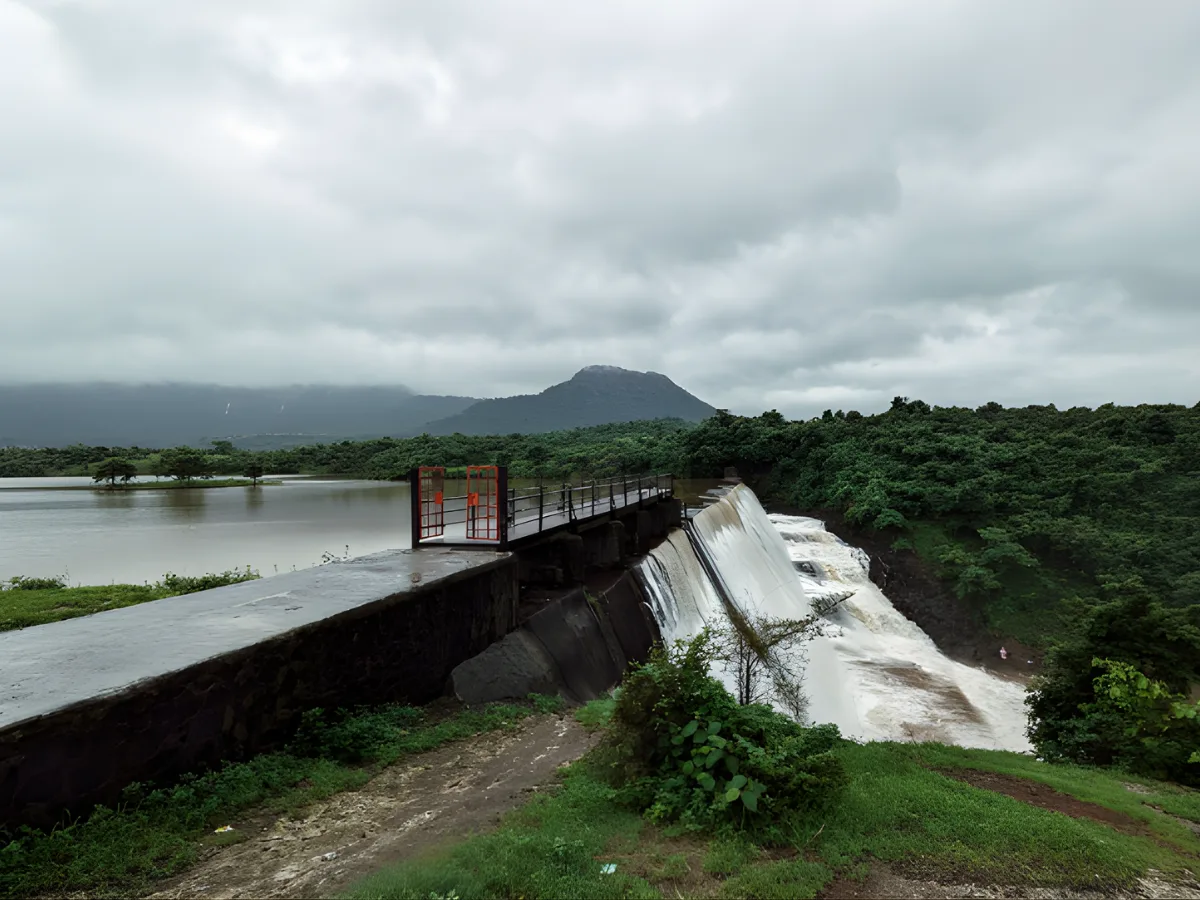
Morbe Dam Water Level: Summer 2026 Outlook As of March 5, 2026, Morbe Dam is currently at 62% capacity. While the levels have naturally dipped from the post-monsoon highs of 2025, the storage is currently stable.
At the current daily draw of 460+ MLD, Navi Mumbai has enough water to last until the expected arrival of the 2026 monsoon in mid-June. NMMC has confirmed that there are no planned water cuts for the month of March, providing a huge relief to residents of Kharghar, Panvel, and Vashi as the summer heat begins to rise.
Morbe Dam Water Supply News Today: July 2025 Highlights
This year, the rain gods arrived right on time.
In just four weeks of July, the dam’s catchment area received 740 mm of rainfall, which is 10% higher than the same time last year.
Some key highlights from this month:
- The rainfall bumped water levels by over 38% in just 20 days
- NMMC lifted all planned water cuts across Navi Mumbai
- Tanker services, which were on standby for Kamothe and Nerul, were suspended
Residents who faced alternate-day supply in June can now breathe easy. Tap water is back to full pressure. And gardens across CBD Belapur and Sanpada are green again.
Monsoon 2025 is already outperforming 2024-and we’re not even done with July.
Historical Water Level Trends at Morbe Dam
Here’s a quick flashback through recent years. The numbers tell their own story:
2023: Morbe overflowed on September 24 after receiving 3,549 mm of rainfall
Supply lasted the entire year without any cuts
2022: Dam was 98% full by end of August (water level: 87.51m)
Total rainfall: 3,559.40 mm
Stored water lasted 332 days
2021: Record-breaking monsoon with 4,226.80 mm rainfall
Morbe hit its maximum capacity of 190.89 MCM
2024: A wake-up call
Each year tells us one thing: Monsoon timing is everything.
A delay by even two weeks in rainfall can bring the entire supply system to its knees. And a good July like in 2025 can save the whole city.
Looking Ahead: Will Morbe Overflow in 2025
To overflow, Morbe needs around 3,300 to 3,400 mm of rainfall in its catchment area.
As of now (July 25, 2025), it has received 2,879 mm. That’s nearly 87% of the way there-with over a month of monsoon left.
If rains continue like this, we might see overflow by mid-to-late August. And if that happens, Navi Mumbai is in for a safe and well-supplied 2025-26.
Rainfall, Water Cuts, Social Impact, and the Environment
Morbe Dam’s Role in Preventing Water Cuts
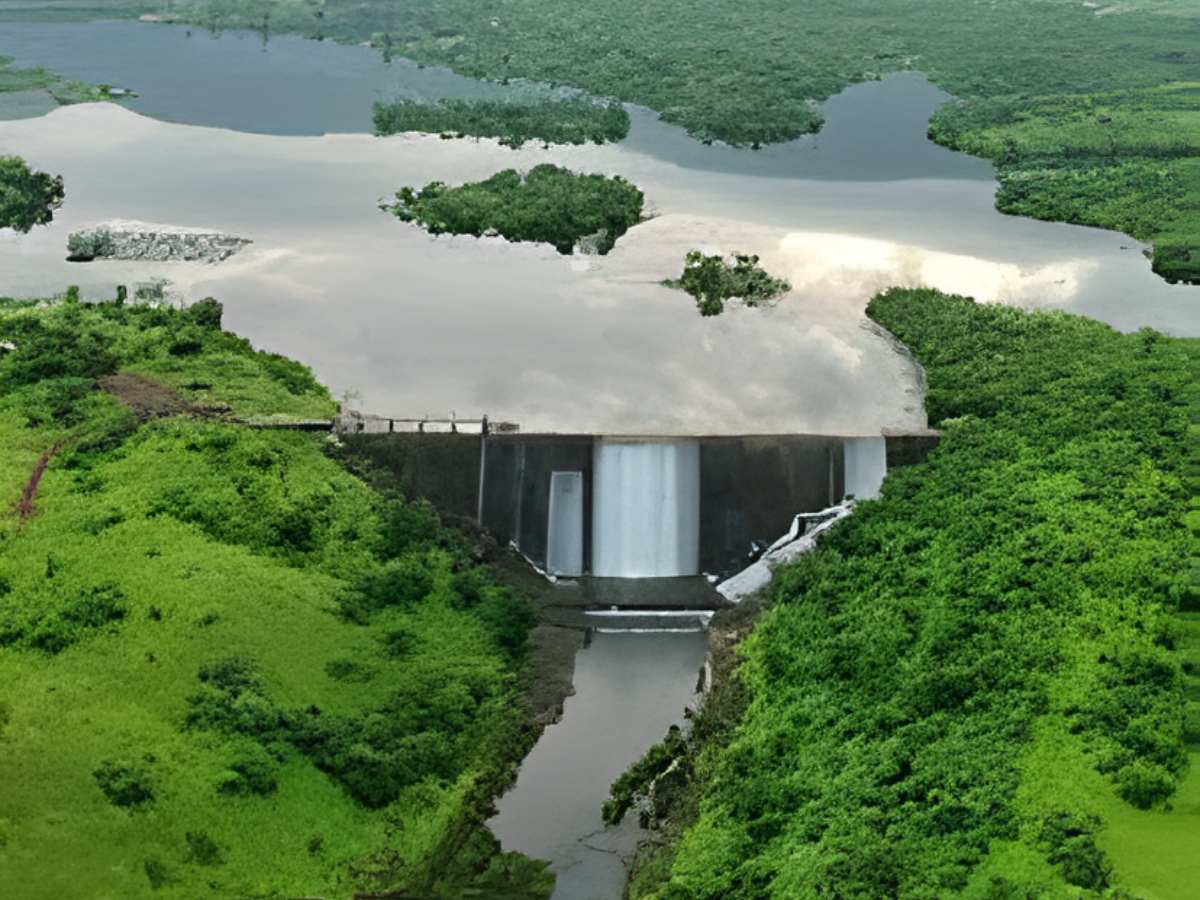
Water cuts are dreaded. They disrupt routines, businesses, schools, and even emotions. But over the years, Morbe Dam has acted like a buffer, absorbing the shocks that poor rainfall or overpopulation could have caused.
Take 2024, for example.
In June, Morbe’s water level hovered between 26–29%, dangerously low for mid-year. NMMC had no choice but to announce alternate day water supply in several zones:
- Koparkhairane
- Vashi
- Airoli
- Kalamboli
But by August, just when panic was setting in, monsoon picked up pace. Rainfall surged, water levels rose, and by mid-September, NMMC officially lifted all water cuts. Life returned to normal.
Now compare that to 2015–2016, when Maharashtra faced a massive drought. Morbe, too, suffered. That year, 33% water cuts were imposed in Navi Mumbai. Schools shortened hours. Tankers roamed residential societies. It was a reminder: even a giant like Morbe isn’t immune to climate unpredictability.
But thanks to proactive planning, weather tracking, and controlled releases, NMMC has learned to manage tight years better.
And that brings us to rainfall.
Rainfall and Catchment Area Insights
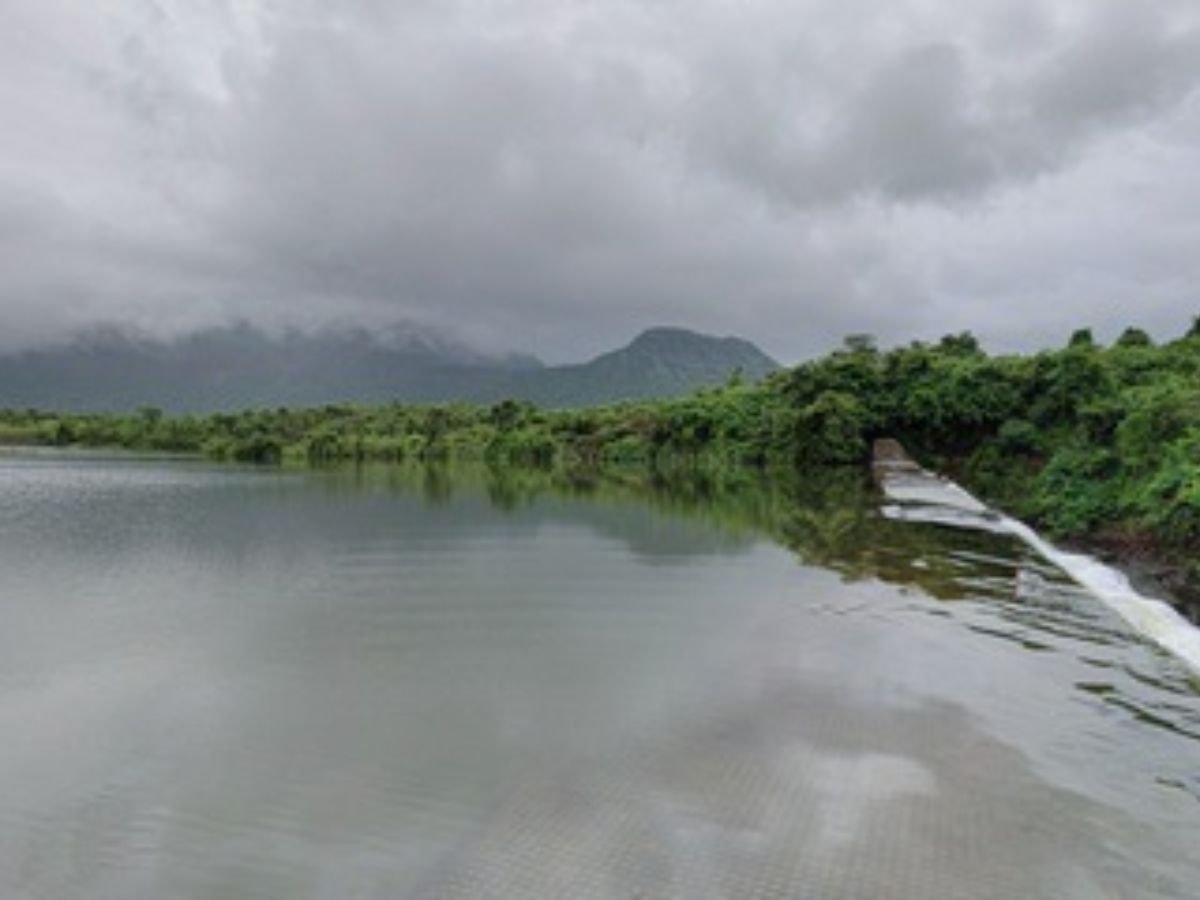
Morbe’s catchment area (57.89 sq. km) isn’t just scenic-it’s functional. Every drop that falls there could be a drop that runs through your tap weeks later.
For Morbe to reach overflow, it needs about 3,300–3,400 mm of rainfall. So where do we stand?
Here’s the data:
- 2025 (till July 25): 2,879 mm so far
- 2024: 3,006 mm total by end of August (overflowed late)
- 2023: 3,770 mm
- 2022: 3,559.40 mm
- 2021: Highest in recent years with 4,226.80 mm
If 2025 rainfall continues even moderately, we’re almost guaranteed to see Morbe overflow by mid-August, ensuring no water shortage till next summer.
That’s the power of timing. Not just how much rain falls-but when it falls.
Morbe Dam’s Environmental and Social Impact
On one hand, Morbe gives us clean, potable water-free from industrial pollution that affects rivers like Mithi or even Ulhas.
But there’s another side.
When Morbe was constructed in the early 1980s, around 2,897 people from 11 villages were displaced. That’s not a small number. These weren’t just statistics-they were families, farmers, fishermen, tribal communities-who had lived near the Dhavari river for generations.
The 1981 census documented these displacements, and while many were compensated and relocated, the emotional cost? Harder to quantify.
Even today, during overflow events, alerts are sent to local gram panchayats downstream. Water is beautiful-but also dangerous when uncontrolled.
Thankfully, NMMC uses controlled releases-ensuring both safety and storage balance.
And for the city? It means safe drinking water without chlorine stink, reliable supply even in peak summer, and no dependence on private tankers.
That’s something most metro cities in India can’t claim.
Main Sources of Water Supply to Navi Mumbai
Navi Mumbai’s growing population relies on multiple sources for water-but the primary lifeline is Morbe Dam, managed by CIDCO.
Largest Dams in Maharashtra by Storage Capacity
|
|---|
Tourism, Challenges & What the Future Holds for Morbe Dam
Morbe Dam as a Hidden Tourist Gem (That’s Not Fully Open Yet)
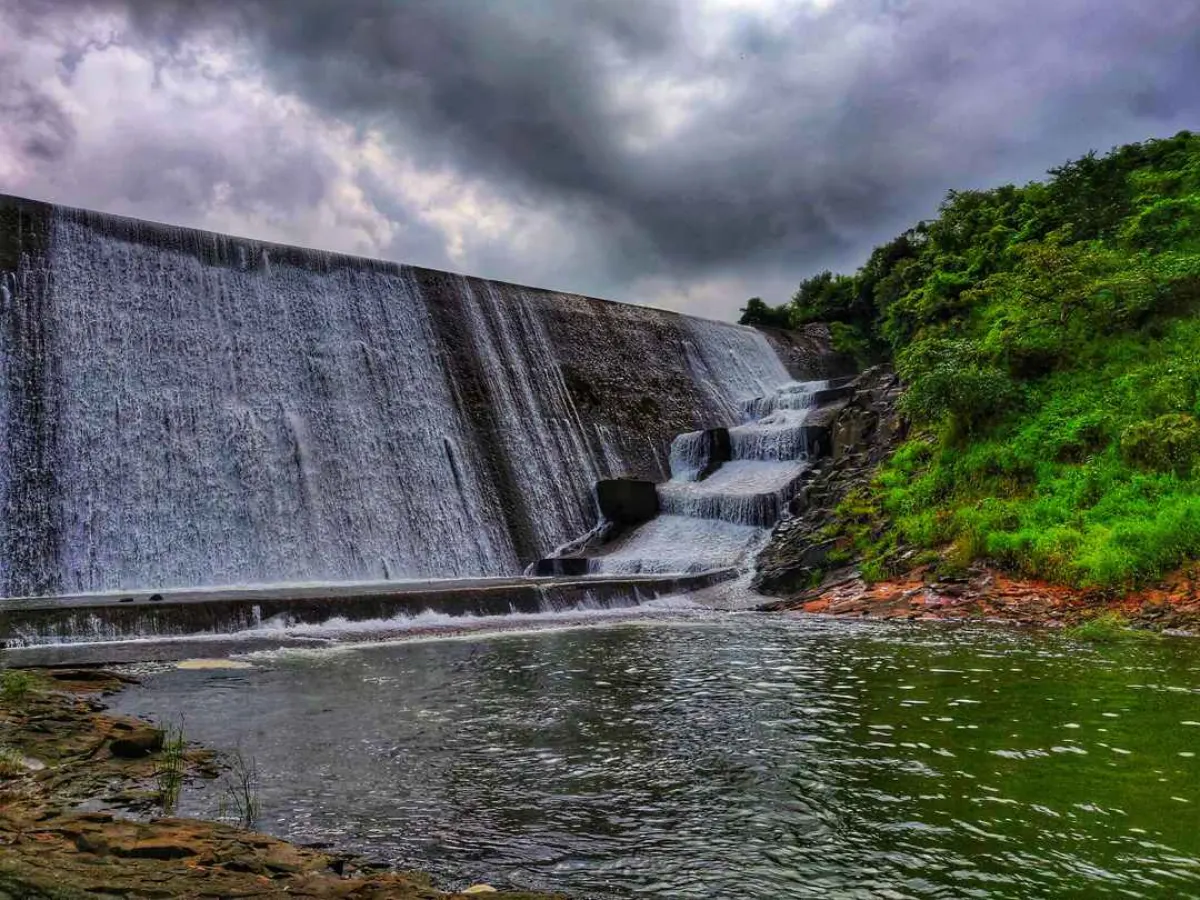
Let’s get one thing straight: Morbe Dam is NOT a commercial tourist spot.You won’t find stalls selling vada pav, toy trains, or boat rides. In fact, access is restricted, especially since it’s a vital drinking water source.But that hasn’t stopped locals, bikers, and photographers from discovering its quiet charm.
Located near Durshet village off the Mumbai–Goa Highway, the area surrounding Morbe is lush, peaceful, and untouched. The monsoon paints everything green. The reservoir becomes mirror-like. And the roads? Curvy and perfect for a scenic ride.
- Cyclists from Panvel and Kalamboli often ride up early mornings.
- Photographers visit during sunrise or misty afternoons to catch reflections.
- Nature lovers talk about birdwatching around the catchment zone.
Yet, NMMC has not developed it into a public eco-tourism destination like Powai Lake or Wilson Dam in Bhandardara.
Why?
Because it’s too precious.
One oil spill, one irresponsible picnic, one over-tourism wave-and Navi Mumbai’s water could be at risk.So, for now, it stays low-key. And maybe that’s a good thing.
Challenges Ahead: Growing Population, Climate Shifts, and More
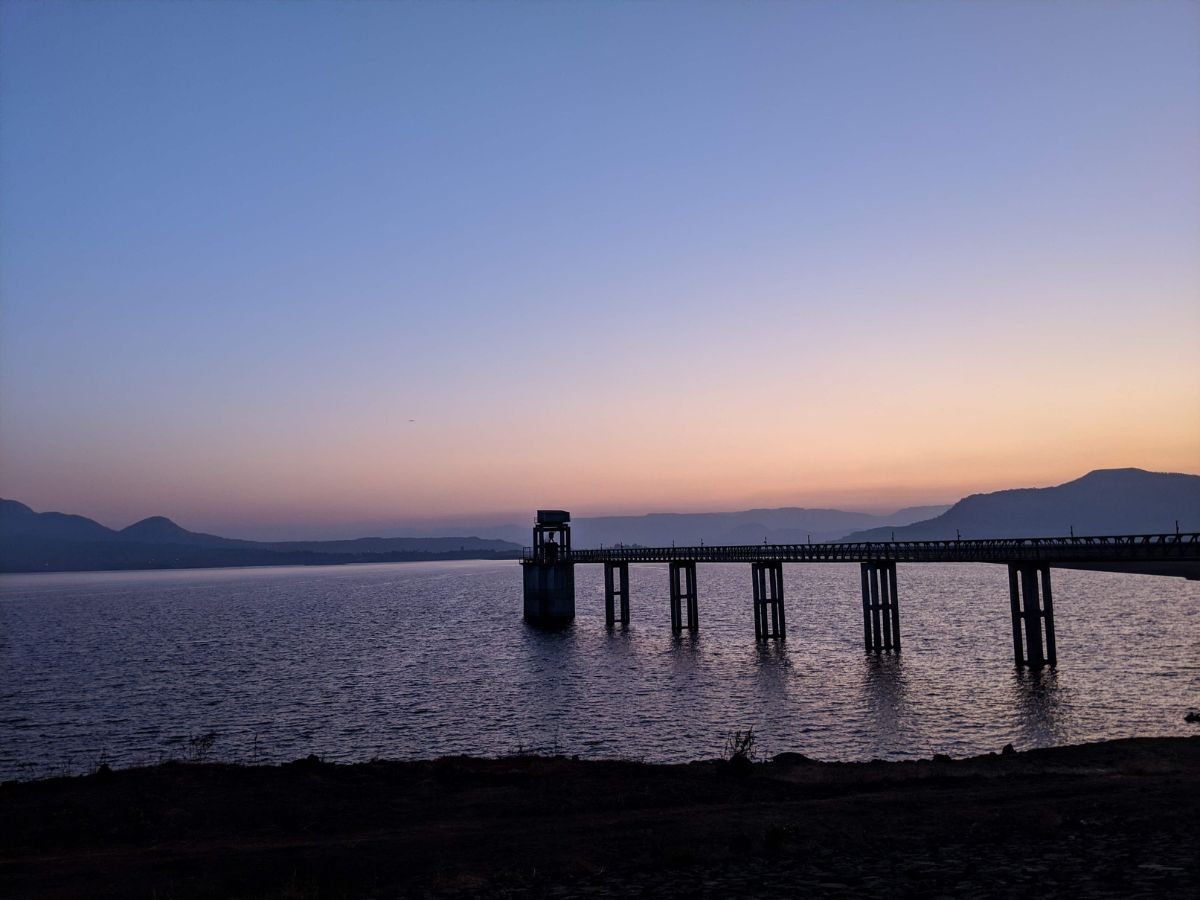
Navi Mumbai isn’t what it was in 2005 when Morbe was handed to NMMC. Back then, the population was around 8-9 lakhs.
Today? It’s closing in on 20+ lakhs, if you include nodes like:
- Ulwe
- Kharghar
- Taloja
- Panvel (Navi Mumbai Influence Zone)
- Airoli–Ghansoli tech corridors
By 2035, projections say the population may double again.
Which means:
- Daily water demand will rise from 400 MLD to over 700–800 MLD
- Morbe alone may not be enough
Yes, NMMC has increased capacity from Morbe’s 450 MLD to its current supply (~400 MLD), but what about 10 years from now?
It needs Plan B.
That could include:
- Tapping Hetwane Dam (already proposed)
- Reviving recycled water for non-potable use
- Rooftop rainwater harvesting in high-rises
- Enforcing leak detection tech in pipelines
- Reforesting catchment areas to improve absorption
And most importantly? Public education on water saving. We can’t leave it to dams alone.
The Future of Morbe: A Balance Between Nature and Need
Here’s what makes Morbe different from other dams:
- It’s owned by a city body, not the state
- It’s dedicated to drinking water, not power or irrigation
- It’s located in a low-tourism, eco-sensitive zone
- And most importantly-it has become part of Navi Mumbai’s identity
There’s already talk that Morbe Dam will get smart meters, real-time telemetry systems, and maybe even automated sluice gates to manage releases during heavy rainfall. This is 21st-century water management.and NMMC? They’re considering solar panel installations on the reservoir edges. Yes-clean energy + clean water. The dream combo.but everything depends on how climate patterns evolve, how citizens behave, and how policy adapts.because water isn’t just a need now-it’s a negotiation between city and nature.and in that balance, Morbe Dam is Navi Mumbai’s best bet.
How Big is Morbe Dam Compared to Other Dams in Maharashtra?
Morbe Dam in Navi Mumbai holds a total storage capacity of 190.89 million cubic meters (MCM) making it one of the top 6–7 largest dams in Maharashtra by storage.
Here’s a quick comparison with other major dams across the state:
More Than Just a Dam
Morbe Dam isn’t just concrete and water-it’s trust.Trust that every time you turn on a tap in Seawoods, Kharghar, Kamothe, or Vashi… clean water will flow.
And that’s rare.Most cities in India either:
- Face erratic water supply
- Rely on groundwater extraction (which causes depletion)
- Or depend on long-distance water imports from canals or dams across districts
It may not be flashy like a new metro line or a skyscraper. But in a city growing at the speed of ambition, it’s the quiet systems like this that hold everything together.
What Navi Mumbai Residents Must Know
Many people living in Navi Mumbai don’t even know where their water comes from.
They blame:
- The builder if water pressure is low
- The society manager if there’s rationing
- Or the tanker guy when water smells odd
But behind all that? Morbe silently does its job.
So, here’s what every Navi Mumbaikar should take away:
- Your water comes from Morbe Dam
- It travels over 27 km to reach your tap
- It’s treated, tested, and supplied daily by NMMC
- It supports 15+ lakh people and growing
- And it’s a delicate system that needs protection
Looking Ahead: The Dam in 2035
By 2035, Navi Mumbai will look completely different. NMIA will be live. Metro lines will connect Taloja to Vashi. Kharghar and Ulwe will become mini-cities.
But even then-Morbe will still matter.
If we get things right, it could become:
- A model of smart water infrastructure
- A partially open eco-tourism reserve (controlled entry zones)
- A clean energy hub with floating solar panels
- A national example of local water autonomy
But only if we plan wisely, use consciously, and act collectively.
In the End… Morbe Dam Isn’t Just a Reservoir
Every city needs a symbol. Something that defines its soul. Mumbai has the Gateway. Pune has Shaniwarwada. Delhi has Red Fort.
But Navi Mumbai? It has Morbe Dam.
Not because it’s grand. But because it’s reliable.
- It’s there when it rains.
- It’s there when it doesn’t.
- It’s there during festivals, elections, lockdowns-even when no one notices.
And that’s what makes it powerful.
So next time you drink water in Navi Mumbai-remember where it came from.
A dam in the hills of Raigad, silently sustaining a city by the sea.