
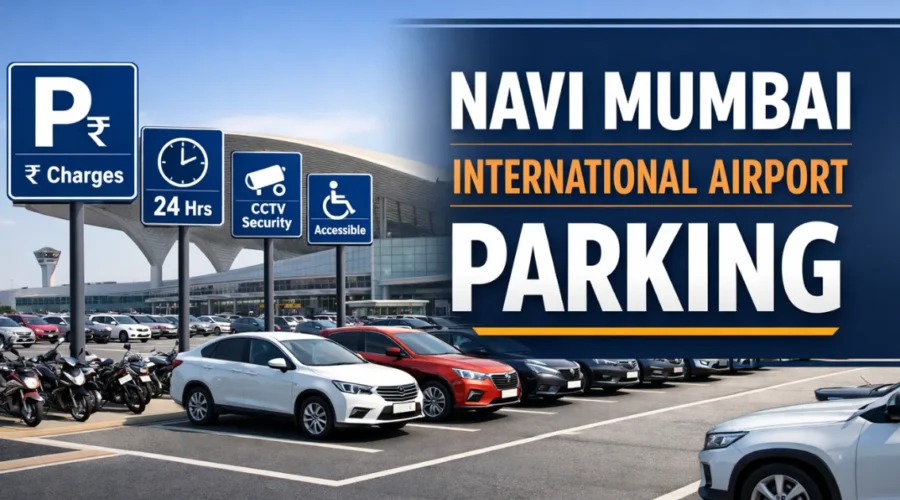
Navi Mumbai Airport Parking Charges & Facilities: The Ultimate Guide for 2026
Navi Mumbai International Airport (NMIA) is no longer just a blueprint or a distant dream. As we move through 2026, the airport has become a central heartbeat for the city, transforming the way residents of Ulwe, Panvel, Kharghar, and even Pune look at air travel. But with a brand-new airport comes the age-old question that every traveler dreads: “Where do I park my car without burning a hole in my pocket?”
If you have ever navigated the chaotic parking structures of older airports, you know that the experience can often be more stressful than the flight itself. NMIA, however, has been designed from the ground up with a more modern, structured approach. Whether you are dropping off a family member for their first international trip or leaving your own vehicle behind while you fly to Delhi for a business meeting, understanding the nuances of NMIA parking is essential.
Parking Overview at NMIA
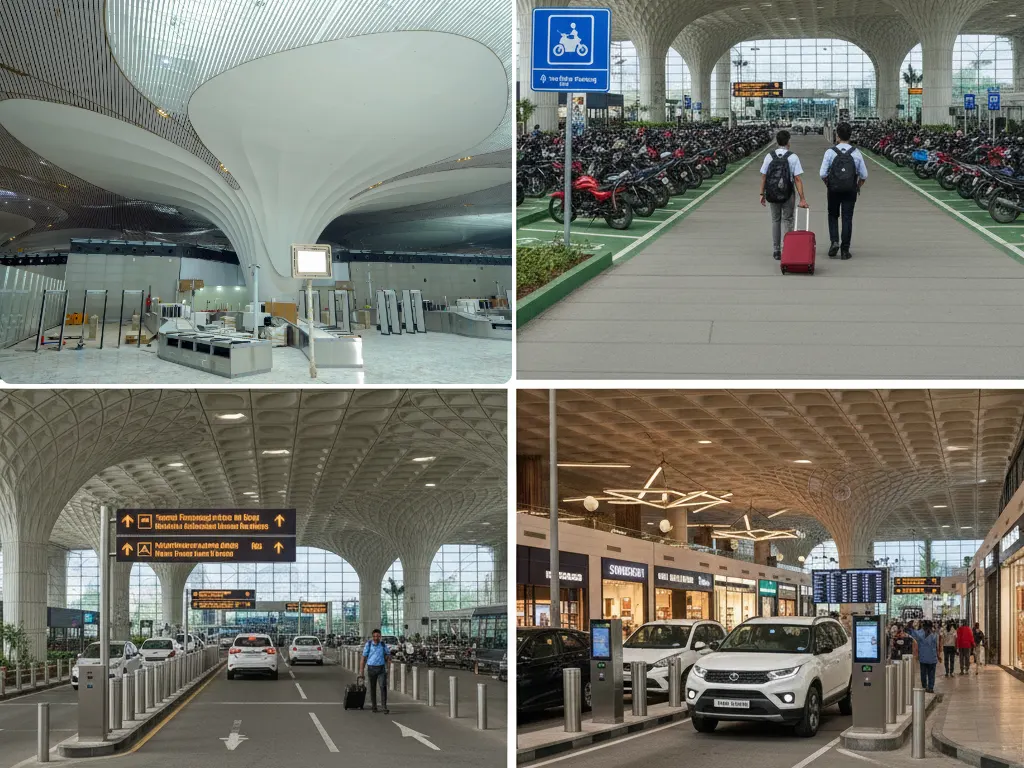
The Navi Mumbai International Airport offers dedicated, paid parking facilities for both cars and two-wheelers. These facilities are strategically divided into short-term and long-term zones, both located within a short walking distance of Terminal 1. Unlike many older airports that feel like a concrete maze, the parking at NMIA is spacious and utilizes a digital-first ecosystem.
One of the most significant advantages of this new setup is the integration of FASTag. Gone are the days of fumbling for loose change or waiting for a manual receipt at the exit gate. The entry and exit points are equipped with high-speed scanners that make the process relatively seamless. However, it is wise to keep a little extra balance in your FASTag account to avoid the “insufficient balance” beep that can hold up a line of twenty cars behind you.
As a newly operational hub, NMIA has prioritized traffic flow. Security personnel are strict about the “No Parking” zones near the terminal kerbside to ensure the arrival and departure lanes remain clear for quick drop-offs. If you plan on waiting for more than three minutes, head straight into the designated parking area.
Short-Term Parking Charges (2026 Rates)
Short-term parking is designed for those visiting the terminal for a few hours, whether to see off a loved one or enjoy a quick meal inside the terminal. Charges are based on the duration your vehicle stays inside the gate, starting the moment your FASTag is scanned or you collect your entry ticket.
Car Parking Rates (Private Vehicles)
| Duration | Approx Charges (₹) |
|---|---|
| 0 to 30 minutes | 160 |
| 31 to 60 minutes | 250 |
| 1 to 2 hours | 320 |
| 2 to 3 hours | 470 |
| 3 to 4 hours | 620 |
Two-Wheeler Parking Rates
| Duration | Approx Charges (₹) |
|---|---|
| 0 to 4 hours | 50 |
| 4 to 8 hours | 100 |
| 8 to 24 hours | 250 |
Two-wheeler rates are particularly convenient for airport staff or solo travelers with light luggage. Car owners should be mindful of the “30-minute trap” — exceeding it by even a few seconds jumps the bill from ₹160 to ₹250.
Long-Term Parking: Is it Worth It?
If you are leaving for a few days, long-term parking can be cheaper and more convenient than booking a premium cab. Rates are approximately ₹1,000 per day for cars and ₹250 per day for two-wheelers. The zone is monitored 24/7 via high-definition CCTV and security patrols.
For convenience, try to park near elevator banks. Terminal walkways are not long, but dragging heavy luggage can feel tiring. Parking bays are numbered (e.g., “P1-A” or “P2-B”), so a quick photo of your pillar location is recommended for easy recall.
Retail Therapy and Dining: While You Wait
The NMIA terminal doubles as a premium shopping and dining hub. For last-minute shopping, visit Michael Kors, Hidesign, Rado, or Swarovski. Essentials can be found at Bon Voyage and Safari.
Dining options include quick bites or full meals: Tea Khana, Foo, Bayroute, or Kitab Mahal Charcha (bookstore-café vibe). Guardian Pharmacy is conveniently located for medicines or travel essentials.
Two-Wheeler vs. Car Parking: The Local Perspective
Two-wheelers are ideal for Ulwe or Panvel residents commuting solo. Dedicated lanes bypass car queues, and parking is minimal. Car parking is necessary for family travel or heavy luggage. Covered bays provide relief during monsoon or summer heat. Peak exit congestion occurs 6:00 PM–9:00 PM, but multiple lanes keep traffic moving.
Important Rules and Payment Methods
- No Parking Zones: Avoid emergency vehicle and official airport car lanes; towing fines can exceed ₹2,000.
- Payment Options:
- FASTag: Primary method; ensure sufficient balance.
- Digital Kiosks: Accept UPI or Credit/Debit cards.
- Manual Counters: Longer wait times but available for FASTag issues.
Pro-Tip for Budget Travelers
Private parking lots around Ulwe exist but are unofficial and lack guaranteed security. Official NMIA parking ensures safety, 24/7 monitoring, and digital ease.
FAQs
Frequently Asked Questions