

Best Residential Pockets in Nerul
There is no single best residential pocket in Nerul for everyone. Palm Beach Road-side and Seawoods-adjacent stretches usually suit premium buyers, inner leafy sectors work better for families and balanced self-use, and station-near pockets are often more practical for commuters and renters. So the real answer is not “which sector is best?” but “which part of Nerul fits your daily life, budget, and long-term goal best?”
Nerul is one of the few places in Navi Mumbai where different residential needs can be solved inside the same node. That is why this topic often gets oversimplified. People say Nerul is good, premium, green, connected. All that is true. But the real decision happens at the pocket level.
One side of Nerul gives you Palm Beach Road prestige, sea-facing or creek-facing appeal, and a more premium address feel. Another side gives you educational density, station access, family practicality, and stronger rental depth. Some sectors feel calm, lived-in, and balanced. Some feel aspirational but expensive. Some are great on paper, but not equally strong for everyday living.
This guide is built to help you shortlist the best residential pockets in Nerul based on actual use case, not generic praise.
Quick Summary
| Nerul pocket type | Best for | Why it works | Watch-out |
|---|---|---|---|
| Palm Beach Road-side Nerul and Seawoods West belt | Premium buyers, senior professionals, long-term capital preservation | Better address value, wider roads, premium towers, stronger lifestyle image | High pricing, some pockets are more prestige-led than practical |
| Inner Nerul family sectors such as 19, 21, 23, 25, 27, 28 | Families, balanced end-users, long-stay buyers | Schools, colleges, hospitals, greenery, more grounded day-to-day living | Stock quality varies building to building |
| Nerul station-influenced pockets | Commuters, renters, working professionals | Better rail convenience, faster daily movement, stronger tenant appeal | More crowd, noise, and mixed street activity in some stretches |
| Seawoods-linked transit-oriented belt | Corporate tenants, investors, premium renters, modern lifestyle buyers | Seawoods Grand Central ecosystem, office access, strong rental demand | Expensive modern inventory |
| Older established pockets with redevelopment potential | Patient buyers, redevelopment-focused investors | Existing location strength plus future upgrade potential | Depends heavily on society status, policy progress, and building condition |
The simplest way to think about Nerul is this: if your priority is a premium address, look west and Palm Beach-facing. If your priority is practical family living, inner sectors often make more sense. If your priority is commuting or rental movement, station-influenced pockets matter more.
Which Parts of Nerul Usually Work Best for Different Types of Residents?
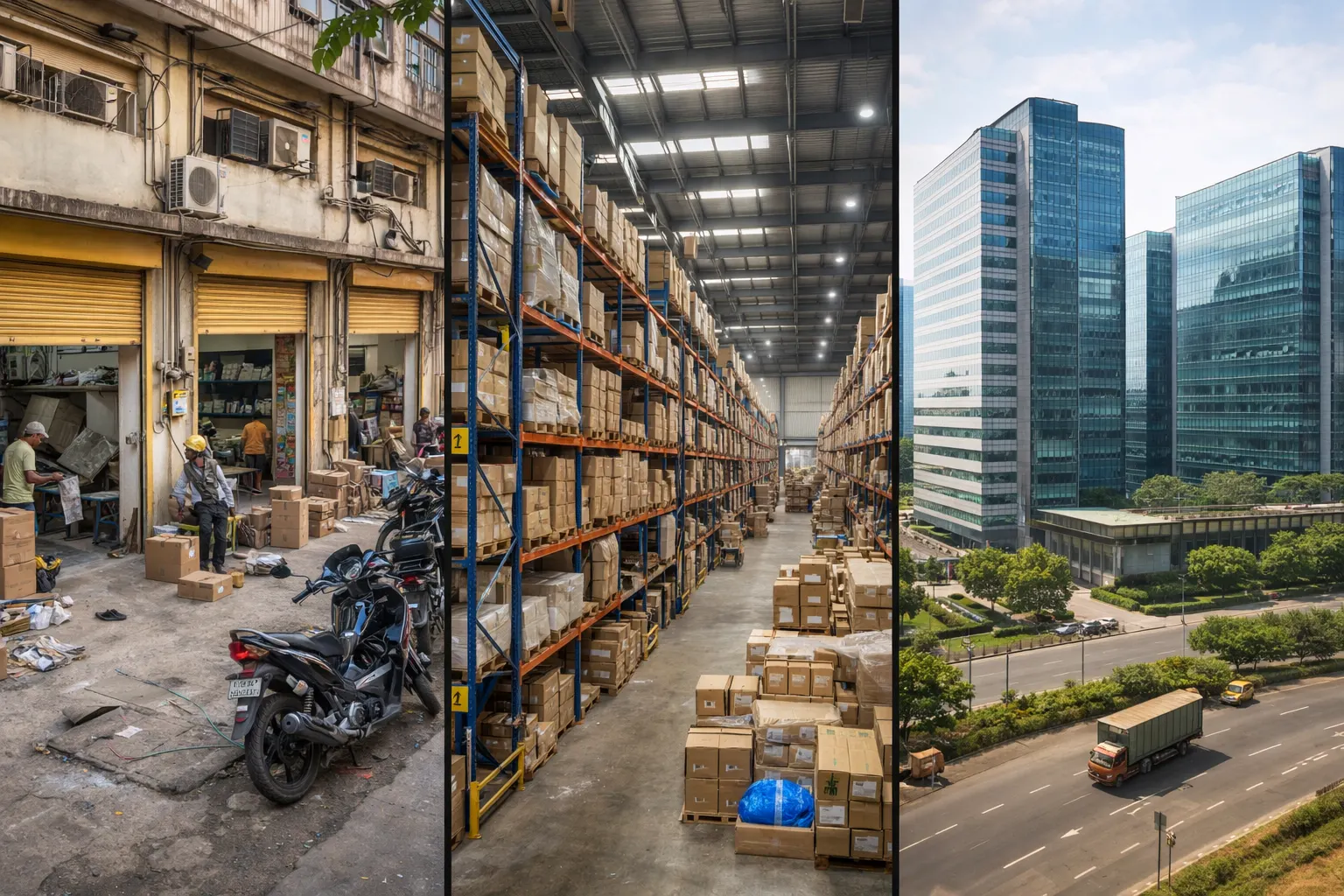
The word “best” changes completely depending on who is searching.
Best pockets for families
Families usually do better in the quieter, better-settled inner sectors of Nerul rather than choosing a flashy road-facing address just because it sounds premium. Nerul East and central family-oriented sectors around the educational belt often have a stronger daily-life rhythm. That matters more than brochure quality.
Sectors around 19, 21, 23, 25, 27, and 28 are regularly seen as stronger family pockets because the area logic is practical. Schools, colleges, hospitals, internal roads, gardens, and lived-in residential character all come together here. These are the kinds of places where daily life works without feeling too chaotic.
Best pockets for daily commuters
Commuters usually benefit more from station-near or station-reachable sectors than from expensive sea-facing stretches. Nerul railway station is a serious advantage because it supports both Harbour and Trans-Harbour movement. For someone who travels frequently toward Mumbai, Vashi, Thane-side connections, or across Navi Mumbai, that convenience changes quality of life every single week.
The trade-off is obvious. More connectivity usually means more movement, more street activity, and in some places less peace than deep inner sectors.
Best pockets for premium buyers
Premium buyers generally look at Palm Beach Road-facing Nerul, Seawoods West influence zones, and select luxury towers with view value, better frontage, and higher address prestige. This side of the market is less about affordability and more about lifestyle, open-road feel, premium society amenities, and long-term status value.
This is also the pocket where pricing stretches the most. Sea-facing, creek-facing, or Palm Beach-linked developments can carry a clear premium over internal sectors.
Best pockets for renters and practical end-users

Renters and practical self-users often get more value from pockets that combine station access, educational demand, and day-to-day convenience. Nerul East’s academic belt is especially important here because it supports steady rental demand from students, working professionals, healthcare staff, and families who want functionality over luxury branding.
That makes these sectors useful not just for living, but also for rental resilience.
Palm Beach Road Side vs Inner Nerul Sectors: Which Feels Better in Real Life?
This is one of the biggest hidden decisions inside Nerul.
Palm Beach Road-side residential pockets usually feel more premium. The roads are broader, the frontage is stronger, and the residential image is more upscale. In Navi Mumbai terms, this is the side that signals status more clearly. If someone wants the “best address” feeling, this side naturally enters the shortlist first.
But inner Nerul sectors often feel better for actual living.
Why? Because good daily living is not only about elevation, façade, or view. It is also about whether your routine works without friction. Can children reach schools easily? Are daily essentials nearby? Is the area too noisy? Is the internal road network comfortable? Does the society feel stable and lived-in? Can older parents move around without the environment feeling overly exposed or traffic-heavy?
In many cases, an inner Nerul sector with solid society quality can outperform a more expensive road-facing address for self-use.
Quick comparison: Palm Beach-side vs inner Nerul
| Factor | Palm Beach Road-side Nerul | Inner Nerul sectors |
|---|---|---|
| Address value | Higher | Moderate to strong depending on sector |
| Premium feel | Strong | Varies |
| Family practicality | Good in select pockets, but not always best | Often stronger |
| Daily convenience | Good, but depends on micro-location | Usually more balanced |
| Noise and road exposure | Higher in some stretches | Usually better inside |
| Pricing | Expensive to very expensive | Wider range |
| Rental logic | Strong for premium segment | Stronger for broader user base |
| Best suited for | Premium buyers, senior professionals, long-hold investors | Families, balanced self-users, practical buyers |
So which feels better in real life? For pure lifestyle branding, Palm Beach Road-side wins. For balanced long-term living, many inner Nerul pockets win quietly.
The Most Practical Residential Pockets Near Nerul Station
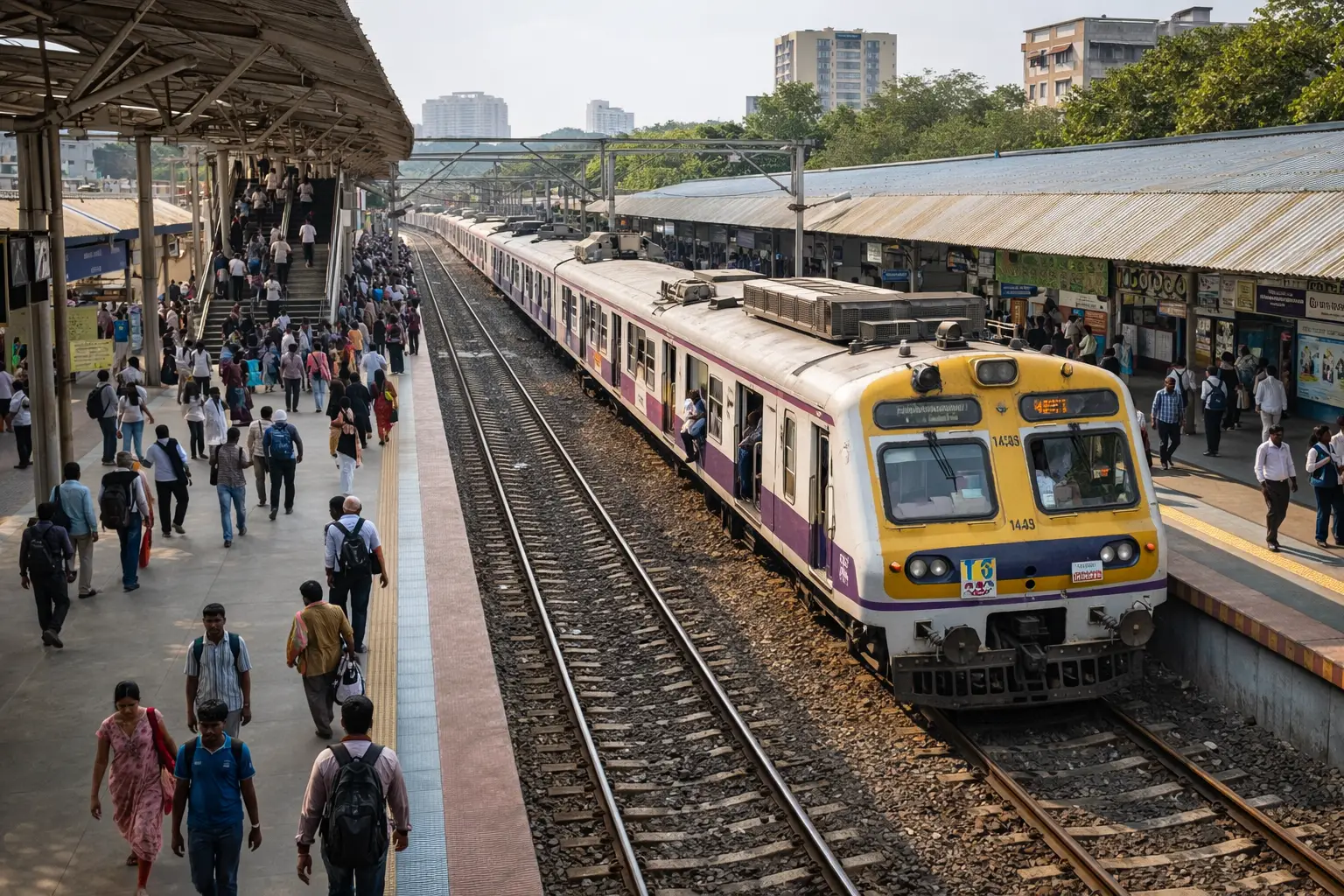
For a lot of buyers and renters, rail access still matters more than glossy amenities. That is especially true in Navi Mumbai, where commute friction can shape your life more than a clubhouse ever will.
Residential pockets with good access to Nerul station work well for:
- daily office commuters
- students
- renters
- professionals who move across Navi Mumbai and Mumbai regularly
- households that want flexibility more than luxury
These areas are often easier to live in from a movement point of view. If someone travels often or depends on rail more than private driving, staying too deep inside a premium stretch may look attractive but feel inconvenient over time.
Who should prioritize rail access
You should give station access extra weight if:
- you travel to Mumbai frequently
- you want stronger tenant demand
- you do not want daily dependence on a private vehicle
- you prefer practical living over an aspirational address
What to watch for near station-influenced areas
Not every station-near pocket is automatically a top residential pocket. Some stretches can feel busier, more mixed-use, or less calm than inner family sectors. In practical terms, station access improves utility, but can reduce peace.
That is why the right choice is often not “next to station” but “easily connected to station without being swallowed by station-side activity.”
The Better Family Pockets in Nerul for Schools, Daily Convenience, and a Balanced Routine
If the goal is family living, Nerul’s strongest advantage is not only infrastructure. It is the way residential life, educational institutions, and daily-use ecosystem overlap in a workable format.
Nerul East and the educational belt matter a lot here. The area around sectors such as 19, 21, 25, 27, and 28 benefits from proximity to institutions like SIES, D.Y. Patil-related education and healthcare influence, and other long-established family infrastructure. That has created a grounded residential environment, not a purely speculative one.
This is why many families end up preferring these pockets over louder, more premium-looking corridors.
What makes a Nerul pocket family-friendly
A family-friendly pocket in Nerul usually has:
- settled societies rather than unstable turnover
- nearby schools or college belt influence
- hospital access
- greenery or parks
- comfortable internal movement
- less dependence on long detours for basic daily life
Sector 19 is often valued because it combines location strength with a calmer residential personality than its road linkage might suggest. Sector 21 is also relevant because it sits inside the broader practical family zone rather than a purely prestige-driven zone. Sector 28 gets attention for relatively better-maintained, greener residential character in parts of the market.
When a quiet inner sector beats a flashy main-road address
This happens more often than buyers expect.
A quieter sector with better internal comfort, older but solid community character, and easier family routine can be a better long-term home than a premium-facing address with higher price, heavier traffic exposure, or less balanced surroundings. For families, the best residential pocket is often the one that causes the least daily friction.
Which Nerul Pockets Feel More Premium, and Are They Worth the Price?

Yes, Nerul has clearly premium residential pockets. But the important question is whether that premium gives you real value or only visual satisfaction.
Palm Beach Road-linked Nerul, luxury towers in the coastal side, and Seawoods West influence zones are the premium end of this market. Projects and pockets here can carry significant price jumps due to views, frontage, open-road feel, premium amenities, and the larger identity of the address.
In the 2025-2026 cycle, this premium has also been supported by the larger infrastructure story. The airport effect, Atal Setu connectivity shift, and Seawoods Grand Central ecosystem have all strengthened the perception of Nerul and Seawoods as executive and premium residential territory.
What buyers are really paying extra for
When you pay more in these pockets, you are usually paying for:
- better address image
- premium tower inventory
- wider approach roads
- sea or creek view possibility
- stronger long-term prestige value
- better fit for corporate housing or high-end rental
Where premium location does make sense
Premium location makes sense if:
- you are buying for self-use and care deeply about address quality
- your budget is already in premium territory
- you want long-term capital preservation more than bargain value
- you want stronger lifestyle differentiation, not just basic utility
Where premium pricing may not add practical value
Premium pricing may not be fully worth it if:
- your lifestyle is mostly station-school-office driven
- your budget is being stretched too hard for the pin code feel
- the actual usable carpet and daily convenience do not justify the extra spend
- you are choosing location branding over building quality
This is where many buyers make a mistake. They assume the most expensive Nerul pocket must be the best pocket. It is not always true.
Older Established Sectors vs Newer Premium Developments in Nerul

This is another important layer. In Nerul, a residential pocket is not defined only by geography. It is also shaped by the kind of stock available there.
Older established sectors can still be excellent if the society is well-kept, the road network works, and the location logic is strong. In fact, many older Nerul sectors remain more livable than newer flashy pockets in weaker micro-locations.
Newer premium developments bring obvious advantages. Better amenities, newer construction, higher parking quality, modern security systems, and stronger visual appeal all matter. But they also come with higher cost and, sometimes, more branding than practical gain.
The 2026 redevelopment policy environment has added a fresh layer here. Older CIDCO-linked pockets and societies entering redevelopment pipelines may become future opportunity zones. But that opportunity is not automatic. It depends on society status, sanction stage, land and title comfort, and execution clarity.
So for buyers, the comparison should be:
- not old versus new in a generic way
- but old in a good pocket versus new in an expensive pocket
That is the real comparison.
What to Check Before Calling Any Nerul Pocket “Best”
Before finalising any area, pocket quality must be checked on the ground. A good node name is not enough.
Building age and maintenance reality
Older Nerul buildings can still be very good, but only if maintenance is strong. Check lift condition, leakage history, society upkeep, common areas, parking condition, and structural appearance. In redevelopment-sensitive pockets, also check whether the building is simply old or actually functionally weak.
Road width, traffic, and parking stress
Some addresses look excellent on listing portals but feel cramped or inconvenient during peak hours. Road width, entry-exit ease, street parking pressure, and turning comfort matter more than buyers admit.
Daily essentials and walkability
A good residential pocket should not force constant dependence on long drives for basics. Shops, pharmacy access, schools, clinic reach, and walking comfort matter.
Monsoon and environmental caution where relevant
Nerul is strong overall, but not every stretch behaves equally in heavy monsoon conditions. Some low-lying areas, underpass zones, and specific spots have seen waterlogging concerns. There are also identified risk points in and around landslide-prone stretches near hill-linked areas during severe rains. That does not mean Nerul is broadly unsafe. It means buyers should verify the exact pocket instead of assuming all sectors perform equally in monsoon.
Simple on-ground checklist
Before calling any Nerul pocket the best for you, check:
- exact station access time
- school and hospital reach
- internal road comfort
- society maintenance quality
- parking practicality
- monsoon behaviour of the micro-location
- whether the area feels peaceful or only premium
- whether the pricing fits your actual use case
Which Residential Pocket in Nerul Makes Sense for You?
This is the part most readers actually need.
If your priority is peace
Look at quieter inner sectors with strong residential identity and low unnecessary movement. These usually work better than exposed main-road stretches.
If your priority is station access
Choose pockets that are comfortably connected to Nerul station rather than only chasing a premium address. Daily commute convenience will matter more after purchase than before purchase.
If your priority is premium lifestyle
Palm Beach Road-side Nerul, Seawoods West-linked luxury belts, and select high-end towers deserve first attention. This is where Nerul’s premium image is strongest.
If your priority is balanced self-use value
Sectors in the family belt such as 19, 21, 23, 25, 27, and 28 usually deserve serious consideration. These areas often offer the best mix of liveability, schooling ecosystem, greenery, and practical routine.
If your priority is rental resilience
Nerul East and Seawoods-linked transit-oriented zones are both important. One is supported by educational density and practical demand. The other benefits from modern corporate and premium rental demand.
What People Often Get Wrong About the Best Residential Pockets in Nerul
One common mistake is assuming premium always means better. It often means more expensive, not automatically more suitable.
Another mistake is treating all of Nerul as the same. It is not. Nerul has a strong internal split between premium coastal-facing logic, commuter logic, educational belt logic, and older established society logic.
The third mistake is choosing by project alone. A good tower inside a weak or inconvenient micro-pocket is not the same thing as a strong residential pocket.
And the fourth mistake is ignoring future society condition. In Navi Mumbai, especially in older but well-located zones, redevelopment, building age, land conversion, and society strength can change the long-term outcome significantly.
Conclusion
The best residential pockets in Nerul are not one single cluster. Palm Beach Road-side and Seawoods West-linked pockets are strongest for premium buyers and long-term address value. Inner sectors like 19, 21, 23, 25, 27, and 28 are usually better for families and balanced self-use. Station-connected pockets are strongest for commuters and renters.
That is the real Nerul answer.
If you want status, shortlist the coastal premium side. If you want practical daily life, shortlist the inner family sectors. If you want movement convenience, shortlist station-reachable pockets. And if you are buying in an older Nerul pocket, do not stop at the location name. Check the society, the micro-stretch, and the actual daily experience before you decide.
In Nerul, the best pocket is never just the most expensive one. It is the one that fits your life properly.
FAQ's
Frequently Asked Questions