

Hidden Costs of Buying Property in Navi Mumbai
Buying a property in Navi Mumbai is a major financial decision. Many buyers focus only on the base price of the flat, but the actual cost of owning property is usually much higher. Expenses such as stamp duty, registration, interiors, maintenance, taxes, and hidden charges can significantly increase the final amount paid by the buyer. Understanding these costs helps homebuyers and investors plan their finances better and avoid unexpected expenses.
Property Cost Breakdown in Navi Mumbai
When purchasing a home, the price shown by the developer or broker is usually the advertised price. However, several additional expenses appear during the buying process and after possession.
Hidden costs only make sense when you compare them against the real base market, which is why buyers should first understand Navi Mumbai property rates and price trends instead of focusing only on the quoted rate.
| Property Cost Breakdown | |
|---|---|
| One-Time Costs | Ongoing Costs |
| Down Payment | EMI Payments |
| Stamp Duty | Maintenance Charges |
| Registration Charges | Utilities (Electricity & Water) |
| Brokerage | Property Tax |
| Interiors & Setup | Repairs & Insurance |
This breakdown shows that property ownership is not just about purchasing the home. Buyers must also prepare for long-term expenses that continue for years.
The cost sheet should distinguish mandatory and variable charges Not every extra charge has the same status. Government charges such as applicable stamp duty and registration are statutory, while brokerage, legal fees, lender charges, interiors and project or society-related deposits can vary by transaction.
Before comparing two flats, buyers should therefore ask for the amount of each charge separately. A lower advertised property price is not necessarily the lower-cost option if substantially different charges are added later.
Comparison Table: Advertised Price vs Actual Property Cost
One of the biggest surprises for homebuyers is the difference between the advertised price of a flat and the actual out-of-pocket cost after including taxes and additional charges.
Below is a simplified example for a 2BHK property in Navi Mumbai.
| Component | Advertised Price (Example 2BHK) | Actual Out-of-Pocket Cost |
|---|---|---|
| Base Price | ₹ 90,00,000 | ₹ 90,00,000 |
| Stamp Duty | Not Mentioned | Applicable Maharashtra rate on the taxable value; verify the exact rate before registration |
| Registration | Not Mentioned | 1% of applicable value, subject to the statutory cap |
| GST | Not Mentioned | 1% or 5% where applicable to an under-construction residential property; no GST on a completed sale covered by the completion/occupation rules |
| Possession / Interiors | Not Mentioned | Depends on specifications, furniture and interior requirements |
| TOTAL | ₹ 90 Lakh | Depends on applicable statutory and transaction charges |
Many first-time buyers only focus on the sticker price and later realize that additional expenses push the total budget much higher. Planning for these costs early helps buyers make smarter financial decisions.
Why Buyers Often Miscalculate
Many property buyers assume that the price mentioned in the project brochure represents the total cost of buying a home. In reality, that number is only the starting point. The final cost of owning a property includes multiple additional charges that accumulate over time.
Understanding the difference between purchase cost and ownership cost is essential for financial planning.
Why base price is not the full property cost

The base price quoted by developers usually represents the price per square foot of the apartment area. However, this price does not include additional charges such as stamp duty, registration, GST (for under-construction properties), floor rise charges, parking costs, and other amenities.
For example, if a developer quotes a flat price of ₹80 lakh, the final amount paid by the buyer may easily exceed ₹90–95 lakh once these charges are included. Buyers often realize this difference only after they move forward with the purchase process.
The difference between buying cost and ownership cost
Buying cost refers to the expenses involved in purchasing the property, such as the down payment, stamp duty, registration, brokerage, and legal documentation.
Ownership cost, on the other hand, refers to the ongoing expenses required to maintain and hold the property, including EMI payments, society maintenance charges, property tax, repair costs, and insurance.
Even if the purchase process is completed, the financial responsibilities continue for as long as the property is owned.
Why this matters for homebuyers and investors
For end users, underestimating ownership cost can create monthly financial pressure after moving into the property.
For investors, ignoring these costs can reduce the expected return on investment. Rental income may not always cover the total ownership expenses, especially when maintenance, vacancy periods, and taxes are considered.
Understanding the real cost structure allows buyers to make more informed decisions about affordability and investment potential.
Many buyers fail to negotiate properly because they focus only on the headline rate instead of trying to negotiate a better flat price after accounting for extra charges.
One-Time Cost of Buying a Flat in Navi Mumbai
The first set of expenses buyers encounter are the one-time costs associated with purchasing the property. These expenses occur during the transaction process and must be paid before the property is officially transferred to the buyer.
Although they are paid only once, they can represent a substantial portion of the overall purchase budget.
Get the complete cost sheet before paying a booking amount
Before paying a booking amount, buyers should ask the developer or seller for a written cost sheet showing the base property price and every additional charge applicable to the transaction. Depending on the property and project, this may include stamp duty, registration, GST where applicable, parking or project-related charges, maintenance or society deposits, legal or documentation fees, loan-related charges and interior expenses.
For under-construction projects, buyers should also verify the project’s MahaRERA registration and review the registered project information before making a commitment. MahaRERA provides project information and requires disclosures that help homebuyers check important project details.
Down payment and booking amount
When purchasing property through a home loan, buyers typically need to make a down payment of around 10% to 25% of the property value.
For example:
- Property price: ₹1 crore
- Down payment (20%): ₹20 lakh
- Loan amount: ₹80 lakh
In many cases, buyers also need to pay a booking amount when reserving the flat in a new project. This booking amount is later adjusted against the total payment schedule.
Stamp duty and registration charges in Navi Mumbai
Stamp duty and registration charges are government taxes required to legally transfer property ownership.
The amount payable should be checked against the applicable Ready Reckoner/Annual Statement of Rates (ASR) and the transaction value. For FY 2026–27, Maharashtra has kept the Ready Reckoner rates unchanged from FY 2025–26. This does not mean every property has the same stamp-duty amount; buyers still need to check the applicable ASR entry, transaction details and current statutory charges for their specific property.
Brokerage, legal verification, and documentation cost
If the property is purchased through a real estate agent, buyers may also need to pay brokerage. In Navi Mumbai, brokerage typically ranges between 1% and 2% of the property value.
Additionally, buyers often hire lawyers to verify property documents, check the title history, and ensure there are no legal disputes associated with the property.
Although legal verification fees are relatively small compared to the property value, they play an important role in protecting buyers from potential legal risks.
Home Loan Cost in Navi Mumbai: EMI, Interest, and Processing Charges

Home loans are a common financing method for property purchases in Navi Mumbai. While loans make property ownership more accessible, they also introduce additional costs over time.
Monthly EMI and total loan burden
The most visible loan expense is the Equated Monthly Installment (EMI).
For example:
Loan amount: ₹80 lakhs
Interest rate: 8.5%
Loan tenure: 20 years
The EMI may be approximately ₹69,000 per month.
However, the total repayment over the loan tenure may exceed ₹1.65 crore, meaning the buyer pays nearly double the borrowed amount due to interest.
Processing fees, insurance, and bank-related charges
Banks also charge additional fees during the loan approval process. These may include:
- Loan processing fees
• Legal verification charges
• Technical evaluation fees
• Home loan insurance
Although these charges are smaller compared to the loan amount, they add to the initial cost of buying property.
Why EMI is only one part of ownership cost
Many buyers assume EMI is the only financial responsibility after purchasing property. In reality, EMI is just one component of the ongoing cost structure.
Maintenance charges, property tax, repairs, and utility expenses continue alongside EMI payments. This is why calculating the total monthly ownership cost is essential before purchasing a property.
Maintenance Cost of Flat in Navi Mumbai
Owning a flat in Navi Mumbai does not end with paying the EMI or completing the purchase process. One of the most consistent long-term expenses for homeowners is property maintenance. These costs ensure that the building remains safe, functional, and comfortable for residents.
Maintenance costs vary depending on the age of the building, the type of society, and the amenities provided in the residential complex. Luxury projects with multiple amenities often have higher maintenance charges compared to basic housing societies.
Understanding maintenance expenses helps buyers estimate the true long-term cost of property ownership in Navi Mumbai.
Regular upkeep and repair expenses
Regular maintenance is necessary to keep a residential building in good condition. Over time, buildings experience wear and tear that requires repairs and upgrades.
Common repair expenses include plumbing fixes, electrical maintenance, painting, waterproofing, and structural maintenance. In many housing societies, the cost of these repairs is collected through monthly maintenance charges or special repair funds.
For example, buildings older than 10–15 years often require major maintenance activities such as exterior painting, lift upgrades, or water tank repairs. These expenses can sometimes require residents to contribute additional funds beyond the regular maintenance charges.
Lift, security, common area, and sinking fund charges

Maintenance charges in most housing societies cover several operational costs that ensure smooth functioning of the residential complex.
These typically include lift maintenance, security staff salaries, cleaning staff wages, electricity for common areas, water pumps, garden maintenance, and waste management services. In larger residential complexes, maintenance also includes CCTV systems, clubhouse facilities, gym equipment servicing, and landscape maintenance.
Many housing societies also collect a sinking fund, which is a reserve fund used for major repairs in the future. This fund helps societies handle large expenses such as structural repairs, waterproofing, or lift replacement without placing sudden financial pressure on residents.
How maintenance differs in old vs new buildings
Maintenance costs differ significantly between new and older buildings. Newly constructed residential projects often have higher maintenance charges initially because they include multiple modern amenities like gyms, swimming pools, clubhouses, and landscaped gardens.
Older buildings may have lower monthly maintenance fees but often face higher repair expenses due to aging infrastructure.
For example, a newly constructed high-rise in Seawoods or Nerul may have maintenance charges between ₹4 to ₹7 per square foot, while older cooperative housing societies may charge between ₹2 to ₹4 per square foot.
However, older buildings sometimes require special repair contributions, which can increase the overall cost of ownership.
Property Tax and Annual Property Ownership Cost in Navi Mumbai
Property tax is an important recurring expense that every property owner must pay. This tax is collected by the local municipal authority to fund civic services such as road maintenance, waste management, water supply, and infrastructure development.
In Navi Mumbai, property tax is collected by the Navi Mumbai Municipal Corporation (NMMC).
Property tax in Navi Mumbai
While this may appear relatively small compared to EMI payments, it still forms part of the annual ownership cost that homeowners must plan for.
Annual repairs, painting, and emergency expenses
Apart from property tax, homeowners must also prepare for occasional repair and renovation costs.
Every few years, residential buildings require exterior painting, waterproofing, plumbing upgrades, and electrical repairs. Even inside the apartment, residents may need to spend money on repainting walls, repairing appliances, or replacing fixtures.
Emergency repairs such as water leakage, electrical faults, or plumbing breakdowns can also occur unexpectedly.
Keeping a financial buffer for these expenses is an important part of responsible property ownership.
Insurance and long-term protection cost
Home insurance is another cost that many property owners overlook. While not always mandatory, property insurance protects homeowners against unexpected damages caused by fire, natural disasters, or structural failures.
Insurance premiums depend on the property value and coverage type, but they generally represent a small annual expense compared to the potential financial protection they provide.
For long-term property owners, insurance helps safeguard one of their most valuable assets.
Interior and Setup Cost After Buying a Home in Navi Mumbai

Many buyers underestimate the cost of making a new home ready for living. Even when purchasing a brand-new apartment from a developer, the flat is usually delivered with minimal finishing.
To transform the apartment into a comfortable living space, buyers often need to invest in interiors, furniture, and appliances.
Basic interiors, furniture, and appliances
Basic interiors include essential furniture and home appliances required for everyday living.
This may include beds, sofas, dining tables, wardrobes, lighting fixtures, curtains, refrigerators, washing machines, and televisions.
For a typical 2BHK apartment in Navi Mumbai, the cost of basic furniture and appliances can range from ₹2 lakh to ₹5 lakh depending on the quality and brand of products selected.
Modular kitchen, wardrobes, and fittings
Modern apartments often require additional interior work such as modular kitchens, built-in wardrobes, storage units, and false ceilings.
A modular kitchen alone may cost anywhere between ₹1.5 lakh and ₹3 lakh depending on materials and design. Wardrobes for multiple bedrooms can add another ₹1 lakh to ₹3 lakh to the interior budget.
Other interior elements such as lighting designs, decorative panels, and custom furniture can further increase the total interior cost.
Why move-in cost can become a major expense
For many homeowners, the total cost of interiors and furniture becomes one of the largest expenses after the purchase price of the property.
Buyers who initially budget only for the property price often find themselves spending several additional lakhs to complete the setup of their new home.
Planning these expenses in advance helps prevent financial strain during the moving process.
Cost of Owning a Property in Navi Mumbai for End Users vs Investors

Property ownership costs can affect buyers differently depending on their purpose for purchasing the property. Some buyers purchase homes for personal living, while others invest in real estate primarily for rental income or long-term appreciation.
Understanding the difference between end-user ownership costs and investor ownership costs is important when evaluating the financial viability of a property purchase in Navi Mumbai.
End-user ownership cost
For end users, the primary purpose of purchasing property is to live in the home. In this case, the cost of ownership includes the down payment, home loan EMI, maintenance charges, property tax, interior expenses, and ongoing household utilities.
These costs are often considered part of the household budget. Homeowners benefit from stability, emotional satisfaction, and long-term asset creation. Even though monthly expenses may appear high initially, property ownership provides long-term financial security.
In areas such as Kharghar, Nerul, Seawoods, and Panvel, many families choose to purchase homes because these locations offer strong infrastructure, educational institutions, healthcare facilities, and good connectivity to Mumbai.
Investor ownership cost and vacancy risk
For investors, property ownership costs must be evaluated against potential rental income and capital appreciation.
Investors must consider additional factors such as vacancy periods, tenant turnover, maintenance costs, and brokerage charges for renting the property.
For example, if an investor owns a flat in Ulwe or Taloja and the property remains vacant for several months, the owner still needs to pay maintenance charges, property tax, and EMI payments during that period.
This is why investors carefully calculate the rental yield and long-term appreciation potential before purchasing property.
Which costs matter more for each type of buyer
End users typically prioritize affordability and long-term living comfort. Their focus is on managing monthly expenses such as EMI, maintenance, and household bills.
Investors, on the other hand, focus on maximizing returns while minimizing ongoing ownership costs.
Both types of buyers must understand the complete cost structure of owning property to make financially sound decisions.
Area-Wise Property Ownership Cost in Navi Mumbai
Property ownership costs can vary significantly depending on the location within Navi Mumbai. Factors such as property prices, infrastructure development, demand, and amenities influence both purchase prices and long-term expenses.
Different areas of Navi Mumbai cater to different budget segments and investment profiles.
Vashi, Nerul, and Seawoods for premium ownership cost
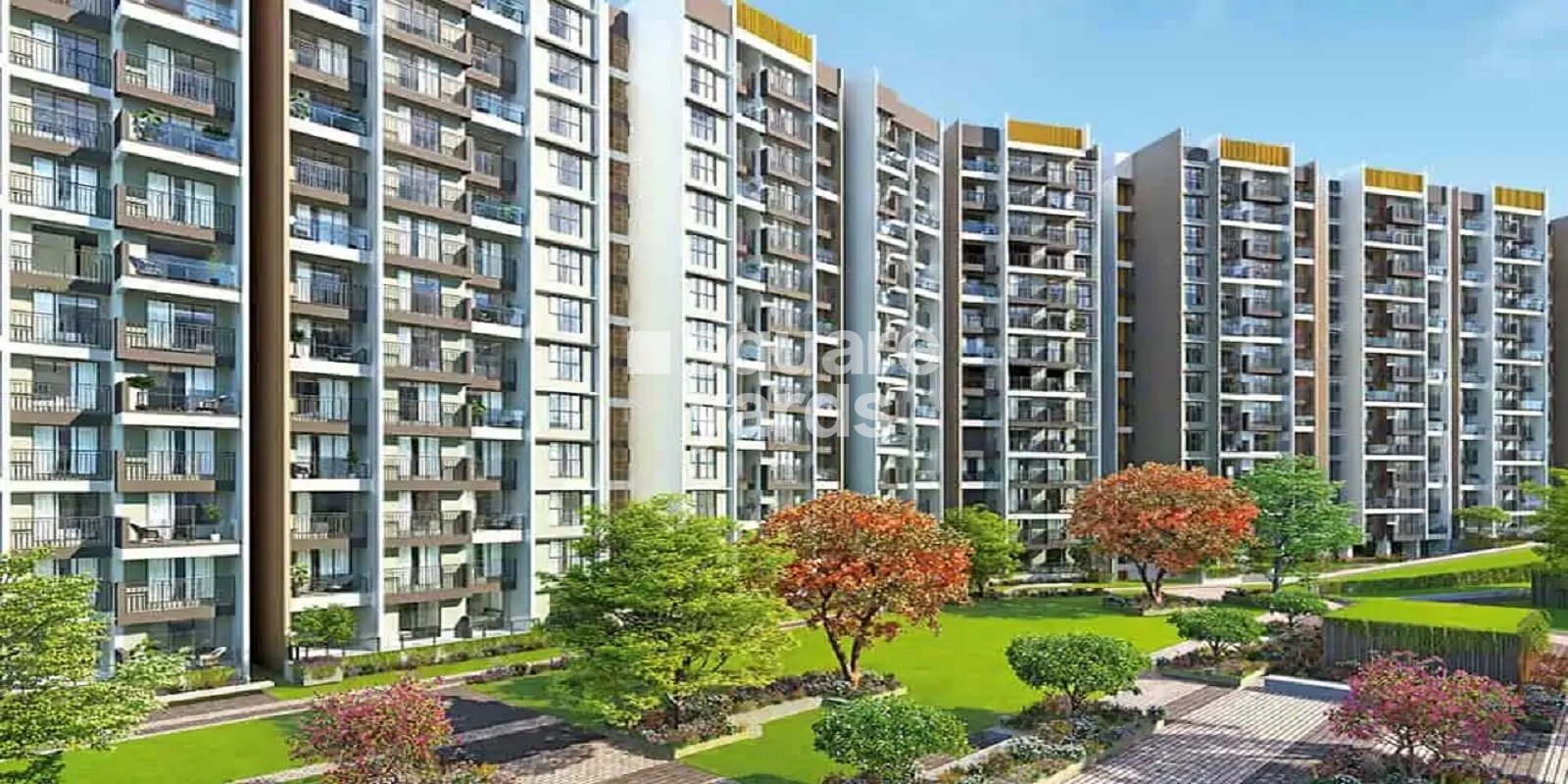
Areas such as Vashi, Nerul, and Seawoods are considered premium residential locations in Navi Mumbai. These areas are well-developed with strong infrastructure, commercial hubs, and excellent connectivity to Mumbai.
Property prices in these locations are relatively higher, which increases the initial purchase cost and loan burden.
Maintenance charges may also be higher due to the presence of premium residential towers with modern amenities such as clubhouses, swimming pools, and landscaped gardens.
However, these areas also offer strong rental demand and long-term value appreciation.
Kharghar, Kamothe, and Panvel for mid-range cost
Kharghar, Kamothe, and Panvel represent mid-range residential markets within Navi Mumbai. These areas offer a balance between affordability and infrastructure development.
Kharghar, in particular, has become a popular residential destination due to its planned layout, educational institutions, and proximity to major highways.
Ownership costs in these areas are moderate compared to premium locations. Property prices, maintenance charges, and taxes are generally more affordable for middle-income buyers.
Ulwe and Taloja for budget-focused buyers
Ulwe and Taloja are emerging residential zones that attract buyers looking for relatively affordable housing options.
Property prices in these locations are lower compared to established areas, which reduces the initial purchase cost.
However, investors and buyers should also consider factors such as infrastructure development timelines and rental demand when evaluating property ownership in these regions.
Buying vs Owning a Property in Navi Mumbai: What Is the Difference?

Many people use the terms “buying property” and “owning property” interchangeably, but in financial terms they represent different concepts.
Understanding this distinction helps buyers make more informed financial decisions.
Purchase price vs long-term ownership burden
The purchase price represents the amount paid to acquire the property. This includes the base property price, stamp duty, registration charges, and other transaction-related expenses.
Ownership cost, however, includes all expenses incurred during the period of holding the property.
These costs include EMI payments, maintenance charges, property tax, repairs, insurance, and utility bills.
While the purchase price is a one-time expense, ownership costs continue for as long as the property is held.
Why many buyers plan for purchase but not for holding cost
Many buyers carefully calculate the affordability of the property purchase but overlook the long-term cost of holding the property.
As a result, they may face financial pressure after moving into the property when recurring expenses start accumulating.
Proper financial planning requires evaluating both purchase cost and long-term ownership cost.
How to budget correctly before buying
Buyers should ideally create a detailed financial plan before purchasing property. This plan should include the down payment, stamp duty, EMI payments, maintenance charges, and a buffer for unexpected expenses.
Financial experts often recommend that housing expenses should not exceed a certain percentage of the household income to ensure financial stability.
How to Calculate the Real Cost of Property Ownership in Navi Mumbai

Calculating the real cost of property ownership requires a comprehensive approach that considers all financial components involved in owning the property.
One-time, monthly, and annual cost breakdown
Property ownership costs can generally be categorized into three groups: one-time costs, monthly costs, and annual costs.
One-time costs include down payment, stamp duty, registration charges, brokerage, and interior setup expenses.
Monthly costs include home loan EMI, society maintenance charges, electricity bills, water charges, and other household utilities.
Annual costs include property tax, insurance premiums, and periodic repair expenses.
A practical way to estimate the total purchase budget is:
Real Purchase Cost = Property Price + Stamp Duty + Registration + Applicable GST + Transaction Charges + Initial Maintenance/Deposits + Interiors & Setup
For long-term ownership, calculate a second figure:
Annual Ownership Cost = EMI Interest/Loan Cost + Maintenance + Property Tax + Insurance + Repairs + Other Recurring Expenses
The exact amounts should be based on the specific property and current charges rather than a generic percentage. This approach helps buyers compare two properties on their actual financial commitment instead of comparing only their advertised prices.
Simple checklist before buying
Before purchasing property, buyers should evaluate several financial factors. These include the affordability of the down payment, expected EMI payments, maintenance charges, and property tax obligations.
Buyers should also consider additional costs such as parking charges, legal fees, and interior expenses.
Creating a detailed financial checklist can help buyers avoid unexpected financial pressure.
How much financial buffer you should keep
Financial planners often recommend maintaining an emergency buffer when purchasing property.
This buffer helps cover unexpected expenses such as repair costs, temporary loss of income, or unforeseen financial obligations.
Maintaining a financial reserve ensures that property ownership remains manageable even during uncertain situations.
Final Verdict on the Real Costs of Owning a Property in Navi Mumbai

Property ownership in Navi Mumbai offers long-term financial benefits, including asset appreciation and stability. However, the true cost of owning property extends beyond the initial purchase price.
Understanding the full financial commitment helps buyers make smarter decisions and avoid financial stress.
What most buyers underestimate
Many buyers underestimate expenses such as maintenance charges, interior costs, and property tax.
These expenses may appear small individually but can accumulate significantly over time.
Proper financial planning helps buyers account for these costs before making a purchase decision.
When ownership still makes financial sense
Despite the additional costs, property ownership can still make financial sense for buyers whose purchase fits their long-term needs and budget.
Navi Mumbai’s infrastructure landscape has continued to develop, and the Navi Mumbai International Airport commenced commercial operations in December 2025. However, infrastructure development alone does not guarantee property appreciation or investment returns. Buyers should assess the specific location, purchase price, rental potential, recurring costs, connectivity and their intended holding period before making an investment decision.
For buyers planning long-term residence or investment, the key is to evaluate the complete cost of ownership rather than relying only on expected future appreciation..
Why smart budgeting matters more than just affordability
Affordability is not only about whether someone can purchase a property. It also involves managing the ongoing financial responsibilities associated with ownership.
Smart budgeting ensures that homeowners can comfortably manage their expenses while enjoying the benefits of property ownership.
Maintenance costs typically range between ₹2 to ₹7 per square foot depending on the type of residential complex and the amenities provided.
FAQs
Frequently Asked Questions