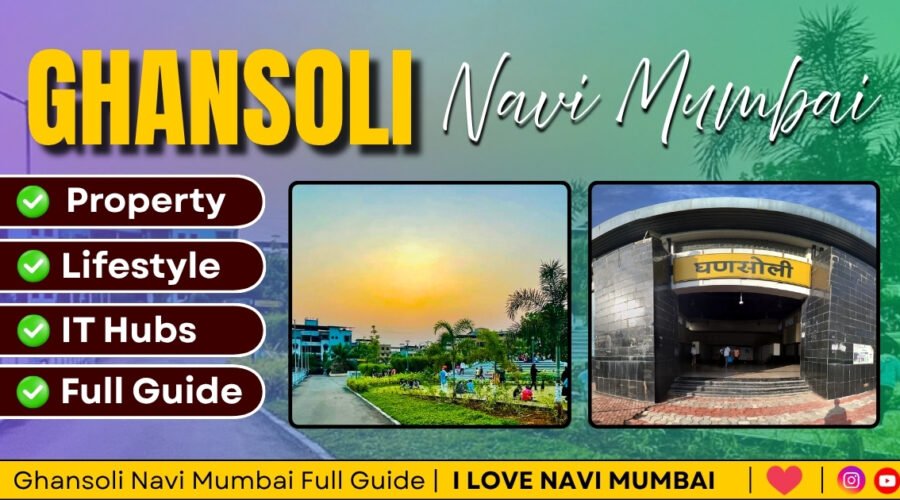
Ghansoli Navi Mumbai: Complete Area Guide, Property Rates, Connectivity, Lifestyle and Future Growth
Ghansoli is no longer just a practical address on the northern side of Navi Mumbai. It has become one of the city’s most closely watched residential belts because it sits between major employment zones, has direct railway access, improving road infrastructure, and a housing mix that ranges from older middle-market societies to newer premium towers. For many buyers and tenants, that combination is exactly what makes the area attractive.
What makes Ghansoli different is that it is not easy to judge from one quick site visit. One stretch feels corporate and fast-moving, another feels residential and functional, and a different pocket may still carry village-style or semi-unplanned characteristics. That is why this area needs a proper local reading, not generic real estate praise.
For working professionals, Ghansoli often works because of its short access to Reliance Corporate Park, Mahape, Airoli and the Thane-Belapur corridor. For families, it offers improving social infrastructure and more practical housing choices than some costlier nearby nodes. For investors, the real question is not whether Ghansoli has demand. It clearly does. The real question is which part of Ghansoli, what plot type, and what kind of building.
Is Ghansoli a Good Place to Live?
Ghansoli is one of Navi Mumbai’s stronger live-work locations for professionals working around Reliance Corporate Park, Mahape, Airoli and the Thane-Belapur employment corridor. Its main advantages are railway access, employment proximity and strong residential demand. However, buyers should compare individual sectors, buildings and land types because Ghansoli is not one uniform property market.
Ghansoli 2026 Quick Decision Guide
| Factor | Quick Answer |
|---|---|
| Best for | Professionals, families, tenants, rental-focused buyers |
| Main advantage | Employment + railway connectivity |
| Main caution | Sector, plot and building quality vary significantly |
| Premium pockets | Sector 11 and select newer tower clusters |
| More affordable stock | Older sectors and village-side pockets |
| Railway | Ghansoli Station |
| Civic authority | NMMC |
| Employment | RCP, Mahape, Airoli, TTC |
| Current major road project | Ghansoli–Airoli Palm Beach extension |
| Buyer rule | Judge the property, sector and land type separately |
Ghansoli at a glance
| Factor | Summary |
|---|---|
| Location | Northern Navi Mumbai, between Airoli and Koparkhairane |
| Governing civic body | Navi Mumbai Municipal Corporation |
| Known for | Railway access, proximity to jobs, growing premium housing, strong rental demand |
| Best suited for | Working professionals, families, end users, rental investors |
| Residential character | Mixed: established sectors, premium towers, and older village-style belts |
| Key employment pull | Reliance Corporate Park, MIDC Belt, Mahape, Airoli offices |
| Connectivity backbone | Ghansoli railway station, Thane-Belapur Road, internal road upgrades |
| Price profile | Broad range depending on sector, project quality, and land type |
| Main strength | Strong live-work practicality |
| Main caution | Micro-location quality and legal plot type matter a lot |
What you Learn!!
ToggleGhansoli Overview
| Attribute | Details |
|---|---|
| Coordinates | 19.125362°N, 72.999199°E (approx. locality centre) |
| Country | India |
| State | Maharashtra |
| City | Navi Mumbai |
| District | Thane |
| Sub-district / Postal Taluk | Rabale |
| Founded / Planned by | CIDCO |
| Governing Bodies | Navi Mumbai Municipal Corporation (NMMC) (current civic authority); CIDCO for legacy planning / land / leasehold-related matters |
| Civic Agency | Navi Mumbai Municipal Corporation (NMMC) |
| Urban Local Planning | Historically CIDCO; current day-to-day civic administration NMMC |
| Total Area | 11.69 km² (Ghansoli locality estimate) |
| Population | 165,970 (locality estimate) |
| Population Density | ~14,195 per km² |
| Literacy Rate | No separate widely published official Ghansoli-only literacy rate found; Navi Mumbai city literacy is around 89.62% in Census-based public compilations |
| Time Zone | UTC+5:30 (IST) |
| PIN Code | 400701 |
| Telephone Code | 022 |
| Vehicle Registration | MH-43 |
| Nearest Major Urban Core | Thane / Mumbai urban region |
| Climate | Tropical monsoon-influenced climate (Köppen Aw) |
| Railway Station | Ghansoli railway station (Trans-Harbour line) |
| Ward Office | NMMC F Ward, Ghansoli |
Population, Area and Demographics of Ghansoli
Current Population and Growth
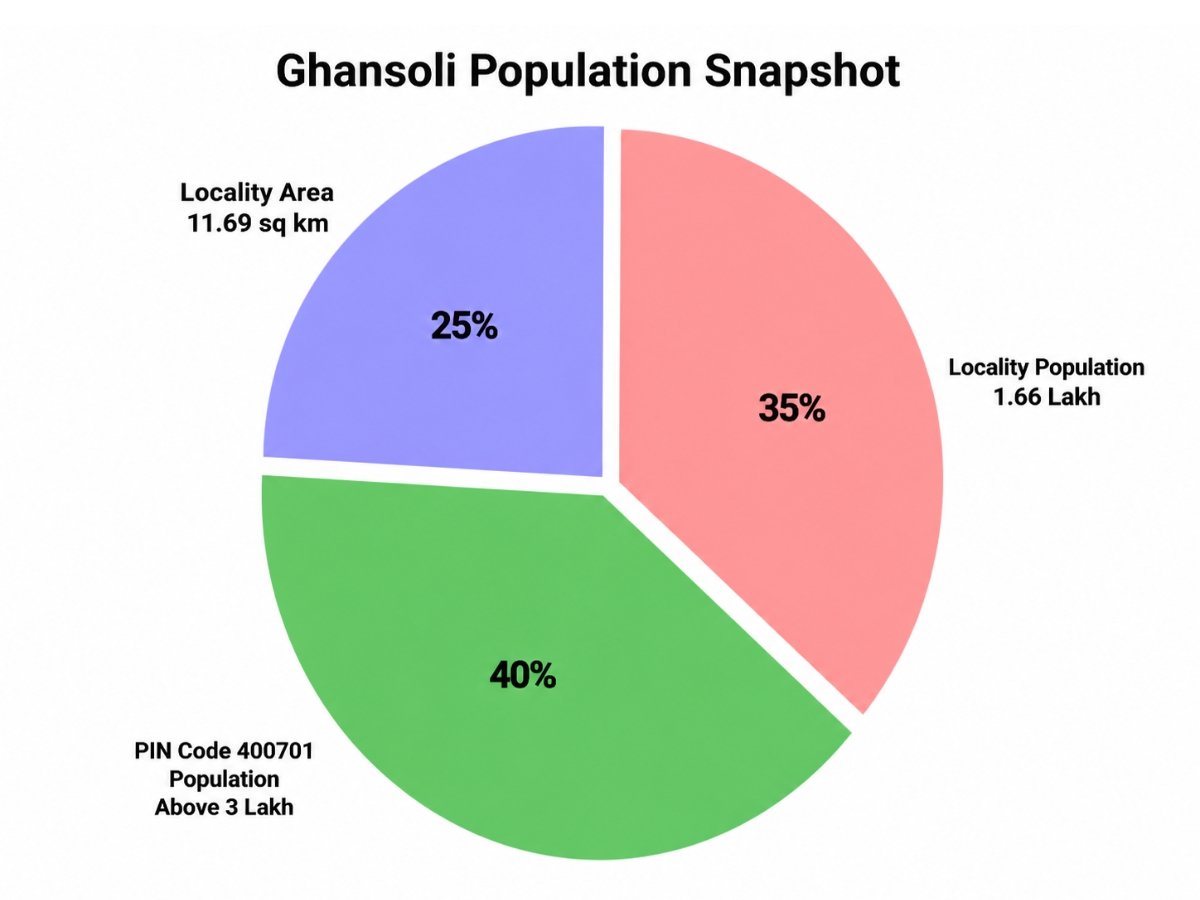
Current public locality datasets place Ghansoli’s population at around 1.66 lakh, with a locality area of 11.69 sq km. One reason confusion happens online is that some platforms also publish PIN-code boundary data for 400701, which is broader and can push the population figure above 3 lakh. For article writing, the locality estimate is more accurate for Ghansoli proper, while the pin-code figure reflects a wider postal catchment.
In real terms, Ghansoli’s growth has come from a mix of residential demand and employment-led demand. It sits close to strong job generators, and that has kept both rental and purchase interest active. The area’s profile has shifted from a more functional, lower-cost suburb to a stronger mid-market and upper-mid-market residential node, especially in sectors where new tower development has picked up.
Price Trends
2026 Property Rate Snapshot
Current Ghansoli property-rate indicators from major real estate portals.
Q2 2026 • Last reviewed August 2026MagicBricks Reported Price Range
Actual property prices in Ghansoli can vary significantly depending on the sector, project, building age, carpet area, floor, amenities, plot type, legal status, condition of the property and individual negotiations.
Area and Population Density
Using the current public locality estimate of 11.69 sq km and a population of 165,970, Ghansoli’s density works out to roughly 14,195 people per sq km. That is dense, but still more manageable than many fully saturated urban belts because Ghansoli’s internal character varies a lot by sector. Some parts feel compact and busy, especially near older residential pockets and station-linked movement, while other parts feel more open, particularly where newer development has come up.
Literacy, Workforce and Resident Profile
A separate, standardised official Ghansoli-only literacy rate was not readily available in current public sources. The safer way to write this is to note that Navi Mumbai city’s literacy rate is about 89.62% in Census-based public compilations, and Ghansoli is generally treated as a high-literacy urban locality because of its strong working-professional base, school access, and proximity to corporate employment zones.
Ghansoli’s workforce profile is heavily influenced by nearby employment ecosystems. Residents include office workers, IT and support staff, industrial and logistics employees, small business owners, service workers, and families who prefer a shorter daily commute over a more glamorous address. The presence of Reliance Corporate Park and the larger Thane-Belapur industrial-commercial belt has given Ghansoli a very practical live-work identity.
Language, Culture and Social Mix
Ghansoli is part of the wider Navi Mumbai urban culture, so the daily spoken language mix is usually led by Marathi, Hindi and English. Marathi remains central to local identity and public life in Navi Mumbai, while Hindi is common in markets, services and everyday interaction. English is widely used in schools, offices, housing society communication and professional spaces. Navi Mumbai’s broader demographic profile also reflects a mixed urban population rather than a single-language settlement.
On the ground, Ghansoli feels socially mixed. Older residents, long-settled local communities, corporate renters, nuclear families, bachelors working nearby, and upwardly mobile buyers all coexist here. This is one reason Ghansoli does not feel socially flat. The station side, the residential sectors, and the newer premium pockets all create slightly different lifestyles within the same locality.
Governance and administrative reality
This is where many people get confused. Ghansoli is not under Panvel Municipal Corporation. It falls under Navi Mumbai Municipal Corporation, and the area is handled through NMMC’s F Ward office in Ghansoli. CIDCO remains relevant mainly because Ghansoli is part of Navi Mumbai’s planned history and because certain land, leasehold and legacy planning matters still trace back to CIDCO. But for day-to-day civic reality such as ward administration, Ghansoli is clearly in the NMMC system.
Connectivity and location identifiers
Ghansoli’s PIN code is 400701, the telephone code is 022, and the postal taluk listed for Ghansoli is Rabale. Ghansoli railway station serves the locality on the Trans-Harbour line, and this station is one of the biggest reasons the area remains practical for daily commuting. The locality sits in the Thane-side portion of Navi Mumbai, which is why vehicle registration is generally linked with the MH-43 Navi Mumbai/Vashi RTO zone, not the Raigad-side MH-46 pattern used for places like Kharghar or Kamothe.
Climate
Ghansoli follows the broader Navi Mumbai tropical monsoon-influenced climate, generally classified as Köppen Aw in public climate references. In practical terms, that means a hot and humid climate for much of the year, a heavy monsoon season, and a relatively drier winter period. That also matches the lived reality of the locality, where road conditions, low-lying stretches, construction dust, humidity, and monsoon drainage all shape how comfortable different micro-locations feel.
Where is Ghansoli in Navi Mumbai and why does its location matter so much?
Ghansoli sits in a very strategic part of Navi Mumbai. It is close enough to established job zones to work as a serious residential base, but it is not as saturated as some older, more expensive nodes. That matters.
To the north and northeast, Airoli and the wider employment corridor pull office demand. To the east, the Thane-Belapur belt keeps industrial and corporate activity active. Nearby Mahape adds more office and IT-linked movement. Closer to Ghansoli itself, Reliance Corporate Park changes the local housing equation in a major way. This is one of the main reasons the area performs well not only for end users but also for rental investors.
In plain terms, Ghansoli benefits from something many localities do not have in balance: it is residential enough to live in, but commercially connected enough to stay relevant.
Explore Projects By Configuration





What kind of area is Ghansoli today?
Ghansoli today is best understood as a transitional, mixed-format Navi Mumbai node.
It is not as uniformly polished as some premium image-led locations. It is also not just an older industrial-adjacent locality anymore. It sits somewhere in between, and that is exactly why it has grown.
One part of Ghansoli feels built around daily convenience: railway station access, shops, schools, routine family movement, older societies, and more practical price expectations. Another part of Ghansoli, especially in its newer premium corridors, feels very different. There the conversation changes. Views matter. Tower quality matters. Lifestyle amenities matter. Building profile matters.
This split is important because many buyers make the mistake of treating the whole area as one uniform market. It is not.
Why many working professionals shortlist Ghansoli first
For a large section of Navi Mumbai’s salaried population, Ghansoli is first a commute decision and only then a property decision.
That is especially true for people working in or around:
- Reliance Corporate Park
- Mahape business areas
- Airoli office zones
- MIDC-linked industrial and support belts
A shorter commute changes everything in Mumbai-region housing decisions. It affects rental budgets, daily stress, willingness to upgrade, and even the type of home a person chooses. A tenant may happily take a slightly smaller apartment in Ghansoli if it cuts down travel time sharply. A buyer may choose Ghansoli over a more glamorous node simply because the live-work equation is better.
This is where Ghansoli has built a genuine advantage. It is not only being bought as a “future growth story.” It is being used every day by people who want to live close to work.
Which parts of Ghansoli should you understand before buying or renting?
The established residential core
The older planned sectors, especially the established middle-market portions, remain the functional heart of Ghansoli. These pockets usually appeal to families and practical end users who care about station access, daily convenience, and ready neighbourhood infrastructure more than lifestyle branding.
These are the areas where the everyday city feels active. Shops, schools, groceries, railway movement, local transport and routine services are easier to access. The trade-off is that these zones can feel denser and less visually premium than the newer high-rise corridors.
The premium western and emerging tower pockets
Sector 11 and parts of Sector 30 have become the sharper premium conversation in Ghansoli. These pockets are associated with higher-end projects, stronger price points, better views in some cases, and more aspirational buyer demand.
This part of Ghansoli appeals more to professionals upgrading from smaller homes, corporate families, and buyers who want a more modern project environment. It is also the part that gets talked about most when people say Ghansoli is “changing.”
The gaothan and older village-style belts
Talavali, Gothivali and Ghansoli Gaon sit in a very different category. These pockets are not irrelevant, but they should not be read like the main planned residential market.
They can appear cheaper and sometimes attract budget-driven buyers. But affordability alone is not the full story. Internal roads, parking, civic consistency, title clarity, loan comfort and resale ease can all become major issues in such pockets. For outside buyers, especially first-time buyers, this is where due diligence becomes far more important.
Is Ghansoli a good place to live in Navi Mumbai?
For many people, yes. But the answer depends on what “good” means in your case.
For working professionals
Ghansoli is one of the stronger options in Navi Mumbai if work is in nearby corporate or industrial corridors. The area’s advantage is straightforward: access. This is one of the few localities where daily travel logic can genuinely improve quality of life.
For families
Families usually value Ghansoli for its combination of schools, local shopping, routine healthcare access and rail connectivity. It may not offer the broad, polished lifestyle image of a more premium node like Seawoods or parts of Nerul, but for many middle and upper-middle income households, it offers a practical family base.Read Our Comparision on which city is ideal for living – Seawoods vs Nerul.
For tenants
Ghansoli is especially strong as a rental market because demand is not only speculative. It is tied to real job movement. That gives the area a more stable rental profile than many locations that depend too much on future promises.
For senior citizens
This depends heavily on the exact sector and building. Older dense pockets with traffic or road discomfort may not suit everyone. But a well-chosen society in a more stable residential stretch can still work well, especially if daily essentials are close.
Ghansoli property rates: what buyers and investors should realistically expect
This is where buyers need a grounded view.
If someone asks, “What is the Ghansoli price per square foot?” the honest answer is that there is no single useful number. Portal averages exist, but Ghansoli’s market is too mixed for one neat headline number to tell the full story.
Current 2026 property portals broadly place Ghansoli’s average apartment/locality rate around ₹16,000-plus per sq ft. MagicBricks reports a Q2 2026 multistorey-apartment average of ₹16,132 per sq ft, while Housing.com displays a locality average of about ₹16,405 per sq ft.
These figures should still be treated only as market indicators. Premium sectors and stronger projects can quote considerably higher, while older buildings, gaothan-linked stock and other micro-markets can sit much lower. A single Ghansoli-wide average should never replace project-level comparison and legal due diligence.
Broad housing price picture
| Segment | Practical market reading |
|---|---|
| Budget / older pockets | Entry price may look attractive, but quality and legal comfort vary sharply |
| Standard 1 BHK market | Strong demand from young professionals and investors |
| Mainstream 2 BHK market | Core family and upgrade segment in Ghansoli |
| Premium 3 BHK / larger units | Concentrated in better towers and premium micro-markets |
| Gaothan-linked stock | Lower entry point, but much higher caution needed |
Rental picture
Ghansoli remains one of the stronger rental-led residential markets in this belt of Navi Mumbai. Standard family units and professionally occupied apartments continue to see demand, especially near major work zones. Premium furnished inventory can go much higher, while mainstream rental stock remains active because of practical office access.
For investors, this matters more than headline appreciation stories. Rental resilience usually tells you whether the area is being used or merely marketed. Ghansoli is very much being used.
The one thing buyers should not ignore: land and plot type
A big reason Ghansoli confuses outsiders is that two properties in the same broad locality can carry very different legal comfort, financing ease and resale quality.
CIDCO tender plots
These are generally considered the safer and more straightforward category. They usually support better title comfort, formal development structure and smoother bankability. This is one reason projects on such plots often command a premium.
12.5% scheme plots
These can be valid, but they demand more verification. Transfer orders, approvals, CIDCO-related documentation and development history matter. This is not necessarily a red flag category, but it is a category where lazy due diligence is dangerous.
Core gaothan properties
This is where outside buyers should be most careful. Lower prices can attract attention, but the downside risk is higher. Access problems, documentation uncertainty, approval limitations, weaker resale confidence, and loan issues can all show up here.
A cheap deal is not always a good deal. In Ghansoli, this is especially true.
CIDCO freehold conversion: why it matters in resale decisions
One of the most practical resale questions in Navi Mumbai is whether a property remains on older leasehold logic or has moved toward freehold conversion.
For the buyer, this is not a technical side issue. It affects resale ease, transfer complexity, and overall ownership comfort. A society or property that has completed the relevant process can become easier to transact in and more attractive in the resale market.
So if you are evaluating a resale flat in Ghansoli, especially in an older established society, one of the smartest questions you can ask is this:
Has the society completed or initiated the freehold conversion process?
That one question can tell you a lot about future transaction ease.
Connectivity in Ghansoli: strong, but with important caveats
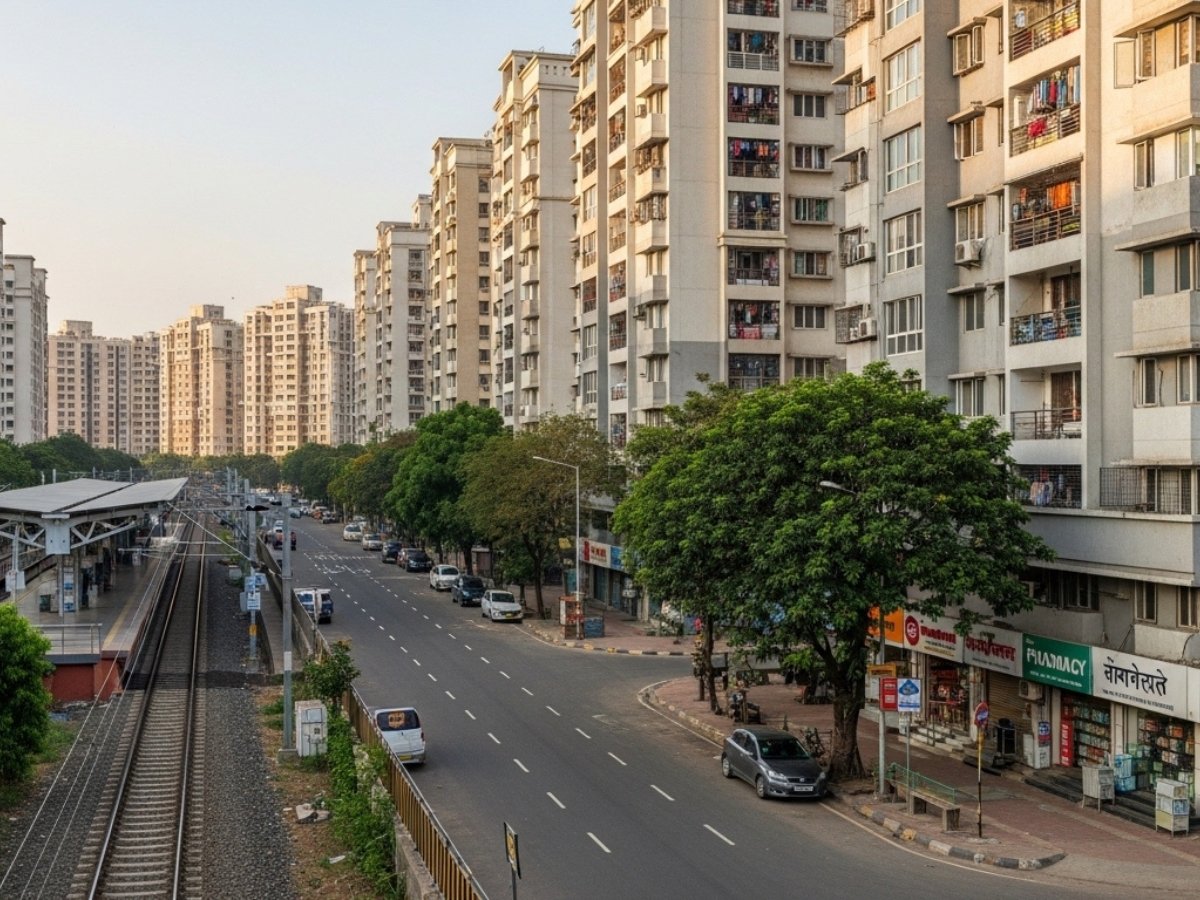
Ghansoli’s connectivity story is solid, but it should be read carefully.
Railway remains the real backbone
Ghansoli railway station is one of the area’s biggest practical strengths. For many households, this station is still the most important transport advantage the area has. That matters because local train-led access is still the most reliable daily mobility system for a large part of Navi Mumbai.
A major administrative change took place in August 2026. Ghansoli was among 14 Navi Mumbai railway stations formally handed over from CIDCO to Central Railway on 15 August 2026. Central Railway is taking responsibility for station operations, safety, maintenance and related facilities, while existing CIDCO housekeeping, toilet and dewatering contracts continue until 30 September 2026. Central Railway is scheduled to take over those services from 1 October 2026.
For regular commuters, this does not change Ghansoli’s railway route, but it changes which agency is responsible for station upkeep and passenger facilities.
Thane-Belapur Road remains crucial
Road connectivity is one of Ghansoli’s biggest strengths and one of its biggest frustrations at the same time. The area benefits from direct access to the Thane-Belapur corridor, but local bottlenecks, junction pressure, internal road work and peak-hour congestion can make short distances feel longer than they look on a map.
Palm Beach Road extension is a real project, not just brochure talk
This is now an active construction project rather than only a proposed connectivity upgrade. The Ghansoli–Airoli Palm Beach Road extension is approximately 3.47 km long and includes an elevated section of about 1.9 km across the mangrove area. Construction began in 2025 and is being implemented by NMMC with CIDCO funding support.
During an NMMC Commissioner’s inspection reported on 7 May 2026, 44 of the project’s 89 piers had been completed and work on the remaining structures was continuing. The earlier September 2026 completion target should therefore be treated cautiously; February 2026 reporting had already indicated that completion may extend into 2027.
Once completed, the extension is expected to provide a more direct Ghansoli–Airoli route and reduce some traffic pressure on Thane-Belapur Road. The final travel-time benefit should be assessed only after the corridor becomes operational.
Metro should be treated with caution
Metro potential should not be sold as current reality for Ghansoli. Navi Mumbai Metro is operational in other parts of the city, but Ghansoli’s direct benefit from future expansion should still be treated as a medium- to long-term factor, not an immediate commuting feature.
Airport access has also changed since Navi Mumbai International Airport became operational. Ghansoli residents can now consider both Chhatrapati Shivaji Maharaj International Airport in Mumbai and Navi Mumbai International Airport in Ulwe depending on the airline, destination, traffic and preferred route.
NMIA’s official website is currently displaying active arrivals and departures from Terminal 1, so the airport should no longer be described as an upcoming project in Ghansoli-related travel information.
The real engine behind Ghansoli’s demand: employment
Every strong housing market needs a real demand engine. Ghansoli has one.
Reliance Corporate Park is not a small influence. It is one of the area’s defining demand anchors. Add the larger industrial-commercial ecosystem around the Thane-Belapur belt, Mahape, Airoli and related office clusters, and Ghansoli begins to make sense as more than just a residential node.
This is why rental demand here is not built only on speculation. It comes from people who need to live within a workable radius of major job centers. That also explains why better buildings in the right location can maintain stronger occupancy and more consistent pricing power.
Social infrastructure and daily life in Ghansoli
Ghansoli has matured enough that daily life is no longer the issue it once was.
Schools and education
The area and its nearby catchment offer multiple schooling options, including mainstream private schools that are relevant for working families. For a family moving within Navi Mumbai, schooling is no longer a major reason to reject Ghansoli outright.
Healthcare
Ghansoli offers local healthcare and routine multispeciality support, while larger hospital networks in broader Navi Mumbai remain accessible when needed. That is usually how residents use the ecosystem in practice: local for regular needs, larger nodes for major care.
Retail and daily convenience
DMart and other routine retail anchors are part of Ghansoli’s practical appeal. Grocery access, everyday shopping and service convenience are already established enough for normal urban life.
Food and neighbourhood life
The dining scene is not the city’s most glamorous, but it has improved. Family restaurants, casual dining and routine eating options are present. Ghansoli works more as a daily-life locality than a destination nightlife zone.
Ground reality problems you should know before choosing Ghansoli
A good local guide should not oversell the area. So here is the honest side.
Internal traffic and junction pressure
Traffic can build up sharply around key local stretches, especially near the station-side movement and busy internal connectors. During office timings, the difference between map distance and actual travel time can be noticeable.
Construction discomfort in some parts
Road widening, concretisation and infrastructure works improve an area in the long run, but in the short run they create daily friction. Dust, diversions, local jams and uneven internal roads can affect the experience.
Water and civic inconsistency in older belts
Planned sectors perform differently from gaothan belts. This is important. Water quality, pressure, illegal connections and municipal consistency can vary sharply across sub-areas. A buyer should never assume the entire node performs equally well.
Micro-location matters more than people think
A project brochure may say Ghansoli. But there is a real difference between a better-connected, cleaner, well-managed society in a stronger sector and a weaker building in a legally or physically compromised pocket. In Ghansoli, buying the right building is often more important than simply buying the right locality name.
Ghansoli vs Airoli vs Koparkhairane
| Factor | Ghansoli | Airoli | Koparkhairane |
|---|---|---|---|
| Overall feel | Transitional, rising, mixed-format | Mature corporate-residential node | Dense, active, commercial-residential |
| Best for | Walk-to-work buyers, rental investors, practical upgraders | Office-linked buyers wanting a more established premium belt | Buyers wanting convenience and dense everyday city access |
| Price position | Broad range, often between older affordability and premium towers | Usually stronger headline pricing | Often slightly lower than Airoli, but depends on sector |
| Housing stock | Mix of old, mid-market and premium towers | More mature and established | Dense stock, mixed quality, high convenience |
| Commute advantage | Strong for RCP and nearby belts | Strong for Mindspace and nearby offices | Good, but congestion can be more intrusive |
| Lifestyle polish | Improving | Stronger established image | More functional than polished |
| Investor appeal | Strong where plot type and micro-market are right | Strong but costlier entry | Depends more on exact sector and building |
If the goal is premium maturity, Airoli may still feel stronger in many pockets. If the goal is dense convenience, Koparkhairane remains relevant. But if the goal is balance between work access, livability, and future upside, Ghansoli often becomes the smarter shortlist.
Future growth of Ghansoli: what is realistic and what is not?
Ghansoli does have future growth triggers, but they should be read carefully.
Real positives
- Palm Beach Road extension is a live infrastructure story
- Premium housing supply is increasing in select sectors
- The area’s office-linked rental logic remains strong
- Social infrastructure is improving
- Sports and civic development projects may improve livability perception
What should not be exaggerated
- Metro should not be treated as immediate present-day benefit
- Every part of Ghansoli will not appreciate equally
- Low-price pockets do not automatically become good investments
- Legal risk can wipe out the benefit of a lower ticket size
The strongest future case for Ghansoli is not blind hype. It is this: the area is becoming more valuable because it is already useful.
Green Spaces and Outdoor Life
Parks, Gardens and Everyday Open Spaces
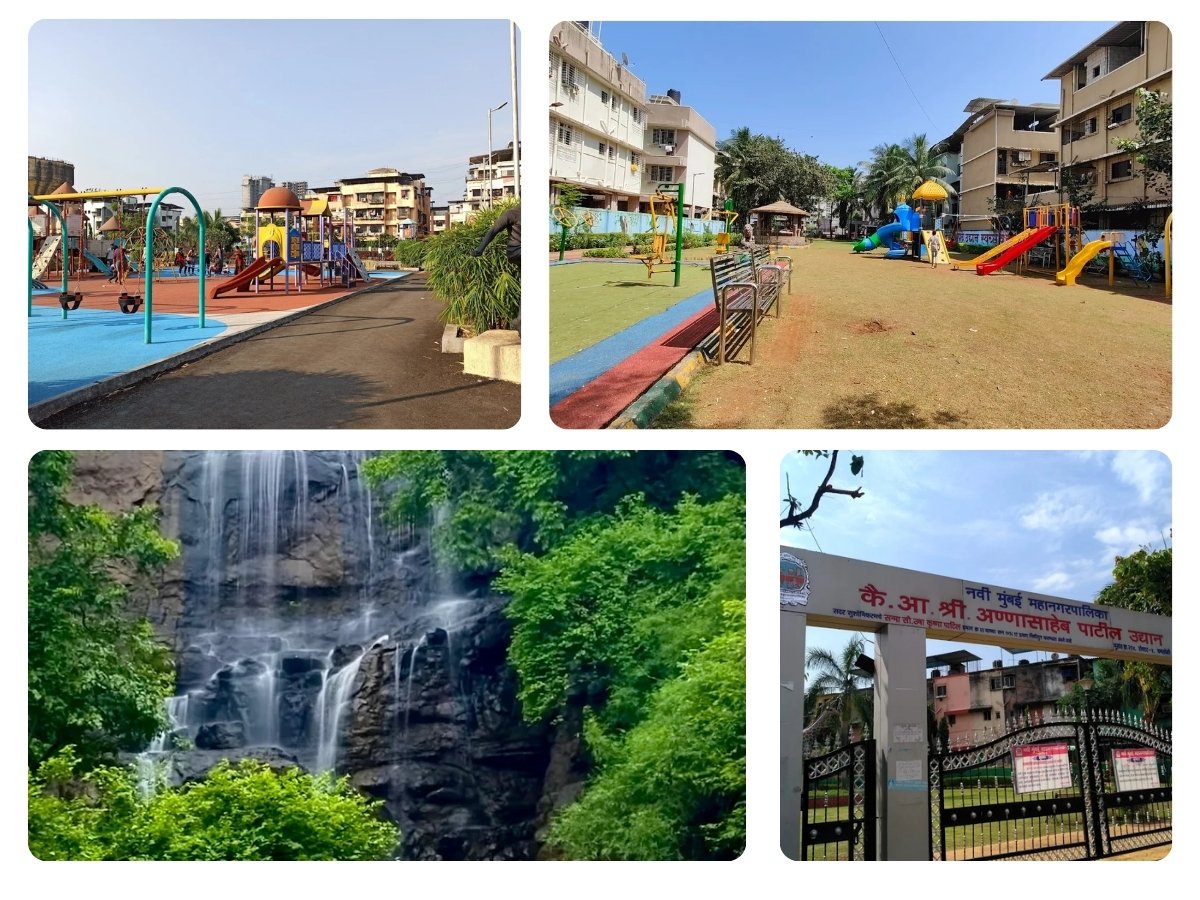
Central Park Ghansoli can work as the anchor outdoor landmark for the area, since it is listed as a garden/park in Sector 3, Ghansoli, and appears as one of the clearest and most prominent park entries in the data.
Chinchwali Garden can be framed as a calm neighborhood park, especially because the file also lists a fountain and the Peace Statue around the same garden area, giving it a little more visual identity.
Annasaheb Patil Garden, Dr Babasaheb Ambedkar Udyan, Guru Tegh Bahadur Park, Rana Devi Park, Ganesh Visharjan Talao Park, Peer Sayad Badsaha Miya Udhyan, Shri Baji Prabhu Udyan, and Yashwant Rao Chavan Park together suggest that Ghansoli and its surrounding belt have a dense network of small and mid-sized public open spaces.
That gives the locality a more lived-in, residential character rather than the feel of a place built only around roads and offices.
Playgrounds, Grounds and Family Recreation
The file also includes Bhumiputra Ground KK, Bonkode Ground Cricket, Ghadi Playground, Vishwarao Playground, Sadguru Ground, cricket grounds, and generic play grounds, which supports a strong youth-sports and casual outdoor-activity angle.
DAV Indoor Playground and Yash Paradise swimming pool can be placed under family-friendly recreation, since they expand the section beyond gardens into usable leisure infrastructure.
This helps present Ghansoli not just as a scenic neighborhood, but as a place built around everyday activity and movement.
Monsoon and Nearby Nature Notes

Birding, Nature and Creekside Attractions
The Coastal & Marine Biodiversity Centre stands out as Ghansoli’s strongest nature-and-learning attraction, and the file separately lists its ticket counter as well, which reinforces its on-ground presence.
Gavli Dev Bird Sanctuary and Thane Creek Flamingo WLS appear in the data as nearby ecological points, so it is safer to describe them as “around Ghansoli” rather than inside Ghansoli proper.
Fountain of Joy is also listed near Reliance Corporate Park, making it a useful mention as an unexpected visual stop in the middle of a work-heavy zone.
Seasonal Escapes Around Ghansoli
Pandavkada Waterfalls appears in the file as a nearby attraction, but it is specifically tied to Kharghar, so it should be presented as a wider Navi Mumbai monsoon reference rather than a core Ghansoli attraction.
Bawkhaleshwar Temple is also marked as a nearby attraction rather than a central Ghansoli landmark, so it works better as a supporting mention than as a headline destination.
This distinction matters, because it keeps the article locally accurate while still allowing you to mention the larger outing circuit around Ghansoli.
Business, Education and Urban Growth
Reliance Corporate Park and Technocity
One of Ghansoli’s strongest identity layers in the file is its business ecosystem, especially through Reliance Corporate Park, which is directly described as a major business landmark in Ghansoli.
Twin Towers on RCP Main Road adds another clear landmark to this business district, while Technocity, along with its separately listed A Wing and B Wing, reinforces Ghansoli’s office-led image.
MIDC Mahape, Nirmal Bhavan M.P.C.B, L&T Finance – Mahape, Lokmat Newspaper, Remiges Technologies, Shri Siddhivinayak Complex, and TC-22 A Block together show that the work ecosystem here goes beyond a single corporate campus.
Colleges and Higher Education Access
The education layer is also strong, with Dhirubhai Ambani Knowledge City, Lokmanya Tilak College of Engineering, Shrimati Indira Gandhi College of Engineering, Oriental College of Management Studies, and Yashwantrao Chavan College of Arts, Science & Commerce all appearing in the file.
That mix gives Ghansoli the feel of a study-and-work corridor rather than a purely residential or office-only pocket.
Schools and Family-Oriented Learning
At the school level, the data includes North Point School, Lokmanya Tilak International School, Reliance Foundation School KK, St. Mary’s ICSE School, Terna Orchids International School, Christ Academy School KK, R.F. Naik School & Junior College, and Radhika Bai Meghe Vidyalaya.
Podar Prep appears in childcare and kindergarten categories, which helps support a more family-oriented and early-learning angle in the article.
NMMC School appears multiple times in the file, so in the final article it should be cleaned into a single mention rather than repeated as separate highlights.
Food, Shopping and Daily Convenience
Local Restaurants and Quick Bites
Ghansoli’s food ecosystem in the file is broad, covering both recognizable chains and everyday local dining options.
For regular meals, the data includes Chang Su, Five Star Chicken, Hotel Spices KK, Hotel V Kitchen, PANCHARATNA, Mojo Pizza, Sai Sagar Family Restaurant, Sainidhi, Shiv Roshni Restaurant, White Violet, Poli Bhaji Kendra, Meating Square, and Protein Hunterz.
Pride’s Kitchen Hyderabadi Biryani also has reported timings of 10:00 AM to 10:00 PM, which makes it useful as a practical detail in a lifestyle-oriented write-up.
Cafes, Fast Food and Casual Evenings
For quicker stops, the file lists CHAI SUTTA BAR KK, 7/11 STORE, Domino’s, KFC, McDonald’s, The Belgian Waffle Co, and Naturals.
Because Domino’s and McDonald’s appear multiple times, it is cleaner to mention them as brand presence rather than listing multiple branches separately.
MH-43, Fusion Kadai, and Garam Masala Bar and Restaurant also show that the area has a small but visible casual-evening and bar-oriented layer.
Shopping, Markets and Banking
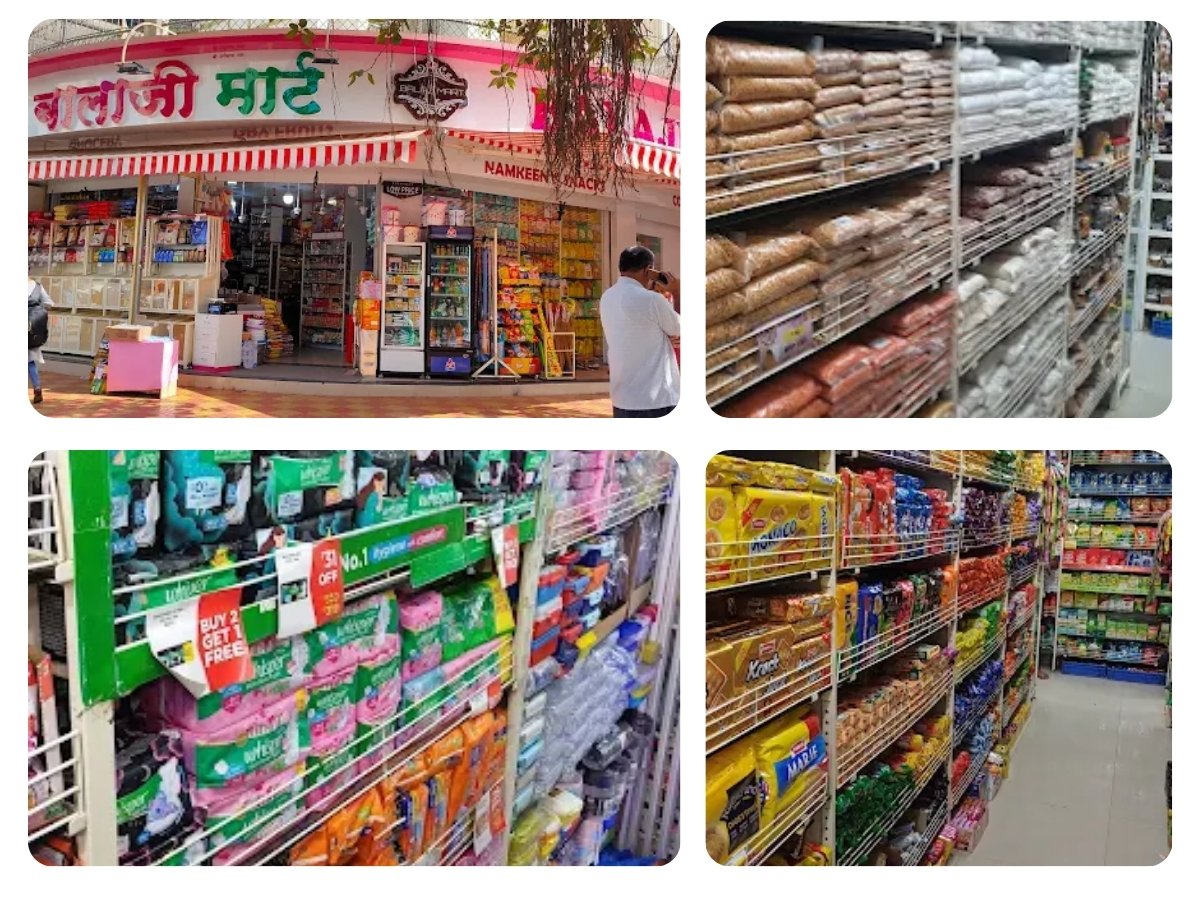
On the retail side, the file includes DMart, Dmart – Airoli, DMART KK, Reliance Digital, Zudio, Lenskart, My Jio Store, unicorn, and Vodafone Idea Vi, all of which point to strong everyday convenience.
For apparel and lifestyle, names such as Cotton King, Culture, Signature, SIYARAM STORE, Bata, and KHADIMS SHOP appear in the listings.
Daily-needs retail is also visible through GuruKrupa General Store, KAMAL BOOKSTORE KK, Deepti Stationery xerox, Monginis Cake Shop, Patanjali Store, dairy stores, chemists, and neighborhood utility shops.
Markets, Public Services and Connectivity
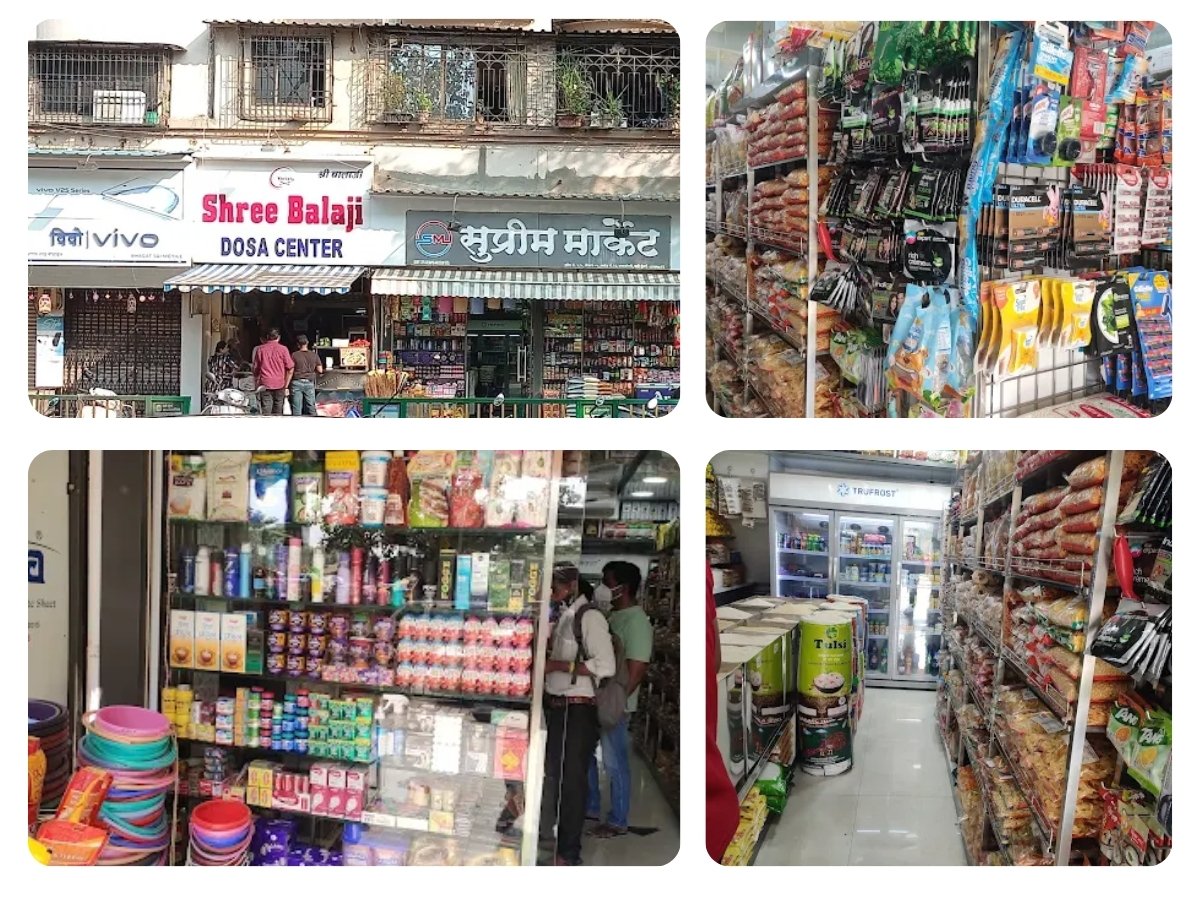
The market layer includes Divagaon Fish Market, Local Market, and Jai Bhawani Dainandin Bazaar, although the last one appears in duplicate form and should be used only once in the final article.
Banking access is another strength, with entries for Axis Bank, Bank of Baroda, Canara Bank, Federal Bank, HDFC Bank, ICICI Bank, IDBI Bank, IDFC First Bank, Indian Bank, IndusInd Bank, Kotak Mahindra Bank, Punjab National Bank, Saraswat Co-op Bank, State Bank of India, Union Bank of India – Ghansoli Branch, and Yes Bank.
The same convenience layer is extended by HDFC Bank ATM and State Bank of India ATM entries, along with public-service listings such as KK Police Station, Kopar Khairane Police Station, Rabale Police Station, Rabale Traffic Police Station, Koparkhairne Fire Station, Koparkhairane NMMT Bus Station, Bharat Petroleum, Indian Oil Petrol Pump KK, Mahanagar Gas, and Shell.
Healthcare, Faith and Local Identity
Hospitals, Clinics and Routine Care
One of the biggest practical strengths in the file is healthcare density, with hospitals such as Divine Multispecialty Hospital and Research Centre, NMMC Hospitals, Reliance Hospital, Parulekar Hospital, Criti Care ICCU Multispeciality and Trauma Centre, Disha Hospital, KRYPTON Heritage Health Care, Suruchi Eye Centre, Asha Hospital and ICCU, Dr. Doke’s Shraddha Hospital, Jasmine Hospital and Wow Clinic, Gandhi Hospital – Navi Mumbai, and Vedaant Multispeciality Hospital.
Routine care is also covered through NMMC UHP Ghansoli, NMMC UHP Rabale, NMMC UPHC Koperkhairane, Archana Maternity & Nursing Home, Naik Nursing Home and Endoscopy Centre, Dr. Dive’s Eye Clinic, Kulkarni’s Nidan Diagnostic Center, CTL Clinitech Laboratory Pvt. Ltd., Dr Shinde’s Dental Clinic, pulse, and Spandan Healthcare Center.
That makes the area feel highly practical for families, working residents, and long-term settlement.
Temples and Multi-Faith Spaces
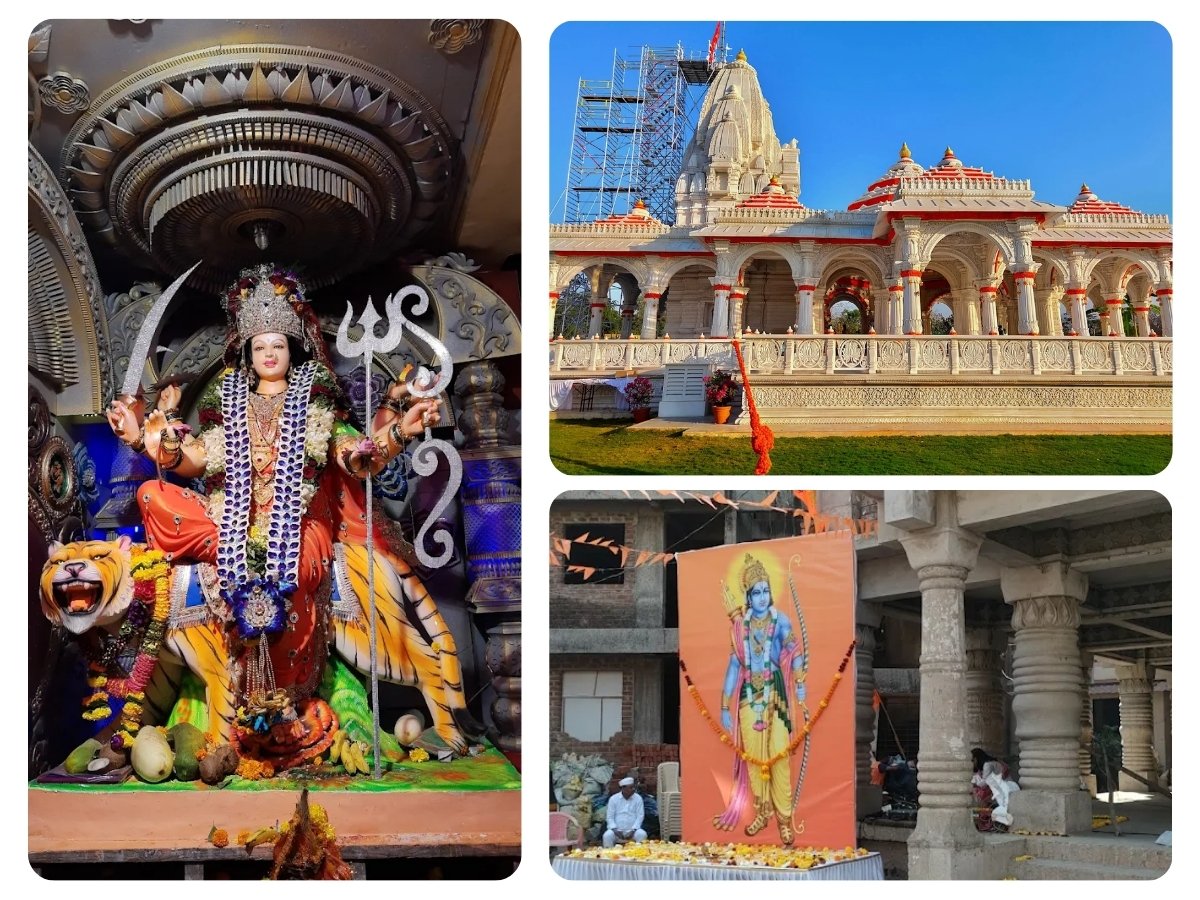
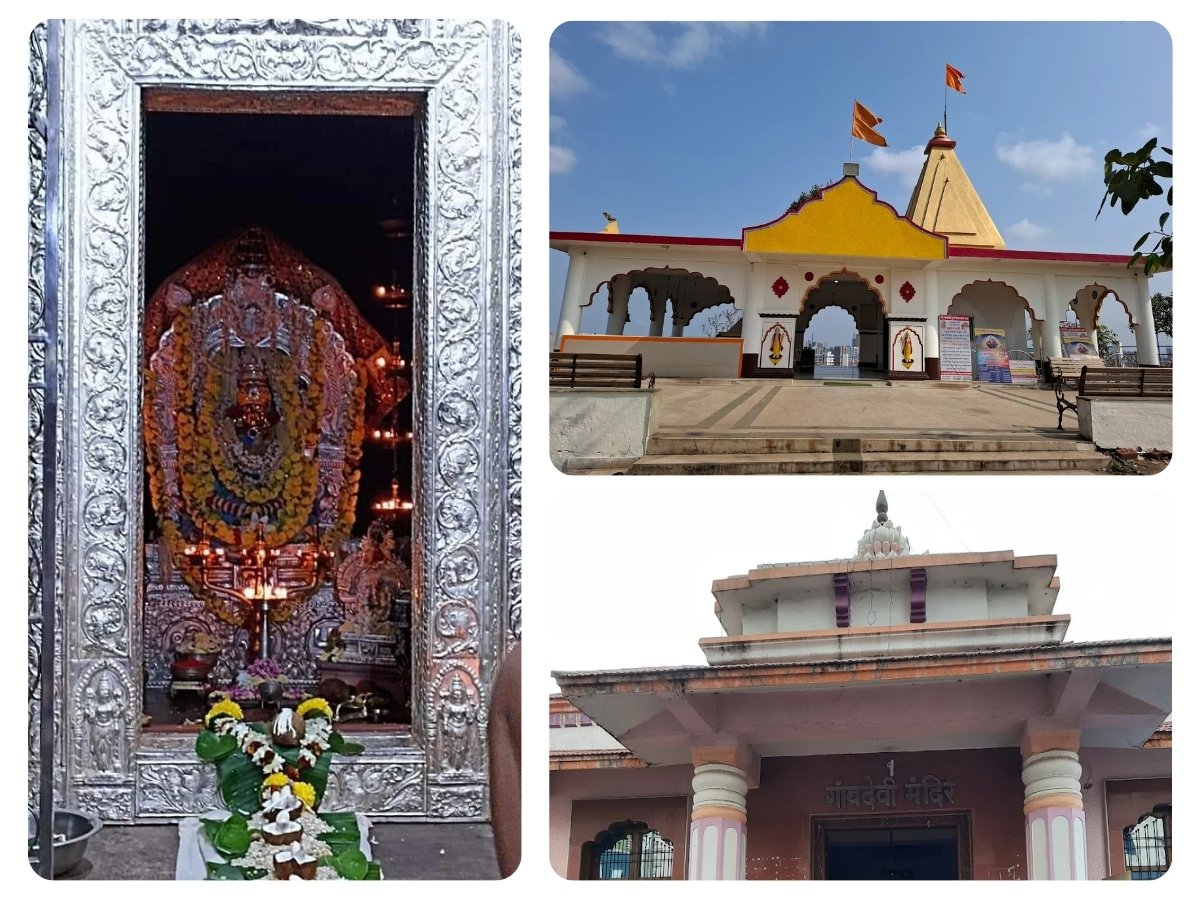
The religious layer is equally wide, with Gawalidev Temple Ghansoli, Chikaleshwar Mandir, Jai Hanuman Mandir, Shri Sai Mandir, Shri Siddhivinayak Mandir, Siddhivinayak Mandir, Visheshwar Mandir, Vitthal Mandir, Balaji Mandir, Shiv Ganesh Hanuman Mandir, Shree Swami Samarth Temple, SHRI DATTA GURU MANDIR, and Mahalaxmi Mandir KK all appearing in the data.
Some entries, including Gawalidev Temple Ghansoli, Visheshwar Mandir, and Parmath Niketan Navi Mumbai Airoli, appear more than once, so they should be cleaned into single mentions in the final version.
The multi-faith texture is strengthened by Gurudwara Guru Singh Sabha, Koparkhairane Jama Masjid, Jain Temple, St Theresa of Child Jesus, St. Joseph Church, Airoli, Masjid, and kanchan dharmashala, which together reflect a socially rooted and spiritually diverse locality.
Final Thought: Is Ghansoli worth considering in Navi Mumbai?
Yes, Ghansoli is worth serious consideration, but only if you evaluate it correctly.
This is not a one-line locality. It is a layered market. That is why some people walk away impressed and others walk away confused.
For end users, Ghansoli works best when the priority is practical daily life near employment corridors. For families, the established sectors and better societies can be very workable. For investors, the area has a real rental engine, which is more important than marketing noise. For premium buyers, select sectors now offer genuine upgrade options.
But this is also a locality where mistakes happen easily. Buyers who ignore plot type, building quality, internal road reality or civic differences between sectors can end up reading Ghansoli wrongly.
The right summary is simple:
Ghansoli is one of Navi Mumbai’s most important live-work nodes today, but it rewards careful selection more than blind enthusiasm.
FAQs
Frequently Asked Questions