
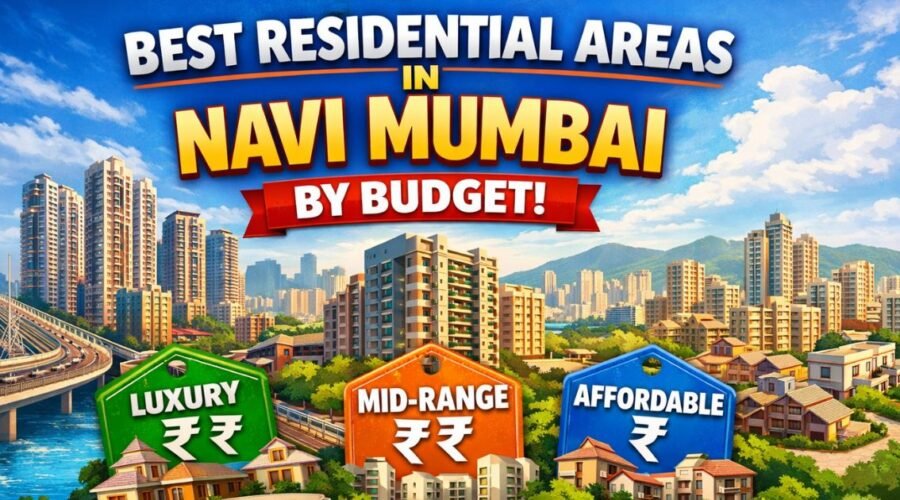
Best Residential Areas in Navi Mumbai by Budget
The best residential areas in Navi Mumbai by budget usually break down like this: lower budgets often start with Taloja, Dronagiri, and outer Panvel pockets; mid-range budgets usually compare Kamothe, Kalamboli, Ulwe, Panvel, and Kharghar edge sectors; premium budgets move toward Nerul, Seawoods, Vashi, Sanpada, and prime Kharghar. But budget alone is not enough. In Navi Mumbai, the same amount can buy very different daily realities depending on water supply, authority jurisdiction, commute, flat age, and possession certainty.
Finding the right area here is not only about getting the cheapest rate per square foot. It is about understanding what your money is actually buying. In one node, a lower price may mean tanker dependency, long commutes, or weak social infrastructure. In another, a higher price may buy stable civic services, better resale comfort, and less daily friction.
That is why this guide does not treat Navi Mumbai like one uniform property market. It is not. NMMC-side nodes, CIDCO-led developing pockets, and Panvel-side areas behave differently, and that difference matters a lot when you are putting your savings into one flat.
Quick Summary
| Budget Band | Areas Usually Worth Starting With | What Usually Makes Sense Here | Main Trade-Off |
|---|---|---|---|
| ₹30 lakh to ₹60 lakh | Taloja, Dronagiri, outer Panvel pockets | First-time entry, long-term hold, smaller configurations | Water issues, incomplete civic maturity, longer commute |
| ₹60 lakh to ₹1.2 crore | Kamothe, Kalamboli, Ulwe, Panvel, Kharghar edge sectors | Best balance of budget, access, and future upside | High variation in micro-location and project quality |
| ₹1.2 crore and above | Nerul, Seawoods, Vashi, Sanpada, prime Kharghar sectors | End-use comfort, stronger social infrastructure, better resale confidence | Higher capital entry and lower affordability |
This table gives the fast answer, but the real decision depends on what kind of buyer you are. A family, a BKC commuter, and a yield-focused investor should not shortlist the same nodes even at the same budget.
Which Navi Mumbai Areas Usually Fit Lower, Mid-Range, and Premium Budgets?
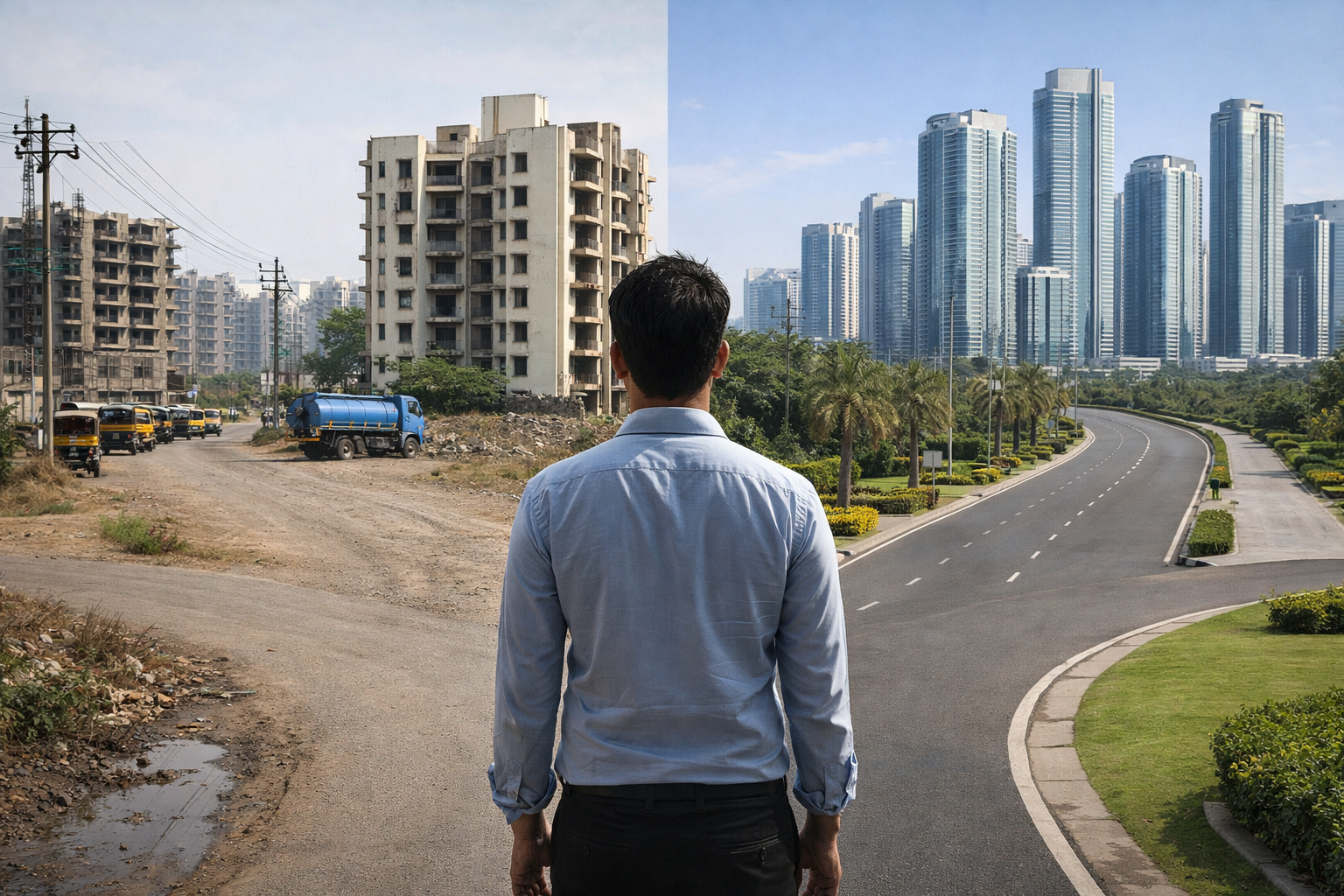
In Navi Mumbai, budget bands are really lifestyle bands. They are not just price categories.
A lower budget usually buys you more future promise than present comfort. A mid-range budget is where real choice begins. A premium budget generally buys you maturity, predictability, and less everyday compromise.
One important thing: these bands are indicative. A luxury project in an otherwise affordable node can be priced higher than an older resale building in a premium location. Flat age, carpet area, builder positioning, and exact sector all change the answer.
Lower Budget Buyers Usually Start With Taloja, Parts of Ulwe, Dronagiri, and Some Panvel-Side Pockets
Lower-budget buyers in Navi Mumbai usually look where land is still relatively cheaper or where civic maturity is still catching up. That is why Taloja and Dronagiri remain key entry points. Some outer Panvel-side options also come into the picture depending on flat size and project age.
What makes these areas cheaper
These areas are cheaper for reasons that buyers should understand clearly.
Taloja usually remains affordable because it still carries the reality of an evolving suburban market. Yes, Metro Line 1 has improved its commuter value, but not every part of Taloja feels equally practical for day-to-day life. Road conditions, service quality, market access, and society quality can vary sharply.
Dronagiri stays cheaper because it is more isolated and more dependent on future-led optimism. It has JNPT and broader growth logic in the background, but for many end users, it still feels too early. CRZ-linked complications and delayed local development have made it more speculative than comfortable.
Ulwe has moved upward fast because of the airport and Atal Setu effect, so it is no longer “cheap” in the old sense. Still, parts of Ulwe can enter lower or lower-mid budgets depending on flat size, building age, and exact sector.
Who should still consider them
Lower-budget areas can make sense for three types of buyers.
The first is the budget-constrained first-time buyer who wants ownership now and can accept some friction. The second is the long-term investor who understands that cheaper entry points only work when backed by real infrastructure, not just marketing promises. The third is a patient buyer who is okay trading current convenience for future catch-up.
Between Taloja and Dronagiri, Taloja usually feels safer for most practical buyers. The reason is simple. Metro connectivity and a more active commuter pattern make it easier to live with. Dronagiri may look attractive on paper, but its isolation and development uncertainty make it harder for the average buyer.
Where buyers get trapped
This is where many first-time buyers make mistakes.
A flat advertised at a very low base price may stop looking affordable once you add floor rise, parking, GST, stamp duty, registration, and society charges. In many cases, a “₹29.99 lakh” headline becomes a much heavier final number.
There is also the trap of buying too deep into a developing pocket just because future infrastructure sounds exciting. Future infrastructure can help, but daily life still happens in the present. Water tanker dependence, patchy markets, dusty surroundings, and long daily travel can wear people down faster than they expect.
Caution box: cheap is not always value
A cheaper area is worth considering only when the lower price comes from development stage, not from title weakness or bad project quality. Be extra careful with Gaothan properties, 12.5% scheme-related documentation gaps, and projects where the legal chain is unclear. A low rate means very little if the flat becomes difficult to finance, transfer, or resell.
Mid-Budget Buyers Often End Up Comparing Panvel, Kamothe, Kalamboli, Kharghar Edge Locations, and Older Stock in Select Nodes
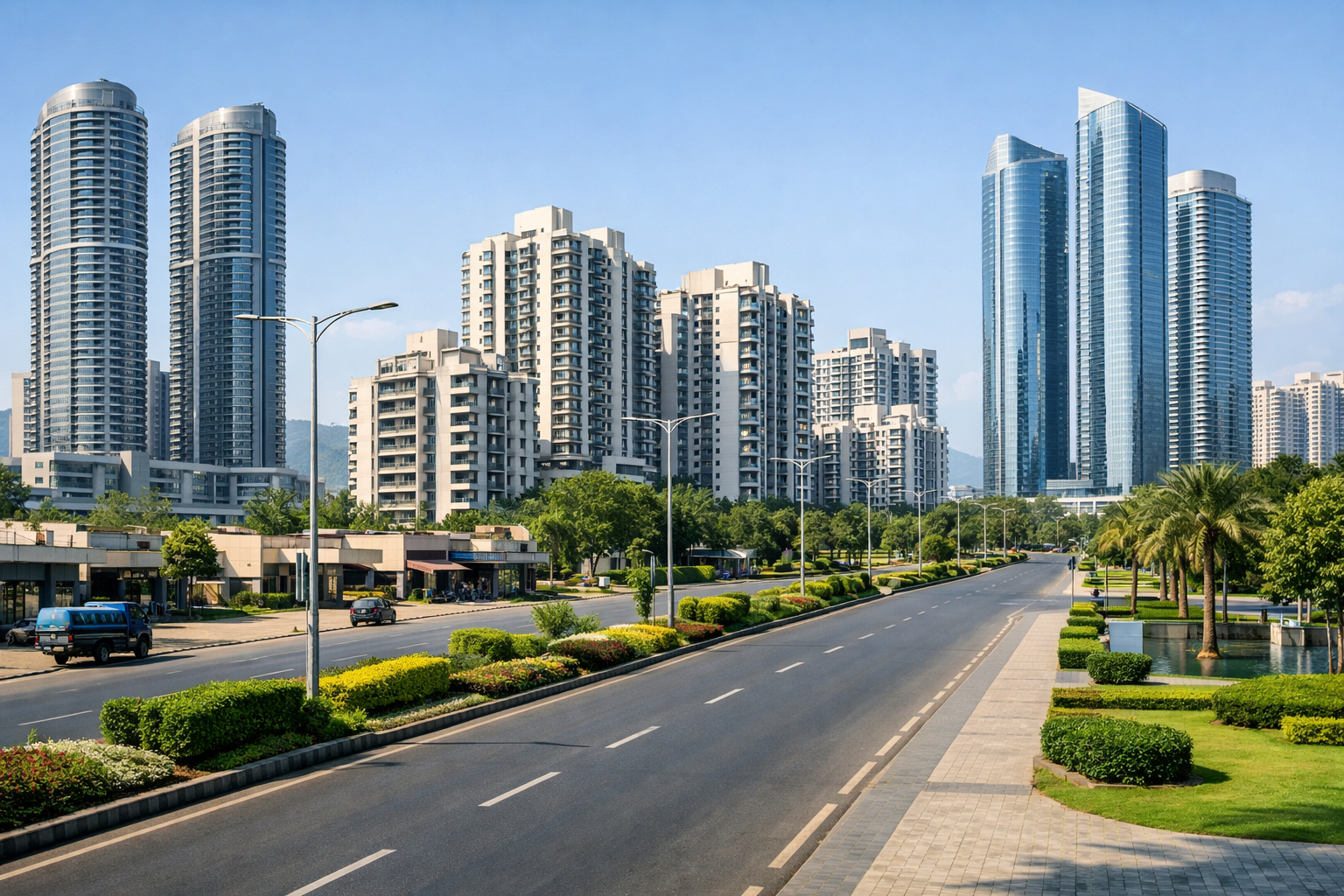
This is the most practical and most active buyer segment in Navi Mumbai. It is also the segment where people get genuinely confused because the options start to look good in very different ways.
A mid-budget can buy a newer flat in a developing area or an older resale in a more established one. That is a real choice. And it should not be reduced to “new is better” or “location is everything.”
Where value feels strongest
Kamothe and Kalamboli often make sense for buyers who want a functional market, railway access, and a more grounded end-use experience than the ultra-cheap nodes. Kamothe in particular works for many everyday commuters because of strong Central Railway access, although internal traffic and parking pressure are real irritants.
Panvel gives wider choice. It has bigger development stories, township-style options, and transport relevance. But buyers should remember that Panvel sits under a different municipal reality from core NMMC nodes, and that affects long-term holding cost.
Kharghar edge sectors, especially peripheral sectors rather than the prime ones, often become a very interesting mid-budget entry point. For many families, this is where the balance starts improving. You get more recognisable social infrastructure, better broader planning logic, and stronger long-term acceptance than in the ultra-cheap belt.
Where commute and livability improve
This is the budget band where many people stop looking only at square footage and start looking at how the week will actually feel.
Kamothe and Kalamboli improve immediate usability for many buyers. Panvel improves regional movement. Kharghar improves family appeal. Ulwe improves access logic for people who see value in the airport corridor and MTHL-led connectivity.
If a person works in BKC and is trying to improve time-distance efficiency, Ulwe can make more sense than many outsiders assume. If a family wants parks, schools, and a more rounded long-term environment, Kharghar often starts pulling ahead.
When old resale beats new launch
In Navi Mumbai’s current market, new projects often command a meaningful premium over resale. Buyers are paying extra for amenities, branding, and newer layouts. Sometimes that premium is worth it. Sometimes it is not.
A 15-year-old resale in a settled pocket can beat a flashy new launch if the resale gives better locality judgment, clearer society functioning, more realistic possession certainty, and lower surprise risk. This is especially important for end users.
But resale in CIDCO-linked nodes needs more legal care. Missing transfer documents, broken title chains, and friction around transfer NOCs can derail transactions. This is why resale should not be assumed “safer” unless papers are properly checked.
Higher Budgets Usually Shift the Search Toward Nerul, Seawoods, Vashi, Sanpada, and Prime Kharghar Sectors
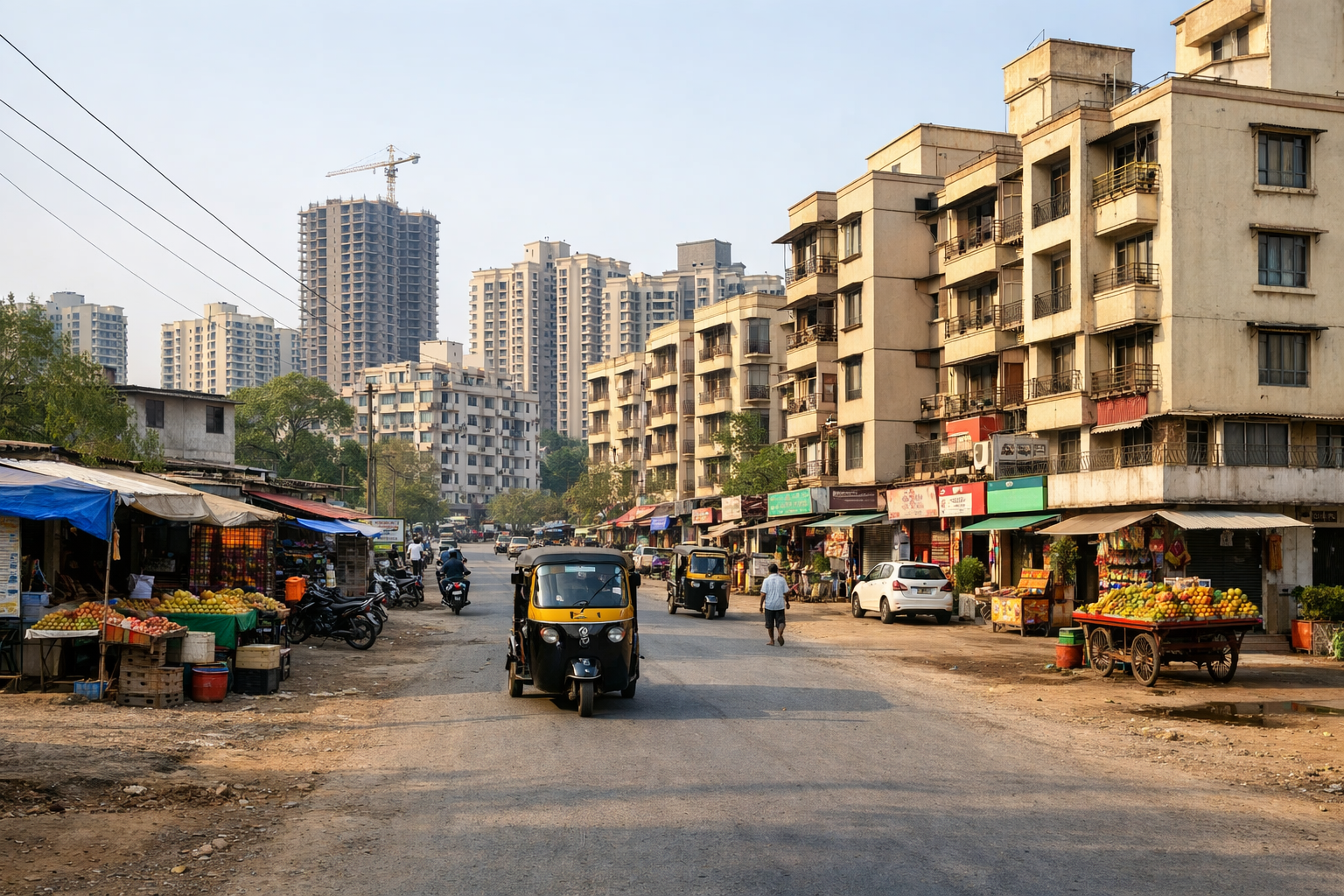
Higher budgets in Navi Mumbai usually move the shortlist away from hope and toward confidence.
Vashi, Sanpada, Nerul, and Seawoods are not expensive only because of brand value. They cost more because they offer mature urban ecosystems. Roads, markets, schools, hospitals, transit access, and overall civic predictability are already in place. For many buyers, that difference is worth paying for.
Prime Kharghar also enters this bracket, especially sectors where location quality and community acceptance are already established.
What buyers are paying extra for
They are paying for less friction. That is the clearest answer.
In premium nodes, buyers are usually paying for stronger civic management, better transit and road access, stronger resale liquidity, more established social infrastructure, and greater confidence about how the area will function five years from now.
They are also buying into mature demand. That matters. An area like Vashi does not need to be “discovered” by the market. It is already proven.
Which areas suit family end use best
For families, Nerul and Seawoods usually stand out strongly. They offer a better settled feel, stronger everyday convenience, and a more dependable urban rhythm.
Kharghar also remains a serious family choice, especially for buyers who want more space and can accept some water-related caution depending on society and sector. Its education ecosystem, parks, and larger urban planning logic still make it one of the most livable long-term family nodes in Navi Mumbai.
Which premium pockets are more stable than explosive
This distinction matters.
Vashi, Nerul, Seawoods, and Sanpada usually feel more stable than speculative. They are not mainly “future story” markets. They are “already working” markets. That often means lower dramatic hype, but stronger usability and resale comfort.
What Are You Really Paying For in Navi Mumbai: Space, Commute, Maturity, or Future Upside?
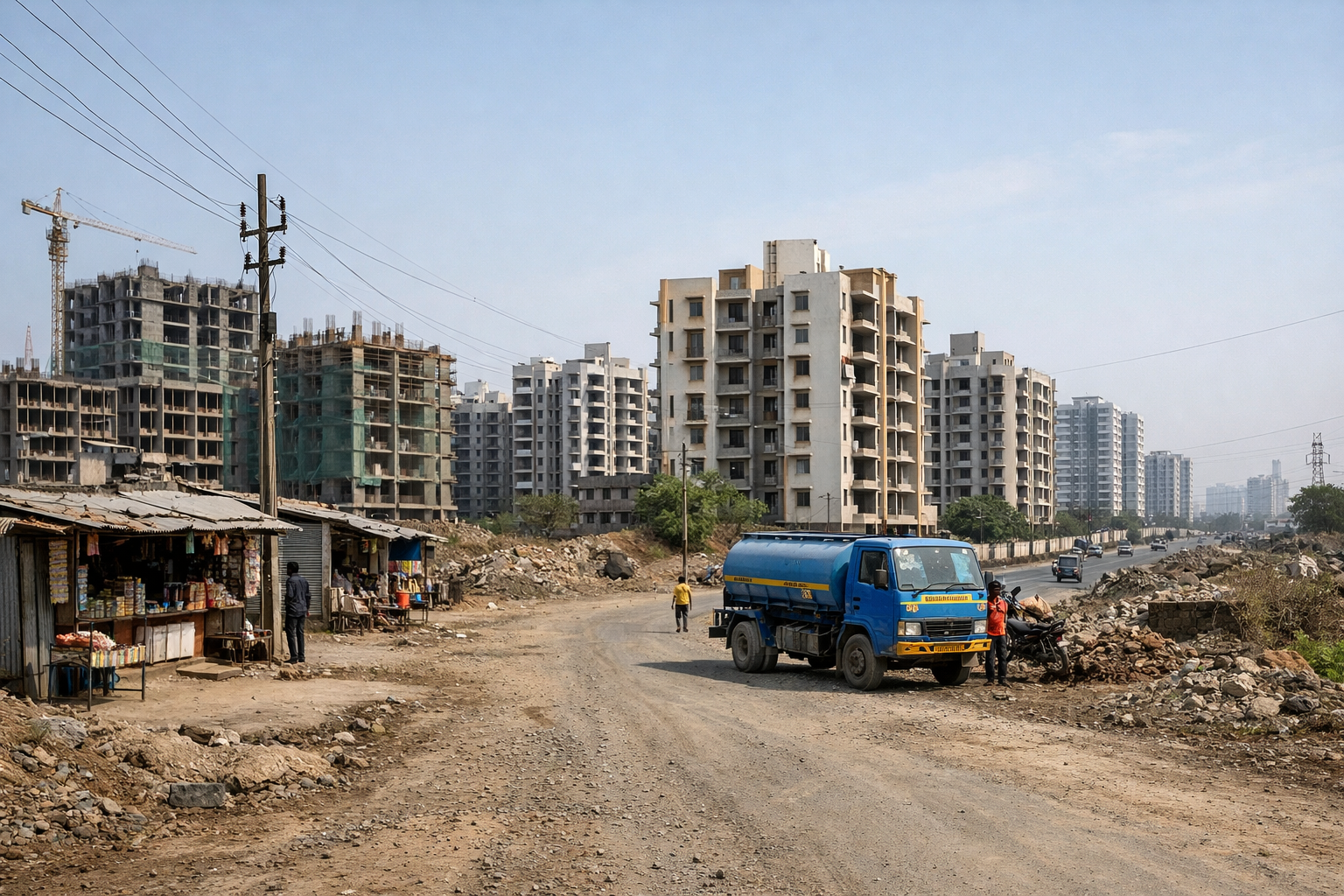
This is the question buyers should ask before they get emotionally attached to a brochure.
In lower-budget areas, your money usually buys more space or future upside, but less present comfort. In premium areas, your money often buys back your time. That can mean shorter travel, better services, fewer breakdowns in everyday routines, and a more dependable locality.
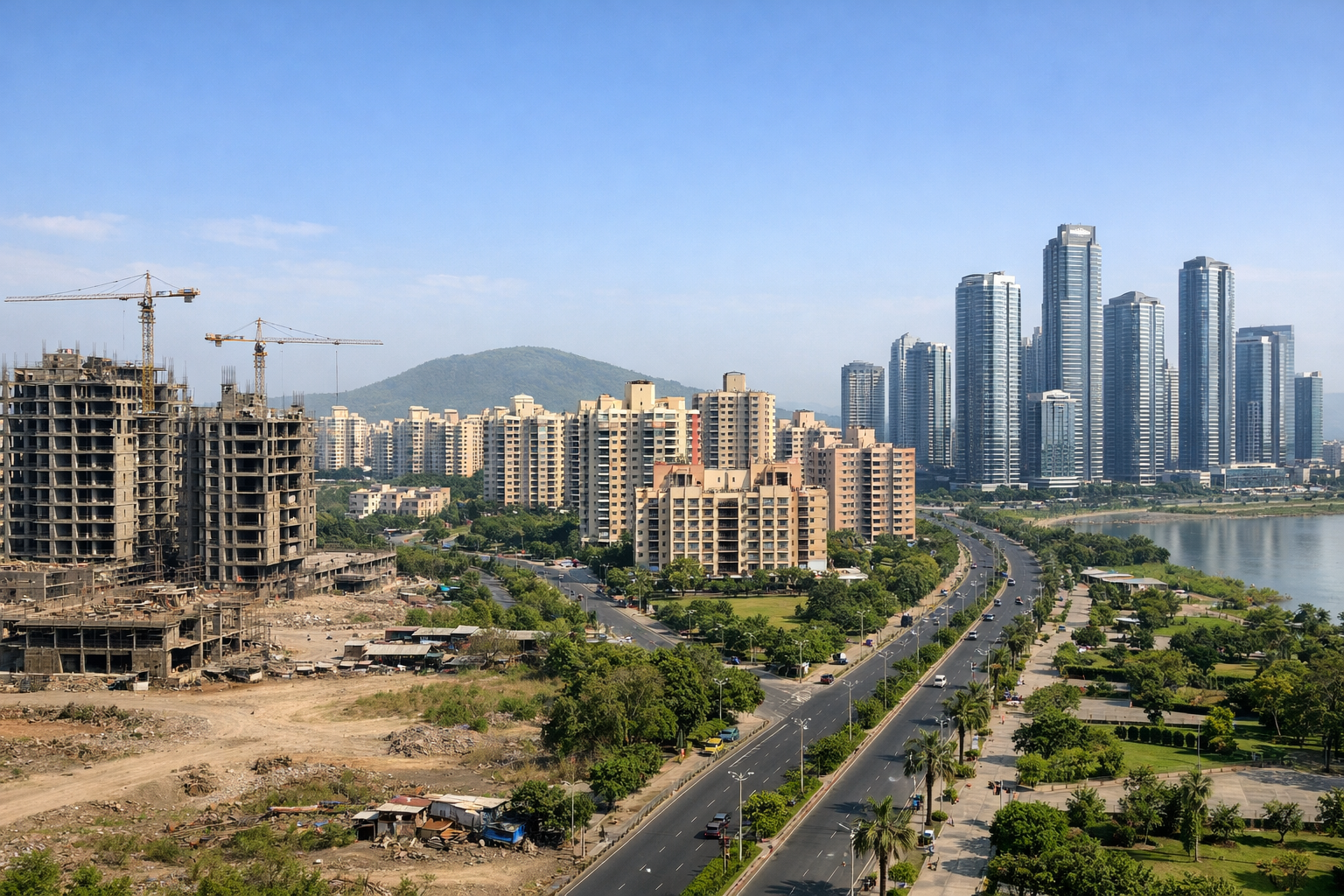
Ulwe is a good example of a future-upside plus connectivity market. Vashi is a strong example of civic maturity. Kharghar sits somewhere in the middle depending on sector, society, and buyer type. Panvel often represents broad transport-led logic. Taloja represents entry affordability with a development-stage penalty.
That is why two flats of similar size in different nodes are not directly comparable. One may look cheaper only because you will keep paying for that difference every day through time, inconvenience, or uncertainty.
Why the Same Budget Buys Very Different Reality in Different Parts of Navi Mumbai
This is one of the most important local truths in this entire topic.
Navi Mumbai is not one uniform market because authority jurisdiction changes the living experience. NMMC-side nodes are more mature and administratively stronger. CIDCO-led and Panvel-side growth belts can offer more budget flexibility and more future upside, but they also come with more uneven infrastructure reality.
PMC versus NMMC is not a technical footnote. It changes recurring costs. Panvel-side buyers can face a sharper property tax burden because PMC follows a carpet-area-based system, while NMMC follows a different value-based approach. That difference matters over the years.
Then there is water. Rapidly growing nodes like Kharghar, Taloja, and Ulwe can experience systemic inconsistency, and many societies rely on tanker supplements. A buyer who ignores this and focuses only on booking price is not reading the real cost of ownership properly.
Flat age matters too. In the same node, a new tower and an old building are not the same product. One may give better amenities and lift perception. The other may give more realistic locality quality and less launch-stage uncertainty.
Which Areas Make Sense for Families, Working Professionals, and Long-Term Investors at Different Budgets?
| Buyer Type | Budget Logic | Areas That Usually Make More Sense | Why |
|---|---|---|---|
| First-time buyer with limited budget | Needs realistic entry and basic usability | Taloja, Kamothe, Kalamboli | Better practical entry than highly speculative pockets |
| Mid-budget working professional | Wants commute logic and balanced daily life | Ulwe, Kamothe, Panvel, select Kharghar sectors | Better connection-led decision making |
| Family end user | Wants schools, open space, and stable living environment | Kharghar, Nerul, Seawoods | Better long-term livability |
| Yield-focused investor | Wants demand linked to real catalysts | Ulwe, Panvel | Airport and logistics corridor effect |
| Premium buyer | Wants mature ecosystem and strong resale comfort | Vashi, Seawoods, Nerul, Sanpada | More established and dependable market |
A BKC commuter with a mid-budget may look at Ulwe very differently from a retired family upgrading from an older flat. A family with children will usually prioritise schools, open areas, and settled surroundings. An investor may accept today’s friction for tomorrow’s rental demand.
So the question is not only “Which area is best?” It is “Best for whom, at this budget, with this lifestyle?”
When a Cheaper Area Is a Smart Buy and When It Is Only Cheap on Paper
A cheaper area is a smart buy when three things are true: the title is clean, the infrastructure catalyst is real, and the daily compromise is acceptable to the buyer.
A cheaper area is only cheap on paper when the low price hides major future pain. That pain can come from legal ambiguity, project weakness, hidden charges, poor access, weak utility reliability, or overdependence on a promised future that may take years to become usable.
This is especially important in locations where Gaothan or 12.5% scheme complications can affect title clarity. These cases may look tempting because the rate is lower, but buyers often run into home loan rejection, documentation stress, or resale trouble.
The other warning sign is blind airport hype. The airport has absolutely changed the region’s economics, but not every flat in every node near that story becomes a strong buy automatically. A good area still needs practical liveability, not just map-based excitement.
What to Check Before Shortlisting Any Budget Area in Navi Mumbai
Before paying a token amount, do these checks properly:
- Verify the project on MahaRERA and do not stop at the registration number. Check status, completion timeline, work progress, and litigation details.
- Check the IGR Maharashtra Ready Reckoner logic because acquisition cost is not only base price. Navi Mumbai saw a notable ASR increase for 2025–26, which affects stamp duty calculations.
- In NMMC zones, ask for the NMMC Property Identity Card where relevant. It helps verify ownership and tax-related clarity.
- For resale in CIDCO-linked nodes, demand the full chain of title documents, society papers, and all transfer-related records.
- Ask the society or residents a direct question about water: how many hours of supply, and how often are tankers required?
- Do not trust “walking distance from station” without physically checking it.
- Compare new-launch price with resale reality in the same micro-market before assuming the premium is justified.
This one checklist alone can save buyers from some of the most common Navi Mumbai property mistakes.
So Which Residential Area in Navi Mumbai Is Best for Your Budget?
If your budget is tight and you want ownership more than immediate polish, start with Taloja and selected outer growth pockets rather than chasing unrealistic low prices in risky documentation zones.
If your budget is in the middle and you want the best practical balance, Kamothe, Kalamboli, Panvel, Ulwe, and Kharghar edge sectors deserve the closest comparison. This is the decision zone where lifestyle, commute, and future value can still be balanced intelligently.
If your budget is higher and you want long-term family comfort or stronger resale confidence, Nerul, Seawoods, Vashi, Sanpada, and prime Kharghar sectors are usually the better shortlist.
There is no single winner for everyone. But there is usually a right cluster of areas for your budget if you stop looking only at brochure prices and start looking at how the area actually works.
Final Verdict
The best residential areas in Navi Mumbai by budget are not decided by price alone. Lower budgets usually work best in Taloja and selective outer growth pockets if the buyer is realistic about infrastructure gaps. Mid-budgets usually get the strongest shortlist in Kamothe, Kalamboli, Panvel, Ulwe, and Kharghar edge sectors. Premium budgets usually belong in Nerul, Seawoods, Vashi, Sanpada, and prime Kharghar.
The smartest way to buy in Navi Mumbai is simple: match your budget with the right type of area, then match that area with your real daily life. If a flat looks affordable but the commute, water situation, tax structure, or legal paperwork feels shaky, it is not truly affordable. In this market, the right buy is the one that still makes sense after the brochure ends.
FAQs
Frequently Asked Questions