
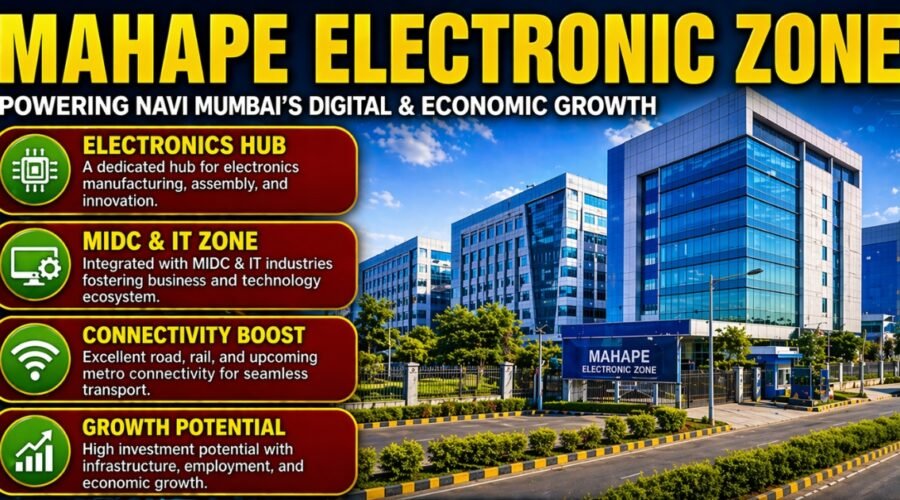
Mahape Electronic Zone, Navi Mumbai
Mahape Electronic Zone is an industrial-commercial business pocket in Mahape, Navi Mumbai, located within the wider TTC-MIDC ecosystem near Thane-Belapur Road. It is mainly suitable for electronics service companies, IT hardware support, technical back offices, engineering vendors, light industrial users, storage-linked businesses and B2B operations.
It is not a premium walk-in commercial market like Vashi or Belapur. Its real value is functional space, industrial ecosystem, vendor access, road connectivity, power availability and practical commercial-industrial property options.
Quick Summary: Mahape Electronic Zone
| Point | Details |
|---|---|
| Location | Mahape, Navi Mumbai |
| Larger belt | TTC-MIDC / Thane-Belapur industrial-commercial corridor |
| Best for | Electronics services, IT hardware, B2B offices, technical support, light industrial use |
| Nearby stations | Ghansoli and Rabale, depending on exact building location |
| Nearby areas | Ghansoli, Rabale, Kopar Khairane, Airoli and Turbhe |
| Main advantage | Functional business ecosystem and vendor proximity |
| Main risk | Parking, road access, power load, permitted use, old dues and building condition |
| Best alternative areas | Airoli, Ghansoli, Rabale, Turbhe, Vashi and Belapur |
Where exactly is Mahape Electronic Zone in Navi Mumbai?

Mahape Electronic Zone is located in Mahape, Navi Mumbai, inside the wider Trans-Thane Creek industrial belt commonly associated with MIDC and TTC industrial activity. It sits close to the Thane-Belapur Road side, which is one of the most important business corridors for Navi Mumbai’s industrial, IT, logistics, and back-office economy.
In simple local terms, this area sits between the more corporate-facing Airoli-Ghansoli belt and the more rugged industrial pockets toward Rabale, Pawane, and Turbhe. That is why Mahape Electronic Zone has a mixed character. It is neither a pure premium office destination like parts of Airoli nor a purely heavy industrial area like some older manufacturing belts.
For a visitor, tenant, or job seeker, the exact address matters a lot. A building closer to Millennium Business Park or a main internal road may feel very different from an older industrial gala deeper inside the MIDC pocket. Two properties may both use “Mahape” in the address, but their access, parking, building condition, and permitted use can be completely different.
Nearby landmarks and local reference points
The larger Mahape area is usually understood through a few practical references:
- Thane-Belapur Road
- Mahape MIDC / TTC industrial area
- Millennium Business Park side
- Ghansoli railway station access
- Kopar Khairane and Rabale side connectivity
- Mahape Circle and Mahape-Shilphata road movement
- Internal industrial roads and service lanes
For someone new to the area, this matters because Mahape Electronic Zone should not be judged only by a map pin. The internal pocket, building approach, road width, parking availability, and last-mile transport are more important than the broad locality name.
Is Mahape Electronic Zone the same as Mahape MIDC?
Not exactly. In daily conversation, many people use terms like “Mahape,” “Mahape MIDC,” “TTC Industrial Area,” and “Electronic Zone” loosely. But for business use, property checks, and compliance, these labels should not be treated as the same thing.
Mahape Electronic Zone can be understood as a more specific business and industrial-tech pocket within the wider Mahape MIDC and TTC ecosystem. The broader Mahape MIDC belt may include different kinds of industrial, technical, service, and commercial operations. The Electronic Zone identity is more closely linked with electronics, clean industrial use, IT-related activity, technical support, and similar business functions.
This difference matters because every unit does not automatically permit every business activity. A tenant planning electronics repair may have a different compliance requirement from a tenant planning chemical processing, fabrication, heavy storage, or data infrastructure. Before signing a lease or paying token money, the permitted use of the exact premises must be checked.
Why is Mahape Electronic Zone important for Navi Mumbai’s business ecosystem?
Mahape Electronic Zone is important because it fills a practical gap in Navi Mumbai’s business geography. It offers a working environment for companies that need industrial-grade utility and space, but do not necessarily need a premium glass-tower office address.
For many B2B companies, the attraction is simple: Mahape gives access to the Thane-Belapur business belt, nearby industrial vendors, technical manpower, logistics routes, and comparatively functional commercial-industrial space. This makes it useful for electronics services, IT hardware support, engineering support, automation work, back-office teams, data infrastructure support, and small to mid-sized business operations.
It is also positioned close enough to Ghansoli, Rabale, Kopar Khairane, Airoli, and Turbhe to support staff movement and vendor coordination. That location advantage is not glamorous, but it is practical. In Navi Mumbai’s commercial-industrial market, practicality often matters more than brochure value.
The area also has a strong relationship with the wider TTC-MIDC belt. Businesses that depend on suppliers, maintenance vendors, machine support, electrical contractors, transporters, and industrial service providers usually benefit from being close to this ecosystem.
Best Business Uses for Mahape Electronic Zone
| Business Activity | Suitability in Mahape | Reason | Before You Finalise |
|---|---|---|---|
| Electronics service and repair | Very suitable | The area supports technical, service-led and vendor-based business activity | Check power load, ventilation, permitted use and daily delivery access |
| IT hardware support | Very suitable | Works well for backend repair, support teams and B2B servicing | Check internet reliability, staff commute and courier/delivery movement |
| B2B office operations | Suitable | Practical for non-retail businesses that do not depend on heavy walk-in customers | Check parking, lift condition, building maintenance and visitor access |
| Light storage and dispatch | Selectively suitable | Useful for small inventory, spare parts and local dispatch support | Check loading access, road width, floor level and waterlogging risk |
| Premium client-facing office | Limited suitability | The location may not offer the polished corporate feel some brands need | Check building quality, reception area, surroundings and client experience |
What type of businesses are suitable for Mahape Electronic Zone?
Mahape Electronic Zone is best suited for businesses that need functional space, technical infrastructure, and B2B access. It is less suitable for luxury retail, lifestyle showrooms, or high-footfall consumer businesses that depend on walk-in visibility.
| Business Type | Fit Level | Why It May Work | What To Check First |
|---|---|---|---|
| Electronics repair and service | High | Area character supports technical and service-led activity | Power load, ventilation, permissions, storage needs |
| IT hardware support | High | Good fit for backend, support, maintenance, and B2B operations | Internet, access for staff, delivery movement |
| Engineering and automation support | High | Close to industrial clients and vendor network | Power capacity, floor loading, permitted activity |
| Small commercial offices | Good | Useful for cost-conscious B2B offices and admin teams | Building quality, lift, parking, washrooms, internet |
| Warehousing or light storage | Moderate | Road access can support small storage and dispatch activity | Clear height, loading access, truck movement |
| Industrial vendor office | Good | Practical for companies serving MIDC/TTC clients | Visitor access, signage, parking, agreement terms |
| Logistics coordination or back office | Good | Useful for operations teams linked to regional movement | Staff commute, road congestion, power backup |
| Premium client-facing corporate office | Weak to Moderate | Works only in better-grade buildings, not all pockets | Brand image, lobby, parking, visitor comfort |
| Retail showroom | Weak | Limited natural retail footfall compared to Vashi or Seawoods | Visibility, frontage, customer parking |
Best-fit businesses
Mahape Electronic Zone works well for businesses that are operationally driven. These include electronics service providers, IT hardware companies, automation firms, electrical and telecom support businesses, B2B repair units, engineering support teams, technical back offices, and small commercial offices serving industrial clients.
A company that needs staff, power, internet, vendor access, and road connectivity may find Mahape practical. A company that needs a luxury address, premium reception experience, high-end customer walk-ins, or lifestyle branding may not get the same advantage here.
Poor-fit businesses
Mahape Electronic Zone is generally not the first choice for luxury retail, premium restaurants, lifestyle showrooms, high-street consumer brands, or boutique consultancy offices that depend heavily on client perception. Such businesses may find Vashi, Seawoods, Belapur, or premium pockets of Airoli more suitable.
Heavy polluting manufacturing should also not be assumed as suitable simply because the area has an industrial identity. Any process involving pollution control, chemical use, discharge, noise, or special environmental compliance must be checked properly with the relevant authority and qualified consultants.
How is the connectivity to Mahape Electronic Zone?

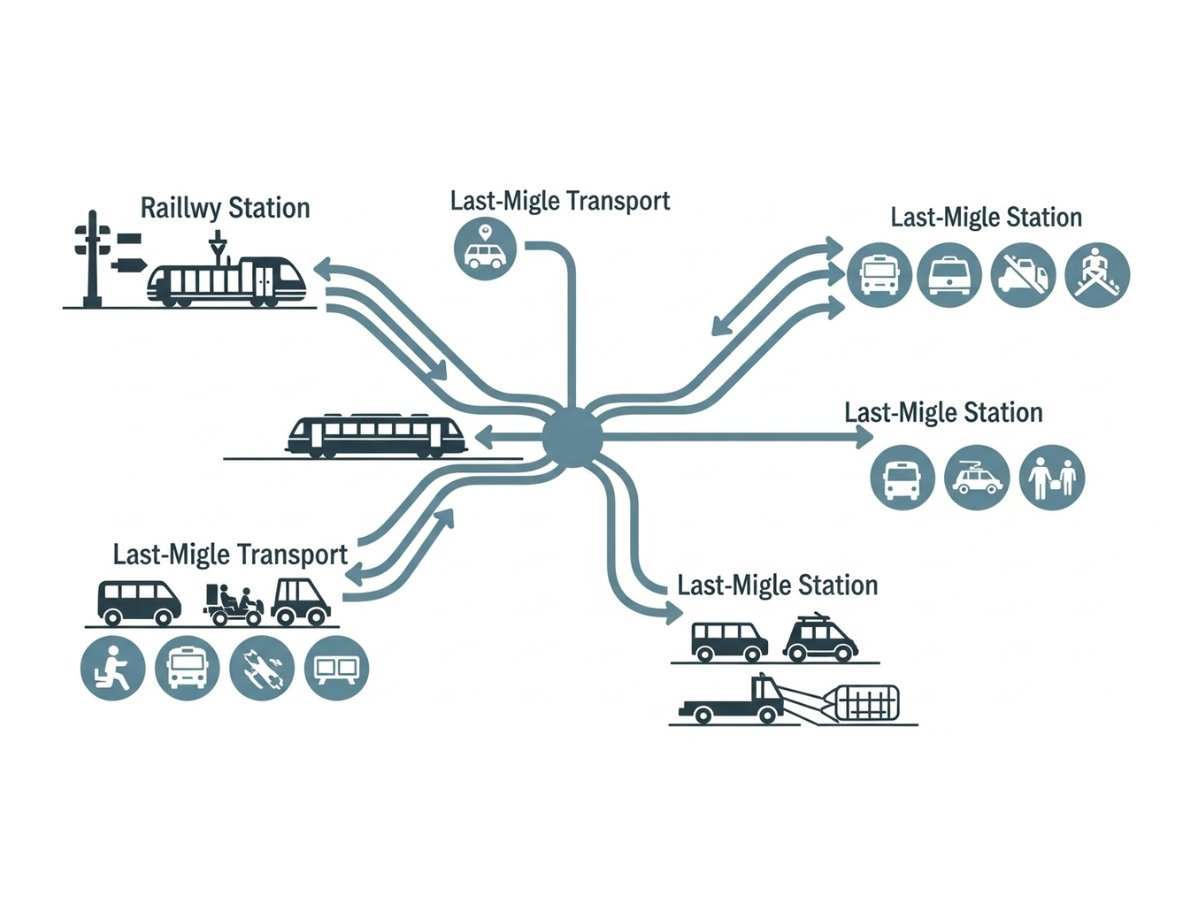
Connectivity to Mahape Electronic Zone is practical, but it is not as simple as saying “near station.” The area depends heavily on road access, shared autos, NMMT buses, and last-mile transport from nearby railway stations.
Ghansoli is commonly used by many commuters because it provides practical access to the Mahape side. Kopar Khairane and Rabale may also be relevant depending on the exact location of the building. For employees, the real question is not only “which is the nearest station?” but “how easily can staff reach the office from the station during peak hours and monsoon?”
| From Location | Typical Access Mode | Practical Note | Who Benefits |
|---|---|---|---|
| Ghansoli | Shared auto, NMMT bus, company transport | Common last-mile route for many workers going toward Mahape | Employees, visitors, office staff |
| Rabale | Auto, bus, private vehicle | Useful depending on the exact internal Mahape address | Industrial staff, vendors |
| Kopar Khairane | Auto, bus, private vehicle | Works for staff from central Navi Mumbai nodes | Employees, small business owners |
| Airoli | Road via Thane-Belapur side, train to Ghansoli/Rabale plus last mile | Practical for corporate and technical workforce | IT and back-office teams |
| Turbhe | Road-based access | Better for vendors, industrial supply, and goods movement | Industrial users, service providers |
| Vashi | Road or rail plus last-mile shift | Useful but not always fastest during peak hours | Business owners, visitors |
| Thane | Train to Trans-Harbour stations or road via Airoli/Thane-Belapur route | Strong regional workforce source | Employees, vendors, management teams |
| Panvel side | Longer road or train-based route | Practical for some staff, but not ideal for daily heavy commute unless transport is arranged | Select workers, logistics users |
Nearest railway station logic
Ghansoli is one of the most commonly used railway access points for Mahape Electronic Zone, especially for daily office and technical staff. However, the exact “nearest station” can vary depending on the specific plot, building, or internal road.
This is why businesses should not judge staff convenience only from Google Maps distance. A 2 to 3 km last-mile route can feel manageable on a normal day, but during peak office timings, rain, road congestion, or shift-change hours, it can become a real operational issue.
Shared autos, NMMT buses, and company transport are common parts of the commute. For larger offices or shift-based operations, arranging staff transport from Ghansoli or nearby stations can make a major difference in attendance and employee retention.
Road connectivity through the Thane-Belapur corridor
For business owners, the Thane-Belapur Road connection is one of Mahape’s biggest strengths. It links the area with Airoli, Ghansoli, Rabale, Kopar Khairane, Turbhe, Vashi, and Thane-side movement.
This road advantage is especially useful for B2B companies, vendor coordination, technical visits, logistics support, and management teams moving between Navi Mumbai and Thane. But it also means peak-hour congestion and road bottlenecks must be accepted as part of the location’s daily reality.
Is Mahape Electronic Zone good for office space?
Mahape Electronic Zone is good for office space when the office is operational, B2B, technical, backend, or cost-sensitive. It is not the best fit for every office. The area works best for businesses that care more about functionality than prestige.
For example, a technical support company, IT hardware firm, engineering service provider, logistics coordination office, or industrial vendor office can find Mahape useful. These businesses need access to staff, vendors, power, internet, and nearby industrial clients. They may not need a premium front-office address.
A luxury consultancy, high-end sales office, customer experience centre, or brand-led corporate office may prefer Airoli, Vashi, Belapur, or better-grade business parks depending on budget and client profile.
Before taking office space in Mahape Electronic Zone, tenants should check:
- building entrance and visitor experience
- lift condition and power backup
- dedicated parking or common parking availability
- washroom and common area maintenance
- internet and fiber availability
- security and visitor access control
- office timing rules
- agreement terms and lock-in period
- whether the premises can legally be used for the intended office activity
One important point: a lower rent is not automatically a good deal. If employees struggle to reach the office, visitors cannot park, internet is weak, or the building has poor maintenance, the cheaper office can become expensive in daily operations.
Is Mahape Electronic Zone suitable for industrial units, storage, or technical operations?
Mahape Electronic Zone can be suitable for light industrial, storage, technical, and service operations, but the exact unit matters more than the locality name. Some buildings may work well for technical operations, while others may fail basic operational requirements.
A business should not judge a unit only by square feet. For industrial and technical use, the usable space, clear height, floor loading, power load, approach road, goods movement, and loading access matter more.
For industrial or storage use, check these points during the site visit:
- Can tempos or trucks enter and turn properly?
- Is loading and unloading possible without blocking the road?
- What is the usable clear height, not just the roof height?
- Is the floor suitable for machinery, racks, or heavy stock?
- Is authorized three-phase power available?
- Is there enough ventilation?
- Are fire safety systems present and maintained?
- Is drainage adequate during monsoon?
- Are there any restrictions on working hours or goods movement?
- Does the activity require MPCB consent or any special approval?
This is especially important for businesses handling electronics, machinery, technical repairs, storage, or assembly. A unit may look acceptable during a quick visit, but fail once actual operations start.
Mahape Electronic Zone vs nearby business locations: where does it fit best?
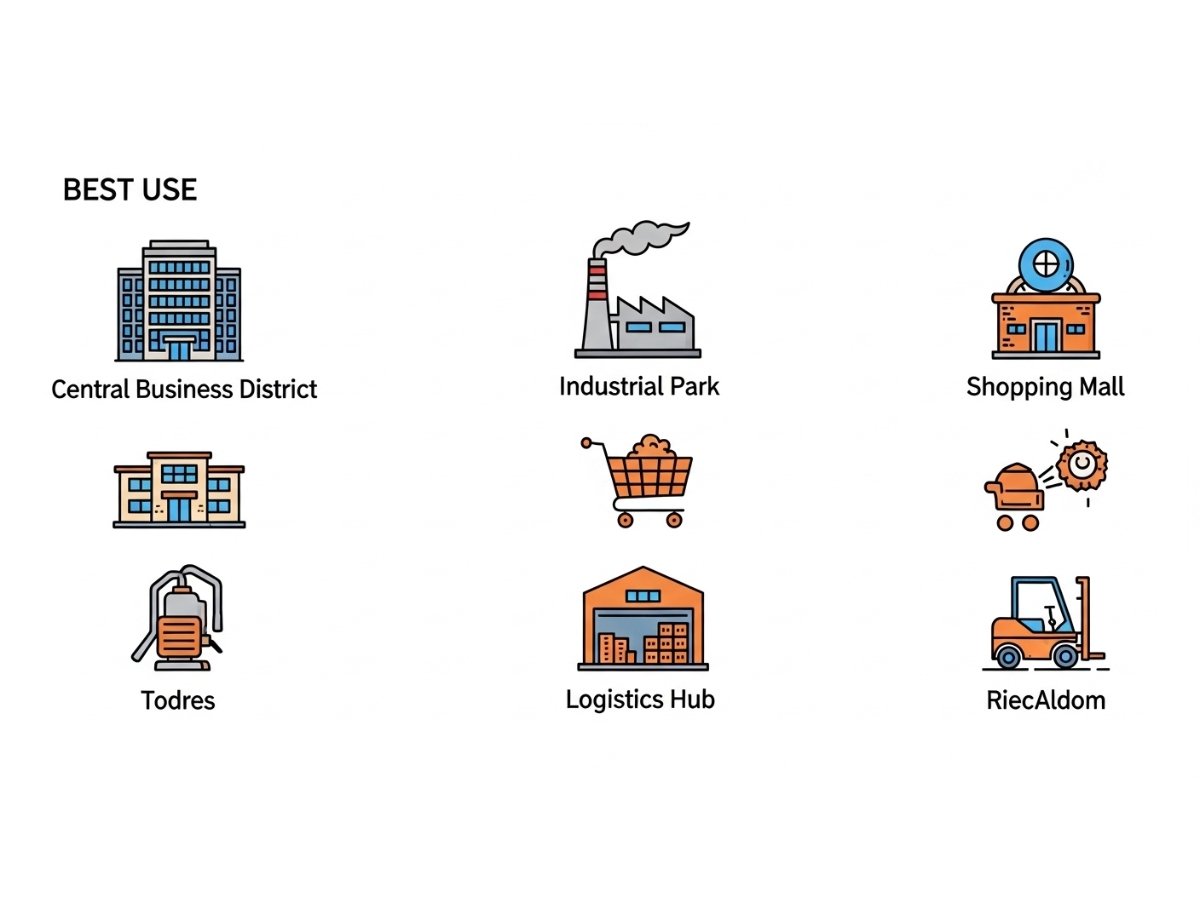
Mahape Electronic Zone is best understood by comparing it with nearby Navi Mumbai business locations. Each area has a different character. The right choice depends on the business model, staff commute, client expectations, and operational needs.
| Location | Better For | Typical Advantage | Typical Limitation |
|---|---|---|---|
| Mahape Electronic Zone | Electronics, IT support, back offices, technical operations, light industrial use | Functional space with industrial-tech ecosystem | Building quality and last-mile access vary |
| Ghansoli | Offices, residential-commercial mix, staff access | Better station-led access and improving business environment | Some pockets can be costlier or congested |
| Rabale | Industrial operations, data infrastructure, technical units | Strong industrial base and utility orientation | Less polished for client-facing offices |
| Airoli | IT parks, corporate offices, GCCs, premium business image | Strong office ecosystem and branding value | Higher rentals and peak-hour congestion |
| Turbhe | Industrial supply, warehousing, logistics, market access | Strong road movement and industrial-commercial mix | Congestion and older built stock in many pockets |
| Vashi | Retail, premium offices, banking, client-facing businesses | Strong visibility, transport, and commercial prestige | Higher cost and limited industrial suitability |
| Kopar Khairane | Small offices, residential support, nearby staff access | Balanced local connectivity | Not always ideal for industrial-scale operations |
When Mahape makes more sense than Vashi or Airoli
Mahape makes more sense when the business is operational rather than image-driven. If a company needs a practical office near industrial clients, technical vendors, or service teams, Mahape can be more sensible than paying a premium for Vashi or Airoli.
It can also work for businesses that need larger usable space, technical infrastructure, or proximity to the TTC industrial belt. The cost-to-function ratio can be attractive when the building is selected carefully.
When Ghansoli, Rabale, or Turbhe may be a better fit
Ghansoli may be better if staff commute and station convenience are the top priorities. Rabale may be stronger for businesses requiring heavier industrial infrastructure or data-centre-linked utility ecosystems. Turbhe may suit companies that depend more on goods movement, market access, and older industrial-commercial networks.
The decision should not be based only on rent. It should be based on whether the location reduces daily friction for employees, vendors, clients, and goods movement.
What should buyers and tenants verify before choosing a unit in Mahape Electronic Zone?
Do not choose a unit only because the address says “Mahape Electronic Zone.” The exact building, authority status, tax dues, permitted use, road access, power load, and physical condition matter more than the locality label.
The biggest mistake is treating a Mahape industrial-commercial unit like a simple residential flat transaction. Property in this belt can involve MIDC leasehold rules, NMMC property tax issues, permitted-use checks, and operational compliance.
Document and authority checks
Before renting, buying, or entering a long-term agreement, check:
- ownership or leasehold documents
- MIDC-related transfer or usage conditions where applicable
- NMMC property tax status and no-dues position
- occupancy certificate where applicable
- fire safety compliance where applicable
- sanctioned use and actual permitted activity
- electricity load and billing category
- maintenance dues
- society, association, or estate-level charges
- agreement registration and stamp duty requirements
- MPCB consent requirement if the business activity needs it
The NMMC property tax point is especially important in the broader MIDC-TTC context. Older properties can carry tax arrears, and buyers should not ignore this risk. A clear no-dues position should be verified before committing serious money.
Physical checks during site visit
A site visit should not be limited to looking at carpet area and rent. Walk around the property and check how it actually works.
Look at the access road, parking, internal road width, loading space, drainage, visible waterlogging marks, building age, lift condition, security, common areas, power backup, internet options, mobile network, and staff entry points.
If the unit is for technical, storage, or industrial use, visit during working hours and, if possible, during peak movement time. A lane that looks empty in the afternoon may be crowded during shift changes or loading hours.
What are the advantages of Mahape Electronic Zone?
The biggest advantage of Mahape Electronic Zone is its functional business ecosystem. It is close to the TTC-MIDC belt, connected to the Thane-Belapur corridor, and suitable for companies that need practical operational space.
Key advantages include:
- useful location for B2B, technical, electronics, IT support, and service businesses
- access to nearby industrial vendors and workforce
- practical road connectivity to Ghansoli, Rabale, Airoli, Kopar Khairane, Turbhe, Vashi, and Thane
- comparatively functional option for small and mid-sized offices
- suitable for back-office and technical teams that do not require premium retail visibility
- availability of different property formats, from office units to industrial galas and technical spaces
- stronger operational logic than pure residential-commercial locations for certain businesses
Mahape’s value is not in looking premium. Its value is in helping the right business operate efficiently.
What are the limitations or risks of Mahape Electronic Zone?
Mahape Electronic Zone also has real limitations. A good article on this topic should not hide them.
The first limitation is last-mile commute. Even if Ghansoli or nearby stations are usable, employees still depend on autos, buses, walking stretches, or company transport. For shift-based businesses, this can directly affect attendance and hiring.
The second limitation is variation in building quality. Some properties may be modern and professionally maintained, while others may be older industrial structures with weak common areas, poor parking, limited lifts, or unclear maintenance systems.
The third limitation is monsoon and road movement. Certain points around Mahape Circle, Mahape Junction, and Mahape-Shilphata side can face waterlogging or traffic disruption during heavy rain. This does not mean the entire area is unusable, but businesses should check the exact access route before taking a long-term decision.
Other risks include:
- parking shortage in some pockets
- internal road congestion during peak hours
- illegal or unmanaged heavy vehicle parking in certain stretches
- unclear property dues in older units
- mismatch between advertised use and permitted use
- higher repair and maintenance cost in older buildings
- slower transaction process for MIDC-linked properties compared to normal freehold commercial property
In short, Mahape is practical, but it rewards careful checking. It is not a place where one should sign blindly after one site visit.
Who should choose Mahape Electronic Zone, and who should look elsewhere?
Mahape Electronic Zone should be chosen by users whose business model matches the area’s functional character. It should not be selected only because the rent looks lower than Airoli or Vashi.
| Reader Type | Should Consider Mahape? | Reason | Better Alternative If Not Suitable |
|---|---|---|---|
| Electronics service business | Yes | Strong fit with technical and service-led environment | Rabale or Turbhe if heavier industrial needs exist |
| IT hardware support company | Yes | Good for backend support, repair, inventory, and B2B work | Airoli if premium office branding is needed |
| Small B2B office | Yes | Cost-effective and practical for non-retail operations | Ghansoli or Vashi if client visits are frequent |
| Industrial vendor | Yes | Close to TTC-MIDC ecosystem and technical clients | Rabale or Pawane depending on activity |
| Warehouse or light storage user | Maybe | Works if road width, loading, and clear height are suitable | Turbhe or Pawane for stronger logistics orientation |
| Premium consultancy office | Maybe | Only in better buildings with good access and image | Vashi, Airoli, or Belapur |
| Retail showroom | Usually no | Limited walk-in consumer footfall | Vashi, Seawoods, Kharghar, or Belapur |
| Investor seeking rental income | Yes, with caution | Tenant demand exists, but compliance and dues matter | Grade-A office markets if lower compliance complexity is preferred |
| Job seeker | Yes | Good employment pocket for technical and back-office roles | Depends on commute comfort and company transport |
Conclusion
Investors should see Mahape Electronic Zone as a functional rental market, not a guaranteed appreciation story. Demand mainly comes from operational businesses, technical firms, back offices, industrial support users and service companies.
However, asset quality matters a lot. Rentals can change sharply based on building grade, power load, road access, parking, loading space, maintenance and permitted use.
Before buying, investors should check tenant quality, NMMC property tax dues, MIDC lease or transfer conditions, permitted use, building age, maintenance cost, vacancy risk, resale liquidity, power load and future repair or compliance costs.
A unit may look affordable, but if it has poor access, old dues, weak infrastructure or unclear permissions, the net rental yield can reduce quickly.
FAQs
Frequently Asked Questions